
Side-by-Side Cognitive Profiles: Decoding Identical Scores
At first glance, the Dandie Dinmont Terrier and the Lhasa Apso appear to be cognitive twins, each scoring 3/5 in Problem Solving, Training Speed, Social Intelligence, Instinctive Drive, and Memory. However, the true intrigue lies not in the numbers themselves, but in the unique lenses through which each breed filters and applies these inherent abilities, shaped by centuries of selective breeding and distinct environmental pressures.
For the **Dandie Dinmont Terrier**, a venerable member of the Terrier group, a Problem Solving score of 3/5 manifests as a resourceful and independent approach to challenges. Bred to hunt badger and otter, they exhibit a cunning ability to strategize and overcome physical obstacles, whether it's navigating complex burrows or figuring out how to 'outsmart' a secured treat dispenser. Their Training Speed, also 3/5, indicates a moderate learning pace, often punctuated by a characteristic terrier independence that requires consistent, engaging methods to maintain focus. Social Intelligence at 3/5 means they are deeply loyal to their family unit, adept at reading household dynamics, yet often reserved or even assertive with strangers or other dogs, reflecting their self-assured nature. An Instinctive Drive of 3/5 underscores their strong prey drive, propensity for digging, and alert barking, all remnants of their working heritage. Finally, their Memory at 3/5 enables them to recall commands, routines, and past experiences with a notable tenacity, whether it's the location of a hidden squirrel or a remembered slight.
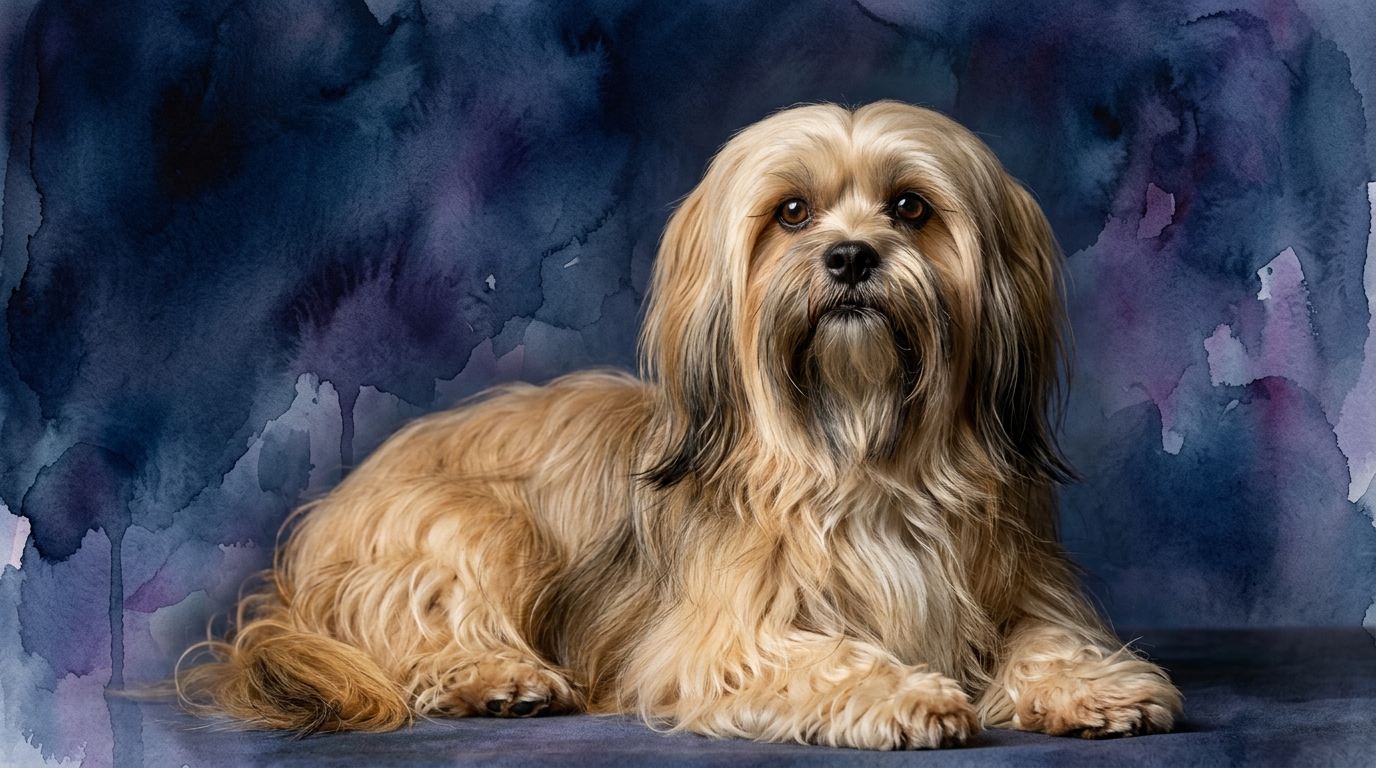
The **Lhasa Apso**, a dignified member of the Non-Sporting group and ranked #68 by Coren, also presents a Problem Solving score of 3/5, though expressed differently. Their problem-solving acumen often revolves around achieving comfort, asserting their preferences, or effectively guarding their domain. They might cleverly manipulate situations to secure a prime napping spot or employ intricate vocalizations to alert to perceived threats. Their Training Speed of 3/5 means they are capable learners, but their inherent independence and a strong sense of self often translate into a 'what's in it for me?' attitude, demanding patient and motivational training. Social Intelligence at 3/5 showcases their profound devotion to their inner circle, coupled with a distinct wariness towards outsiders, a trait honed by their historical role as watchful monastery guardians. They excel at discerning who belongs and who doesn't, reading subtle cues from their human companions. Their Instinctive Drive, also 3/5, is predominantly expressed through their formidable watchdog instincts, including territorial barking and an unwavering vigilance. Lastly, a Memory score of 3/5 means Lhasa Apsos possess a reliable recall of routines, established boundaries, and the intricate social hierarchy within their home, rarely forgetting a face or a perceived transgression.
Where the Dandie Dinmont Terrier Excels Cognitively
The Dandie Dinmont Terrier's cognitive strengths shine particularly bright in scenarios demanding independent thought and persistent, goal-oriented action, especially when a physical objective is involved. Their historical role as tenacious hunters fostered a distinct type of problem-solving: one that involves spatial reasoning, resourcefulness in tight spots, and a relentless drive to achieve a tangible outcome. A Dandie might outshine a Lhasa Apso in tasks requiring them to navigate a complex maze to retrieve a favored toy, or to figure out how to bypass an obstacle to reach a specific scent. Their 3/5 Problem Solving isn't just about figuring things out, but about actively *doing* to solve the problem, often with a robust physical component. This breed's instinctive drive for pursuit and exploration, coupled with their tenacious memory for successful strategies, gives them an edge in activities that simulate hunting or require sustained effort towards a physical reward. They are the canine equivalent of an inventive engineer, always looking for a practical solution to a hands-on challenge.
Where the Lhasa Apso Holds a Cognitive Edge
Conversely, the Lhasa Apso's cognitive prowess often manifests in more nuanced, socially-attuned ways, reflecting their centuries-long role as companions and vigilant sentinels. While their Problem Solving score is also 3/5, it's frequently directed towards optimizing their domestic environment and managing social interactions. A Lhasa Apso might excel in tasks that involve intricate social manipulation, such as subtly communicating their desire for attention or a specific comfort, or discerning the emotional state of their human companions with remarkable accuracy. Their 3/5 Social Intelligence is particularly acute in identifying and reacting to perceived threats or novel presences, making them astute judges of character and excellent natural alarm systems. Their robust memory for routines and individuals allows them to maintain a consistent watch over their territory and family, immediately noticing anything amiss. They are less about physical conquest and more about strategic observation and communication, often displaying a sophisticated understanding of household dynamics and a keen ability to 'read the room' for potential disruptions to their peaceful existence.
Trainability: Navigating Independent Spirits
Determining which breed is 'easier' to train between the Dandie Dinmont Terrier and the Lhasa Apso is less about raw learning capacity and more about managing their distinct forms of independence. Both breeds score 3/5 in Training Speed, indicating a moderate pace, but the behavioral underpinnings differ. The Dandie Dinmont Terrier's trainability is often influenced by their strong terrier will and a deep-seated prey drive. They learn commands but might choose to defer obedience if a more compelling scent or activity presents itself. Training a Dandie requires making it fun, consistent, and highly rewarding to overcome their self-directed nature and their natural inclination to follow their nose or dig. Their stubborn streak isn't a lack of understanding, but rather a preference for their own agenda. Building a strong bond and making training feel like a collaborative game are crucial for success.
The Lhasa Apso, while equally capable of learning, presents a different training dynamic. Their independence stems from their historical role as watchdogs who made their own judgments, rather than blindly following commands. A Lhasa might understand a command perfectly but decide not to execute it if they don't see the immediate benefit or if they're preoccupied with 'guarding' their space. Their wariness of strangers and strong territorial instincts can also impact their focus in new environments. Training a Lhasa Apso demands extreme patience, positive reinforcement, and a clear, consistent leadership that earns their respect. They are not as easily distracted by external stimuli like scents as a Dandie, but their internal motivation needs to be carefully cultivated. Neither breed is for the faint of heart in training, both requiring committed owners who understand and respect their unique forms of spirited autonomy.
Lifestyle Match: Active Engagement vs. Relaxed Vigilance
The choice between a Dandie Dinmont Terrier and a Lhasa Apso significantly hinges on an owner's lifestyle and preferred level of daily engagement. The Dandie Dinmont Terrier, despite their relatively compact size, possesses a lively terrier energy that necessitates regular physical and mental stimulation. They thrive with owners who enjoy daily walks, engaging playtime, and opportunities for safe off-leash exploration in secure areas where their prey drive won't lead them astray. Their need to dig and sniff requires outlets, making them suitable for moderately active owners who appreciate a dog with a zest for outdoor adventures and interactive games that challenge their problem-solving skills. Without adequate stimulation, a Dandie can become bored and channel their energy into less desirable behaviors.
In contrast, the Lhasa Apso generally aligns with a more relaxed owner profile. While they certainly appreciate daily walks and playtime, their exercise requirements are moderate compared to the Dandie. They are perfectly content with indoor living, often preferring to patrol their home territory from a comfortable vantage point. Their primary 'activity' often involves vigilant observation and companionship. Owners who enjoy a loyal, watchful companion that is less demanding in terms of strenuous physical activity, but highly attuned to household dynamics, will find a perfect match in the Lhasa Apso. They are ideal for individuals or families who value a dog's presence as a devoted, albeit opinionated, member of the household, content to be nearby and offer their subtle forms of protection and affection.
The Verdict
Choose the Dandie Dinmont Terrier if you seek a spunky, independent companion who thrives on engaging, hands-on activities and outdoor exploration, appreciating a dog with a tenacious spirit and a knack for practical problem-solving.
Opt for the Lhasa Apso if you desire a vigilant, devoted companion content with a more relaxed indoor lifestyle, valuing a dog with acute social intelligence, a strong sense of self, and an unwavering, watchful presence.
🧠 Find Your Pet's IQ Score
Our Pet IQ Lab assessment covers 25+ tests across 5 cognitive dimensions — personalized to your breed.
Take the Full IQ Test →Frequently Asked Questions
Are Dandie Dinmont Terriers difficult to train?
Dandie Dinmont Terriers possess a moderate training speed (3/5), but their independent terrier nature and strong prey drive can make training a consistent effort. They respond best to positive reinforcement, engaging methods, and owners who understand their spirited autonomy.
What kind of home environment is best for a Lhasa Apso?
A Lhasa Apso thrives in a home where they can be a central part of the family, offering companionship and vigilance. They are adaptable to various living situations, including apartments, as long as they receive daily walks and mental engagement, appreciating a stable and predictable routine.
Do Dandie Dinmont Terriers get along with other pets?
Dandie Dinmont Terriers can coexist with other pets, especially if socialized from a young age, but their inherent prey drive means caution is needed around smaller animals. Their interactions with other dogs can vary, often depending on early socialization and individual temperament.