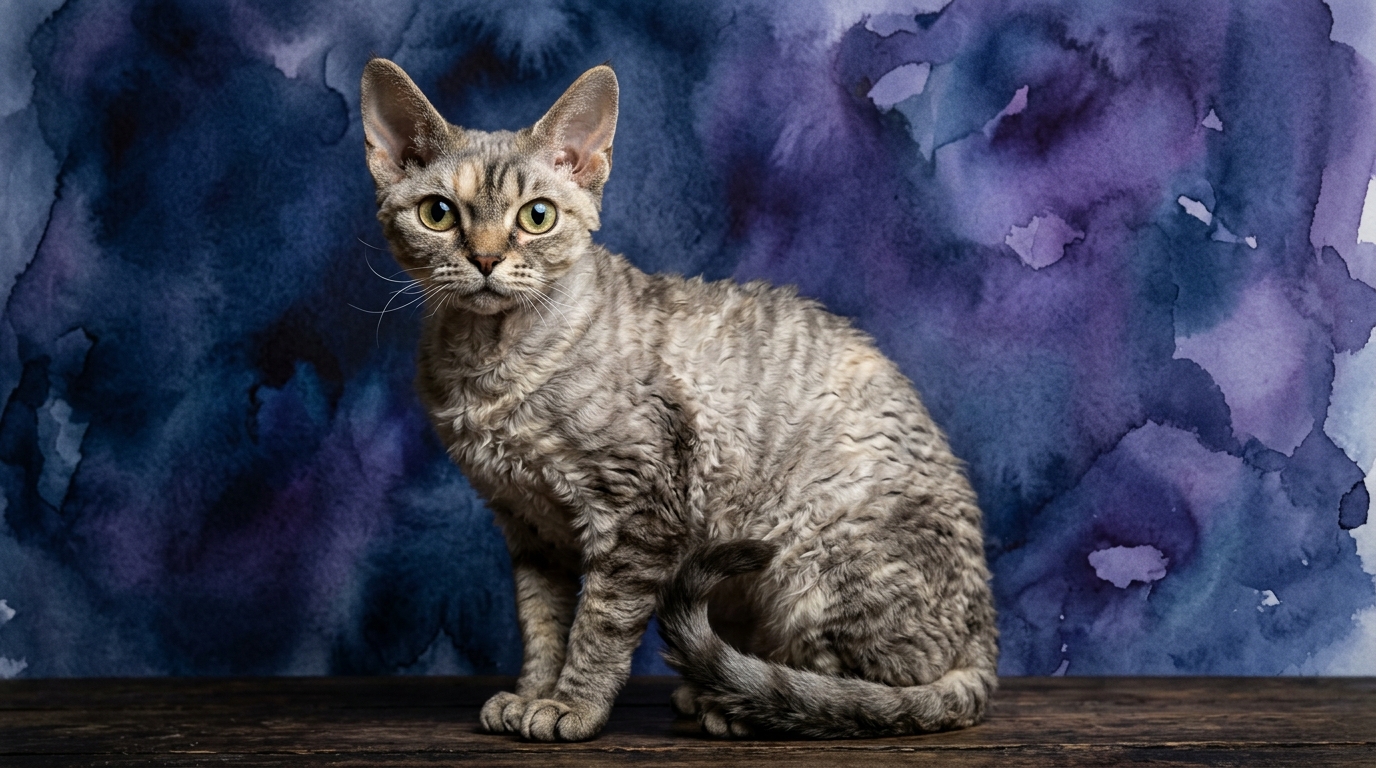
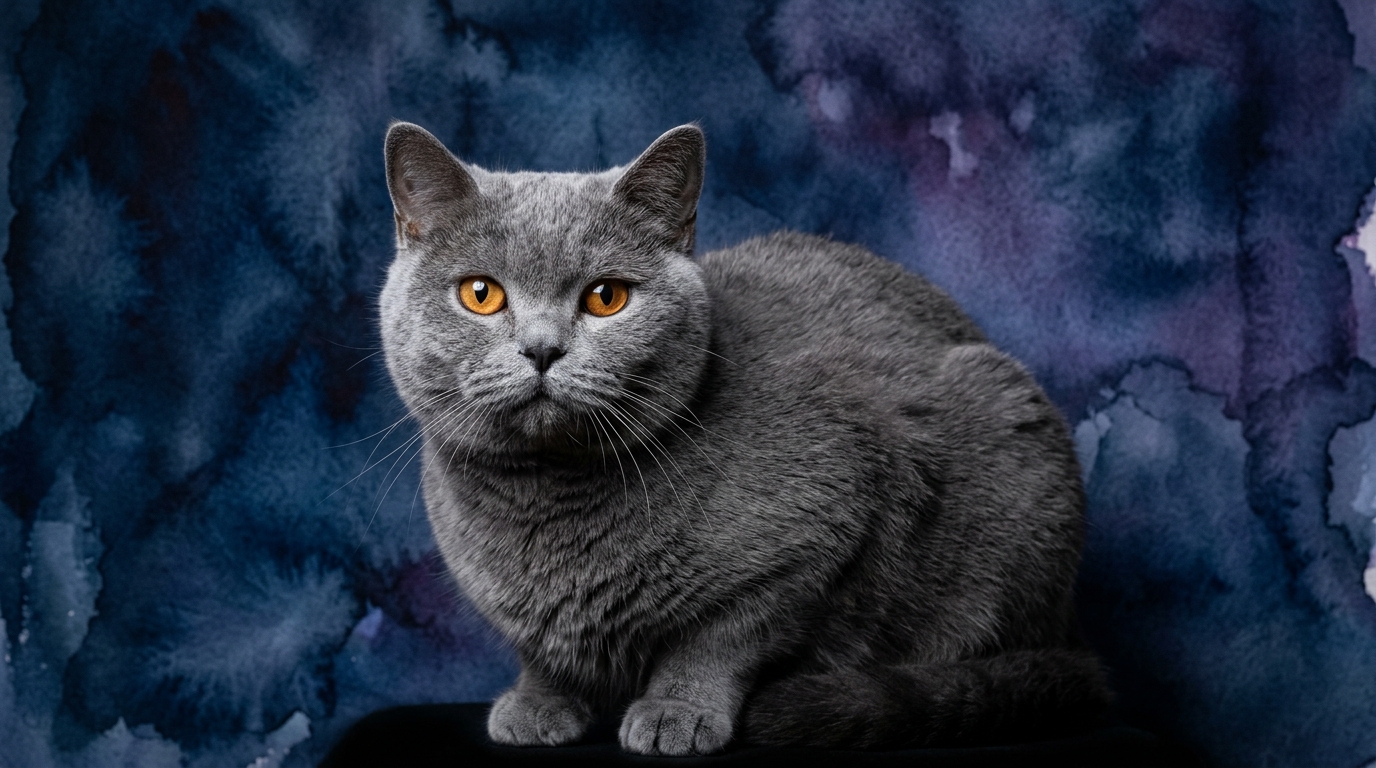
Side-by-Side IQ Profile
The Devon Rex exhibits a vibrant cognitive profile: Problem Solving 4/5, Training Speed 5/5, Social Intelligence 5/5, Instinctive Drive 3/5, and Memory 4/5. This suggests a highly adaptable and interactive mind, quick to learn and deeply connected socially.
In contrast, the British Shorthair presents a uniformly moderate cognitive blueprint: Problem Solving 3/5, Training Speed 3/5, Social Intelligence 3/5, Instinctive Drive 3/5, and Memory 3/5. This consistent scoring reflects a steady, reliable mental approach, prioritizing calm adaptability over overt dynamism in specific cognitive areas.
Where Devon Rex Wins Cognitively
The Devon Rex clearly distinguishes itself with advanced cognitive capabilities. Its 4/5 Problem Solving score means it actively figures out novel situations, like opening cabinets or retrieving hidden toys, demonstrating active mental engagement and strategic thinking. This isn't just curiosity; it’s a drive to overcome mental challenges.
Further, its 5/5 in both Training Speed and Social Intelligence are significant advantages. This cat learns quickly, often grasping commands like "sit" or "fetch" with remarkable alacrity. Its high social acumen means it's adept at reading human cues and actively participating in interactive games, making it highly responsive to training. A robust 4/5 Memory score ensures learned behaviors are retained, building a cumulative repertoire of interactions.
Distinctive Cognitive Traits of the British Shorthair
While the British Shorthair's cognitive scores are consistently moderate at 3/5, this uniformity underpins its famously calm demeanor. A 3/5 in Problem Solving indicates capability in everyday feline challenges, though it may not actively seek complex mental puzzles. Its approach to new situations is often considered and less impulsive.
The British Shorthair's 3/5 Social Intelligence allows for warm, affectionate bonds, finding comfort in predictability. Its 3/5 Training Speed and Memory, though not as rapid as the Devon Rex, enable effective learning of household rules and routines at a measured pace. This balanced cognitive profile contributes to its reputation as a stable, predictable, and self-sufficient companion, content with a relaxed pace of life.
Which is Easier to Train and Why
The Devon Rex is considerably easier to train, primarily due to its exceptional 5/5 Training Speed and 5/5 Social Intelligence. Its rapid learning curve means it picks up new commands with remarkable speed, often requiring fewer repetitions. This quick uptake is amplified by its strong social intelligence; these cats are acutely attuned to human expressions and gestures, understanding cues with minimal ambiguity. A Devon Rex might learn to fetch or walk on a leash in a fraction of the time a British Shorthair would, driven by its desire for interactive engagement and mental challenge.
In contrast, the British Shorthair's 3/5 scores suggest a more deliberate learning approach, requiring more patience and consistency to master new skills. Its social interactions are typically more understated, making it excel at adhering to established household rules rather than complex tricks.
Which Suits Active Owners vs Relaxed Owners
The Devon Rex, with its high Problem Solving (4/5), Training Speed (5/5), and Social Intelligence (5/5), thrives with active owners who enjoy interactive play, puzzle toys, and even clicker training. This breed needs consistent mental stimulation to channel its considerable cognitive energy, participating actively in family life. Owners seeking a responsive companion that learns tricks and seeks interaction will find the Devon Rex endlessly entertaining.
Conversely, the British Shorthair, characterized by consistent 3/5 scores, is an ideal match for relaxed owners seeking an independent and serene feline presence. While it appreciates affection, its lower drive for constant mental stimulation means it's content to observe or enjoy quiet companionship. Owners preferring a self-sufficient, predictable cat will find the British Shorthair’s calm temperament and balanced cognitive approach a perfect fit, offering a steady, comforting presence without extensive daily "brain games."
The Verdict
Opt for a Devon Rex if you desire a highly interactive, quick-learning companion eager for mental challenges and deep social engagement, thriving on an active, stimulating home environment.
Select a British Shorthair if you prefer a calm, predictable, and self-sufficient feline friend whose balanced cognitive profile makes it a serene and undemanding presence in a relaxed household.
🧠 Find Your Pet's IQ Score
Our Pet IQ Lab assessment covers 25+ tests across 5 cognitive dimensions — personalized to your breed.
Take the Full IQ Test →Frequently Asked Questions
Does a Devon Rex's higher Problem Solving score mean it's more mischievous?
A Devon Rex's 4/5 Problem Solving score indicates it's adept at figuring things out, which can lead to playful mischief if not given sufficient mental outlets. It's driven by curiosity and ingenuity rather than deliberate naughtiness.
How does the British Shorthair's consistent 3/5 IQ profile impact its personality?
The British Shorthair's uniform 3/5 scores contribute to its renowned calm, stable, and predictable personality. It's adaptable for daily life but less prone to seeking intense mental stimulation or highly active social engagement, preferring a relaxed demeanor.
Can a British Shorthair still be taught tricks despite its lower Training Speed?
Yes, a British Shorthair can certainly learn tricks and commands. Its 3/5 Training Speed means it requires more patience, consistency, and positive reinforcement than a faster-learning breed, but it is entirely capable of mastering new skills over time.