Side-by-Side IQ Profile: Devon Rex vs. Ragdoll
At The Cosmic Pet Pet IQ Lab, we assess feline cognition across five crucial dimensions, offering a nuanced look beyond mere anecdotal observations. The Devon Rex and Ragdoll, while both cherished companions, present fascinating contrasts in their cognitive profiles, guiding prospective owners toward the perfect match for their lifestyle and expectations.
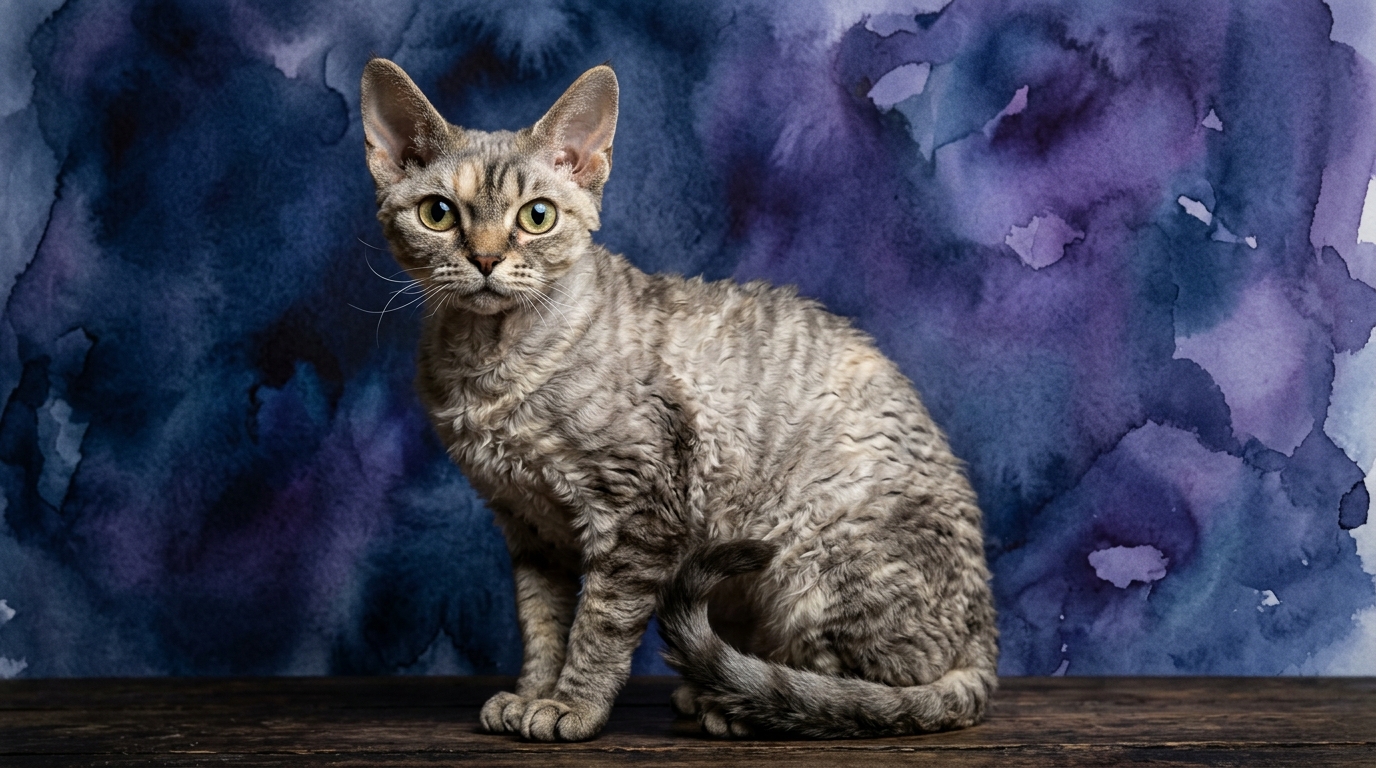
The Devon Rex, often described as a 'pixie cat,' scores impressively with a 4/5 in Problem Solving, indicating a keen aptitude for navigating complex environments and figuring out how things work. Their Training Speed is an exceptional 5/5, suggesting a remarkable capacity for rapid learning and skill acquisition. Social Intelligence also ranks at a perfect 5/5, reflecting their profound connection with humans. Their Instinctive Drive sits at a moderate 3/5, signifying an engaging but not overwhelming predatory instinct, while their Memory is a strong 4/5, enabling them to retain routines and learned behaviors effectively.
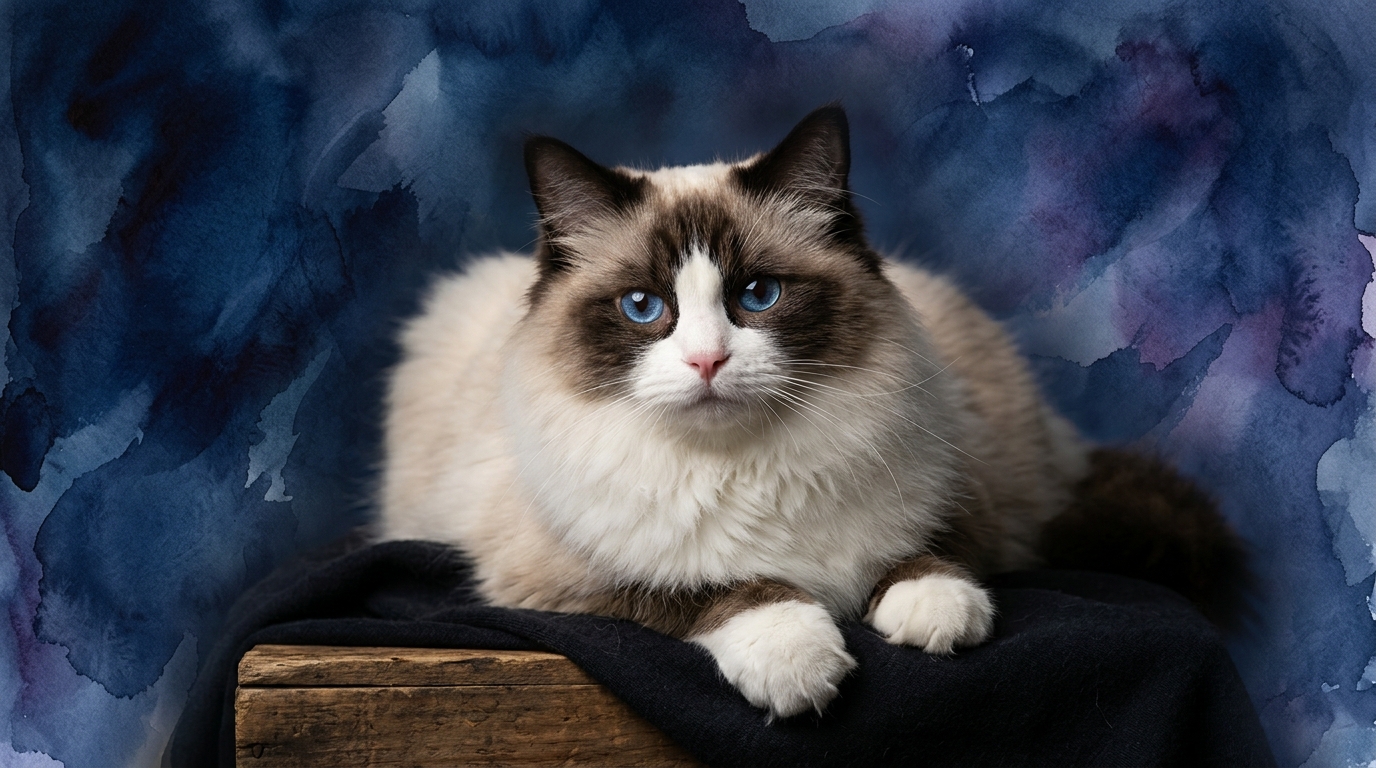
In contrast, the Ragdoll, famed for its docile nature, registers a 3/5 in Problem Solving, indicating a competent but less driven approach to puzzles or complex challenges. Their Training Speed is a steady 3/5, showing they can learn, albeit at a more measured pace than some breeds. Mirroring the Devon Rex, their Social Intelligence also achieves a 5/5, highlighting their deep bond with their human family. A particularly low Instinctive Drive of 2/5 defines their gentle disposition, and their Memory is a respectable 3/5, sufficient for daily routines and recognizing loved ones.
Where the Devon Rex Wins Cognitively
The Devon Rex shines brightest in cognitive domains centered around active engagement and rapid learning. Their superior 4/5 Problem Solving score means they are inherently curious and persistent in unraveling environmental mysteries, whether it’s figuring out how to open a cabinet for treats or manipulating a complex puzzle toy. This translates into a cat that isn't just playful but actively seeks to understand and interact with its surroundings in a mentally stimulating way.
Furthermore, the Devon Rex's perfect 5/5 Training Speed is a standout cognitive advantage. This breed absorbs new commands, tricks, and routines with remarkable alacrity, making them prime candidates for advanced behavioral training, leash walking, or even agility courses. Their quick grasp of cause-and-effect, coupled with a strong desire for interaction, means they often find the learning process itself to be a rewarding mental exercise, solidifying their memory (4/5) of these learned tasks.
Where the Ragdoll Wins Cognitively
While the Devon Rex excels in active cognition, the Ragdoll's cognitive strengths lie in areas that foster tranquility and profound emotional connection. Their identical 5/5 Social Intelligence score, compared to the Devon Rex, manifests as an almost unparalleled capacity for gentle companionship and emotional attunement. Ragdolls are profoundly empathetic, often sensing and responding to their owner's moods with comforting presence, demonstrating a deep cognitive understanding of human emotional states without needing active play.
Perhaps surprisingly, the Ragdoll's lower 2/5 Instinctive Drive also represents a distinct cognitive 'win' for certain lifestyles. This predisposition towards minimal predatory behavior is a cognitive trait that makes them exceptionally placid and less prone to destructive scratching or high-energy hunting simulations. Their cognitive blueprint favors peaceful coexistence and gentle interaction over the thrill of the chase, resulting in a cat that is less likely to scale curtains or obsess over small prey, making them ideal for serene home environments.
Which is Easier to Train and Why
Without a doubt, the Devon Rex is the more straightforward breed to train, primarily due to their exceptional 5/5 Training Speed and robust Problem Solving skills. They grasp new concepts quickly and enthusiastically, often enjoying the intellectual challenge of learning. This manifests in real behavioral differences: a Devon Rex is more likely to quickly associate a clicker with a treat or understand a complex sequence of actions to earn a reward. Their inherent curiosity and desire for interaction fuel their trainability, making them highly responsive to positive reinforcement and mental games.
The Ragdoll, with a 3/5 Training Speed, is certainly trainable but requires a more patient and gentle approach. While their high Social Intelligence means they are eager to please their human companions, their learning pace is more deliberate. They respond best to short, positive training sessions focused on basic commands and good manners, rather than complex tricks. Unlike the Devon Rex, which might actively try to figure out a new command, a Ragdoll might observe and absorb at its own comfortable pace, prioritizing comfort and affection over active problem-solving during training.
Which Suits Active Owners vs. Relaxed Owners
For active owners seeking a dynamic, engaging feline partner, the Devon Rex is an ideal match. Their high Problem Solving, rapid Training Speed, and strong Social Intelligence mean they thrive on mental stimulation, interactive play, and consistent human interaction. They need owners who are prepared to engage them with puzzle toys, teach them tricks, and perhaps even take them on adventures like leash walks. A Devon Rex will actively seek out engagement and can become bored or mischievous if not adequately stimulated.
Conversely, the Ragdoll is perfectly suited for relaxed owners who appreciate a calm, affectionate, and low-key companion. Their lower Problem Solving and Instinctive Drive, combined with their profound Social Intelligence, mean they are content with gentle companionship, quiet cuddles, and an unhurried pace of life. They are the quintessential 'lap cat' who finds joy in simply being near their human, requiring less structured mental engagement and preferring a peaceful, predictable home environment over constant activity.
The Verdict
Choose a Devon Rex if you're seeking a quick-witted, curious, and highly interactive feline companion eager to learn tricks, solve puzzles, and engage actively in family life.
Opt for a Ragdoll if you desire a tranquil, exceptionally affectionate, and gentle cat that thrives on peaceful companionship, quiet cuddles, and a serene home environment.
🧠 Find Your Pet's IQ Score
Our Pet IQ Lab assessment covers 25+ tests across 5 cognitive dimensions — personalized to your breed.
Take the Full IQ Test →Frequently Asked Questions
Are Devon Rex cats good at learning tricks?
Yes, with a training speed of 5/5 and strong problem-solving skills, Devon Rex cats are exceptionally adept at learning a wide array of tricks and commands, often enjoying the mental stimulation and interaction that comes with it. Their quick grasp of new concepts makes them eager participants.
Do Ragdolls enjoy interactive toys?
Ragdolls can enjoy interactive toys, particularly those that are not overly complex or demanding. Their lower instinctive drive means they prefer gentle play and companionship over intense hunting simulations, often enjoying toys more when played with by their human.
Which breed requires more mental stimulation?
The Devon Rex, with its higher problem-solving ability and training speed, generally requires more consistent mental stimulation through puzzle toys, training, and interactive play to prevent boredom. Ragdolls are content with less intense mental engagement, preferring companionship.