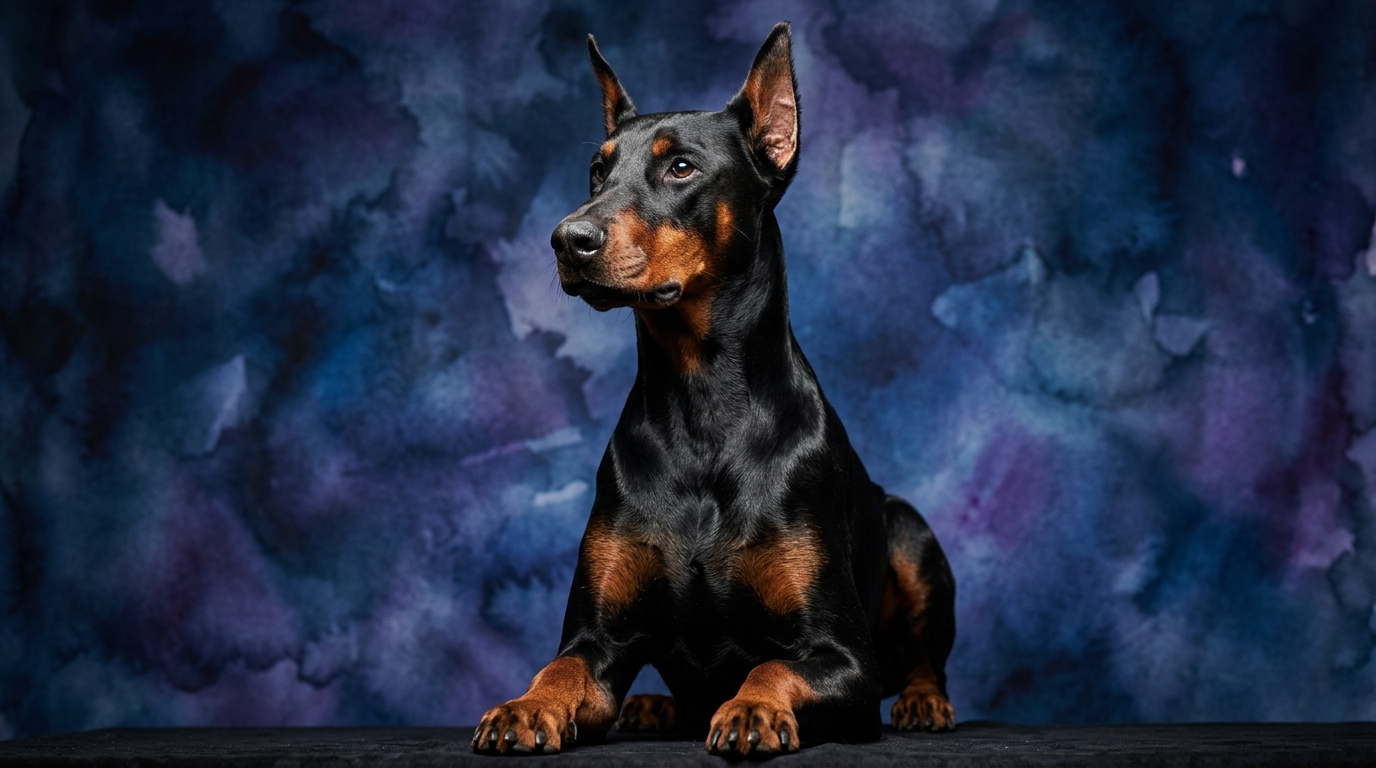
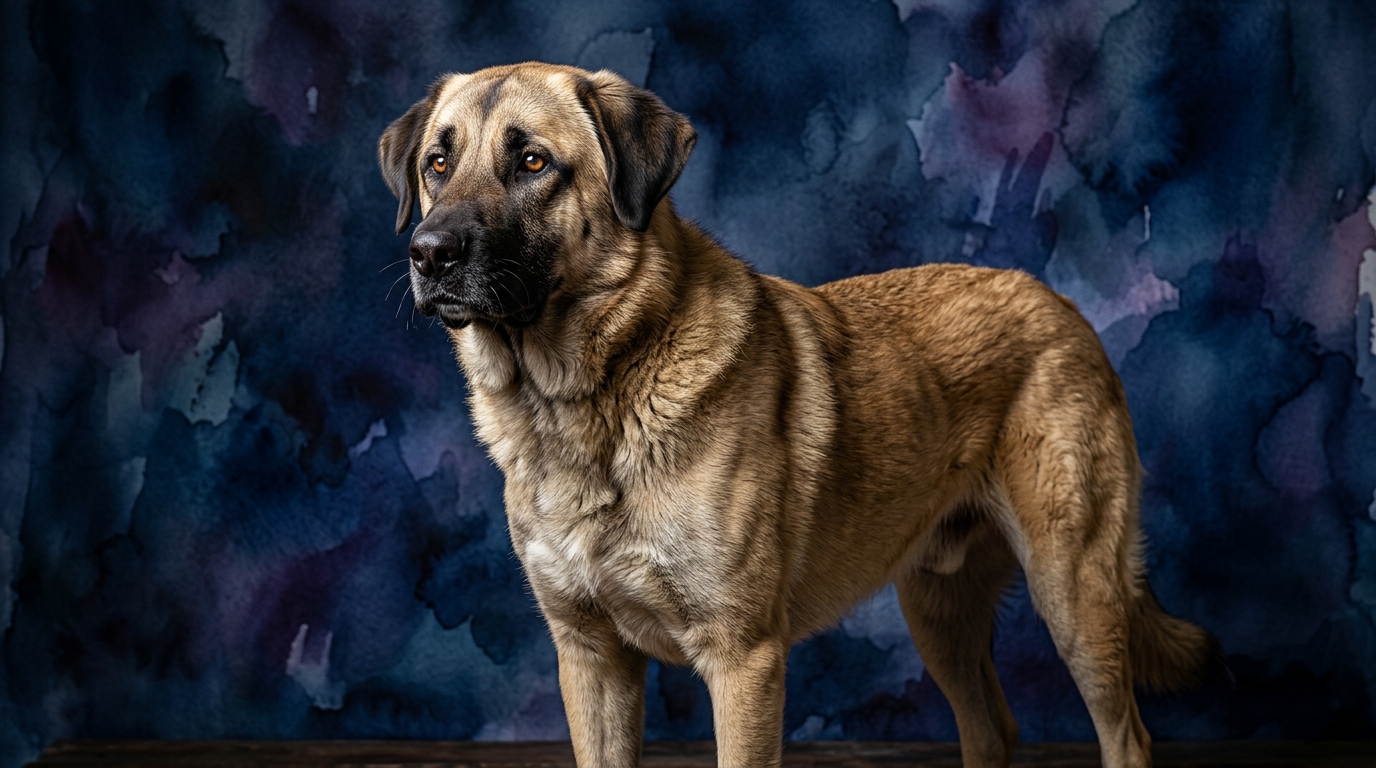
Side-by-Side Cognitive Profiles
The Cosmic Pet Pet IQ Lab's framework provides a granular view into the cognitive makeup of these two breeds, highlighting where their mental faculties converge and diverge. The Doberman Pinscher, a breed consistently recognized for its rapid assimilation of tasks, holds a Coren rank of #5, placing it among breeds that learn new commands with impressive speed and obey known commands reliably.
In contrast, the Anatolian Shepherd Dog is not featured on the Coren ranking, indicating a different cognitive approach, one less focused on rapid obedience and more on independent judgment. Let's break down the five key dimensions for each breed to understand their intrinsic mental capabilities.
For the Doberman Pinscher, problem Solving is rated 5/5. This indicates a profound capacity to analyze novel situations, devise solutions, and navigate complex environments or learn intricate routines quickly. Their training Speed, also 5/5, signifies an exceptional ability to grasp and retain new commands with minimal repetition, making them highly receptive to structured instruction. Social Intelligence at 4/5 suggests a strong awareness of human cues and social dynamics, fostering a cooperative relationship, though perhaps with a hint of independent thought. Their instinctive Drive is rated 5/5, pointing to a powerful, directed motivation to fulfill tasks, be it protection, tracking, or competitive sports. Memory, a perfect 5/5, underscores their ability to recall learned behaviors and experiences over long periods, making training cumulative and lasting.
The Anatolian Shepherd Dog presents a different cognitive landscape. Its problem Solving is rated 3/5, suggesting a practical, situation-specific approach to challenges rather than an abstract, rapid one. They are capable of finding solutions, but perhaps through trial and error or established patterns rather than instantaneous insight. Training Speed at 3/5 means they require more repetition and patience to learn new commands, often processing information at a more deliberate pace. Social Intelligence is also 3/5, indicating an awareness of their human companions but a tendency towards self-reliance and independent decision-making, which is crucial for their historical role. Instinctive Drive, rated 3/5, reflects a strong, but specialized, motivation, primarily focused on guarding and protection rather than a broad spectrum of directed tasks. Memory, at 3/5, implies they retain essential information pertinent to their duties, but may not have the extensive recall for complex sequences or a vast repertoire of tricks that a Doberman might exhibit.
Where Doberman Pinscher Excels Cognitively
The Doberman Pinscher's cognitive strengths are undeniably rooted in its remarkable cognitive agility and processing speed. Its 5/5 rating in both problem Solving and training Speed means a Doberman can quickly assess a new obstacle, formulate a plan, and execute it, often with minimal prior exposure. This is evident in their prowess in advanced obedience, agility, and protection work, where split-second decisions and intricate sequences are common.
Their 5/5 memory further amplifies these strengths, allowing them to build a vast mental library of commands, scenarios, and associated responses. A Doberman can recall complex routines after long breaks and apply past learning to new situations efficiently. The combination of high instinctive Drive (5/5) and robust social Intelligence (4/5) channels this mental horsepower into a highly cooperative and directed work ethic, making them exceptional partners for tasks requiring precise execution under human guidance.
Where Anatolian Shepherd Dog Excels Cognitively
While the Anatolian Shepherd Dog's scores might appear lower on a generalized scale, their cognitive profile is perfectly optimized for their specialized role as a livestock guardian. Their 3/5 problem Solving manifests as a steadfast, practical approach to threats, relying on observation, assessment, and a deep understanding of their territory and flock dynamics. They excel not in quickly learning novel tricks, but in consistently applying learned vigilance and territorial defense over extended periods.
The Anatolian's 3/5 social Intelligence, rather than being a deficit, signifies a valuable independence. This allows them to make critical decisions autonomously in the absence of human direction, a necessity for a guardian tasked with protecting livestock in remote areas. Their 3/5 instinctive Drive is laser-focused on protection and territoriality, a deep-seated motivation that ensures unwavering commitment to their charges. Their memory (3/5) is sufficient to recognize familiar individuals (both human and animal) and recall the boundaries of their territory, contributing to their reliable and persistent guarding behavior without needing constant human intervention or novelty to stay engaged.
Ease of Training: A Tale of Two Approaches
When considering ease of training, the Doberman Pinscher holds a distinct advantage due to its 5/5 training Speed and 5/5 memory. These traits mean Dobermans are exceptionally receptive to instruction, picking up new commands rapidly and retaining them with minimal reinforcement. They often thrive on the mental engagement of training and are eager to please their handlers, making them highly amenable to a wide range of obedience and specialized tasks. Their capacity for complex problem-solving also allows them to generalize learned behaviors to new contexts with relative ease.
The Anatolian Shepherd Dog, with its 3/5 training Speed and 3/5 memory, requires a fundamentally different training approach. They are not 'slow' in a derogatory sense, but rather 'deliberate.' They process information at their own pace, and while they can learn, it demands immense patience, consistency, and understanding from their trainer. Their 3/5 social Intelligence means they are less inclined to blindly follow commands if they perceive them as unnecessary or conflicting with their primary guarding instincts. Training an Anatolian often involves building trust and demonstrating the utility of a command, rather than expecting immediate, eager compliance. Repetition is key, and once a behavior is learned, it tends to be deeply ingrained, though not as readily adapted to new situations as with a Doberman. Their independent nature means they will often assess a situation and make their own judgment, which is beneficial for their guarding role but can be challenging in formal obedience contexts.
Matching Breeds to Lifestyles: Active vs. Relaxed Owners
The Doberman Pinscher is ideally suited for active owners who relish engaging deeply with their canine companion's mental and physical needs. Their 5/5 instinctive Drive and cognitive agility make them excellent candidates for advanced obedience, agility, tracking, or protection sports. Owners who enjoy structured training, mental puzzles, and providing consistent challenges will find a Doberman to be a highly rewarding and cooperative partner. A Doberman thrives on having a 'job' and requires significant mental stimulation to prevent boredom and destructive behaviors. They are not content with a purely sedentary lifestyle; their minds and bodies demand purposeful activity.
The Anatolian Shepherd Dog, on the other hand, is better suited for owners with a specific need for a dedicated guardian, often in rural or semi-rural settings. Their cognitive profile, characterized by steady problem-solving and independent social intelligence, makes them excellent at assessing and managing their territory and charges. While they are physically robust, their cognitive needs are less about constant new challenges and more about consistent vigilance and the fulfillment of their guarding role. Owners who understand and respect an independent breed, who can provide a secure environment, and who appreciate a dog that operates with a degree of autonomy will find the Anatolian Shepherd Dog to be an unwavering protector. They are not ideal for owners seeking a highly interactive, constantly 'busy' companion in the same vein as a Doberman.
The Verdict
Choose the Doberman Pinscher if you seek a highly trainable, versatile companion eager for complex tasks and consistent mental engagement, ideal for an active, hands-on owner who enjoys structured activities and dog sports.
Opt for the Anatolian Shepherd Dog if you need a steadfast, independent guardian for property or livestock, appreciating a dog whose cognitive strengths lie in consistent vigilance and autonomous decision-making in a specific role.
🧠 Find Your Pet's IQ Score
Our Pet IQ Lab assessment covers 25+ tests across 5 cognitive dimensions — personalized to your breed.
Take the Full IQ Test →Frequently Asked Questions
Do Anatolian Shepherd Dogs have lower intelligence overall compared to Dobermans?
The IQ Lab's ratings indicate that Anatolian Shepherd Dogs possess a different cognitive profile, optimized for their specific guarding role, rather than being 'lower' in a general sense. While Dobermans excel in rapid learning and problem-solving, Anatolians demonstrate practical intelligence and independence crucial for their work.
Can an Anatolian Shepherd Dog be trained for complex tasks like a Doberman?
While an Anatolian Shepherd Dog can certainly be trained, their 3/5 training speed and memory suggest it will require more patience, repetition, and a consistent approach than with a Doberman. They may not achieve the same level of intricate obedience or rapid adaptation to novel tasks as a Doberman, whose cognitive profile is geared for quick learning and versatility.
Which breed is better for a first-time dog owner?
Neither breed is typically recommended for a first-time dog owner due to their powerful working drives and specific cognitive needs. However, the Doberman Pinscher's higher training speed and social intelligence might make them slightly more manageable for an experienced, committed novice willing to invest heavily in training and socialization, whereas the Anatolian's independence and guarding instincts require a more seasoned hand.