Side-by-Side IQ Profile: Doberman Pinscher vs. Bernese Mountain Dog
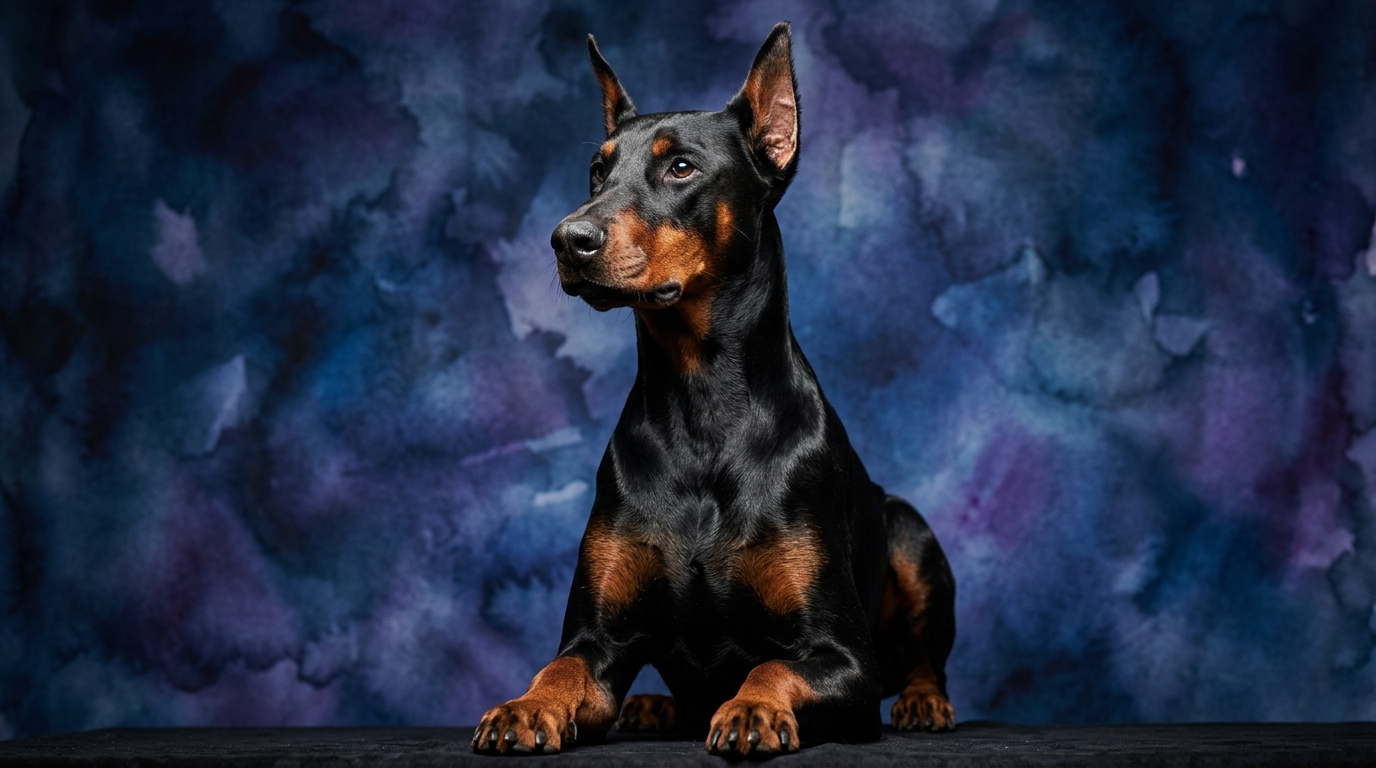
The Cosmic Pet Pet IQ Lab ranks the Doberman Pinscher at an impressive Coren rank #5, indicating a breed with exceptional working and obedience intelligence. Its cognitive profile is marked by: Problem Solving (5/5), demonstrating an outstanding capacity to independently analyze and overcome novel challenges; Training Speed (5/5), signifying an ability to absorb and execute new commands with remarkable rapidity; Social Intelligence (4/5), reflecting a strong understanding of human cues, particularly within their immediate social unit; Instinctive Drive (5/5), revealing a powerful innate desire to engage in purposeful activities and work; and Memory (5/5), indicating an exceptional ability to retain learned behaviors and information over long periods. This combination paints a picture of a dog built for precision and complex roles.
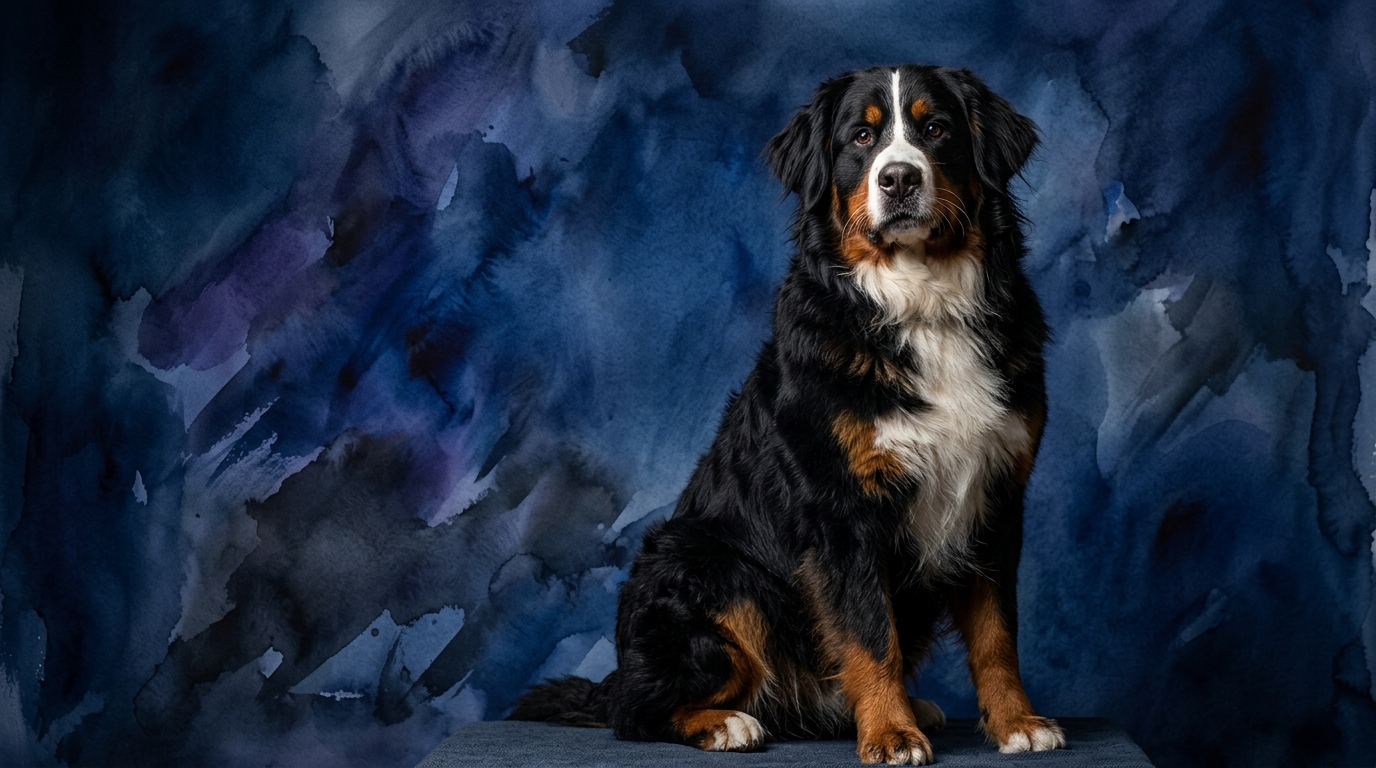
In contrast, the Bernese Mountain Dog holds a Coren rank #27, still a respectable position, highlighting its own distinct cognitive strengths. Its IQ profile includes: Problem Solving (3/5), suggesting a more deliberate approach to new challenges, often benefiting from human guidance; Training Speed (4/5), indicating a commendable, though not rapid, pace of learning and responsiveness to instruction; Social Intelligence (5/5), marking an extraordinary capacity for empathy and understanding human emotional states; Instinctive Drive (4/5), showing a solid, inherent motivation for companionship and gentle, purposeful work; and Memory (3/5), signifying an adequate but less robust recall that benefits from consistent reinforcement. The Bernese thrives on connection and collaborative efforts rather than independent problem-solving.
Where the Doberman Pinscher Wins Cognitively
The Doberman Pinscher clearly stands out in areas demanding rapid cognitive processing and sustained mental effort. Their exceptional Problem Solving score of 5/5, contrasted with the Bernese's 3/5, signifies a breed inherently wired to analyze and conquer complex situations independently. Whether it's figuring out how to open a sophisticated puzzle toy or adapting to a new training scenario, the Doberman will often devise a solution with impressive efficiency. This prowess is further bolstered by their perfect 5/5 in Training Speed and Memory; they don't just learn quickly, they retain that learning with remarkable fidelity. This combination allows them to master intricate multi-step commands and maintain precision in performance even after long breaks. Their 5/5 Instinctive Drive also means they approach tasks with an intense focus and inherent motivation, making them formidable partners in specialized roles that require unwavering dedication and intellectual rigor, from protection work to competitive obedience.
Where the Bernese Mountain Dog Wins Cognitively
Conversely, the Bernese Mountain Dog shines brightly in the realm of social and emotional understanding, securing a perfect 5/5 in Social Intelligence where the Doberman scores 4/5. This higher social acumen means the Bernese is exceptionally attuned to the subtle cues of human communication, including body language, vocal tone, and emotional states. They possess a remarkable capacity for empathy, often appearing to intuit their owner's feelings and respond with a comforting presence. This makes them profoundly connected companions, capable of forming deep, reciprocal bonds. While their problem-solving might be more deliberate, their social intelligence allows them to navigate complex family dynamics with grace, offering emotional support and adapting their behavior based on the mood of the household. Their cognitive strength lies in their ability to integrate seamlessly into human social structures, fostering harmony and companionship, making them quintessential family dogs.
Which is Easier to Train and Why
From a purely technical standpoint, the Doberman Pinscher generally presents as an easier breed to train for obedience and complex tasks due to their superior Training Speed (5/5) and Memory (5/5). They grasp new concepts with fewer repetitions and retain information over extended periods, making the initial learning phase remarkably swift and subsequent refreshers less frequent. Their high Instinctive Drive (5/5) also means they are often eager to work and please, providing inherent motivation for training sessions. However, this ease comes with the caveat that their strong drive and problem-solving skills mean they require consistent, engaging training to prevent them from applying their intellect to undesirable behaviors. The Bernese Mountain Dog, with a Training Speed of 4/5 and Memory of 3/5, requires a more patient and consistent approach. While they are willing learners, they may need more repetitions and frequent reinforcement to solidify commands. Their excellent Social Intelligence (5/5), however, makes them highly responsive to positive reinforcement and bond-based training methods, thriving on praise and affection. For owners who value a collaborative, emotionally connected training process, the Bernese can be very rewarding, even if the pace is slightly slower.
Which Suits Active Owners vs. Relaxed Owners
The choice between these two breeds largely hinges on an owner's lifestyle and energy levels. The Doberman Pinscher is an ideal match for active owners who can provide substantial physical exercise and, crucially, consistent mental stimulation. Their high Instinctive Drive (5/5) and Problem Solving (5/5) mean they thrive when given a 'job' to do, whether it's advanced obedience, agility, or protection sports. An owner who enjoys daily vigorous walks, runs, or engaging in dog sports will find a Doberman a willing and capable partner. Without adequate outlets for their cognitive and physical energy, Dobermans can become bored and channel their intellect into less desirable behaviors. In contrast, the Bernese Mountain Dog, while still needing regular exercise to maintain health and happiness, generally suits a more relaxed, yet still engaged, owner. Their Instinctive Drive (4/5) is substantial but often manifests as a desire for companionship and gentle activity, such as leisurely walks, hikes, or carting. They are content with being a central part of family life and do not typically demand the same intensity of mental challenges or physical exertion as a Doberman. Owners who prefer a calm, affectionate companion for walks and family time will find the Bernese a better fit.
The Verdict
For owners seeking a highly responsive, quick-learning partner capable of excelling in demanding tasks and intricate training, the Doberman Pinscher is an exceptional choice, provided they can commit to fulfilling its profound need for mental and physical engagement.
If your priority is a deeply empathetic, socially intelligent companion who thrives on close family bonds and a more deliberate, affectionate approach to life, then the Bernese Mountain Dog will be a wonderfully rewarding addition.
🧠 Find Your Pet's IQ Score
Our Pet IQ Lab assessment covers 25+ tests across 5 cognitive dimensions — personalized to your breed.
Take the Full IQ Test →Frequently Asked Questions
Are Doberman Pinschers good family dogs despite their guarding instincts?
Absolutely, with proper socialization and training, Doberman Pinschers can be devoted and protective family members. Their strong social intelligence, while not as outwardly demonstrative as a Bernese, allows them to form strong bonds and understand their role within the family structure.
Do Bernese Mountain Dogs need a lot of exercise, given their size?
Bernese Mountain Dogs require regular, moderate exercise to stay healthy, but they don't demand the intense activity levels of many other working breeds. Daily walks, playtime, and opportunities for gentle outdoor exploration are usually sufficient to keep them content.
Which breed is better suited for a first-time dog owner?
The Bernese Mountain Dog is generally more forgiving for first-time owners due to their higher social intelligence and more relaxed demeanor, making training more manageable with patience. The Doberman Pinscher's intense drive and quick learning require a more experienced hand to channel their cognitive abilities constructively.