Side-by-Side Cognitive Profile
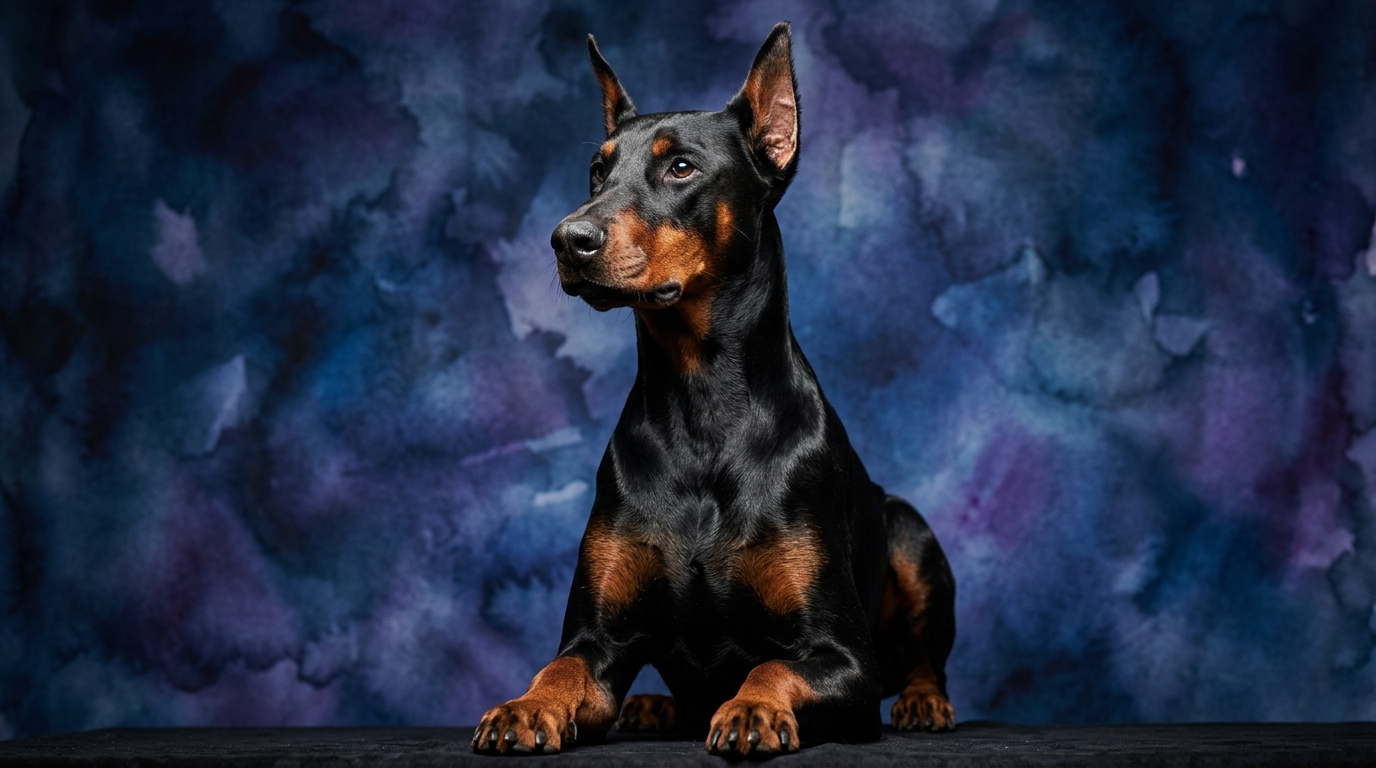
The Cosmic Pet Pet IQ Lab employs a five-dimensional framework to assess canine cognition, offering a granular view of each breed's mental landscape. For the Doberman Pinscher (Working Group, Coren Rank #5), their profile paints a picture of a highly engaged and capable learner: Problem Solving 5/5, Training Speed 5/5, Social Intelligence 4/5, Instinctive Drive 5/5, and Memory 5/5. This collection of scores suggests a dog built for purpose and partnership, readily absorbing information and keen to apply it.
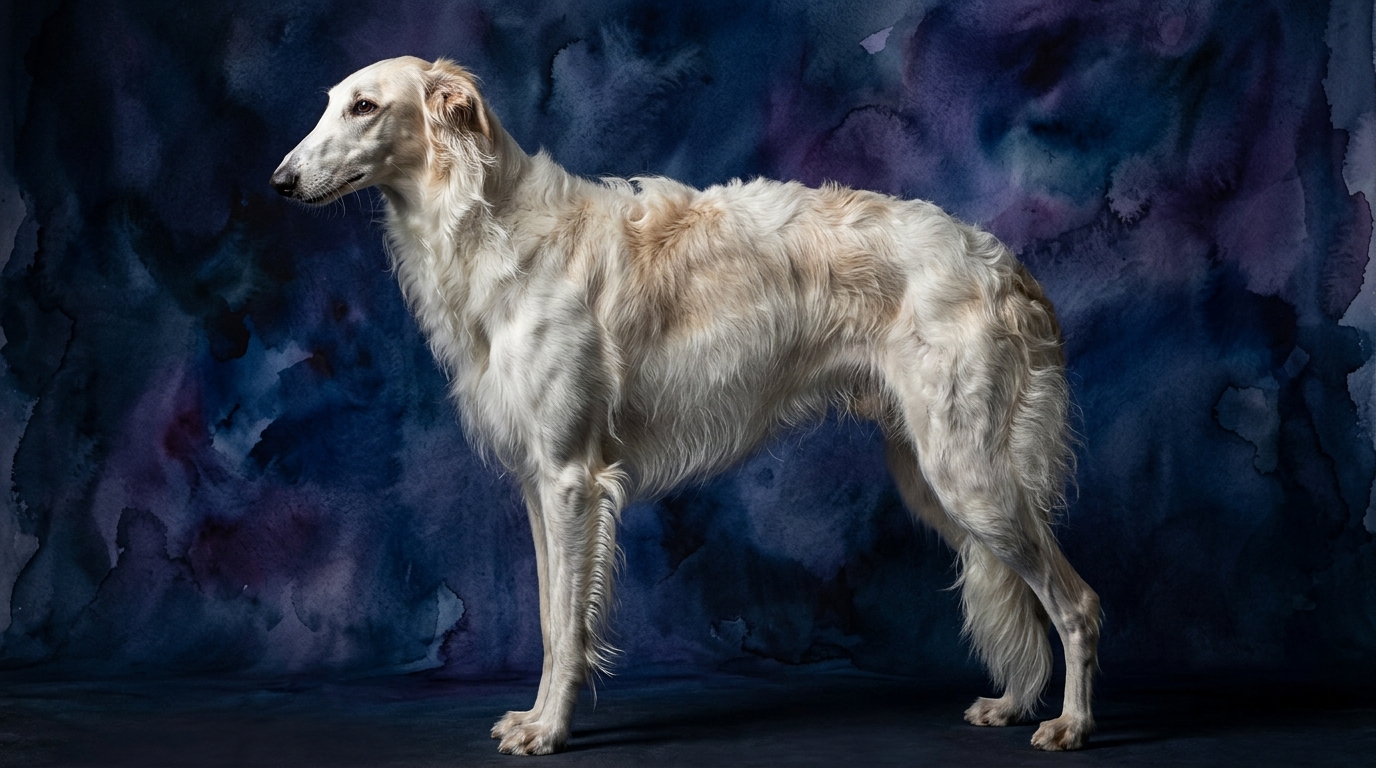
In contrast, the Borzoi (Hound Group, Coren Rank #75) presents a different cognitive blueprint: Problem Solving 3/5, Training Speed 3/5, Social Intelligence 3/5, Instinctive Drive 3/5, and Memory 3/5. These scores do not indicate a lack of mental capacity, but rather a distinct emphasis on specialized, independent thought processes rooted in their sighthound heritage. Their cognitive strengths lie in areas that might not always align with human-directed tasks.
Where the Doberman Pinscher Shines Cognitively
The Doberman Pinscher's cognitive framework is tailored for active engagement and rapid assimilation of new information. Their Problem Solving score of 5/5 means they are adept at navigating complex environments, deciphering multi-step commands, and even figuring out how to open latches or manipulate objects to achieve a goal. This mental agility makes them excellent candidates for advanced obedience, protection work, and intricate dog sports.
Their 5/5 Training Speed is a testament to their capacity to grasp new concepts with remarkable efficiency, often requiring fewer repetitions than many other breeds. Coupled with a 5/5 Memory, a Doberman retains learned behaviors and routines over extended periods, making consistent performance a hallmark. The 5/5 Instinctive Drive fuels their desire for a 'job' or purpose, channeling their mental energy into productive activities, while their 4/5 Social Intelligence allows them to read and respond to human cues with considerable accuracy, fostering a deep, communicative partnership.
Where the Borzoi Excels Cognitively
While the Borzoi's scores are generally lower in human-centric cognitive dimensions, their strengths are profound within their specialized sighthound role. Their 3/5 Problem Solving manifests not in puzzle-solving for human amusement, but in swift, independent decision-making during a chase, navigating terrain, and anticipating prey movement with precision. This is a form of practical, situational intelligence that prioritizes self-reliance.
The Borzoi’s 3/5 Social Intelligence, though not as overtly demonstrative as some breeds, indicates a discerning and observant nature. They form deep, quiet bonds, reading subtle environmental and emotional cues without needing constant interaction. Their 3/5 Instinctive Drive is intensely focused on the pursuit instinct; when a visual trigger presents itself, their cognitive resources are entirely dedicated to that chase, showcasing a highly specialized mental focus. Their 3/5 Memory is sufficient for remembering routines, people, and familiar environments, supporting their generally calm and adaptable demeanor in their home territory, allowing them to retain vital information without being overstimulated by every detail.
Training Dynamics: Doberman Pinscher vs. Borzoi
When it comes to training, the Doberman Pinscher often presents a more straightforward path for owners due to their exceptional 5/5 Training Speed and 5/5 Memory. They possess an eagerness to engage and a strong desire to understand and comply with human directives. Their high Social Intelligence (4/5) means they are attuned to their handler's intentions and thrive on structured interaction. Dobermans absorb commands quickly, remember them reliably, and generally enjoy the mental stimulation that training provides, making them highly responsive to consistent, positive reinforcement methods.
The Borzoi, with its 3/5 Training Speed and 3/5 Memory, requires a different approach. Their sighthound heritage instills a strong independent streak; they were bred to make decisions autonomously during a hunt, not to constantly seek human instruction. This means they might understand a command but choose not to perform it if their motivation isn't sufficiently engaged, or if a more compelling instinct (like a visual lure) takes precedence. Training a Borzoi demands patience, creativity, and a deep understanding of their independent nature, focusing on positive reinforcement and making sessions engaging to counteract their potential for disinterest in repetitive tasks. Consistency is paramount, as is a secure environment to manage their strong prey drive.
Matching Breeds to Lifestyles: Active vs. Relaxed Owners
The Doberman Pinscher is an ideal companion for active owners who relish consistent engagement and structured activities. Their 5/5 Instinctive Drive, coupled with their problem-solving prowess and rapid learning, means they thrive when given a 'job' or a purpose. Owners who enjoy activities like advanced obedience, agility, protection sports, long runs, or demanding hikes will find a Doberman to be an enthusiastic and capable partner. They require significant mental and physical stimulation to prevent boredom and channel their considerable energy constructively.
For owners seeking a more relaxed, yet still active, companion, the Borzoi offers a distinct appeal. While they do require regular opportunities for bursts of high-speed running to satisfy their sighthound instincts, especially in securely fenced areas, their overall demeanor indoors is often calm and observant. Their 3/5 social intelligence means they are content with quiet companionship and do not demand constant interaction or intricate mental games. They appreciate lounging and observing their surroundings, making them suitable for owners who enjoy a more serene home environment but are committed to providing dedicated outdoor exercise time for their magnificent sprints.
The Verdict
Choose the Doberman Pinscher if you seek a highly engaged canine partner for structured activities, protection, and consistent training challenges. Their drive for purpose and rapid learning make them excellent for owners committed to providing consistent mental and physical stimulation.
Opt for the Borzoi if you appreciate a discerning, independent companion with bursts of athletic energy, valuing quiet observation over constant interaction. They thrive with patient owners who understand their sighthound nature and provide secure spaces for their innate running instincts.
🧠 Find Your Pet's IQ Score
Our Pet IQ Lab assessment covers 25+ tests across 5 cognitive dimensions — personalized to your breed.
Take the Full IQ Test →Frequently Asked Questions
Is a Borzoi difficult to train compared to a Doberman Pinscher?
Yes, a Borzoi generally presents more training challenges due to its independent sighthound nature and lower training speed score (3/5 vs. Doberman's 5/5). They often require more patience, consistent positive reinforcement, and understanding that their primary drive isn't always human-directed obedience.
Which breed is better for a first-time dog owner?
The Doberman Pinscher, with its strong working drive and need for experienced guidance, can be a handful for a novice owner. The Borzoi, while independent, is generally more mellow indoors but still requires understanding of its sighthound traits. Neither is typically recommended as an 'easy' first dog, but the Doberman's intensity often demands more prior experience.
Do Dobermans and Borzoi have similar exercise needs?
While both breeds require regular exercise, their *type* of exercise differs significantly. Dobermans thrive on structured activities, long walks, and mental tasks, whereas Borzoi need opportunities for bursts of high-speed running in a securely fenced area to satisfy their sighthound instincts, alongside more moderate daily walks.