Side-by-Side Pet IQ Profile
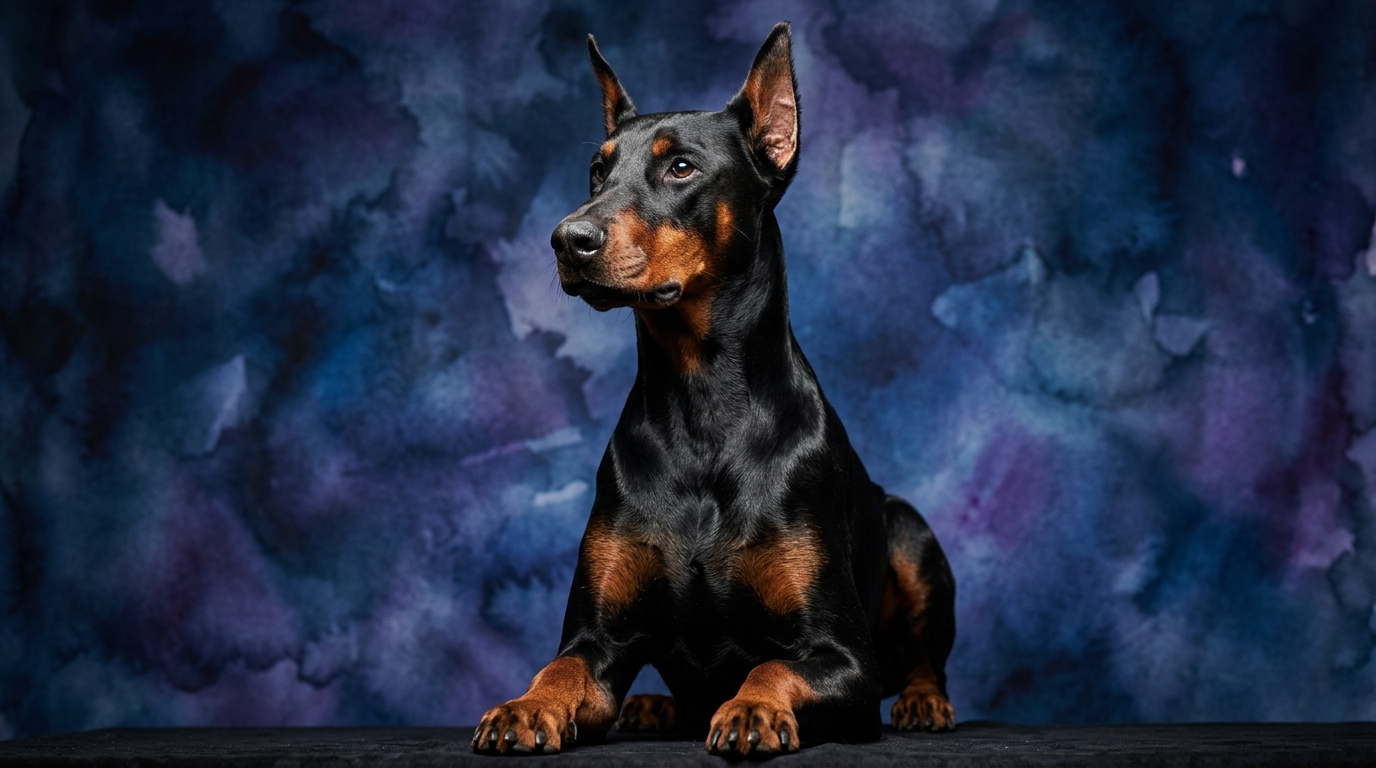
The Doberman Pinscher, with a Coren rank of #5, presents a cognitive profile built for precision and rapid learning: Problem Solving 5/5, Training Speed 5/5, Social Intelligence 4/5, Instinctive Drive 5/5, and Memory 5/5. This suggests a dog with exceptional capacity for complex task assimilation, strategic thinking in novel scenarios, and robust retention of learned information. Their high instinctive drive fuels engagement, while their social intelligence, though strong, is slightly less dominant than their other cognitive attributes.
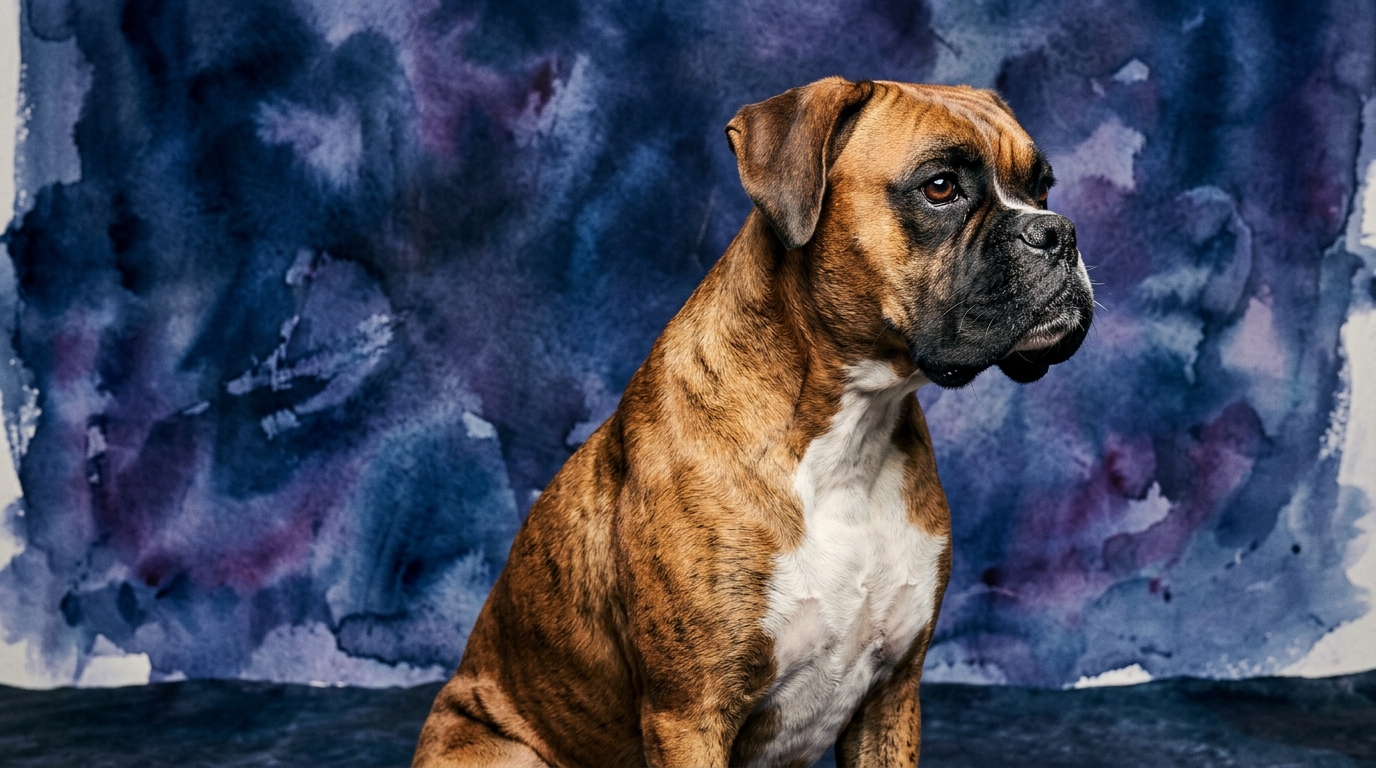
In contrast, the Boxer, holding a Coren rank of #48, shows a profile emphasizing connection and companionship: Problem Solving 3/5, Training Speed 3/5, Social Intelligence 5/5, Instinctive Drive 4/5, and Memory 3/5. This indicates a breed whose strength lies in intuitive social understanding and interaction. While possessing a solid instinctive drive, their capabilities for abstract problem-solving, swift learning, and detailed information retention operate at a more moderate pace, distinguishing them from the Doberman's more task-oriented mind.
Where the Doberman Pinscher Wins Cognitively
The Doberman Pinscher's cognitive architecture positions them as an exceptional canine learner and problem-solver. With a top-tier Problem Solving score of 5/5, they demonstrate an innate ability to assess novel situations, strategize solutions, and adapt their behavior to achieve desired outcomes. This manifests in their aptitude for intricate tasks, such as complex obedience routines, advanced protection work, or navigating agility courses with precision. Their Training Speed, also rated at 5/5, means they grasp new commands and concepts with remarkable swiftness, often requiring fewer repetitions than many other breeds. Furthermore, their perfect 5/5 Memory ensures that once a lesson is learned, it is retained effectively over long periods, allowing for the rapid building of extensive behavioral repertoires. This combination of cognitive speed, depth, and retention makes the Doberman Pinscher particularly adept at roles requiring consistent, high-level mental engagement and precision. Their impressive Coren rank of #5 among all breeds underscores this cognitive superiority in task-oriented learning.
Where the Boxer Wins Cognitively
While the Doberman excels in raw processing speed and problem-solving, the Boxer's cognitive strengths shine brightest in the realm of social interaction. Their Social Intelligence is rated a perfect 5/5, indicating an exceptional capacity to read and respond to human emotions, understand social hierarchies, and integrate seamlessly into family dynamics. This translates into a dog that is often described as intuitive, empathetic, and particularly adept at forming strong, affectionate bonds with their human companions. Boxers thrive on interaction and often use their social acumen to solicit attention or communicate their needs effectively. Their Instinctive Drive, at 4/5, is robust, providing them with ample motivation for play and engagement, but it is often channeled through a desire for companionship rather than purely task-oriented work. This blend of high social intelligence and a solid, companion-focused drive makes the Boxer an outstanding family dog, excelling in environments where emotional connection and interactive play are prioritized over complex, solitary problem-solving challenges.
Which is Easier to Train and Why
When evaluating ease of training, the Doberman Pinscher, with its 5/5 Training Speed, generally presents a smoother and faster learning curve. This breed processes new information and associates commands with actions with exceptional efficiency. A Doberman often requires only a few repetitions to solidify a new behavior, making advanced obedience, precision sports, or specialized working roles highly attainable. Their high Problem Solving score also means they can generalize learned behaviors to new contexts and even figure out solutions to novel training challenges. Conversely, the Boxer, with a 3/5 Training Speed, requires more patience and consistency. While eager to please due to their high social intelligence, they may take longer to grasp new concepts and commands, demanding more repetitions and creative motivation from their handler. Their training might feel like a more gradual process, but their strong desire for connection can still make them willing participants. The key behavioral difference lies in the Doberman's rapid cognitive processing and retention versus the Boxer's more deliberate learning pace, compensated by their social eagerness.
Which Suits Active Owners vs. Relaxed Owners
The Doberman Pinscher is unequivocally suited for active owners who are prepared to provide not just physical exercise but also substantial and consistent mental stimulation. Their 5/5 Problem Solving, 5/5 Training Speed, and 5/5 Memory mean they thrive on structured activities, complex training regimens, and roles that challenge their cognitive abilities daily. Owners who appreciate canine sports like agility, obedience trials, protection work, or even intricate puzzle toys will find a Doberman a willing and capable partner. A Doberman requires an owner who understands their need for purpose and who can channel their intense instinctive drive (5/5) into productive outlets. Conversely, a Boxer, while still an active breed requiring regular physical exercise, can be a better fit for owners whose primary focus is companionship and interactive play, rather than constant, high-level cognitive work. Their 3/5 Problem Solving and Training Speed mean they don't demand the same intensity of mental challenge. While they enjoy learning, their cognitive needs are more easily met through engaging play, social interaction, and consistent basic training. A Boxer's high social intelligence (5/5) means they need an owner who is present and interactive, but perhaps less focused on advanced, complex cognitive tasks. They can adapt to a slightly more relaxed approach to mental stimulation, as long as their physical and social needs are met.
The Verdict
Choose the Doberman Pinscher if you are an experienced owner seeking a highly capable working partner for demanding cognitive tasks, advanced training, and structured activities where rapid learning and precision are paramount.
Choose the Boxer if you prioritize a deeply social, affectionate companion who thrives on interaction and play, and you are prepared for a more patient, consistent training approach focused on building strong bonds.
🧠 Find Your Pet's IQ Score
Our Pet IQ Lab assessment covers 25+ tests across 5 cognitive dimensions — personalized to your breed.
Take the Full IQ Test →Frequently Asked Questions
Do Doberman Pinschers get bored easily if not mentally challenged?
Yes, Doberman Pinschers, with their 5/5 Problem Solving and 5/5 Instinctive Drive, require consistent mental engagement. Without adequate cognitive stimulation, they can become restless or develop undesirable behaviors stemming from under-stimulation.
Are Boxers good family dogs despite their moderate training speed?
Absolutely. Boxers excel as family dogs due to their 5/5 Social Intelligence. While their training speed is 3/5, their eager-to-please nature and strong desire for companionship make them dedicated and affectionate members of a household, especially with patient, consistent training.
How does Coren rank relate to the specific IQ scores for these breeds?
The Coren rank provides an overall measure of a breed's working and obedience intelligence. The Doberman Pinscher's rank of #5 aligns with its exceptional scores in Problem Solving, Training Speed, and Memory, while the Boxer's rank of #48 reflects its more moderate scores in these task-oriented cognitive dimensions, balanced by its superior social intelligence.