
The Cosmic Pet IQ Profile: Doberman Pinscher vs. English Bulldog
The Cosmic Pet Pet IQ Lab provides a nuanced framework for understanding canine cognition, assessing five crucial dimensions. For the Doberman Pinscher, the scores reveal a formidable cognitive architecture: Problem Solving 5/5, Training Speed 5/5, Social Intelligence 4/5, Instinctive Drive 5/5, and Memory 5/5. This profile paints a picture of a dog engineered for complex tasks and rapid learning, exhibiting a profound capacity to process and respond to its environment with precision and purpose.
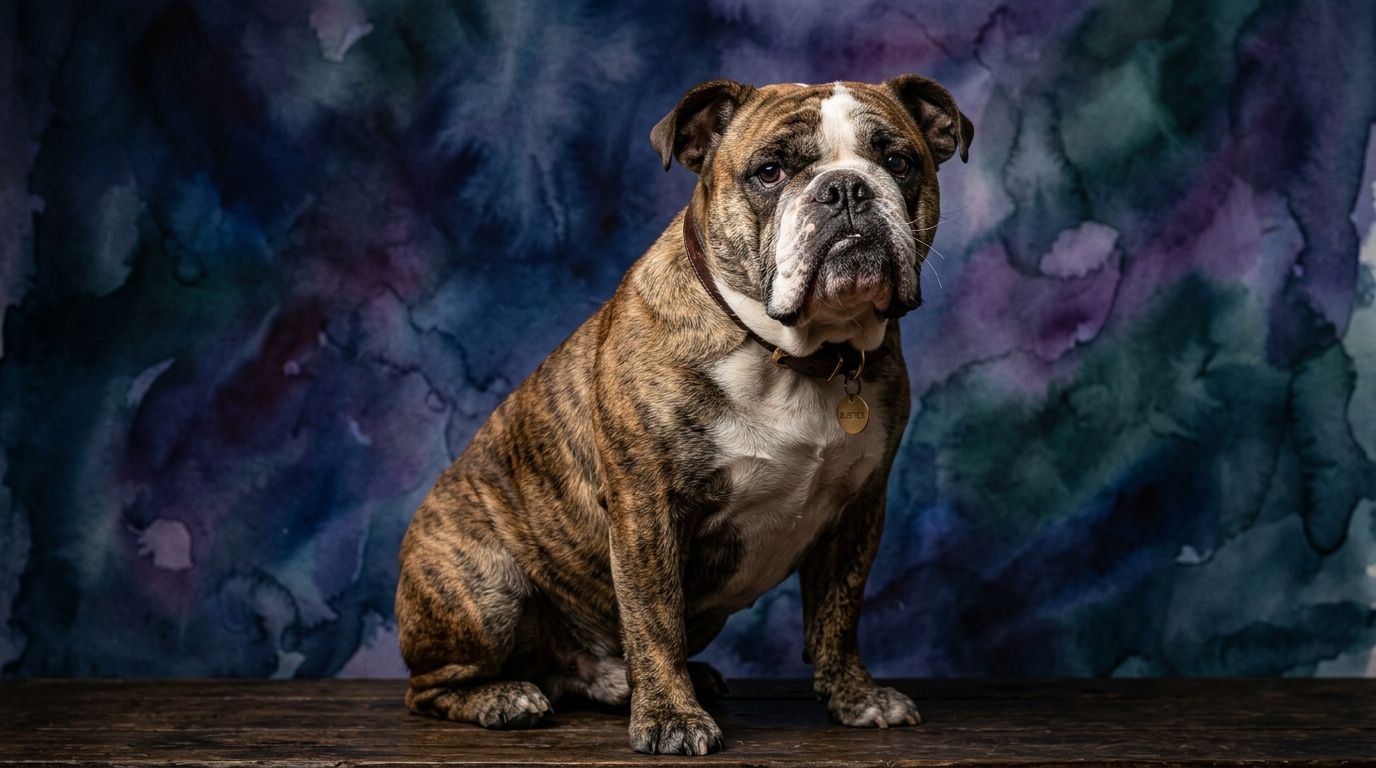
In contrast, the English Bulldog presents a distinctly different cognitive blueprint. Its scores are Problem Solving 2/5, Training Speed 2/5, Social Intelligence 4/5, Instinctive Drive 3/5, and Memory 2/5. While its overall Coren rank of #77 places it much lower than the Doberman's #5, it's crucial to understand these scores not as a deficit, but as indicators of a different set of predispositions and strengths. The Bulldog's profile suggests a companion focused on comfort and social connection, rather than high-octane mental exertion or intricate problem-solving.
Where the Doberman Pinscher Excels Cognitively
The Doberman Pinscher's cognitive strengths are evident across multiple dimensions, particularly in its Problem Solving (5/5), Training Speed (5/5), and Memory (5/5). These scores indicate a breed that approaches novel situations with a keen analytical mind, capable of quickly understanding cause-and-effect relationships and formulating effective responses. For instance, a Doberman presented with a complex puzzle toy will likely engage with it methodically, learning the mechanisms through trial and success with remarkable efficiency, retaining that knowledge for future encounters.
Its exceptional Training Speed means a Doberman can acquire new commands and behaviors with minimal repetition, often grasping concepts after just a few sessions. This isn't merely about obedience; it reflects a deep capacity for associative learning and an eagerness to engage in structured mental activity. Coupled with a perfect Memory score, once a Doberman learns a task, it tends to retain that information with enduring accuracy, making it an incredibly reliable partner for advanced obedience, canine sports, or specialized working roles where consistent performance is paramount. The 5/5 Instinctive Drive further fuels this, providing an inherent motivation for purposeful engagement and activity, whether it's tracking, protection work, or competitive agility.
Where the English Bulldog Shines Cognitively
While the English Bulldog's scores in problem-solving and training speed are lower, its cognitive strengths lie in areas that foster deep companionship and a distinct approach to life. Its Social Intelligence, scoring a respectable 4/5, highlights a profound capacity for emotional attunement and forming strong bonds with its human family. Bulldogs are adept at reading subtle cues from their owners, often anticipating needs for comfort or companionship without overt commands. This isn't about performing tricks, but about being a deeply present and responsive emotional anchor.
The Bulldog’s Instinctive Drive, at 3/5, while not geared towards intense physical or mental work, manifests as a strong preference for routine, comfort, and close social interaction. This drive translates into a steadfast presence and a predictable, calming influence within the home. Their approach to Problem Solving (2/5) is often characterized by persistence rather than rapid analytical thought; they might eventually figure out a simple task through repeated attempts, driven by a desire for a treat or a cozy spot. This deliberate pace, combined with their 2/5 Memory, means they benefit from consistent routines and patient reinforcement, developing a nuanced understanding of their immediate environment and the rhythms of their family life.
Training: A Tale of Two Temperaments
The stark differences in Training Speed and Problem Solving scores between the Doberman Pinscher and the English Bulldog lead to vastly different training experiences. A Doberman, with its 5/5 Training Speed and Problem Solving, is often perceived as a 'fast learner.' It quickly connects a command to an action and excels in structured training environments, eager to please and driven by its high instinctive drive. Behavioral differences include a strong focus during sessions, rapid generalization of learned behaviors to new contexts, and an intrinsic motivation for mental challenges. They thrive on complex sequences and advanced obedience, often requiring new challenges to remain engaged.
Conversely, training an English Bulldog, with its 2/5 in both Training Speed and Problem Solving, demands immense patience, positive reinforcement, and a deep understanding of its unique motivations. Bulldogs tend to be more deliberate and can appear 'stubborn' not out of defiance, but due to a slower processing speed and a strong preference for comfort over exertion. Training relies heavily on leveraging their social intelligence (4/5) and their moderate instinctive drive (3/5) for food or affection. Consistency is key, and while they can learn basic commands, the process is iterative, requiring frequent, short, and highly rewarding sessions. Their memory (2/5) means refreshers are often necessary, and training success often comes from making the desired behavior the most comfortable and rewarding option.
Matching Canine Cognition to Owner Lifestyles
The cognitive profiles of these two breeds naturally align with very different owner lifestyles. The Doberman Pinscher, with its exceptional problem-solving, rapid training speed, high instinctive drive, and superb memory, is an ideal companion for active, engaged owners who seek a canine partner for specific purposes. These dogs thrive in environments where their mental and physical faculties are regularly challenged, whether through advanced obedience, protection training, canine sports like agility or dock diving, or even as service animals. Owners who enjoy structured activities, consistent training, and providing a clear 'job' for their dog will find the Doberman to be an incredibly rewarding and responsive companion, constantly seeking to engage and learn.
The English Bulldog, on the other hand, with its lower scores in problem-solving and training speed, but strong social intelligence and moderate drive, is perfectly suited for more relaxed owners who appreciate a calm, affectionate, and steadfast companion. These dogs are happiest in a home where routine and comfort are prioritized, and where a loving presence is more valued than athletic prowess or complex mental gymnastics. Owners who enjoy quiet evenings, gentle strolls, and a dog whose primary 'job' is to offer unwavering companionship will find the Bulldog to be a perfect fit. While they still benefit from basic training and socialization, the emphasis is on bonding and integrating them into the family's relaxed rhythm, rather than pushing them towards high-performance tasks.
The Verdict
Choose the Doberman Pinscher if you are an active owner seeking a highly trainable, purposeful partner for advanced activities, thriving on mental and physical challenges. This breed excels with consistent training and a dedicated role.
Opt for the English Bulldog if you are a relaxed owner desiring a calm, affectionate, and steadfast companion who thrives on routine, comfort, and deep social bonds. This breed offers profound companionship with less demand for high-intensity engagement.
🧠 Find Your Pet's IQ Score
Our Pet IQ Lab assessment covers 25+ tests across 5 cognitive dimensions — personalized to your breed.
Take the Full IQ Test →Frequently Asked Questions
Does a Bulldog's lower IQ score mean it cannot be trained?
Absolutely not. A Bulldog's 2/5 Training Speed and Problem Solving scores simply mean training requires more patience, repetition, and highly motivating rewards. They can learn basic obedience and household manners effectively, though complex tasks will be challenging.
How does the Doberman's high instinctive drive manifest in daily life?
A Doberman's 5/5 Instinctive Drive translates to a strong need for purpose and activity. This can manifest as an eagerness for training, a desire to 'work' alongside its owner, or a propensity for focused play, requiring consistent mental and physical outlets to remain content.
Can an English Bulldog adapt to new environments or routines easily?
With a 2/5 Memory and 2/5 Problem Solving, English Bulldogs generally prefer established routines and familiar environments. While they can adapt, changes may require more time, patience, and positive reinforcement to help them settle and feel secure.