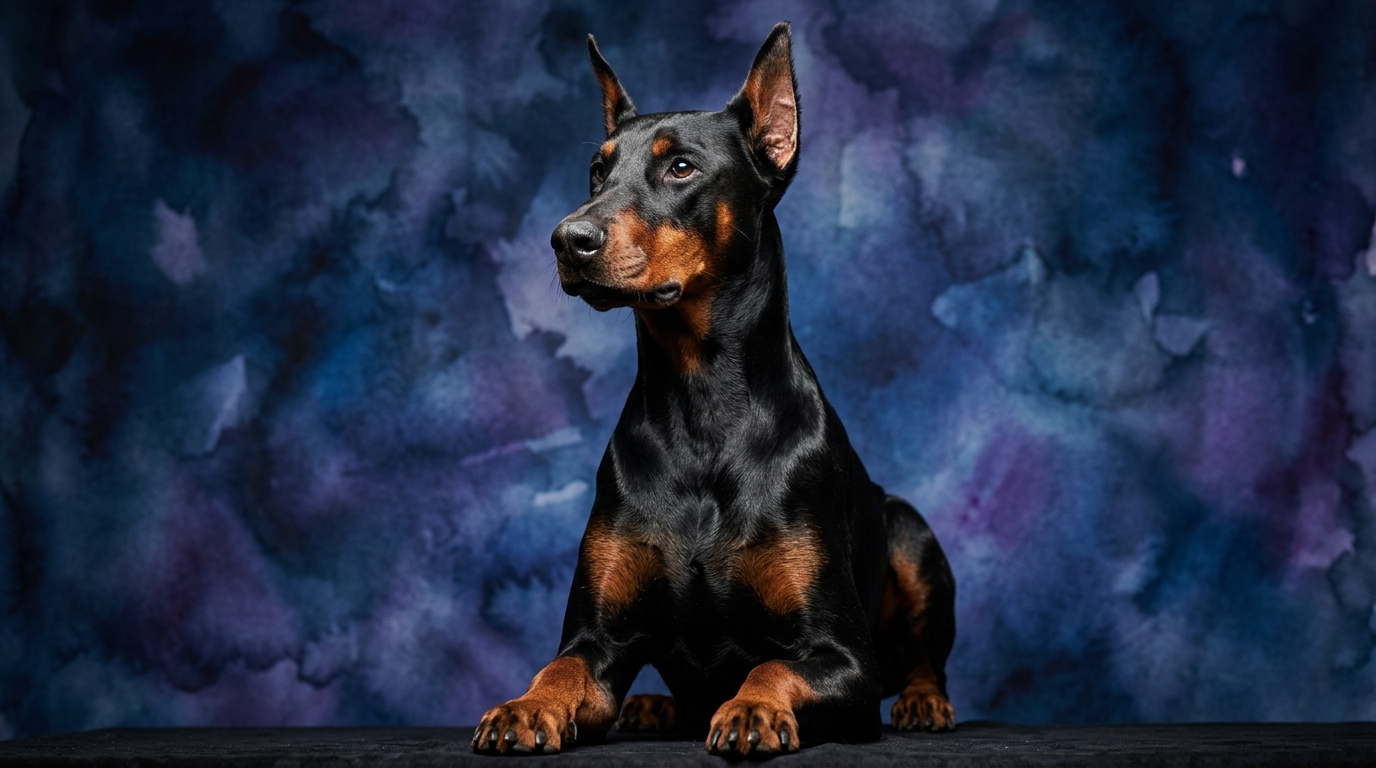
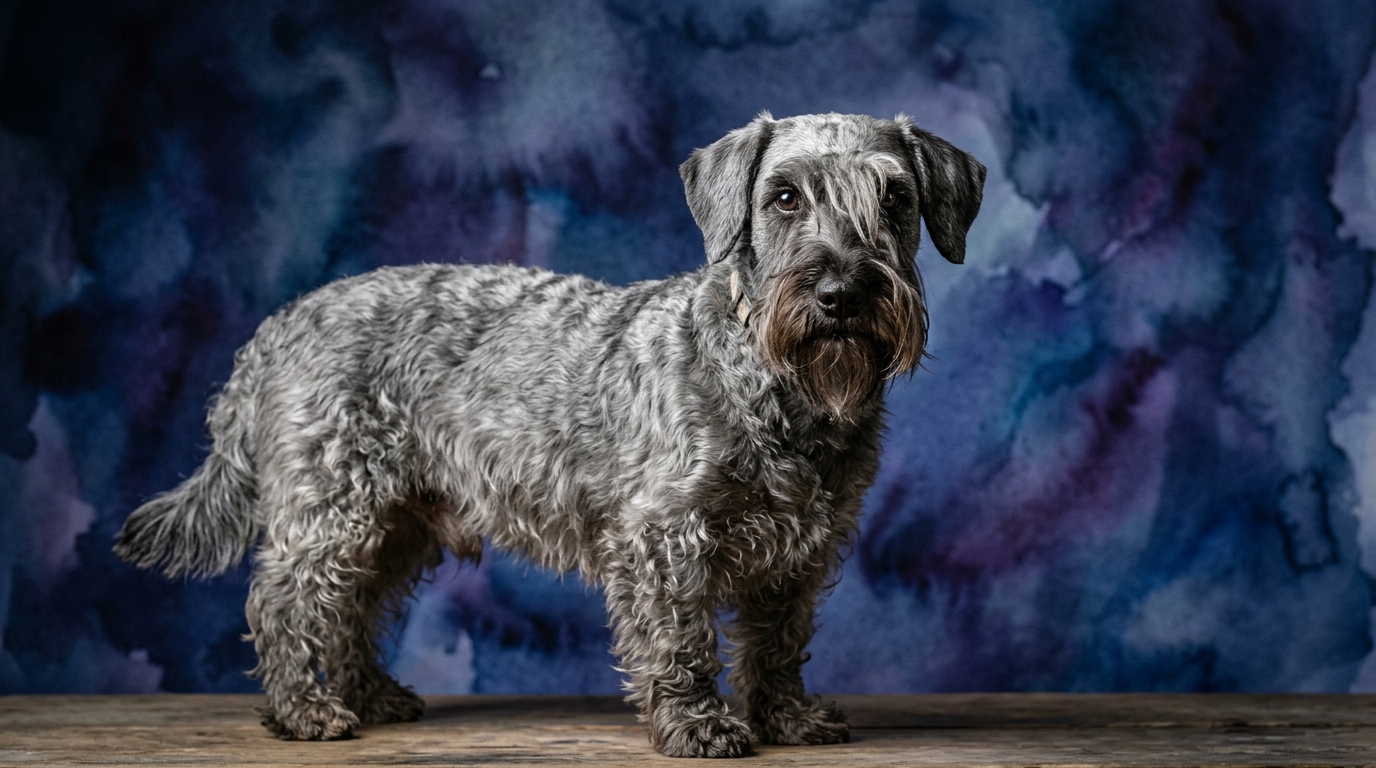
Side-by-Side IQ Profile: Doberman Pinscher vs. Cesky Terrier
The Doberman Pinscher, a Working group dog, consistently demonstrates a profound capacity for cognitive tasks, earning a Coren rank of #5 among breeds. Our Pet IQ Lab assessment scores them 5/5 in Problem Solving, indicating an exceptional ability to analyze situations, devise solutions, and navigate complex environments. Their Training Speed also rates 5/5, reflecting their eagerness to absorb new commands and routines with minimal repetition. In Social Intelligence, Dobermans achieve a 4/5, suggesting a strong awareness of human cues and pack dynamics, though perhaps with a focused loyalty rather than broad social adaptability. Their Instinctive Drive is a commanding 5/5, rooted in their heritage as protection and working dogs, manifesting as a powerful urge to perform tasks and guard. Finally, their Memory scores a perfect 5/5, allowing them to retain vast amounts of information, from commands to routines and social interactions.
In contrast, the Cesky Terrier, a member of the Terrier group, presents a different cognitive landscape. While not Coren-ranked, our Pet IQ Lab scores provide insight into their mental makeup. They receive a 3/5 in Problem Solving, indicating they can navigate challenges but may require more time or simpler solutions compared to more complex thinkers. Their Training Speed is also 3/5, suggesting they are trainable but might require more patience and consistency to solidify new behaviors. Social Intelligence for the Cesky Terrier is rated 3/5, pointing to a capacity for bonding with their family but potentially exhibiting a more reserved or selective social demeanor. Instinctive Drive, at 3/5, reflects their terrier heritage of hunting and digging, but perhaps with less intensity or broader application than a working breed. Their Memory, also 3/5, means they can recall information adequately but might not retain as intricate a web of data as some other breeds.
Where the Doberman Pinscher Wins Cognitively
The Doberman Pinscher's cognitive strengths are particularly pronounced in areas demanding rapid acquisition of information and complex application. Their perfect 5/5 scores in Problem Solving, Training Speed, and Memory converge to create an animal capable of mastering intricate multi-step commands and adapting swiftly to new scenarios. For instance, a Doberman can learn a multi-stage agility course with fewer repetitions, extrapolate solutions to novel obstacles, and reliably execute the sequence weeks later. This breed excels in tasks requiring sustained mental engagement and the ability to link cause and effect over time. Their formidable Instinctive Drive, also 5/5, further channels these cognitive abilities into purposeful action, making them exceptionally adept at roles requiring vigilance, protection, or specialized scent work. The Doberman's mind is a finely tuned instrument, built for precision and performance under direction.
Where the Cesky Terrier Wins Cognitively
While the Doberman excels in directed, complex tasks, the Cesky Terrier's cognitive profile, marked by consistent 3/5 scores, demonstrates a different kind of mental resilience and independence. Their Problem Solving, though not as swift, often manifests as a persistent, self-directed approach to challenges, particularly those related to their terrier instincts like locating hidden objects or navigating tight spaces. This isn't about rapid obedience but about resourceful persistence. Their Social Intelligence, while scoring 3/5, leans towards a discerning affection; they form deep bonds within their immediate family, showing a nuanced understanding of their specific human companions rather than a broad, eager-to-please social disposition. This selective social acuity can make them particularly attentive and responsive to their chosen few. The Cesky's moderate Instinctive Drive also means they possess the innate curiosity and drive to explore and engage with their environment without the overwhelming intensity that might require constant redirection in a higher-drive breed, allowing for a more self-contained investigative spirit.
Which Is Easier to Train and Why
Based on their Pet IQ Lab scores, the Doberman Pinscher is unequivocally the easier breed to train. Their 5/5 Training Speed and 5/5 Memory mean they grasp new commands almost instantly and retain them reliably. A Doberman often requires only a few repetitions to understand a new cue and will perform it consistently. Their high Social Intelligence (4/5) and Instinctive Drive (5/5) make them eager to work alongside their human partners, seeking to understand and fulfill expectations. This translates into a dog that thrives on structure, clear communication, and consistent reinforcement, quickly becoming proficient in obedience, sports, or complex service tasks.
The Cesky Terrier, with 3/5 scores in Training Speed and Memory, presents a different training experience. While trainable, they will require more patience, consistency, and creative motivation. Their terrier independence means they might question the necessity of a command or be more easily distracted by environmental stimuli, such as interesting scents or sounds. Training a Cesky often involves breaking tasks into smaller steps, using positive reinforcement to make learning fun, and understanding that immediate, flawless execution might not be their primary mode. Their lower instinctive drive for directed work means their motivation is often internal or tied to immediate rewards, rather than a strong drive to please or perform complex tasks for their handler's satisfaction alone.
Suitability for Active vs. Relaxed Owners
The Doberman Pinscher is ideally suited for active owners who relish engaging deeply with their dog's mental and physical capabilities. Their high Problem Solving, Instinctive Drive, and Memory demand consistent stimulation; without it, their considerable mental energy can manifest as boredom or destructive behaviors. These dogs thrive in homes where they can participate in structured activities like obedience, agility, protection sports, or extensive hiking. They require an owner who can provide clear leadership, consistent training, and ample opportunities for both mind and body to work. A relaxed owner who prefers minimal dog interaction might find a Doberman's needs overwhelming.
The Cesky Terrier, conversely, can be a better fit for owners who appreciate a companion with a moderate activity level and a more independent streak. While they enjoy walks, playtime, and engaging in their natural terrier instincts like digging or scent exploration, their overall demands for structured mental and physical exertion are lower than a Doberman's. Their 3/5 scores across the board suggest they are content with a balanced routine that includes regular exercise and mental enrichment, but not necessarily intense, high-stakes training or constant direction. They can adapt well to a home that offers a comfortable blend of activity and quiet companionship, making them suitable for owners who might describe themselves as relaxed but still committed to daily engagement.
The Verdict
Opt for a Doberman Pinscher if you are an experienced, active owner seeking a highly trainable, dedicated canine partner for advanced obedience, protection, or dog sports, and are prepared to provide consistent mental and physical challenges.
Select a Cesky Terrier if you appreciate a charming, moderately active companion with a distinctive independent spirit, are patient with training, and desire a loyal family member without the intensity of a high-drive working breed.
🧠 Find Your Pet's IQ Score
Our Pet IQ Lab assessment covers 25+ tests across 5 cognitive dimensions — personalized to your breed.
Take the Full IQ Test →Frequently Asked Questions
Do Doberman Pinschers require more exercise than Cesky Terriers?
Yes, Doberman Pinschers generally require significantly more strenuous physical exercise and mental stimulation due to their high instinctive drive and working heritage, while Cesky Terriers have moderate exercise needs suitable for daily walks and playtime.
Are Cesky Terriers prone to being stubborn during training?
Cesky Terriers can exhibit an independent streak, which some owners might perceive as stubbornness. Their 3/5 training speed means they require patient, consistent, and reward-based methods to make learning engaging and effective.
How do their social intelligence scores impact their interactions with strangers?
A Doberman's 4/5 social intelligence often translates to a discerning but generally accepting demeanor with strangers once their family is deemed safe, while a Cesky Terrier's 3/5 social intelligence might lead to a more reserved or selective approach, preferring the company of their immediate family.