
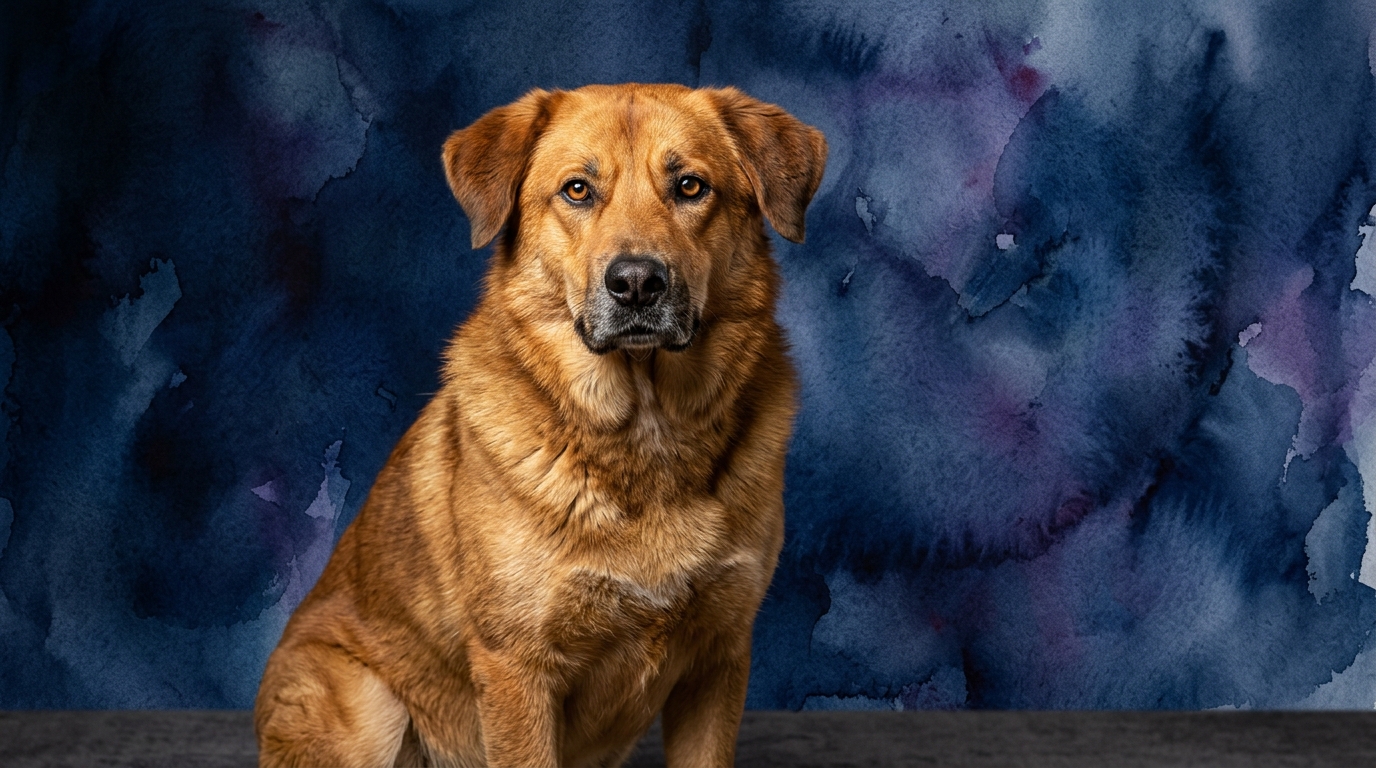
Side-by-Side IQ Profile: Doberman Pinscher vs. Chinook
The Pet IQ Lab's five-dimensional framework provides a detailed look into the mental makeup of these two working breeds. For the Doberman Pinscher, a breed with a Coren rank of #5, their scores are consistently high, reflecting a specific cognitive design. Their Problem Solving is rated 5/5, indicating an exceptional capacity for analytical thought and devising effective solutions to complex challenges. Training Speed also stands at a perfect 5/5, showcasing their remarkable ability to absorb new commands and routines with minimal repetition. Social Intelligence, while slightly lower at 4/5, still points to a sophisticated understanding of human cues and emotional states, fostering deep, communicative bonds. An Instinctive Drive of 5/5 highlights a powerful inherent motivation for tasks, whether protection or sport, and their Memory is a stellar 5/5, ensuring long-term retention of learned behaviors and complex sequences.
In contrast, the Chinook, a breed not Coren-ranked, presents a more balanced and moderate cognitive profile across all dimensions. Their Problem Solving is rated 3/5, suggesting a practical approach to challenges, preferring established routines over intricate, novel strategizing. Training Speed also sits at 3/5, meaning they learn effectively but require consistent, patient repetition rather than instantaneous comprehension. Social Intelligence at 3/5 indicates a direct and attentive connection with their family, understanding basic cues without the nuanced interpretation seen in higher-scoring breeds. Their Instinctive Drive is a moderate 3/5, reflecting a desire for activity and companionship without the intense, singularly focused impetus of a high-drive working dog. Finally, their Memory is rated 3/5, enabling functional retention of familiar commands and routines that are regularly reinforced.
Where the Doberman Pinscher Excels Cognitively
The Doberman Pinscher's cognitive architecture, marked by perfect 5/5 scores in problem-solving, training speed, instinctive drive, and memory, positions them uniquely for roles demanding sharp mental acuity and unwavering focus. Their capacity to rapidly process new information and integrate it into their behavioral repertoire is exceptional, making them outstanding candidates for advanced obedience, intricate protection work, or complex canine sports like Schutzhund. This breed doesn't just learn; it masters concepts with an efficiency that allows for the progression to increasingly intricate tasks, often anticipating handler cues. Their strong instinctive drive ensures a consistent, motivated approach to any challenge, while their superior memory ensures that once a lesson is learned, it is rarely forgotten, providing remarkable consistency and reliability in performance. Their cognitive strengths are geared towards high-level engagement and precision.
Where the Chinook's Cognitive Profile Shines
While the Chinook's scores may appear lower across the board, their cognitive profile represents a distinct advantage for specific lifestyles, prioritizing adaptability and steady companionship over intense working drive. Their moderate instinctive drive (3/5) means they are less prone to single-minded pursuits or the compulsive need for a demanding 'job' that can characterize higher-drive breeds. This translates to a dog that is often more content with varied family activities and less likely to develop behavioral issues stemming from unmet working needs. Their practical problem-solving (3/5) and social intelligence (3/5) contribute to a straightforward, amiable disposition; they are attentive to their people without the intense scrutiny or nuanced demands of a Doberman. This balanced cognitive approach makes them excellent companions for owners seeking a devoted, manageable presence who thrives on consistent interaction without requiring constant, complex mental gymnastics.
Training Dynamics: Doberman Pinscher vs. Chinook
Based on the Pet IQ Lab metrics, the Doberman Pinscher (Training Speed 5/5, Problem Solving 5/5) is unequivocally easier to train in terms of raw acquisition speed and the ability to handle complex commands. They grasp new concepts with astonishing rapidity, often understanding a command after just a few repetitions. This means an owner can progress quickly through training levels, introducing advanced behaviors and chaining commands with relative ease. Their strong memory (5/5) ensures these lessons stick, leading to reliable, consistent performance. A Doberman often thrives on the mental challenge of learning new things, actively engaging in the training process and demonstrating a keen desire to perform correctly.
In contrast, the Chinook (Training Speed 3/5, Problem Solving 3/5) requires a more patient, consistent, and repetitive training approach. While perfectly trainable, they will not absorb new information with the same lightning speed. Owners of Chinooks should be prepared for more sessions dedicated to reinforcing basic commands and gradually building up to more complex tasks, relying on positive reinforcement and clear cues to solidify learning over time. Their learning style is more deliberate, benefiting from a calm, encouraging environment where concepts are presented clearly and without pressure. They respond well to routines and positive reinforcement, steadily building a repertoire of learned behaviors.
Owner Suitability: Active Engagement vs. Relaxed Companionship
The Doberman Pinscher, with its perfect scores in instinctive drive (5/5) and problem-solving (5/5), is ideally suited for highly active owners who can provide substantial daily mental and physical stimulation. This breed thrives when given a purpose, whether it's competitive dog sports, advanced obedience, protection work, or a demanding 'job' within the family structure. A Doberman requires an owner who is committed to channeling their intense focus and sharp intellect; otherwise, their powerful cognitive abilities, if undirected, can lead to destructive behaviors born of boredom or frustration. They need a handler who can match their mental energy and provide consistent, engaging challenges to keep their mind occupied and satisfied.
Conversely, the Chinook, with its moderate instinctive drive (3/5) and problem-solving (3/5), aligns well with active but more relaxed owners. They enjoy regular exercise and outdoor adventures, reflecting their sled dog heritage, but their mental needs are less demanding than a Doberman's. They are content with daily walks, playtime, and being an integrated part of family life without the constant need for complex cognitive challenges or intense, structured training regimens. They are devoted companions who appreciate consistent interaction and a stable routine, making them adaptable to various family dynamics where extreme mental exertion isn't the primary focus.
The Verdict
Choose a Doberman Pinscher if you are an experienced owner seeking an intellectually sharp, highly trainable, and intensely driven partner for advanced activities, protection, or a demanding working role, and are prepared to dedicate significant time to their mental and physical engagement.
Choose a Chinook if you desire a devoted, adaptable, and moderately active companion that thrives on consistent family interaction and regular, but not overwhelmingly intense, physical and mental activity, valuing a steady temperament over extreme cognitive demands.
🧠 Find Your Pet's IQ Score
Our Pet IQ Lab assessment covers 25+ tests across 5 cognitive dimensions — personalized to your breed.
Take the Full IQ Test →Frequently Asked Questions
Does a breed's Coren ranking fully capture its intelligence?
While Coren's ranking is a valuable measure of working and obedience intelligence, it primarily reflects how quickly a dog learns new commands. The Pet IQ Lab's five dimensions, including problem-solving and social intelligence, offer a more nuanced and comprehensive view of a breed's cognitive strengths and predispositions, providing a broader understanding beyond just trainability.
Does a 3/5 IQ score imply a dog is less capable or 'unintelligent'?
Absolutely not. A 3/5 score indicates a functional and practical cognitive profile, perfectly suited for many roles and family environments. It means the dog learns at a moderate pace and solves problems effectively within familiar contexts, rather than possessing the extreme analytical or rapid acquisition abilities of a 5/5 breed. It signifies a different, not deficient, mental make-up.
How do these cognitive differences manifest in a typical home environment?
A Doberman Pinscher will likely actively seek out mental challenges, potentially becoming bored or destructive if not sufficiently stimulated with puzzles, training, or a 'job.' A Chinook, while still needing engagement, will generally be more content with consistent routines, regular exercise, and affectionate family interaction, less prone to 'outthinking' their owner or demanding constant complex tasks.