Side-by-Side Pet IQ Lab Profile
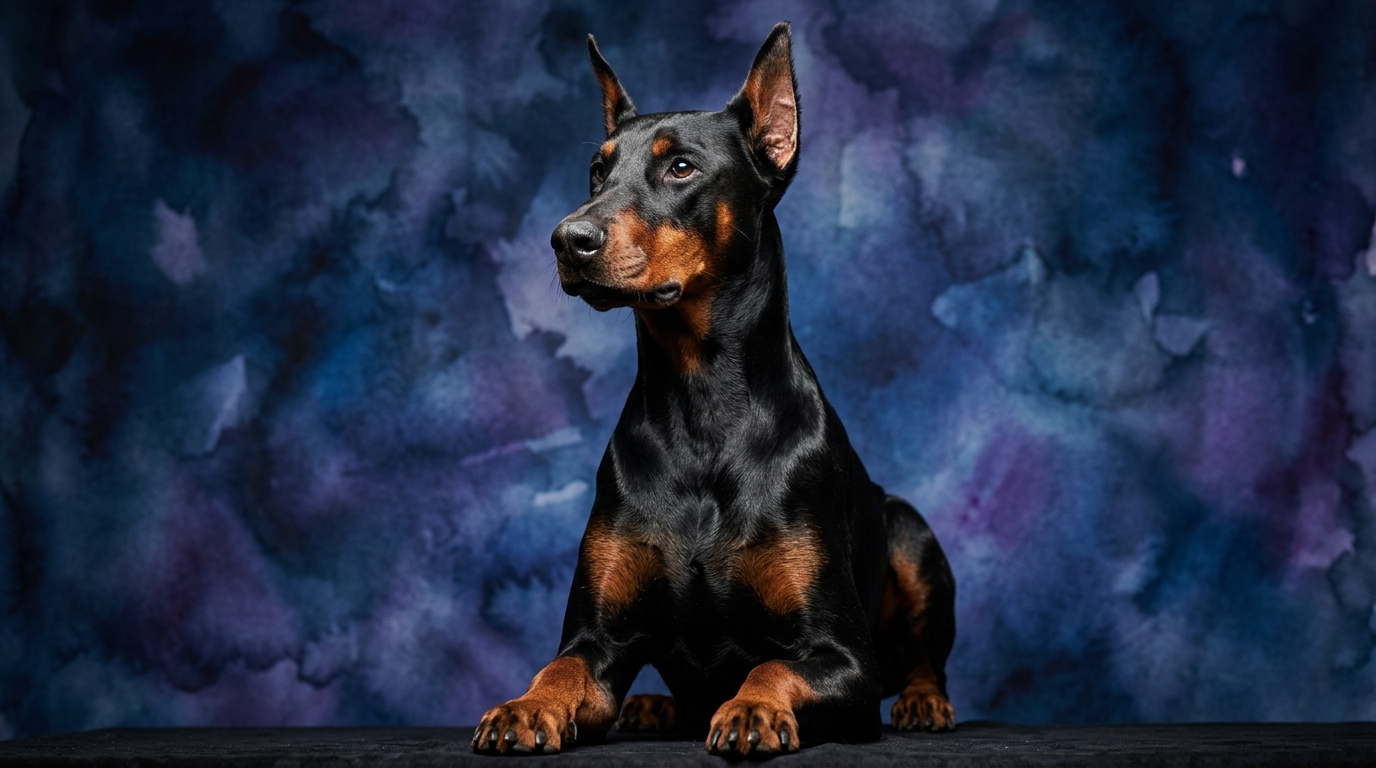
**Doberman Pinscher:** The Doberman's cognitive profile is marked by exceptional mental agility across the board, earning a Coren rank of #5. They demonstrate a 5/5 in Problem Solving, quickly grasping complex tasks and adapting strategies, often exhibiting an impressive ability to figure things out independently. Their Training Speed is also 5/5, allowing them to absorb new commands and routines with remarkable efficiency, often requiring minimal repetition. Coupled with a 5/5 Memory, once a Doberman learns something, they tend to retain it long-term. Their Social Intelligence scores 4/5, indicating a deep understanding of human cues and family dynamics, though their bond is often rooted in partnership rather than constant overt affection. Finally, a 5/5 Instinctive Drive fuels their powerful desire for purpose, protection, and structured activity, making them eager participants in any meaningful task.
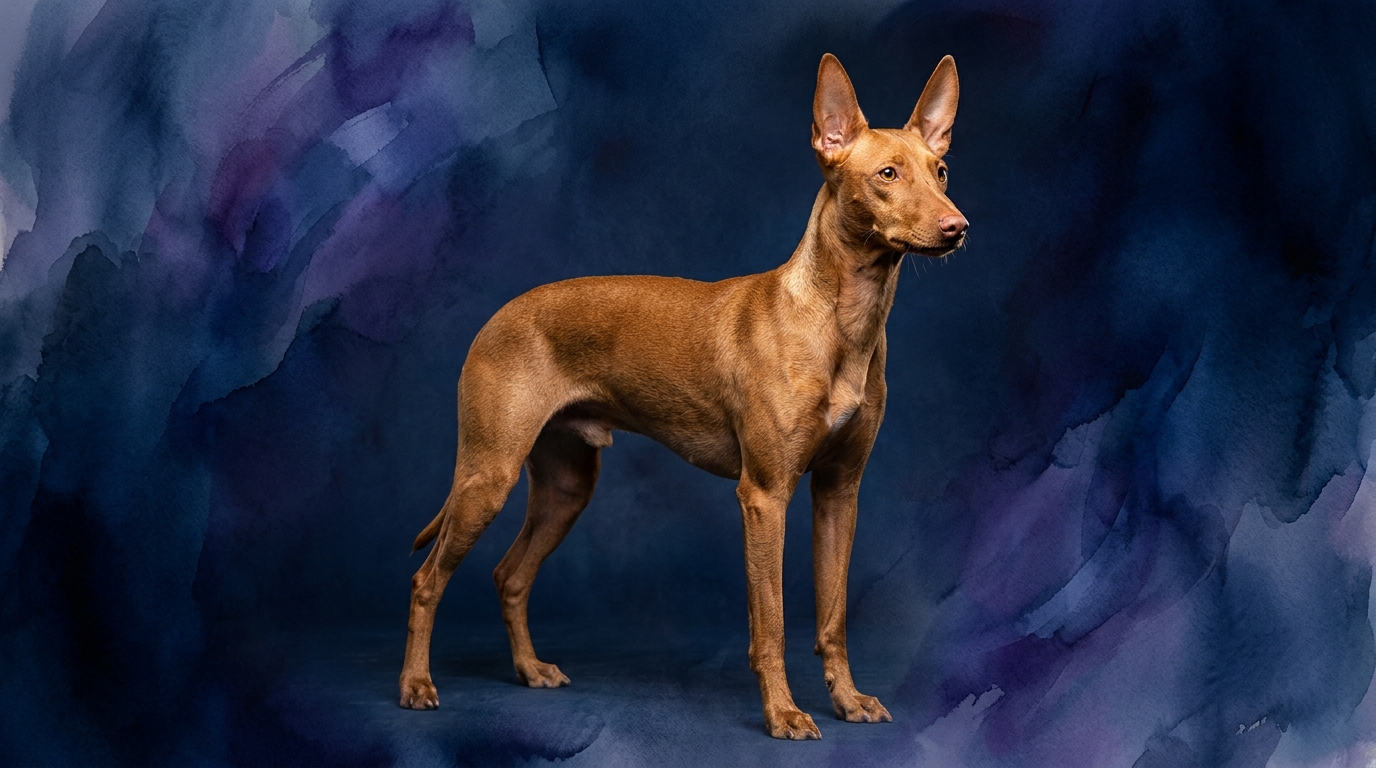
**Cirneco dell'Etna:** The Cirneco dell'Etna, unranked by Coren but possessing its own distinct cognitive strengths, presents a different intellectual landscape. With a 3/5 in Problem Solving, this breed approaches challenges with practical, instinct-driven ingenuity, excelling in tasks related to their sighthound and scent hound heritage, such as navigating varied terrain or tracking, rather than abstract puzzles. Their Training Speed is 3/5, meaning they learn at a moderate pace, requiring consistent and patient reinforcement, especially for commands that don't align with their natural drives. Similarly, their Memory scores 3/5, indicating functional recall for important routines but perhaps less robust retention for less relevant commands without regular practice. A 3/5 Social Intelligence reflects their independent nature; they are observant and form deep bonds but are less overtly demonstrative, often preferring quiet companionship. Their 3/5 Instinctive Drive is highly specialized, focused primarily on the pursuit of prey via sight and scent, coupled with remarkable endurance, rather than a broad desire for general "work."
Where Doberman Pinscher Wins Cognitively
The Doberman's cognitive profile paints a picture of a canine built for precision and purpose, excelling in areas demanding acute mental engagement. Their 5/5 Problem Solving score means they frequently display an impressive ability to analyze situations and formulate effective solutions, whether it's figuring out how to open a complex crate latch or understanding the sequence of actions required for an agility course. This isn't just about following instructions; it's about genuine comprehension and adaptive thinking.
Their 5/5 Training Speed is a testament to their rapid neuroplasticity. A Doberman can often master a new command or a complex trick in a handful of repetitions, quickly connecting the verbal cue or hand signal to the desired action. This makes them incredibly responsive partners for advanced obedience, protection work, or competitive dog sports where speed of learning is paramount.
Coupled with a 5/5 Memory, a Doberman's learned behaviors are remarkably durable. Once a skill is ingrained, it tends to stick, minimizing the need for constant refreshers. This robust recall extends beyond commands to their understanding of household rules and social dynamics, contributing to their reputation as reliable and consistent companions. Their 5/5 Instinctive Drive further channels these cognitive strengths, providing an intrinsic motivation to learn and perform tasks, transforming abstract lessons into a meaningful 'job' that satisfies their inherent need for engagement. This drive ensures their mental faculties are always seeking an outlet, making them eager participants in any structured activity.
Where Cirneco dell'Etna Wins Cognitively
While not achieving the Doberman's high scores in human-directed cognitive tasks, the Cirneco dell'Etna's cognitive strengths lie in a different, equally valuable domain: self-sufficiency and environmental awareness shaped by millennia of independent hunting. Their 3/5 Problem Solving, though moderate, is highly effective for their original purpose. They excel at figuring out how to navigate challenging terrain, locate elusive prey using their keen senses, or find their way back home, relying on an innate understanding of their surroundings rather than human directives. This type of problem-solving is less about abstract puzzles and more about practical, survival-oriented ingenuity.
Their 3/5 Social Intelligence manifests as a quiet perceptiveness. A Cirneco often observes and processes social cues from a slight distance, making them less prone to over-excitement or constant demand for attention. For owners who appreciate a companion capable of independent thought and a less 'in-your-face' affection, this subtle social awareness can be a distinct advantage. They form strong bonds, but these bonds are often built on mutual respect and shared quiet moments, rather than constant interaction.
The Cirneco's 3/5 Instinctive Drive, while not as broad as the Doberman's, is intensely focused on their sighthound and scent hound heritage. This specialized drive means they possess an unparalleled ability to track, chase, and pursue with incredible focus and endurance. For owners who engage in activities like lure coursing, scent work, or simply enjoy long, adventurous hikes, the Cirneco's specific drive profile is a clear win, allowing them to fully express their natural talents in a fulfilling way that many other breeds cannot match. Their moderate Training Speed and Memory scores, when understood in this context, mean they learn what is important to *them* and what serves their innate drives, often displaying impressive recall when a reward or motivation aligns with their natural inclinations.
Which is Easier to Train and Why
Without question, the Doberman Pinscher is significantly easier to train for a wide array of commands and behaviors, especially those requiring precision and consistency. Their 5/5 Training Speed and 5/5 Memory mean they grasp new concepts with astonishing rapidity and retain them over the long term. A Doberman often learns a new command in a single session, requiring only a few repetitions before it's solidly ingrained. Their high Problem Solving score allows them to generalize learned behaviors to new situations, understanding the 'why' behind an action rather than just the 'what'. Furthermore, their 5/5 Instinctive Drive means they thrive on having a job and a purpose, making them highly motivated to engage in training as a fulfilling activity. They are eager to please and respond well to clear, consistent instruction, often excelling in advanced obedience, protection sports, and agility due to their mental acuity and work ethic.
The Cirneco dell'Etna, with 3/5 scores across Training Speed, Problem Solving, and Memory, presents a different training experience. While they are trainable, they require more patience, creativity, and consistency. They learn at a moderate pace, needing more repetitions to solidify commands, and their retention might not be as robust without regular reinforcement. Their hound instincts mean they are easily distracted by compelling scents or movement, making focus a greater challenge, particularly in stimulating environments. A Cirneco might understand a command perfectly indoors but seem to "forget" it the moment a squirrel crosses their path outside. They are independent thinkers, and convincing them to perform a task that doesn't immediately benefit them or appeal to their natural drives can be an exercise in gentle persuasion rather than strict command. Training a Cirneco is often about building a strong relationship and finding motivations that resonate with their specific drives, like using a favorite toy or the opportunity for a chase as a reward, rather than relying solely on their desire to please.
Which Suits Active Owners vs. Relaxed Owners
The Doberman Pinscher is undoubtedly a match for highly active owners who are prepared to provide significant mental and physical engagement. Their 5/5 Instinctive Drive means they are not content with casual strolls or infrequent play; they require a structured outlet for their energy and cognitive abilities. Owners who thrive on daily vigorous exercise, participation in dog sports like agility, obedience, or protection work, and consistent mental challenges will find the Doberman to be an unparalleled partner. They need a "job" to feel fulfilled, whether it's guarding the home, excelling in competitions, or simply engaging in complex training routines. A Doberman with insufficient stimulation can become bored, leading to destructive behaviors or excessive vigilance.
The Cirneco dell'Etna, while a hound, can surprisingly suit a range of active owners, but with a different emphasis. They require daily exercise to satisfy their sighthound need for bursts of speed and their hound's urge to explore with their nose. This means long, secure off-leash runs where they can stretch their legs, or regular lure coursing sessions. They are not as demanding of constant, structured mental "work" as a Doberman, making them potentially suitable for active owners who prefer more independent exercise companions rather than highly interactive training partners. Indoors, once their exercise needs are met, Cirnechi are often quite relaxed, enjoying quiet companionship. However, they are not suited for truly relaxed, sedentary owners, as their hound nature still dictates a need for considerable physical activity.
The Verdict
Choose the Doberman Pinscher if you are an experienced, active owner seeking a highly trainable, purpose-driven companion eager for complex mental challenges and structured physical activity.
Opt for the Cirneco dell'Etna if you appreciate an independent, subtly social companion who thrives on bursts of physical activity and outdoor exploration, and you are prepared for patient, reward-based training.
🧠 Find Your Pet's IQ Score
Our Pet IQ Lab assessment covers 25+ tests across 5 cognitive dimensions — personalized to your breed.
Take the Full IQ Test →Frequently Asked Questions
Are Doberman Pinschers good family dogs?
Yes, Doberman Pinschers can be wonderful family dogs when properly socialized and trained from a young age. They form deep bonds with their human family, are naturally protective, and can be gentle with children, though their size and energy require supervision around very young kids.
What kind of exercise does a Cirneco dell'Etna need?
Cirnechi require regular, vigorous exercise, ideally including opportunities for secure off-leash running to satisfy their sighthound instincts. Daily long walks, jogs, or participation in activities like lure coursing will keep them physically and mentally content, preventing boredom.
Can a Cirneco dell'Etna live with other pets?
Cirnechi can coexist peacefully with other pets, especially if raised with them from puppyhood. However, due to their strong prey drive, careful introductions and supervision are crucial with smaller animals like cats or rabbits, and a secure yard is essential to prevent them from chasing wildlife.