A Side-by-Side Look at Cognitive Profiles
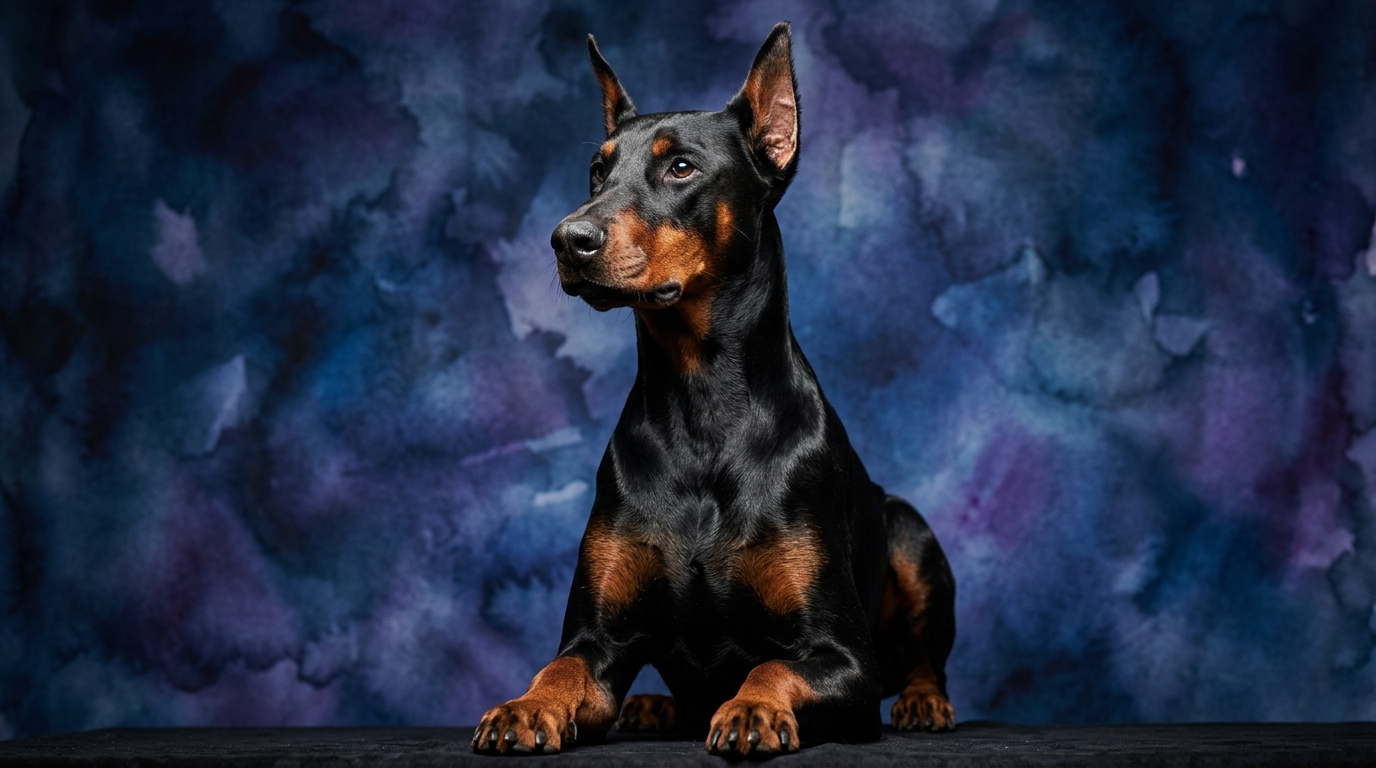
The Doberman Pinscher, a breed forged for protection and companionship, consistently ranks among the top working dogs, reflected in its impressive Coren rank of #5. The Pet IQ Lab’s metrics paint a picture of intellectual prowess: perfect scores in Problem Solving (5/5), Training Speed (5/5), Instinctive Drive (5/5), and Memory (5/5), complemented by a strong Social Intelligence (4/5). This combination suggests a canine built for rapid comprehension, intricate task execution, and unwavering focus.
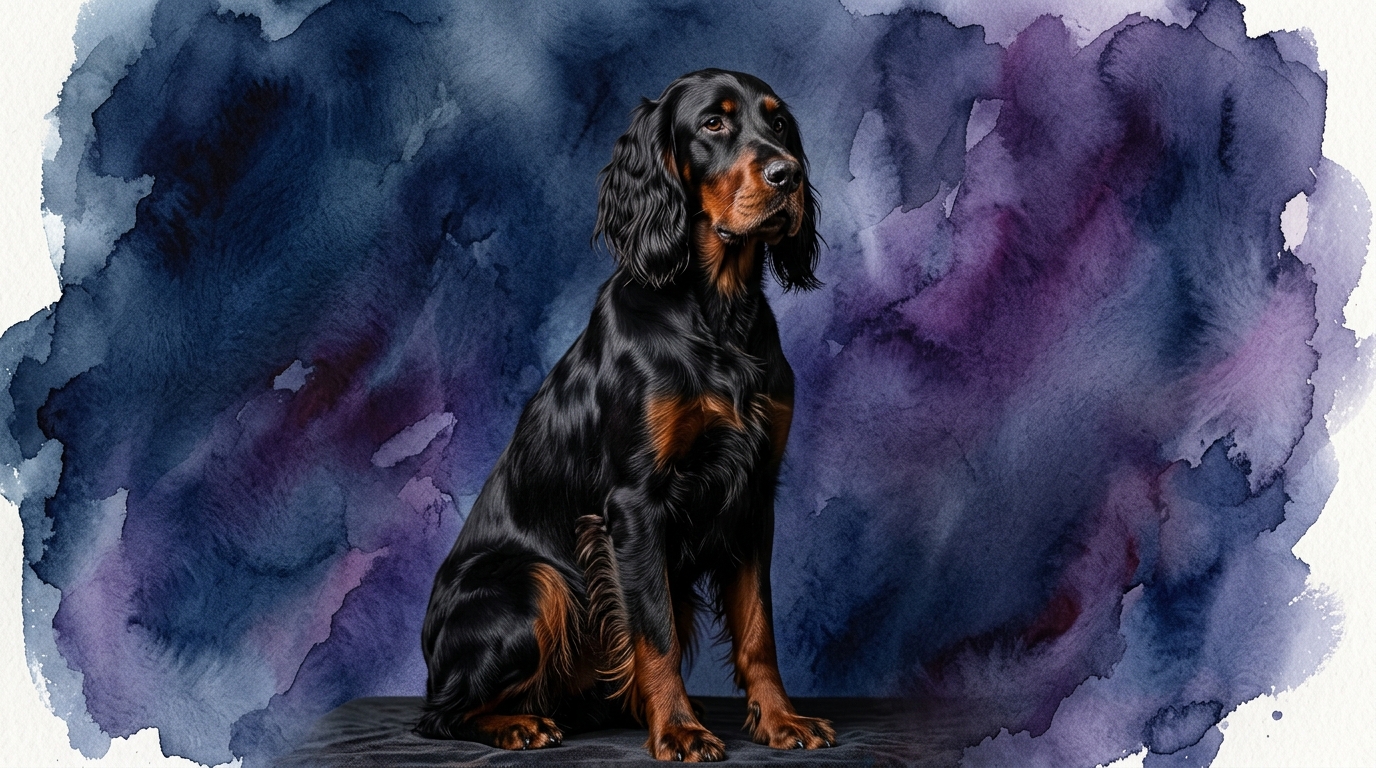
In contrast, the Gordon Setter, a distinguished member of the Sporting group, occupies a respectable Coren rank of #39. Its cognitive profile, while different from the Doberman’s, reveals a balanced set of aptitudes: solid Problem Solving (4/5), efficient Training Speed (4/5), commendable Memory (4/5), and a moderate Instinctive Drive (3/5), alongside a Social Intelligence score of 3/5. These scores point to a dog with practical intelligence, well-suited for its traditional role as a bird dog and a perceptive family member.
Doberman Pinscher: The Apex of Task-Oriented Cognition
The Doberman's perfect 5/5 in Problem Solving and Training Speed underscores its capacity for rapid assimilation of new information and complex command sequences. This breed doesn't just learn; it synthesizes and applies knowledge with remarkable efficiency, often anticipating handler cues. Whether navigating an agility course with precision or mastering multi-step obedience routines, the Doberman demonstrates an exceptional ability to process and execute tasks, making it a favorite for competitive sports and demanding service roles.
Further amplifying this cognitive strength is a 5/5 Instinctive Drive, channeled into a strong desire to work and protect, coupled with a flawless 5/5 Memory. This allows them to retain vast repertoires of commands and experiences, making their training incredibly durable and consistent. Their 4/5 Social Intelligence means they are attuned to human direction and environmental cues, capable of discerning intent and reacting appropriately, though their primary focus remains on their assigned duties rather than purely social rapport.
Gordon Setter: Nuanced Field Acumen and Companionable Wit
While the Doberman excels in raw processing speed, the Gordon Setter's 4/5 in Problem Solving and Training Speed reflects a different kind of cognitive strength—one rooted in practical application and sensory interpretation. These dogs are adept at learning complex scent discrimination tasks and navigating varied terrains, skills honed over centuries of field work. Their problem-solving often manifests in spatial reasoning and pattern recognition related to finding game, rather than abstract puzzles or rapid-fire obedience drills.
The Gordon Setter’s 4/5 Memory serves them well in recalling specific locations, scent patterns, and learned routines, crucial for effective hunting and consistent home behavior. Their 3/5 Instinctive Drive, while lower than the Doberman's, is precisely geared towards their heritage—a persistent, methodical pursuit of game, rather than a broad working drive. A 3/5 Social Intelligence suggests they form strong bonds with their families but might be less inclined to seek out interaction with strangers or interpret subtle human emotional shifts outside their immediate social circle, prioritizing their own sensory world.
Ease of Training: A Question of Pace and Focus
Training a Doberman Pinscher is often a swift and rewarding experience, primarily due to their 5/5 Training Speed and robust 5/5 Instinctive Drive. They possess an inherent eagerness to learn and a deep desire to engage in structured activities with their handlers. This combination means they grasp new commands almost immediately and are highly motivated to perform, making advanced obedience, protection work, and complex trick training relatively straightforward. Their exceptional memory ensures once a command is learned, it's rarely forgotten, fostering remarkable consistency.
The Gordon Setter, with a 4/5 Training Speed and a more moderate 3/5 Instinctive Drive, offers a different training dynamic. They are perfectly capable learners, but their progress might be more measured, requiring greater patience and creative reinforcement from the handler. Their instincts are primarily geared towards scenting and retrieving, so training tasks unrelated to these natural drives may require more effort to capture and maintain their focus. While they remember well (4/5 Memory), their occasional independent streak, typical of a sporting breed, means motivation needs to be compelling and consistent.
Lifestyle Match: Active Engagement vs. Harmonious Companionship
The Doberman Pinscher is undeniably a canine for the active, engaged owner. Their 5/5 Instinctive Drive, coupled with their cognitive horsepower, demands substantial daily mental and physical exercise. Owners must be prepared to provide structured activities such as advanced obedience classes, agility training, or even protection sports to satisfy their innate need for purpose and challenge. This breed thrives when given a 'job' and will flourish with consistent, firm, and fair leadership, making them ideal for individuals who enjoy a highly interactive and demanding canine partnership.
Conversely, the Gordon Setter appeals to owners seeking a harmoniously active companion rather than a constant working partner. While they require regular, vigorous exercise, especially opportunities for off-leash exploration in secure areas to indulge their scenting instincts, their needs are generally less intense in terms of structured 'work.' Owners who appreciate long walks, hikes, or field activities but also value a relaxed presence indoors will find the Gordon a suitable match. They are devoted family dogs, content with companionship and moderate engagement, rather than continuous mental drills.
The Verdict
Choose the Doberman Pinscher if you seek a highly engaged canine partner for advanced obedience, protection sports, or a dog that thrives on constant mental challenges and rapid task acquisition.
Opt for the Gordon Setter if you desire a devoted companion with a good memory for routines and a moderate instinct for field work, suitable for owners who enjoy outdoor adventures and a more relaxed training pace.
🧠 Find Your Pet's IQ Score
Our Pet IQ Lab assessment covers 25+ tests across 5 cognitive dimensions — personalized to your breed.
Take the Full IQ Test →Frequently Asked Questions
Do Doberman Pinschers require more mental stimulation than Gordon Setters?
Yes, Doberman Pinschers, with their 5/5 Problem Solving and 5/5 Instinctive Drive, demand constant mental engagement to prevent boredom and destructive behaviors. Gordon Setters, at 4/5 and 3/5 respectively, still benefit from mental enrichment but may not require the same intensity or complexity of tasks.
Are Gordon Setters difficult to train due to their lower Coren rank?
No, Gordon Setters are not difficult to train; they merely possess a different learning style and pace. Their 4/5 Training Speed indicates good aptitude, though they may require more patience and motivation tailored to their natural sporting instincts compared to the Doberman's rapid acquisition.
Which breed is better for a first-time dog owner?
A Gordon Setter might be a more forgiving choice for a first-time owner due to its slightly lower intensity of instinctive drive and social intelligence, making its needs potentially less demanding than the Doberman Pinscher. However, both breeds benefit from experienced guidance and consistent training.