The Cosmic Pet Pet IQ Lab Profiles: Doberman Pinscher vs. Jack Russell Terrier
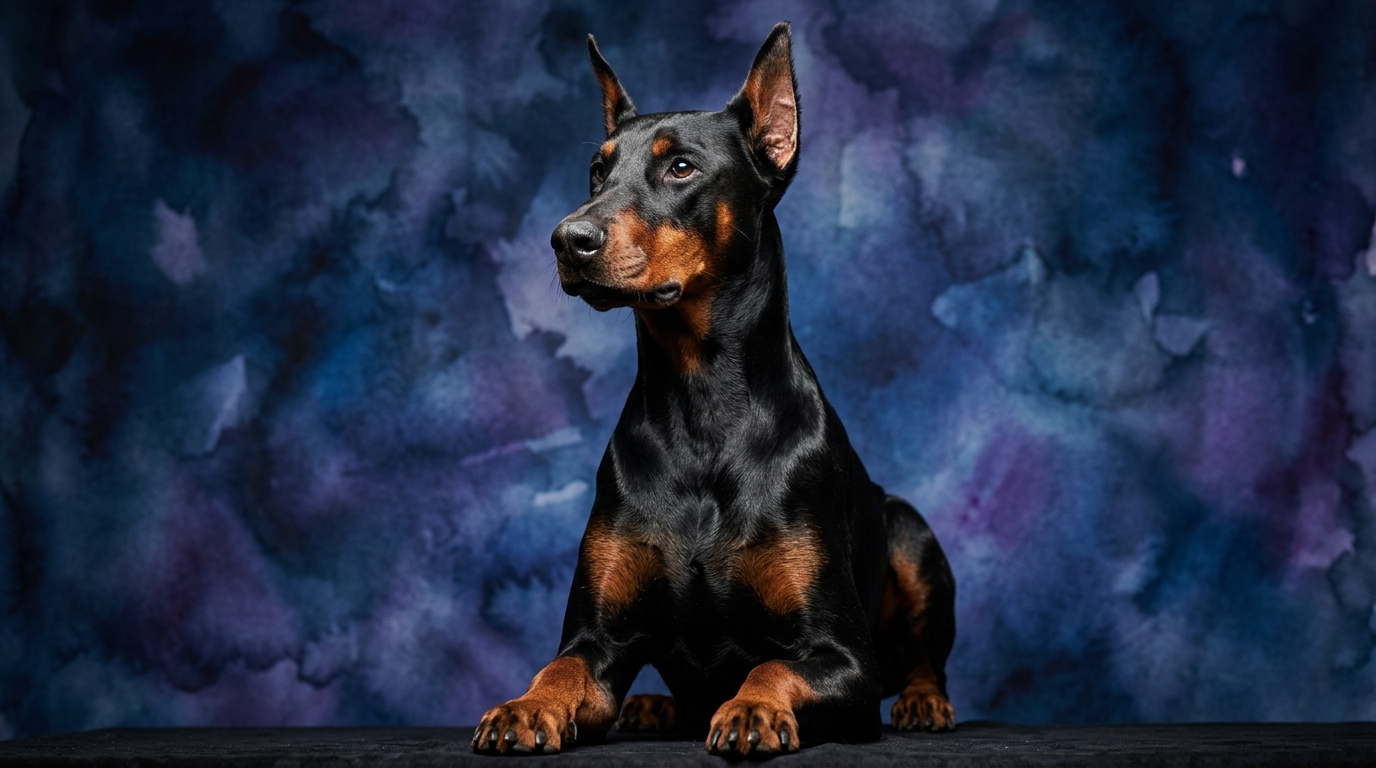
The Doberman Pinscher, a distinguished member of the Working Group and a Coren rank #5 breed, presents a formidable cognitive profile. Our IQ Lab assessment awards it a perfect 5/5 in Problem Solving, Training Speed, Instinctive Drive, and Memory, complemented by a strong 4/5 in Social Intelligence. This composite score paints a picture of a dog engineered for precision, rapid learning, and an unwavering focus on tasks, reflecting its heritage as a capable guardian and partner in demanding roles.
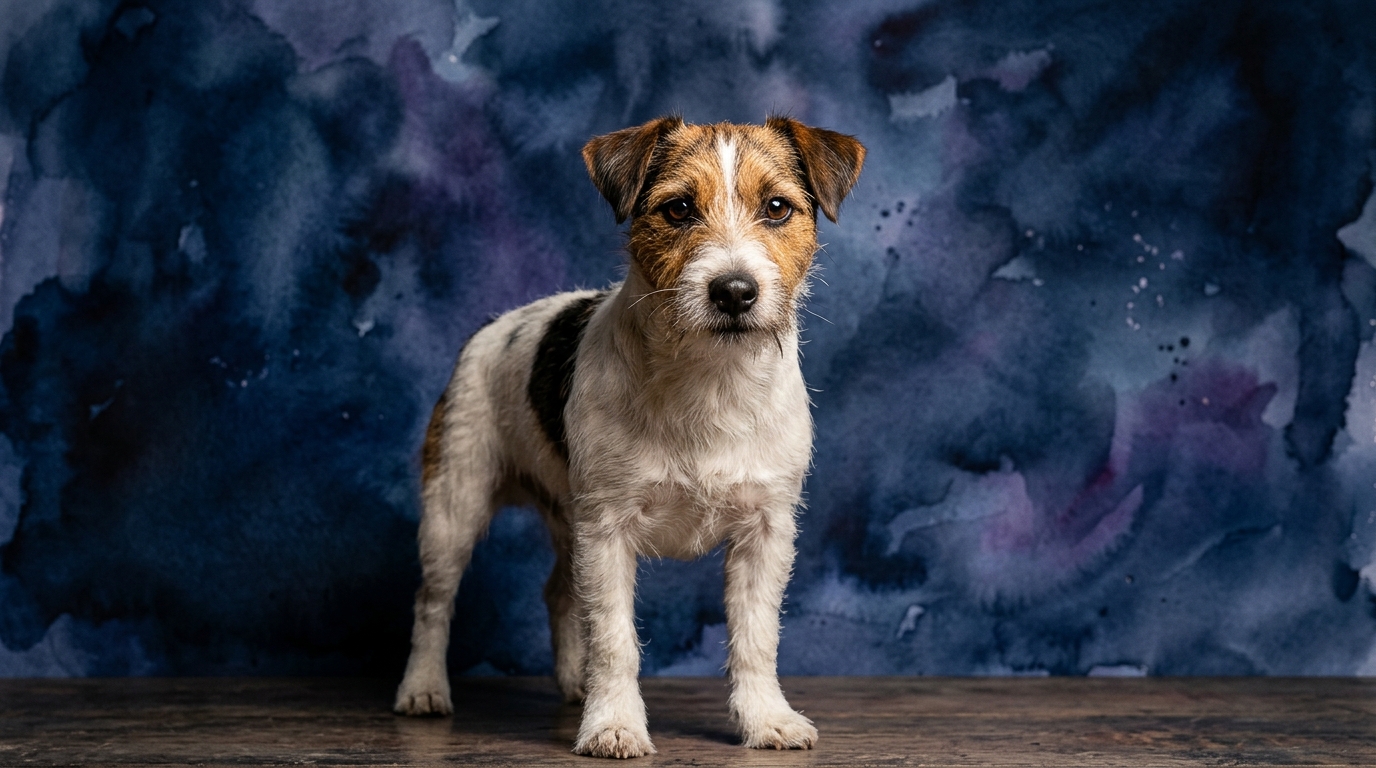
In contrast, the Jack Russell Terrier, a spirited Terrier breed not specifically ranked by Coren, offers a different, yet equally compelling, cognitive makeup. It matches the Doberman with a 5/5 in Problem Solving and Instinctive Drive, underscoring its tenacious nature. However, its Training Speed registers at 3/5, Social Intelligence at 3/5, and Memory at 4/5. These scores highlight a breed that approaches challenges with independent thought and relentless determination, driven by its deep-seated terrier instincts rather than an inherent desire for human-directed compliance.
Where the Doberman Pinscher Excels Cognitively
The Doberman Pinscher's primary cognitive advantage lies in its exceptional Training Speed, earning a perfect 5/5. This isn't merely about basic obedience; it signifies an extraordinary capacity for absorbing and executing complex sequences of commands with minimal repetition. Their mental agility allows them to quickly grasp abstract concepts and adapt their behavior to novel situations, making them highly receptive to advanced training in fields like protection work, competitive obedience, or service assistance.
Further bolstering its cognitive prowess are its flawless Memory (5/5) and superior Social Intelligence (4/5). A Doberman's impeccable memory ensures that learned behaviors and commands are deeply ingrained, leading to consistent performance even after long periods. Its higher social intelligence enables it to keenly observe and interpret human cues, intentions, and emotional states, fostering a profound partnership with its handler and allowing for nuanced, responsive interactions within a structured environment.
This combination of rapid learning, steadfast memory, and social attunement makes the Doberman an unparalleled candidate for roles demanding precision, reliability, and a deep understanding of human expectations. They thrive when given a purposeful job, leveraging their cognitive strengths to become highly effective and predictable collaborators.
Where the Jack Russell Terrier Shines Cognitively
While both breeds score 5/5 in Problem Solving, the Jack Russell Terrier's manifestation of this trait is distinctly individualistic and tenacious. Unlike the Doberman, whose problem-solving often aligns with directed tasks, the JRT's mental approach is geared towards independent strategizing, particularly when pursuing a goal driven by its instincts. This breed excels at figuring things out on its own, whether it's escaping a yard, locating a hidden toy, or navigating complex environments, often employing creative, sometimes mischievous, solutions born from sheer determination.
The Jack Russell's exceptional Instinctive Drive (5/5) is the engine behind its problem-solving. This isn't just a high prey drive; it's an intense, persistent motivation that fuels exploration, digging, and relentless pursuit. This drive makes the JRT particularly adept at overcoming physical obstacles or mental puzzles that tap into its inherent purpose, making it tireless in its efforts to achieve its self-appointed objectives, even if it means bending human-imposed rules.
These cognitive attributes make the Jack Russell Terrier a formidable opponent for any challenge that requires self-directed thought and sustained effort. Their ingenuity and persistence mean they are rarely deterred, and their cognitive victories often stem from outsmarting their environment or their human companions through sheer will and cleverness, rather than by following a pre-set plan.
Training Ease: A Tale of Two Approaches
For the Doberman Pinscher, training is a highly rewarding endeavor, largely due to its 5/5 Training Speed and 4/5 Social Intelligence. These dogs possess an innate desire to cooperate and please their handlers, quickly forming strong partnerships. They absorb new commands and routines with remarkable speed, and their excellent memory ensures these lessons are retained. This makes them highly receptive to structured training methods, excelling in consistency and precision, and eager to master complex tasks as a team.
The Jack Russell Terrier presents a different training dynamic, with a 3/5 Training Speed and 3/5 Social Intelligence, alongside a powerful 5/5 Instinctive Drive. While they are certainly capable of learning, their independent nature and intense prey drive mean they often weigh the perceived value of a command against the allure of a distraction. Training a JRT requires immense patience, creativity, and consistency, often demanding that the handler make training more engaging and rewarding than any competing stimulus, rather than relying on inherent compliance.
In essence, the Doberman seeks partnership in the learning process, striving to understand and execute human directives. The Jack Russell, conversely, is primarily driven by its own strong instincts and desires, and while it can learn, its engagement in training often depends on how well it aligns with its intrinsic motivations. This fundamental difference shapes the entire training experience for both breeds, requiring distinct approaches from their human companions.
Matching Cognitive Profiles to Lifestyles
The Doberman Pinscher thrives with active owners who are prepared to provide consistent mental challenges, structured activities, and clear, confident leadership. Their profound need for purpose, coupled with their capacity for advanced learning and memory, makes them ideal for individuals or families involved in dog sports, protection work, or service roles. They require an engaging lifestyle that respects their formidable cognitive abilities, preventing boredom and channeling their focus into productive outlets.
The Jack Russell Terrier also demands highly active owners, though for different reasons. Their relentless instinctive drive and independent problem-solving require significant outlets for digging, chasing, and exploring. They need owners who can creatively channel their boundless energy and cunning into appropriate, supervised activities, preventing the manifestation of boredom-driven mischief. A JRT is not a suitable companion for the faint of heart or those seeking a purely compliant, low-maintenance pet.
Crucially, neither the Doberman Pinscher nor the Jack Russell Terrier is suited for a relaxed, sedentary lifestyle. Both breeds possess cognitive profiles that necessitate substantial daily mental and physical engagement. The nature of this engagement differs, with the Doberman excelling in structured, collaborative tasks and the JRT in independent, instinct-driven pursuits, but the fundamental requirement for activity remains paramount for their well-being.
The Verdict
Choose the Doberman Pinscher if you seek a highly trainable, devoted partner eager to master complex tasks and thrive in a structured, purposeful environment, appreciating their deep memory and social responsiveness.
Opt for the Jack Russell Terrier if you're prepared for an independent, persistent companion who excels at self-directed problem-solving and requires significant outlets for its powerful instincts and boundless energy, valuing a spirited, tenacious mind.
🧠 Find Your Pet's IQ Score
Our Pet IQ Lab assessment covers 25+ tests across 5 cognitive dimensions — personalized to your breed.
Take the Full IQ Test →Frequently Asked Questions
Are Doberman Pinschers good family dogs?
With proper socialization and training, Dobermans can be excellent family companions, forming strong bonds and acting as protective guardians. Their social intelligence helps them integrate well, but they need clear boundaries and consistent leadership to thrive in a family setting, ensuring their protective instincts are well-managed.
How much exercise does a Jack Russell Terrier need?
Jack Russell Terriers require substantial daily exercise, often exceeding an hour of vigorous activity, including running, digging, and interactive play. Their high instinctive drive and energy levels demand outlets to prevent boredom and destructive behaviors, ensuring their sharp minds and bodies remain engaged and satisfied.
Can both breeds live in apartments?
Both breeds *can* live in apartments if their extensive exercise and mental stimulation needs are consistently met by dedicated owners. However, the Doberman's need for space and the Jack Russell's tendency to bark or dig make a house with a secure yard generally more suitable, provided owners are committed to their daily routines.