
Side-by-Side Cognitive Profiles
The Cosmic Pet Pet IQ Lab categorizes canine intelligence across five key dimensions, providing a nuanced view of each breed's mental aptitudes. For the Doberman Pinscher, ranked #5 by Coren, its Problem Solving is rated 5/5, indicating a remarkable capacity to rapidly assess novel situations and devise effective solutions. Its Training Speed also stands at 5/5, reflecting an exceptional ability to grasp and retain new commands with minimal repetition. Social Intelligence, at 4/5, points to a strong attunement to human cues and social dynamics, fostering deep partnerships. An Instinctive Drive of 5/5 underscores their powerful intrinsic motivation for purpose and activity, while a Memory score of 5/5 highlights their enduring recall of learned behaviors and experiences.
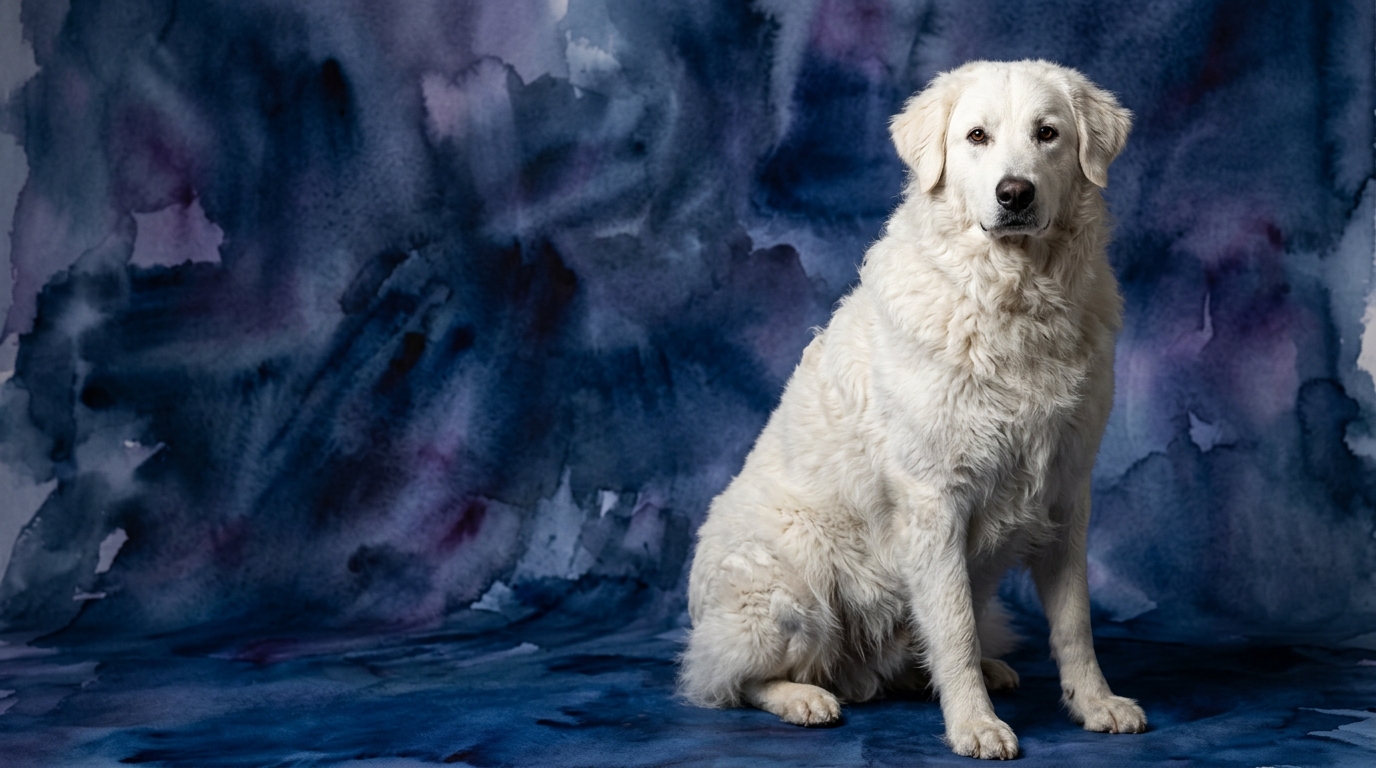
In contrast, the Kuvasz, with a Coren rank of #42, presents a different cognitive blueprint tailored to its historical role. Its Problem Solving is rated 3/5, signifying a competent but often independent approach to challenges, relying on self-sufficiency rather than immediate human direction. Training Speed is 3/5, meaning they learn at a steady pace, requiring consistent and patient instruction to solidify new behaviors. Social Intelligence, also 3/5, suggests a reserved nature, forming strong bonds within their immediate family but often showing wariness towards strangers. Their Instinctive Drive is 3/5, reflecting a powerful guarding instinct but a less intense drive for constant human-directed tasks. Finally, their Memory is rated 4/5, demonstrating solid retention of established routines and critical information once it's firmly ingrained.
Where the Doberman Pinscher Shines Cognitively
The Doberman Pinscher's cognitive prowess is most evident in its unparalleled ability to integrate complex information and execute precise actions. Their 5/5 Problem Solving and Training Speed scores mean they quickly master intricate multi-step commands, making them exceptional candidates for advanced obedience, agility, and protection work. A Doberman can rapidly learn to differentiate between subtle cues, string together multiple behaviors, and adapt their performance to varying environments. This breed's high social intelligence, coupled with its robust memory, allows it to anticipate handler intentions and remember extensive repertoires of commands, making them incredibly fluid and responsive partners in dynamic scenarios.
Their powerful instinctive drive is channeled into a focused desire to work alongside their human, leading to a dog that actively seeks mental engagement and purpose. This manifests in their capacity to learn specialized tasks, from scent detection to service dog roles, where rapid learning, precise execution, and sustained attention are paramount. The Doberman's cognitive profile is geared towards collaborative, high-performance tasks that demand both intellectual agility and a strong working partnership.
Where the Kuvasz Excels Cognitively
The Kuvasz's cognitive strengths lie in its self-reliant, independent assessment and action, particularly within its guardian role. While its Problem Solving is rated 3/5, this doesn't imply a lack of mental capacity but rather a different style of intellect. A Kuvasz excels at independently evaluating its environment, identifying potential threats without constant human oversight, and making autonomous decisions to protect its charges or territory. This breed's intelligence is deeply rooted in its instinctive drive for protection, allowing it to patrol, observe, and react with a deliberate, confident presence.
Their 4/5 memory score, while not peak, is highly effective for retaining crucial information related to their guarding duties, such as property boundaries, approved visitors, and established routines. The Kuvasz's social intelligence, though more reserved, fosters a profound, enduring loyalty to its family, enabling it to discern friend from foe with a quiet discernment. Their cognitive strength is in their unwavering judgment and the ability to operate effectively and self-sufficiently in their role as a steadfast protector, often making nuanced decisions based on their innate understanding of their domain.
Training Dynamics: Doberman Pinscher vs. Kuvasz
When considering ease of training, the Doberman Pinscher (5/5 Training Speed) presents a significantly more straightforward path compared to the Kuvasz (3/5 Training Speed). Dobermans possess an inherent eagerness to learn and a strong desire to please their handlers, driven by their high social intelligence and instinctive drive for purpose. They rapidly associate commands with actions and rewards, thriving on positive reinforcement and structured training sessions. Their phenomenal memory means lessons stick quickly, and they build upon learned behaviors with remarkable efficiency, often anticipating the next command.
The Kuvasz, on the other hand, requires a different training approach that acknowledges its independent nature. This breed is not inherently driven by a desire to please in the same way; instead, it needs to understand the *purpose* and utility of a command. Training a Kuvasz demands immense patience, consistency, and a clear demonstration of why a behavior is beneficial or necessary, particularly if it aligns with their guardian instincts. Repetition is key, and while they eventually retain lessons due to their good memory, the initial acquisition period is longer and requires a firm, fair, and respectful hand. Early and extensive socialization is also critical for the Kuvasz to channel its protective instincts appropriately and prevent undue wariness of novel situations or individuals.
Matching Canine Cognition to Lifestyle
The Doberman Pinscher is an ideal companion for active owners who relish a highly engaged, collaborative canine partner. Their robust instinctive drive and problem-solving acumen demand consistent mental stimulation and physical activity, making them excellent fits for individuals or families involved in dog sports, regular hiking, or structured training. Owners who enjoy teaching complex tricks, participating in obedience trials, or simply having a dog that thrives on shared activities will find the Doberman's cognitive profile exceptionally rewarding. A Doberman will not thrive with a relaxed owner who offers minimal daily engagement; their mental and physical needs are substantial.
The Kuvasz, conversely, suits owners who appreciate and can accommodate an independent, self-reliant guardian. While they require space and opportunities to patrol, their activity needs are less about constant human-directed entertainment and more about purposeful vigilance. They are well-suited for owners with secure properties where they can fulfill their inherent guarding role. A Kuvasz is not for an owner seeking a constantly interactive playmate, but rather a steadfast, discerning protector who operates with a quiet confidence. Owners must be prepared to respect their independence and provide a stable environment where their unique cognitive strengths can flourish without overwhelming demands for continuous engagement.
The Verdict
Choose the Doberman Pinscher if you seek an exceptionally trainable, engaged partner for sports, work, or an active family life, and can provide consistent mental and physical challenges.
Opt for the Kuvasz if you desire a formidable, independent guardian for property or family, appreciating a self-reliant canine and prepared for patient, purpose-driven training.
🧠 Find Your Pet's IQ Score
Our Pet IQ Lab assessment covers 25+ tests across 5 cognitive dimensions — personalized to your breed.
Take the Full IQ Test →Frequently Asked Questions
Are Doberman Pinschers good with children?
With proper socialization and training from an early age, Doberman Pinschers can be very loyal and protective family dogs. Their high social intelligence allows them to form strong bonds, though supervision with very young children is always advisable.
Do Kuvasz dogs bark frequently?
Kuvasz dogs are natural guardians and may bark to alert their family to perceived threats or strangers approaching their territory. Their barking is often purposeful, serving as a deterrent, rather than incessant, but it can be frequent if they feel their domain is challenged.
What is the key difference in their learning motivations?
The Doberman is largely motivated by a desire to please its handler and thrives on collaborative work, making it eager to learn. The Kuvasz learns best when it understands the practical purpose of a command, often connecting it to its natural guarding instincts, requiring patience and consistency.