Side-by-Side IQ Profile: Doberman Pinscher vs. Leonberger
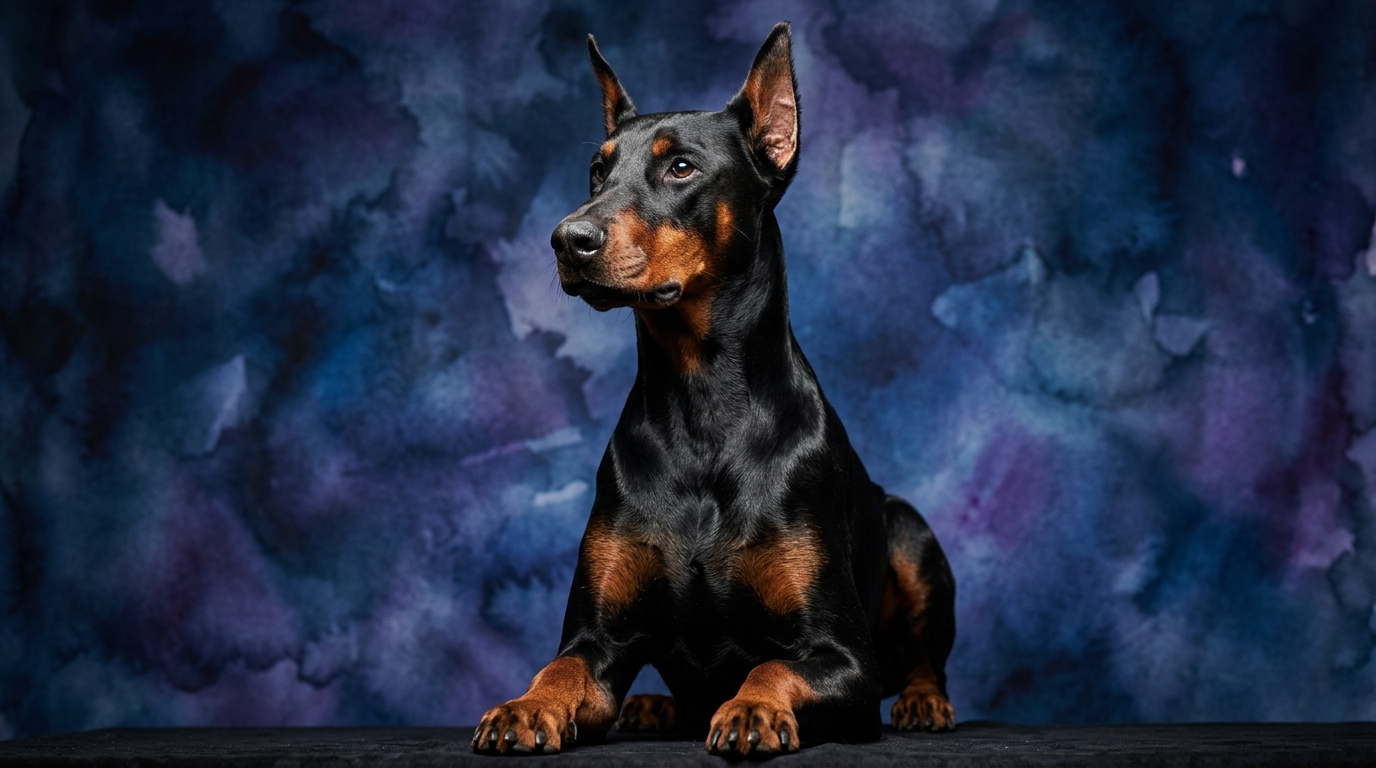
The Doberman Pinscher presents a formidable intellect, consistently ranking among the top working breeds, evidenced by its Coren rank of #5. The Cosmic Pet Pet IQ Lab data assigns them a perfect 5/5 in Problem Solving, indicating an exceptional capacity to navigate complex situations, devise strategies, and overcome obstacles with remarkable ingenuity. Their Training Speed also scores a flawless 5/5, reflecting an almost instantaneous grasp of new commands and an eagerness to learn intricate routines. Social Intelligence for the Doberman is rated 4/5, suggesting a strong ability to interpret human cues and adapt to social contexts, though perhaps with a more focused, task-oriented approach compared to some purely companion breeds. Their Instinctive Drive is another perfect 5/5, highlighting an inherent motivation for work, protection, and task completion, while their Memory, also 5/5, ensures exceptional retention of learned behaviors and experiences.
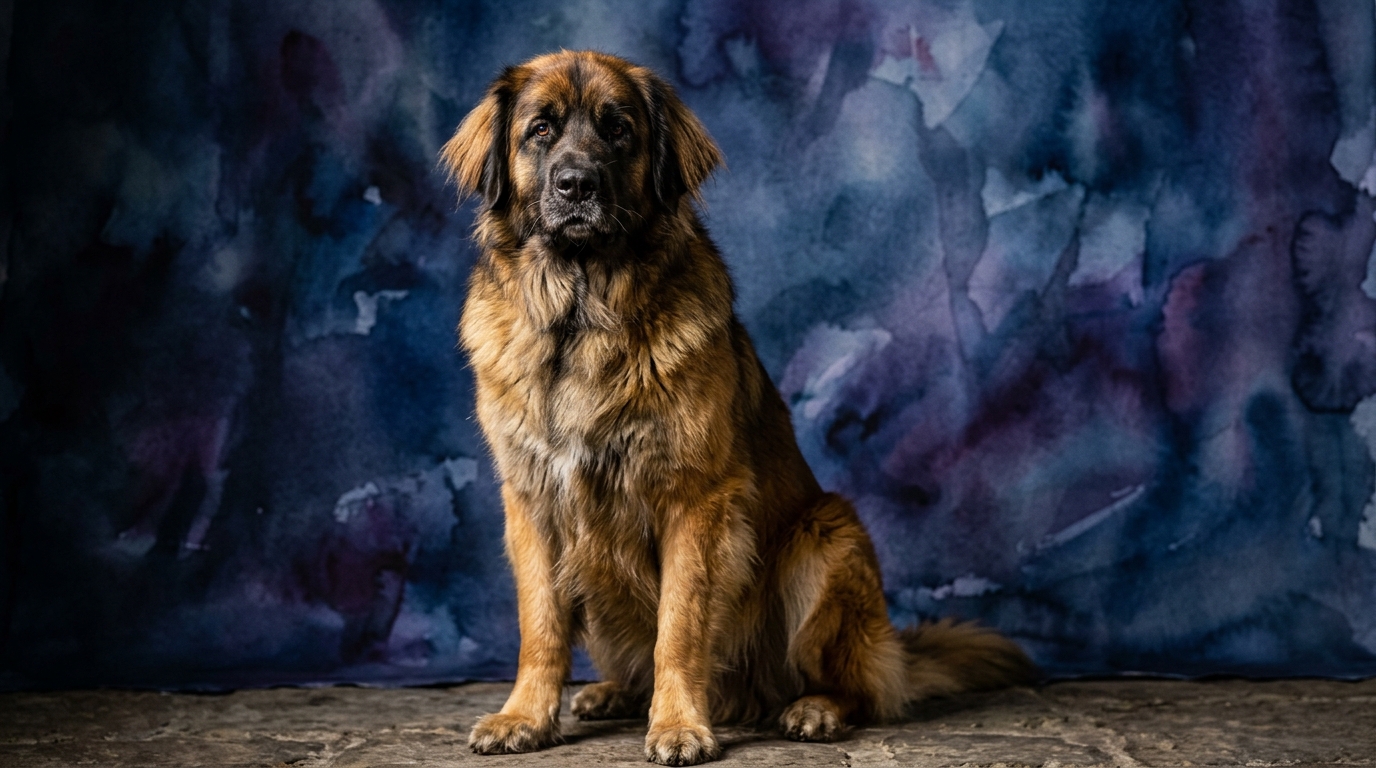
The Leonberger, while not Coren-ranked, presents a different cognitive blueprint, characterized by a more deliberate and gentle intellectual approach. Across all five dimensions – Problem Solving, Training Speed, Social Intelligence, Instinctive Drive, and Memory – the Leonberger consistently scores 3/5. This suggests a moderate, yet capable, aptitude in each area. Their Problem Solving is thoughtful rather than instantaneous, allowing them to assess situations carefully before acting. A Training Speed of 3/5 means they certainly can learn, but they require more patience and repetition to solidify commands compared to the Doberman's rapid acquisition. Their Social Intelligence at 3/5 points to a generally agreeable and companionable nature, capable of forming deep bonds and understanding family dynamics, though perhaps less acutely tuned to subtle changes than some breeds. An Instinctive Drive of 3/5 implies they possess a working heritage but without the intense, constant urge for activity seen in high-drive breeds. Finally, their Memory at 3/5 indicates they retain information adequately, though perhaps not with the Doberman's photographic precision.
Where the Doberman Pinscher Excels Cognitively
The Doberman Pinscher’s cognitive superiority is particularly pronounced in areas demanding speed, precision, and an unyielding drive for purpose. Their 5/5 Problem Solving means they can quickly analyze novel situations, such as navigating an obstacle course or identifying a hidden threat, often anticipating outcomes with impressive foresight. This isn't merely about brute force; it's about strategic thinking and efficient execution. Furthermore, their 5/5 Training Speed allows them to absorb multi-step commands and intricate routines in remarkably few repetitions, making them highly adaptable to specialized roles like protection work, search and rescue, or competitive obedience. The Doberman’s 5/5 Instinctive Drive fuels this learning, ensuring they are not just capable of understanding tasks but are intensely motivated to perform them to perfection. This inherent drive, coupled with their 5/5 Memory, means once a task is learned, it is rarely forgotten, contributing to their consistency and reliability in demanding environments. This combination of mental agility, rapid learning, and robust memory makes them exceptional at complex, high-stakes tasks where quick, accurate responses are paramount.
Where the Leonberger’s Cognition Shines
While the Leonberger may not exhibit the Doberman's raw cognitive speed or intense drive, their unique intellectual strengths lie in areas requiring patience, a gentle temperament, and a more independent, thoughtful approach. Their 3/5 Social Intelligence, while not as outwardly expressive or task-oriented as the Doberman's, translates into a profound, empathetic understanding within a family context. Leonbergers often display an intuitive sense for human emotions, offering a calm, comforting presence without needing explicit commands. Their moderate Instinctive Drive (3/5) means they are less prone to impulsive actions and more inclined to consider situations, making them excellent, gentle guardians who react deliberately rather than reflexively. This thoughtful processing, reflected in their 3/5 Problem Solving, allows them to make sound, albeit slower, decisions in low-pressure scenarios, such as patiently interacting with children or discerning appropriate social responses in public. Their intelligence is less about rapid execution and more about sustained, gentle presence and a stable, reliable temperament, making them superb therapy dogs or companions in quieter, more reflective environments where their calm demeanor is a distinct asset.
Training Dynamics: Doberman Pinscher vs. Leonberger
There is a clear distinction in training ease between these two breeds, largely dictated by their respective IQ profiles. The Doberman Pinscher is unequivocally easier to train for obedience and complex tasks, a direct result of their 5/5 Training Speed, 5/5 Instinctive Drive, and 5/5 Memory. They possess an almost insatiable desire to work and please their handler, grasping new commands often in just a few repetitions. This eagerness manifests as a focused attention during training sessions and a strong motivation to perform accurately and quickly. Their high problem-solving ability means they can generalize learned behaviors to new situations with minimal guidance, making advanced training a relatively smooth progression. In contrast, the Leonberger, with 3/5 ratings across the board for training speed, instinctive drive, and memory, requires a much more patient and consistent approach. They are not unwilling to learn, but they process information and solidify behaviors at a slower pace. Leonbergers often think through commands rather than reacting instantly, and while they eventually master tasks, it takes more repetition and positive reinforcement to embed the learning. Their lower instinctive drive means they are less inherently motivated by the 'job' itself and respond better to gentle persuasion and reward-based methods that build a strong, trust-based relationship, rather than relying on a strong innate desire to work.
Matching Canine Cognition to Lifestyle: Active vs. Relaxed Owners
The Doberman Pinscher is ideally suited for active, experienced owners who are prepared to provide significant mental and physical engagement. Their profound 5/5 Instinctive Drive demands a purpose, and without structured activities like advanced obedience, agility, tracking, or protection work, their formidable intellect and energy can manifest as boredom-induced destructive behaviors or anxiety. These dogs thrive on consistency, clear leadership, and challenging tasks that keep their minds sharp and their bodies moving. They are companions for those who enjoy a highly interactive and demanding canine partnership. Conversely, the Leonberger is a better fit for more relaxed owners who appreciate a gentle, patient, and less intensely driven companion. While they still require regular exercise to maintain their physical health, their moderate 3/5 Instinctive Drive means they are content with daily walks, family play, and a comfortable home environment. They don't typically demand constant mental challenges or high-octane activities. Owners who prefer a steadfast, thoughtful presence and a dog that integrates calmly into family life, rather than one constantly seeking a 'job', will find the Leonberger's temperament and cognitive profile more aligned with their lifestyle.
The Verdict
Choose the Doberman Pinscher if you seek a highly responsive, driven working dog for advanced obedience, protection, or dog sports, and can provide rigorous mental and physical engagement, thriving on a challenging partnership.
Choose the Leonberger if you desire a patient, gentle giant companion who offers steadfast loyalty and a thoughtful presence, provided you can offer consistent, positive training and moderate activity in a calm, loving environment.
🧠 Find Your Pet's IQ Score
Our Pet IQ Lab assessment covers 25+ tests across 5 cognitive dimensions — personalized to your breed.
Take the Full IQ Test →Frequently Asked Questions
Do Dobermans require more mental stimulation than Leonbergers?
Absolutely. With 5/5 problem-solving and instinctive drive, Dobermans demand constant mental challenges and tasks to prevent boredom, which can lead to destructive behaviors. Leonbergers, with 3/5 in these areas, are content with more moderate mental engagement.
How does a Leonberger's social intelligence differ from a Doberman's?
The Leonberger's 3/5 social intelligence often manifests as a gentle, empathetic understanding within a family, offering comfort and patience. The Doberman's 4/5 social intelligence is typically more focused and task-oriented, adept at reading cues for work but potentially less overtly 'nurturing' in a passive way.
Are Leonbergers difficult to train?
While not 'difficult,' Leonbergers, with a 3/5 training speed, require more patience and consistency than a Doberman. They learn at a slower, more deliberate pace and respond best to positive reinforcement and building a strong, trusting relationship rather than drill-based methods.