Side-by-Side Cognitive Profiles
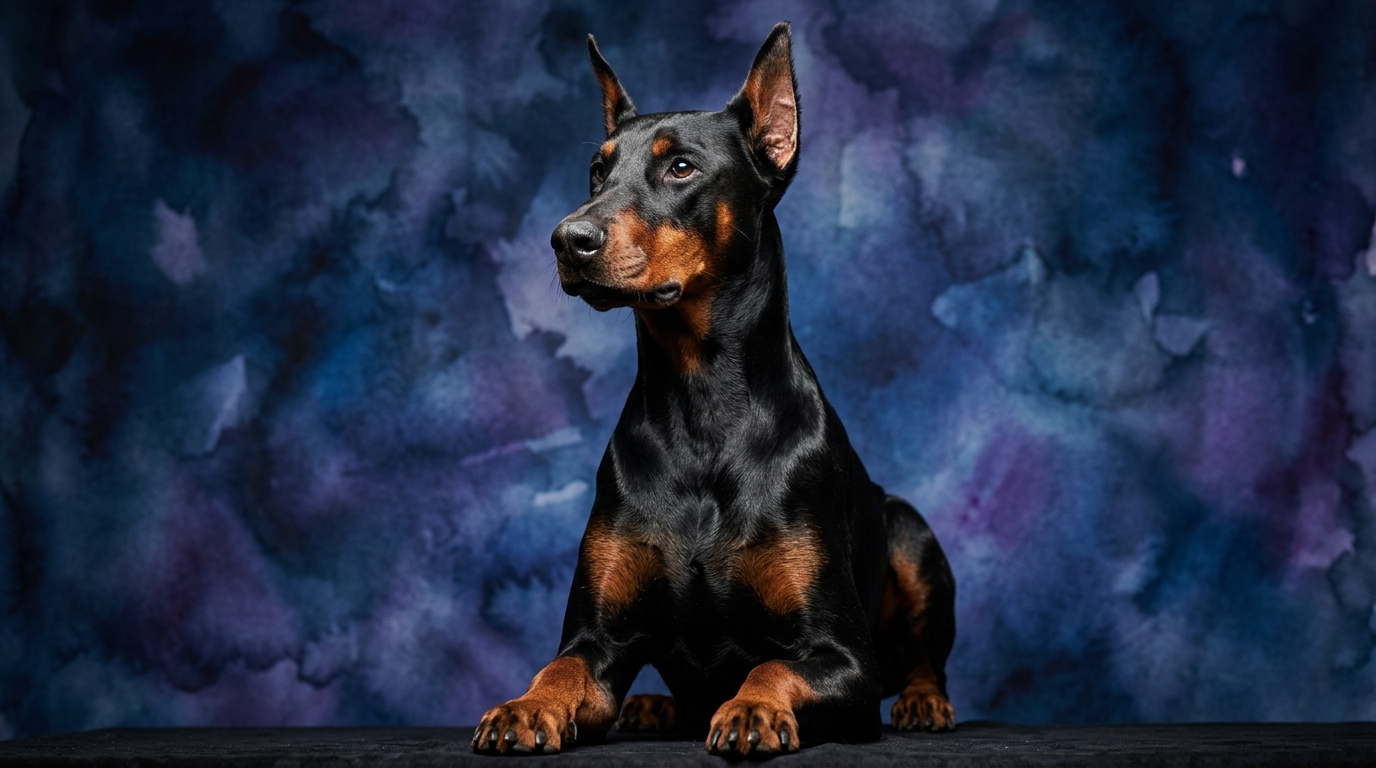
The Cosmic Pet Pet IQ Lab provides a structured framework for understanding canine cognitive strengths across five key dimensions. For the Doberman Pinscher, ranked #5 by Coren, its profile shows exceptional mental agility across the board. They score 5/5 in Problem Solving, indicating a rapid capacity to analyze novel situations and devise effective solutions without extensive human intervention. Their Training Speed also rates 5/5, reflecting an extraordinary ability to acquire and retain complex commands quickly, often generalizing learned behaviors to new contexts with minimal repetition. Social Intelligence stands at 4/5, signifying a keen awareness of human cues and emotions, fostering strong, responsive bonds, though they can be discerning with unfamiliar individuals. An Instinctive Drive of 5/5 highlights their inherent desire to perform tasks and protect, channeling their energy into purposeful action. Finally, their Memory is a robust 5/5, allowing them to recall learned behaviors, routines, and experiences over significant periods.
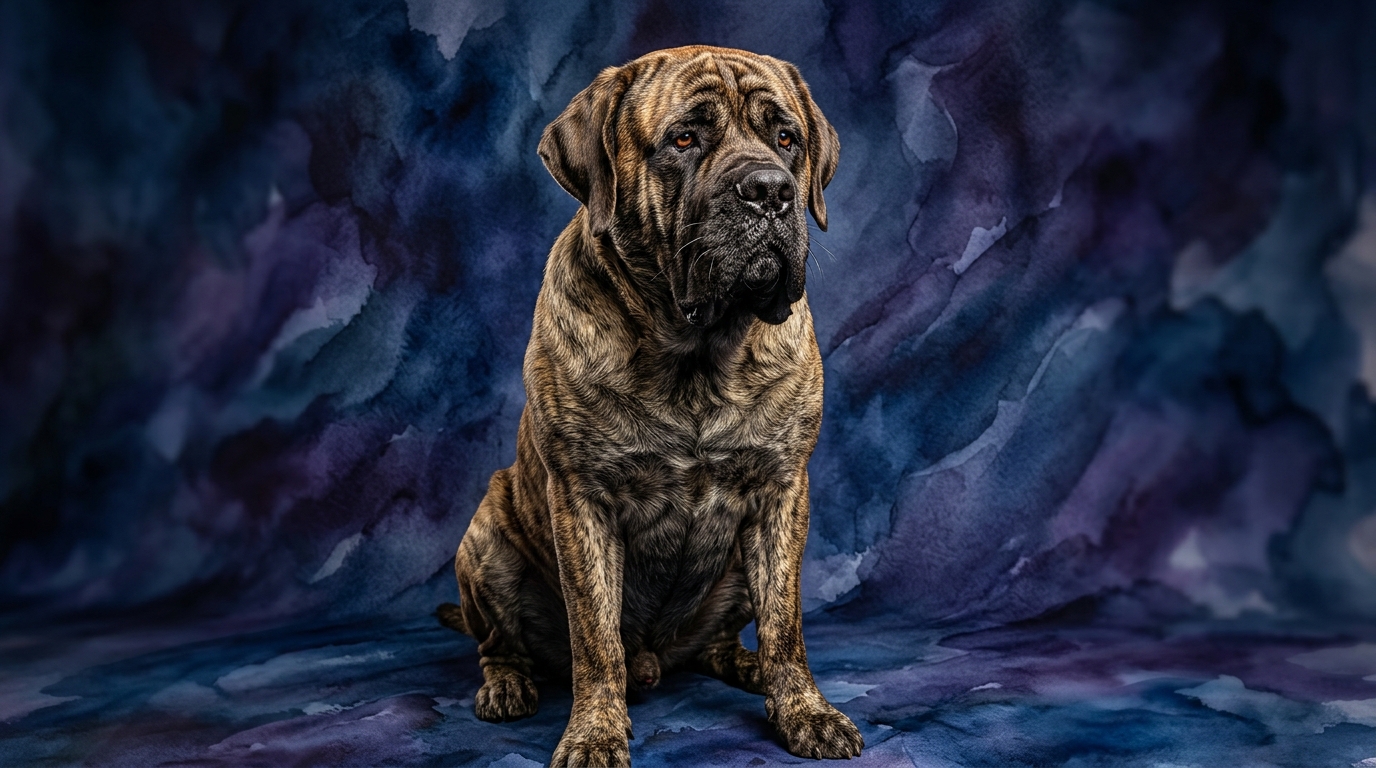
In contrast, the Mastiff, ranking #72 by Coren, presents a more measured cognitive landscape. Their Problem Solving is rated 3/5, suggesting a deliberate approach to new challenges, often preferring to observe or seek guidance rather than immediately experiment. Training Speed is also 3/5, meaning they require more consistent repetition and patience to internalize commands and generalize them across different environments. Social Intelligence scores 3/5; while deeply devoted to their families, their understanding of subtle social cues, especially from strangers, is less pronounced, often manifesting as reserved or watchful behavior. An Instinctive Drive of 3/5 indicates a protective nature that typically relies on their imposing presence as a deterrent rather than immediate, dynamic action. Their Memory is rated 3/5, allowing them to follow established routines and recall familiar situations, but less frequent tasks may require periodic refreshers.
Where the Doberman Pinscher Excels Cognitively
The Doberman Pinscher's cognitive strengths lie in its speed of processing and execution. Their 5/5 rating in Problem Solving means they quickly assess environmental changes, such as a novel obstacle or a sudden sound, and formulate a response with remarkable efficiency. This translates into an aptitude for intricate tasks, like navigating complex agility courses or performing multi-step search and rescue operations, where rapid decision-making is paramount. Their superior Training Speed and Memory work in tandem, allowing them to master an extensive vocabulary of commands and retain them without constant drilling. This breed thrives on learning and applying their intellect, making them exceptional candidates for advanced obedience, protection work, and competitive canine sports where precision and prompt reactions are rewarded. The Doberman's high instinctive drive further fuels their desire to engage in purposeful activity, ensuring they are not only capable but also eager to deploy their mental faculties.
Where the Mastiff's Cognition Shines Differently
While not characterized by rapid cognitive processing, the Mastiff's strengths manifest in a different, equally valuable manner. Their deliberate Problem Solving at 3/5 means they are less prone to impulsive reactions, often taking a moment to survey a situation before responding. This calm, measured approach can be a significant advantage in environments requiring steadfast composure rather than immediate action, such as guarding duties where their sheer presence is often enough. Their social intelligence, while rated 3/5, translates into a profound, unwavering loyalty to their family, forming deep, stable bonds built on trust and companionship. This isn't about rapid interpretation of subtle human cues from all individuals, but rather a deep, instinctual understanding of their inner circle. Their lower instinctive drive means they are generally less restless and prone to seeking constant stimulation, content with a watchful, serene existence that contributes to a peaceful household atmosphere. This unique blend of traits makes them formidable yet gentle guardians, relying on their imposing stature and composed demeanor.
Training Dynamics: Doberman Pinscher vs. Mastiff
When it comes to ease of training, the Doberman Pinscher generally presents a more straightforward experience for owners due to their exceptional training speed and memory. Their eagerness to learn and please, combined with their quick grasp of commands, means they absorb new information rapidly. For example, teaching a Doberman to 'stay' might involve only a few repetitions before they reliably hold the position, even with increasing distractions. Their high instinctive drive means they are intrinsically motivated to engage in structured activities, making positive reinforcement highly effective for shaping complex behaviors and achieving advanced obedience titles. They often enjoy the mental challenge of learning new things, transforming training into a rewarding collaborative effort.
The Mastiff, with a training speed of 3/5 and memory of 3/5, requires a different approach marked by patience and consistency. While perfectly capable of learning, they process information at a slower pace, meaning commands need to be repeated more frequently and consistently over time before they become ingrained. For instance, teaching a Mastiff to 'stay' might take many more sessions and a gradual increase in duration and distance before they achieve reliability. Their less intense instinctive drive means they might not always be as enthusiastic about repetitive drills; therefore, training sessions must be kept positive, engaging, and relatively short to maintain their focus and prevent boredom. Owners must understand that a Mastiff's learning curve is longer, and progress, while steady, will be more gradual, relying heavily on clear communication and unwavering patience.
Matching Breeds to Lifestyles: Active vs. Relaxed Owners
The Doberman Pinscher is an ideal companion for active owners who thrive on engagement and shared activities. Their exceptional problem-solving abilities, high instinctive drive, and boundless energy mean they require significant mental and physical stimulation to remain content and well-adjusted. Owners who enjoy long runs, hiking, dog sports like agility or Schutzhund, or who are looking for a dog to perform working roles will find a Doberman a highly compatible and eager partner. They need consistent training, daily exercise, and opportunities to use their sharp minds, making them less suitable for individuals seeking a low-maintenance, sedentary companion. An owner who can channel the Doberman's drive into productive outlets will be rewarded with a devoted and highly capable dog.
Conversely, the Mastiff is better suited for more relaxed owners who appreciate a calm, steadfast presence over constant activity. While they require daily walks to maintain health, their energy levels are moderate, and they are generally content with a more leisurely pace of life. Their lower instinctive drive means they aren't constantly seeking a 'job' to do, preferring to be a watchful, loyal companion within the home. Owners who enjoy quiet evenings, gentle companionship, and are prepared for a dog whose training journey is more about consistent reinforcement than rapid achievement will find the Mastiff an incredibly rewarding choice. Their imposing size combined with their gentle demeanor makes them excellent, albeit large, family dogs for those who value serenity and devotion.
The Verdict
Choose the Doberman Pinscher if you are an active, experienced owner seeking a highly responsive, mentally agile companion for advanced training, canine sports, or demanding working roles, and you can provide ample daily mental and physical stimulation.
Opt for the Mastiff if you are a relaxed owner desiring a steadfast, calm, and deeply devoted guardian whose imposing presence and gentle nature are valued over rapid task execution or intense physical demands, and you are prepared for a patient, consistent training approach.
🧠 Find Your Pet's IQ Score
Our Pet IQ Lab assessment covers 25+ tests across 5 cognitive dimensions — personalized to your breed.
Take the Full IQ Test →Frequently Asked Questions
Is the Doberman Pinscher suitable for first-time dog owners?
Dobermans thrive with experienced owners who understand their need for consistent training, mental engagement, and socialization, making them a more challenging choice for novices. Their high drive and sharp intellect require a confident, knowledgeable handler to guide them effectively through puppyhood and adolescence.
Do Mastiffs require a lot of exercise?
While large, Mastiffs are not high-energy dogs and require moderate daily exercise, such as a leisurely walk, to maintain their health without overexertion. Their substantial size means strenuous activity can be hard on their joints, so low-impact activities are preferred to prevent orthopedic issues.
How does social intelligence differ between these breeds?
Dobermans exhibit higher social intelligence through their acute awareness of human emotions and their ability to quickly adapt their behavior to social cues from various individuals. Mastiffs demonstrate social intelligence through their deep loyalty and protective instincts towards their immediate family, often displaying a more reserved and watchful demeanor with strangers or in new social settings.