Side-by-Side IQ Profile
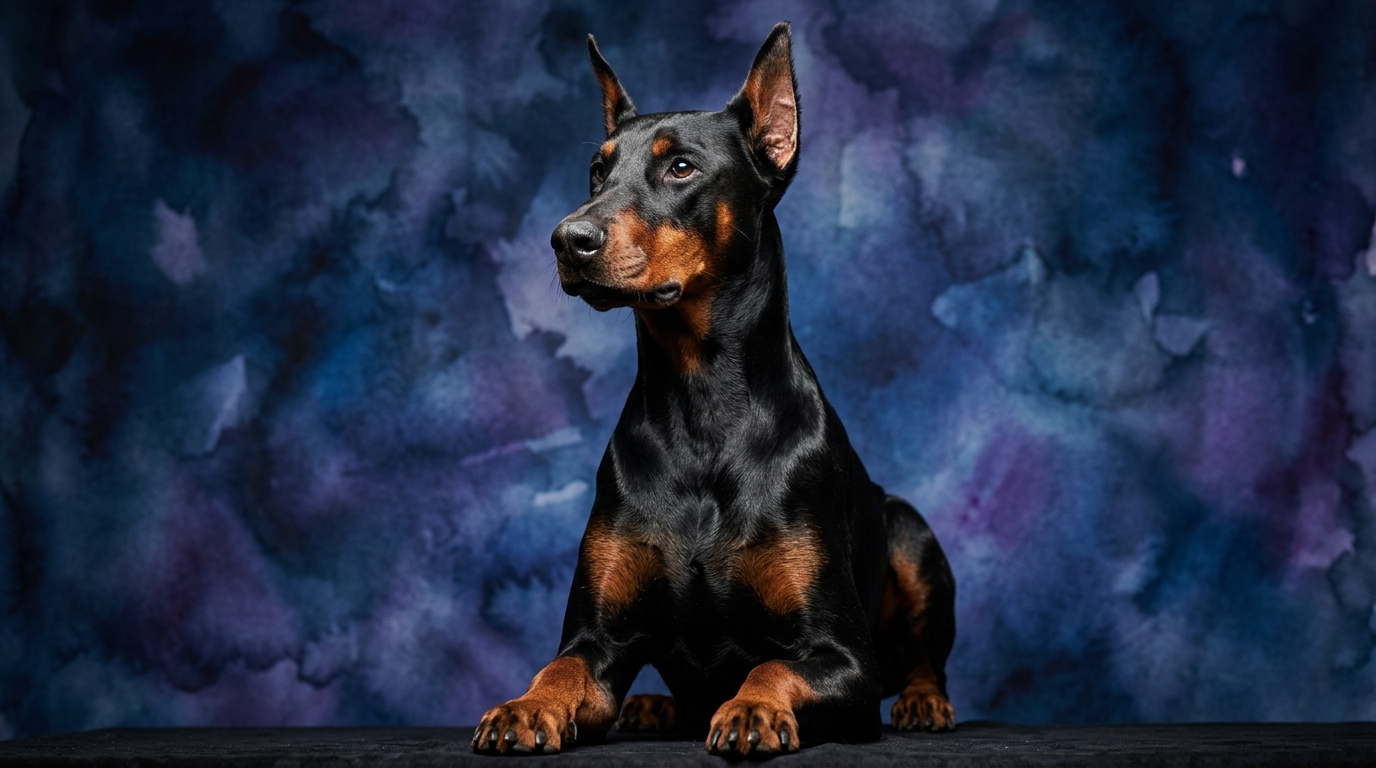
**Doberman Pinscher**: This Working Group breed, ranked #5 by Coren, displays a cognitive profile built for purpose and partnership. Its Problem Solving is a perfect 5/5, indicating an exceptional ability to navigate complex situations and strategize solutions, whether it's figuring out a puzzle or assessing a novel environment. Training Speed also scores 5/5, meaning Dobermans grasp new commands and routines with remarkable swiftness, often requiring minimal repetitions. Social Intelligence, at 4/5, highlights their attunement to human cues and social dynamics, fostering a deep, responsive bond. An Instinctive Drive of 5/5 underscores their powerful intrinsic motivation, often manifesting as a strong desire to work, guard, or pursue tasks with intense focus. Finally, Memory is a solid 5/5, ensuring they retain learned behaviors, experiences, and associations over long periods.
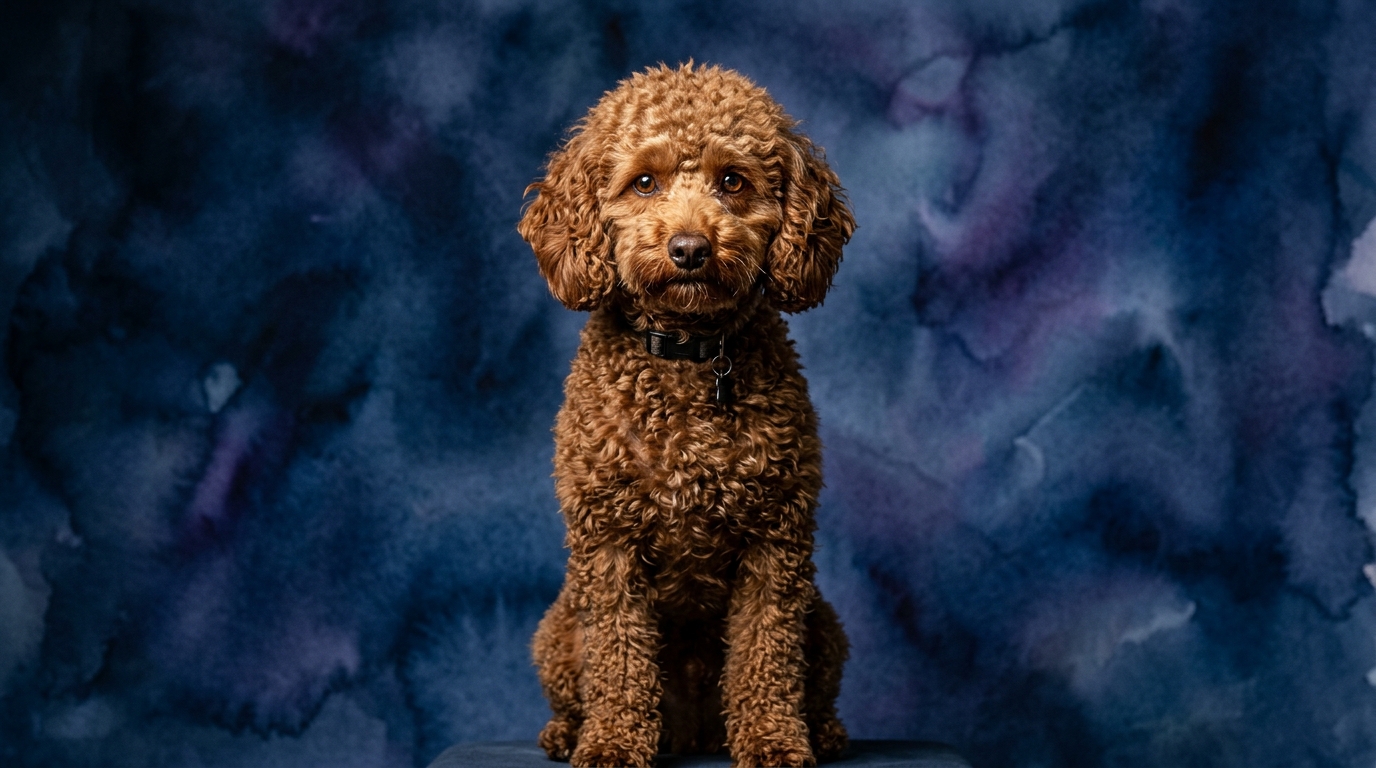
**Miniature Poodle**: Holding the #2 Coren rank, the Miniature Poodle from the Non-Sporting Group presents a slightly different, yet equally impressive, cognitive blueprint. Like the Doberman, its Problem Solving is 5/5, showcasing a keen mind for figuring things out, be it an intricate obedience sequence or an environmental challenge. Training Speed is also 5/5, making them incredibly quick learners, eager to absorb and execute new instructions. However, their Social Intelligence is rated 3/5, suggesting they are responsive to human interaction but perhaps not with the same intense, driven focus on partnership as the Doberman. Their Instinctive Drive, at 3/5, is more moderate, meaning they possess motivation for activity but generally lack the intense, task-oriented drive seen in many working breeds. Memory matches the Doberman at 5/5, allowing them to recall a vast repertoire of commands, tricks, and past experiences with precision.
Where Doberman Pinscher Wins Cognitively
The Doberman Pinscher's cognitive strengths truly shine in scenarios demanding intense focus, decisive action, and a strong sense of purpose. Its Instinctive Drive, rated 5/5, is a clear differentiator; this isn't just about physical energy, but a profound internal motivation to engage with tasks and environment. This drive, combined with its 5/5 Problem Solving, means a Doberman isn't merely learning a task but often approaching it with an innate desire to succeed and complete it, particularly when it involves protection, tracking, or complex obedience. Their 4/5 Social Intelligence further amplifies this, allowing them to interpret human intent and direction with a nuanced understanding, forging a highly collaborative working relationship. For owners seeking a partner for demanding activities or those who appreciate a dog with a powerful, inherent job ethic, the Doberman's cognitive design is unparalleled, excelling where independent thought and strong will are assets.
Where Miniature Poodle Wins Cognitively
While the Doberman excels in driven, task-oriented roles, the Miniature Poodle's cognitive wins lie in its remarkable versatility and adaptability, often making its high Problem Solving (5/5) and Training Speed (5/5) more universally applicable. Its lower Instinctive Drive (3/5) means that while it still possesses ample energy and mental engagement, it's less prone to channel those drives into specific, potentially challenging, breed-typical behaviors without explicit training. This allows its formidable cognitive capacity to be directed across a broader spectrum of activities, from advanced obedience and agility to therapy work and trick training, often with less inherent resistance. The Poodle's #2 Coren rank is a testament to its exceptional capacity for obedience and working intelligence, indicating an outstanding ability to understand and execute human commands and intentions across diverse contexts, making its intelligence highly accessible and pliable for a wide range of roles.
Which is Easier to Train and Why
Both breeds boast an impressive 5/5 score for Training Speed, indicating they learn new commands quickly. However, the *ease* of training in a practical sense can differ due to their other cognitive traits. The Miniature Poodle, with its 5/5 Problem Solving and Training Speed, combined with a more moderate 3/5 Instinctive Drive, often presents as exceptionally eager to please and highly receptive to diverse training methods. Its relatively lower drive means it might be less inclined to follow its own instincts over human commands, making it highly compliant and adaptable to various learning environments, from home obedience to complex competitive sports.
The Doberman Pinscher, while equally fast to learn with 5/5 Training Speed, also possesses a potent 5/5 Instinctive Drive and 4/5 Social Intelligence. This means a Doberman will learn commands rapidly and form a deep bond, but its training often requires a more structured, consistent, and confident approach to channel its powerful drive and ensure its formidable will is directed positively. While both are highly trainable, the Poodle's innate compliance might make it slightly 'easier' for a first-time or less experienced owner to manage, whereas the Doberman demands a trainer who can match its intensity and channel its immense potential effectively.
Which Suits Active Owners vs Relaxed Owners
Considering their distinct cognitive profiles, the Doberman Pinscher and Miniature Poodle cater to different owner lifestyles. The Doberman, with its 5/5 Instinctive Drive and 4/5 Social Intelligence, thrives with active owners who can provide consistent mental and physical stimulation. Its cognitive design demands a partnership where its drive is channeled into purposeful activities like advanced obedience, protection sports, tracking, or even demanding daily routines that engage its problem-solving abilities. A Doberman requires an owner who is not just physically active but also mentally engaged in their dog's daily life, offering leadership and consistent interaction; a relaxed owner might find the Doberman's unfulfilled drive manifesting in unwanted behaviors.
Conversely, the Miniature Poodle, with its 5/5 Problem Solving and Training Speed, coupled with a more moderate 3/5 Instinctive Drive, offers greater flexibility. While Poodles are certainly active and benefit immensely from mental challenges like agility or puzzle games, their drive isn't as inherently 'working' focused as the Doberman's. This means they can adapt well to moderately active owners who enjoy daily walks and regular mental enrichment through training and games, but might not require the same intensity of structured activity as a Doberman. They are equally content with a vigorous game of fetch as they are learning complex tricks indoors, making them suitable for owners who appreciate an engaged companion without needing to commit to a high-drive working partnership.
The Verdict
Opt for a Doberman Pinscher if you are an experienced, active owner seeking a highly driven, intensely loyal partner for protection, demanding sports, or a deeply bonded working relationship, capable of channeling its powerful instincts.
Select a Miniature Poodle if you desire a highly adaptable, exceptionally trainable companion eager for diverse mental challenges and activities, suitable for a range of lifestyles from moderately active to those enjoying intricate indoor training.
🧠 Find Your Pet's IQ Score
Our Pet IQ Lab assessment covers 25+ tests across 5 cognitive dimensions — personalized to your breed.
Take the Full IQ Test →Frequently Asked Questions
Does a Doberman Pinscher's higher social intelligence make it better with families?
A Doberman's 4/5 social intelligence indicates a deep attunement to human cues and a strong desire for partnership, which can translate to intense loyalty and protectiveness within a family. However, this also means they thrive on clear communication and consistent leadership from all family members, often forming a singular, strong bond with their primary caregiver.
Given their similar problem-solving scores, are Dobermans and Miniature Poodles equally good at learning tricks?
Both breeds excel at learning tricks due to their 5/5 problem-solving and training speed, but their motivation might differ. The Miniature Poodle's eagerness to please and moderate drive make it exceptionally versatile for trick training, while the Doberman's higher instinctive drive might mean it approaches tricks with more intensity, often excelling at those that involve focus or purpose.
How does the Doberman's 5/5 instinctive drive compare to the Poodle's 3/5 in daily life?
A Doberman's high instinctive drive means it inherently seeks purpose and engagement, often requiring structured activities to prevent boredom or destructive behaviors, and can manifest as a strong guarding instinct. The Miniature Poodle's moderate drive means it's still playful and enjoys activity, but its needs are generally less intense and more flexible, making it adaptable to a wider range of daily routines without the same demanding outlet for its intrinsic motivation.