Side-by-Side Cognitive Profile
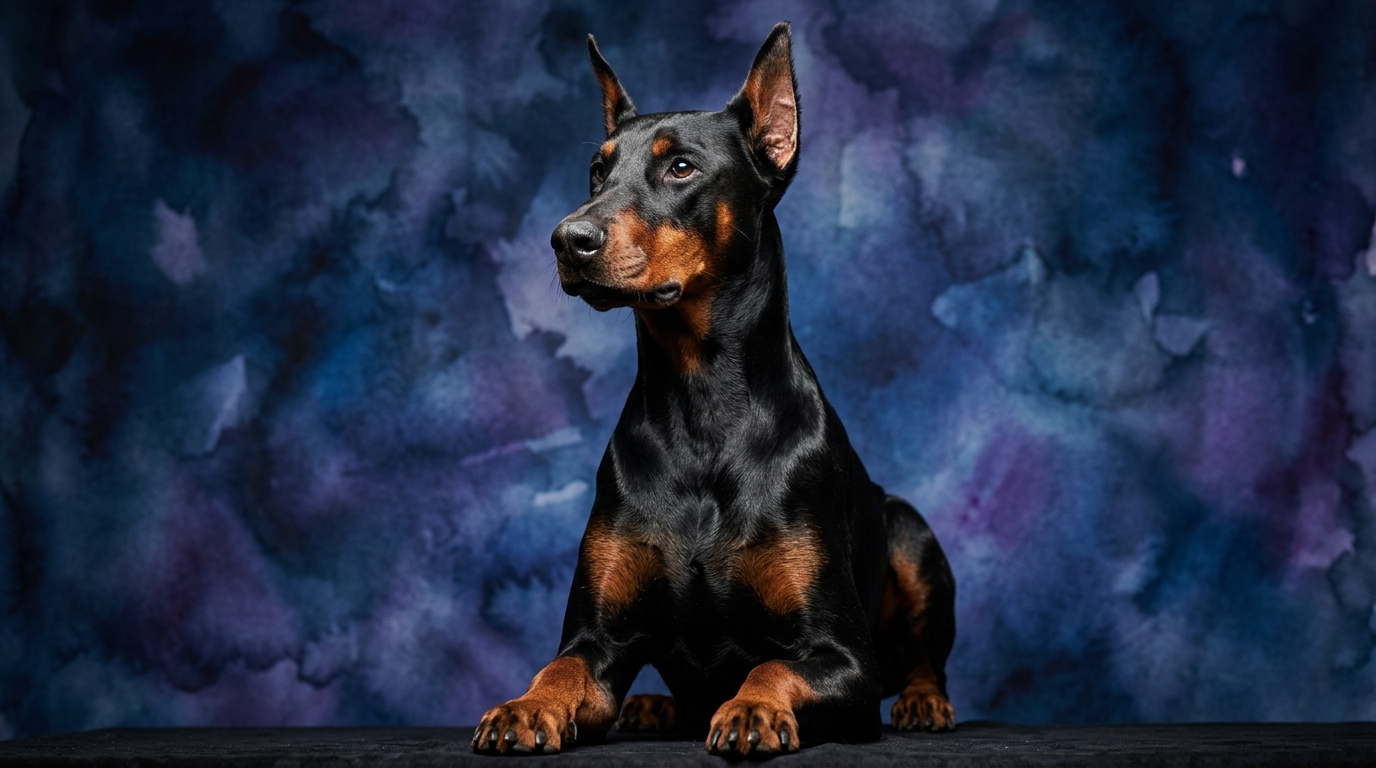
The Doberman Pinscher showcases a formidable cognitive profile, achieving 5/5 in Problem Solving, Training Speed, Instinctive Drive, and Memory. Their capacity for rapidly understanding and executing complex commands, coupled with an analytical approach to challenges, is exceptional. This intense instinctive drive fuels a persistent work ethic, supported by a perfect memory for long-term retention of behaviors and experiences. A 4/5 in Social Intelligence indicates strong responsiveness to human cues, often with a focused, task-oriented demeanor.
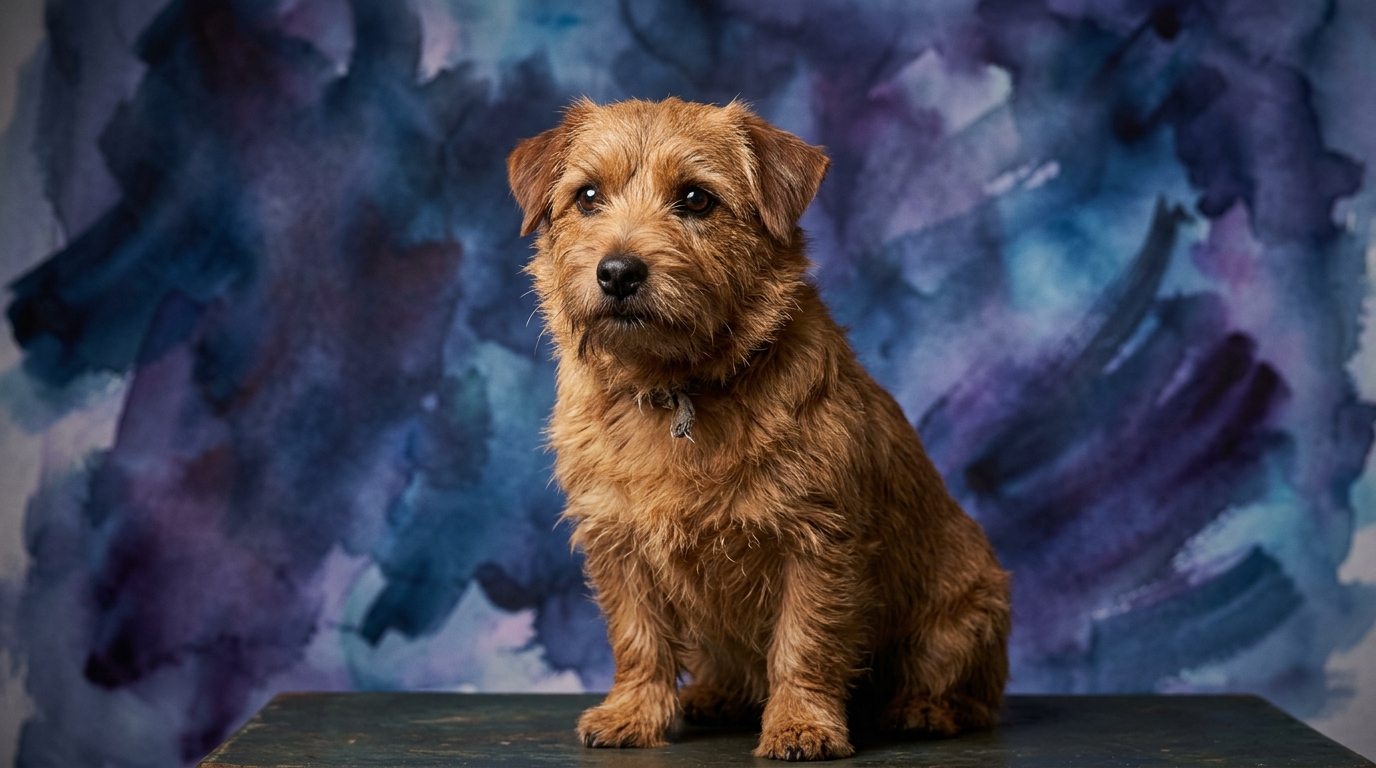
The Norfolk Terrier presents a consistent cognitive makeup, scoring 3/5 across all five dimensions: Problem Solving, Training Speed, Social Intelligence, Instinctive Drive, and Memory. This profile describes a capable, adaptable dog that learns and navigates its environment effectively, though not with the Doberman's swiftness. They possess adequate problem-solving skills for daily life, learn with consistent effort, and their social intelligence supports pleasant family interactions. A balanced instinctive drive ensures engagement without being overwhelmingly driven, and their memory reliably retains routines.
Where the Doberman Pinscher Excels Cognitively
The Doberman Pinscher's cognitive edge is pronounced in tasks requiring rapid acquisition, precise execution, and sustained mental effort. Its 5/5 in Problem Solving means it excels at unraveling intricate scenarios and understanding multi-step commands, adapting strategies efficiently. The 5/5 Training Speed enables Dobermans to master new skills with remarkable efficiency, often needing minimal repetitions, making them adept in advanced obedience or protection work. This swift learning is reinforced by a perfect 5/5 Memory, ensuring long-term retention of an extensive behavioral repertoire. The Doberman's potent 5/5 Instinctive Drive further translates into unwavering task commitment, providing the stamina and motivation essential for demanding working roles and competitive sports.
Where the Norfolk Terrier Shines Cognitively
The Norfolk Terrier's consistent 3/5 scores across all cognitive categories highlight a balanced, practical intelligence that excels in different ways. Its moderate 3/5 in Problem Solving indicates a resourceful mind, adept at navigating everyday situations and finding solutions without excessive complexity. This often translates to a charming independence, where the dog can manage minor self-entertainment or adjust to changes without constant human direction. A 3/5 in Social Intelligence suggests a dog engaged with its family but not overly reliant on constant attention, fostering a pleasant, less demanding companionship. The moderate 3/5 Instinctive Drive means they possess sufficient curiosity and zest for life without the intense, sometimes overwhelming, drive of working breeds. Their 3/5 Memory and Training Speed signify capable learning and retention, just at a more relaxed pace, suiting owners who appreciate a gradual, positive training journey.
Training Differences: Ease and Approach
The Doberman Pinscher holds a distinct advantage in ease of training. Its 5/5 Training Speed means it rapidly internalizes new commands and concepts, often requiring minimal repetitions. This swift learning is bolstered by its 5/5 Problem Solving, allowing it to quickly grasp the purpose of tasks, and its 5/5 Memory, which ensures enduring retention. Dobermans are typically eager to please and highly responsive, making them proficient in advanced obedience, complex tricks, or specialized roles. For instance, teaching a Doberman a multi-step retrieve often involves fewer sessions and less frustration for both dog and handler.
Conversely, the Norfolk Terrier, with its 3/5 in Training Speed, Problem Solving, and Memory, offers a different training experience. While capable of learning, the process demands more patience, consistency, and creative motivation. Terriers are known for their independent streak and often need convincing that a command is worthwhile. Their moderate problem-solving means they might take longer to connect actions with consequences, and their memory, while adequate for daily routines, might not retain complex sequences as readily. House-training a Norfolk, for example, often requires more vigilant supervision and consistent reinforcement over an extended period. Owners should anticipate a persistent, sometimes playful approach, rather than expecting immediate, unwavering compliance.
Matching Canine Cognition to Owner Lifestyle
For active owners seeking a dedicated canine partner for demanding pursuits, the Doberman Pinscher is an ideal match. Its 5/5 Instinctive Drive translates to an inherent desire for purposeful activity, thriving on physical and mental challenges. This breed excels in competitive dog sports like Schutzhund, agility, or advanced obedience, where its problem-solving and training speed are fully utilized. Dobermans require substantial daily exercise and consistent mental engagement to prevent boredom. An owner who enjoys long runs, intricate training, or canine jobs will find the Doberman an unwavering and enthusiastic companion, demanding a structured environment with ample intellectual stimulation.
The Norfolk Terrier, with its balanced 3/5 Instinctive Drive, aligns well with owners who appreciate a spirited companion without the need for high-intensity tasks. While an active breed that enjoys walks and play, its energy levels are more manageable. A Norfolk is content with regular daily exercise, like brisk walks or backyard games, and enjoys moderate mental enrichment. They suit owners who prefer a comfortable mix of activity and relaxation, appreciating a dog that is lively outdoors but also happy to settle indoors. Their moderate cognitive needs mean they are less prone to developing destructive behaviors from a lack of intense mental work, making them a suitable choice for those seeking a charming, independent companion.
The Verdict
Choose the Doberman Pinscher if you are an experienced owner seeking a highly trainable, driven partner for advanced obedience, protection work, or demanding canine sports, and are prepared to meet its substantial cognitive and physical needs.
Opt for the Norfolk Terrier if you desire a charming, independent, and spirited companion for a moderately active lifestyle, appreciating a dog with a balanced temperament and a less intense requirement for formal training and mental tasks.
🧠 Find Your Pet's IQ Score
Our Pet IQ Lab assessment covers 25+ tests across 5 cognitive dimensions — personalized to your breed.
Take the Full IQ Test →Frequently Asked Questions
Do Doberman Pinschers and Norfolk Terriers get along with other pets?
Doberman Pinschers, with 4/5 social intelligence, can coexist with other pets if socialized early, though their 5/5 instinctive drive requires careful management around smaller animals. Norfolk Terriers, at 3/5 social intelligence and instinctive drive, are generally amicable but can exhibit typical terrier feistiness towards other dogs without proper introductions, and their moderate prey drive means supervision with small furry pets is wise.
Which breed is better for first-time dog owners?
The Norfolk Terrier might be a more approachable choice for first-time owners due to its moderate cognitive demands and less intense energy levels, offering a more forgiving training journey. The Doberman Pinscher, with its demanding cognitive profile and intense drive, typically thrives with experienced owners who can provide consistent, structured training and ample mental stimulation.
How do their memory capabilities impact daily life?
The Doberman Pinscher's 5/5 memory ensures exceptional retention of commands, routines, and experiences, leading to reliable long-term recall and rapid mastery of complex tasks. The Norfolk Terrier's 3/5 memory is sufficient for daily routines and basic commands, allowing it to navigate its home life effectively, though less frequently practiced behaviors may require more consistent reinforcement.