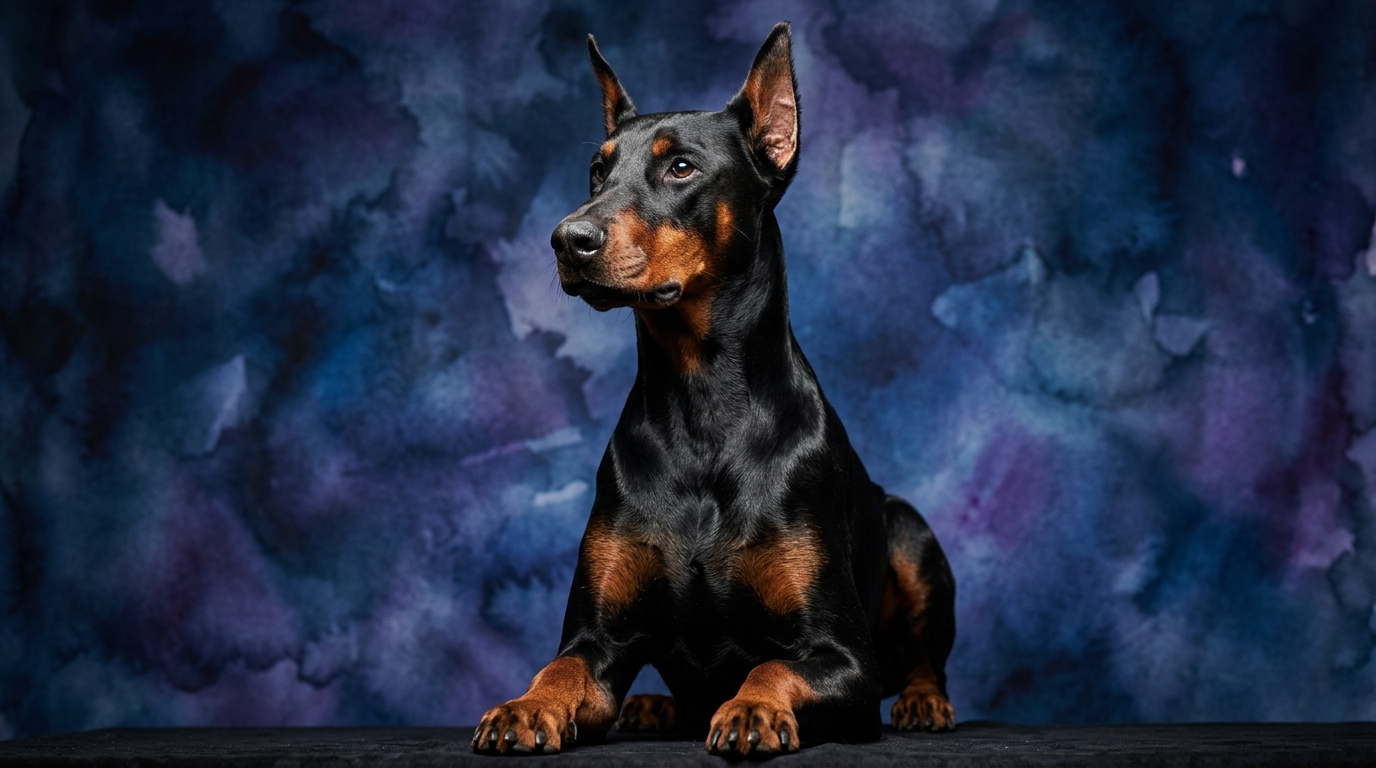
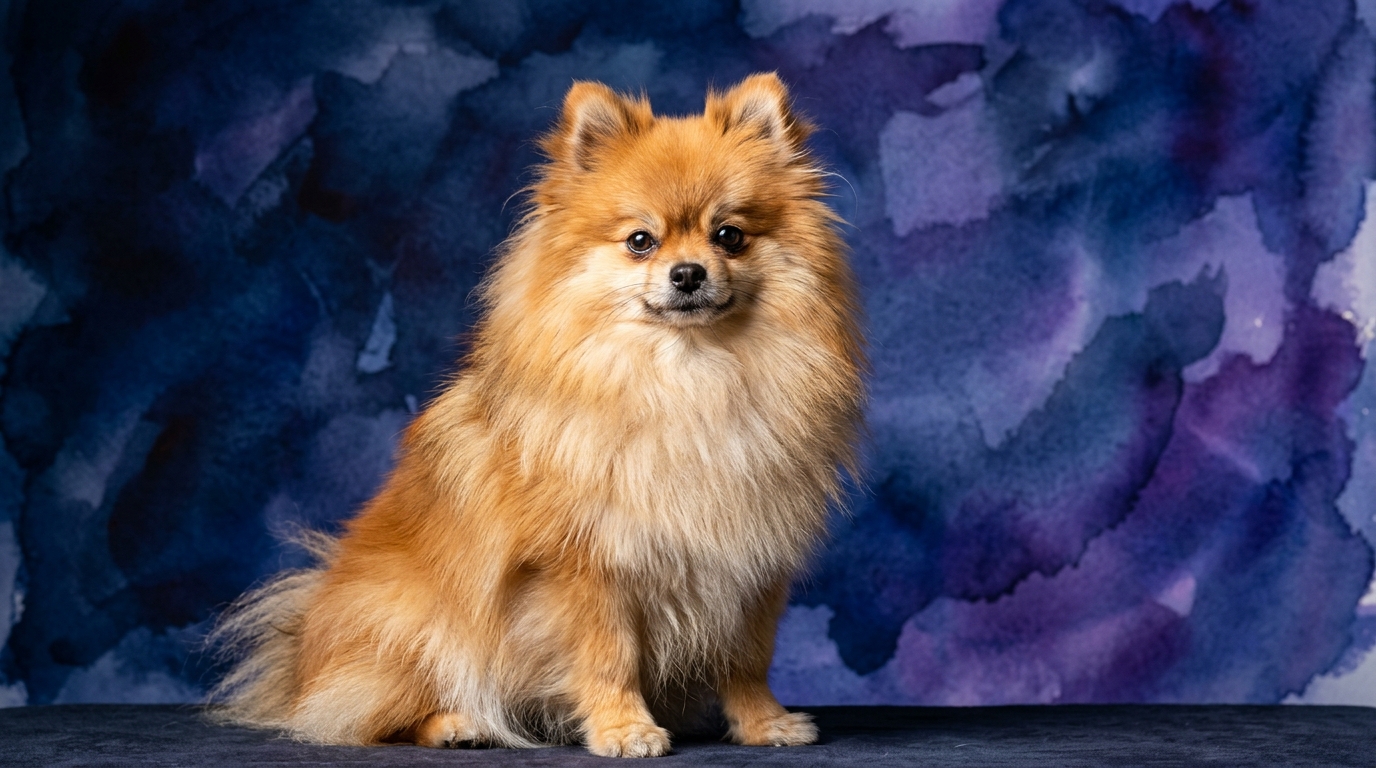
Side-by-Side IQ Profile: Doberman Pinscher vs. Pomeranian
The Cosmic Pet Pet IQ Lab provides a nuanced look at canine intelligence across five key dimensions. For the Doberman Pinscher, a Working breed ranked #5 by Coren, and the Pomeranian, a Toy breed ranked #23, these scores highlight divergent cognitive strengths tailored to their ancestral roles and breed development.
**Doberman Pinscher (Working, Coren rank #5):**
**Problem Solving (5/5):** Dobermans exhibit an exceptional capacity to analyze and navigate complex scenarios, quickly devising effective solutions for multi-step tasks or novel challenges.
**Training Speed (5/5):** This breed rapidly acquires new commands, often solidifying behaviors with minimal repetitions, making them highly responsive to structured training.
**Social Intelligence (4/5):** Dobermans keenly perceive human emotional states and intentions, forming deep, intuitive bonds within their trusted circle, though they can be discerning with outsiders.
**Instinctive Drive (5/5):** A profound innate drive propels Dobermans, fueling strong protective instincts and an eagerness for purposeful activities like tracking or guarding.
**Memory (5/5):** Their formidable memory allows Dobermans to retain vast amounts of learned information, commands, and experiences over extended periods, ensuring consistent performance.
**Pomeranian (Toy, Coren rank #23):**
**Problem Solving (4/5):** Pomeranians are adept at navigating their immediate environment, solving practical, human-centric problems like retrieving a toy or finding comfortable spots.
**Training Speed (4/5):** Poms learn commands effectively, responding well to positive reinforcement, though they may require more consistent motivation than working breeds.
**Social Intelligence (4/5):** These small companions are highly attuned to their human family's moods, using their charm and expressive nature to solicit attention or treats, demonstrating sophisticated household social dynamics.
**Instinctive Drive (3/5):** The Pomeranian's primary instinctive drives revolve around companionship, alert barking, and comfort, with less pronounced intrinsic motivation for formal "work."
**Memory (4/5):** Pomeranians possess a solid memory for routines, familiar faces, and learned behaviors relevant to their daily lives and social interactions.
Where the Doberman Pinscher Wins Cognitively
The Doberman Pinscher’s cognitive architecture truly shines in areas demanding sustained mental effort and structured application. Their 5/5 in Problem Solving means they don't just react; they strategize. For instance, in advanced obedience or protection work, a Doberman can learn intricate sequences, adapting their actions based on subtle handler cues and environmental changes, a nuanced understanding few breeds achieve. This isn't merely about following orders; it's about anticipating and executing complex tasks with precision, showcasing superior strategic thinking.
Furthermore, the Doberman's 5/5 Training Speed and 5/5 Memory create a formidable learning machine. They acquire new skills with remarkable efficiency, often needing only a handful of repetitions to ingrain a behavior, and crucially, they retain this knowledge over long periods. A Doberman trained in a specific sport years ago can often pick it back up with minimal refreshers, showcasing a depth of cognitive retention that facilitates long-term skill development and reliability in performance-oriented roles. Their 5/5 Instinctive Drive also means they possess an inherent desire for engagement and purpose, making them highly motivated partners in demanding cognitive tasks.
Where the Pomeranian Wins Cognitively
While the Doberman excels in structured, task-oriented intelligence, the Pomeranian's cognitive strengths lie in their nuanced social adaptability and environmental awareness within a domestic context. Their 4/5 Social Intelligence allows them to master the art of household diplomacy, often charming their way into extra treats or prime lap real estate. They are exceptionally good at reading human body language and vocal tones, using this insight to navigate social interactions effectively and often to their benefit. This isn't about complex problem-solving in a technical sense, but rather a sophisticated application of social cognition within their immediate family unit.
The Pomeranian's cognitive edge also manifests in their keen alertness and resourcefulness. Their solid memory (4/5) combined with observational skills allows them to remember routines, the location of favored items, and preferred spots for comfort. They might not be tracking a scent over miles, but they are exceptionally good at tracking the treat jar's location or anticipating dinner time. This blend of social acumen and practical resourcefulness makes them incredibly adept at thriving in a human-centric household, often becoming the watchful "managers" of their domain, demonstrating a different, yet equally valuable, form of intelligence tailored to companionship.
Which is Easier to Train and Why
When considering "easier to train," the Doberman Pinscher generally presents a more straightforward path for formal, complex obedience and task-oriented learning. Their exceptional Training Speed (5/5) means they grasp new commands almost immediately, and their high Memory (5/5) ensures these lessons stick. Coupled with their strong Instinctive Drive (5/5) for purpose, Dobermans thrive on structured training, viewing it as a job they are eager to perform. Their intense focus and desire to please their handler contribute significantly to their trainability for advanced work, making them highly reliable in diverse scenarios.
The Pomeranian, while possessing good Training Speed (4/5) and Memory (4/5), can present different training challenges. Their lower Instinctive Drive (3/5) for formal "work" means they might require more varied motivational techniques and shorter, more engaging sessions to maintain interest. Pomeranians are highly social (4/5 Social Intelligence), but their independent streak and occasional stubbornness mean consistency and high-value rewards are paramount. House training, for instance, might take longer due to their smaller bladder capacity and a tendency to prioritize immediate comfort, requiring diligent supervision and frequent outdoor opportunities.
Which Suits Active Owners vs. Relaxed Owners
The Doberman Pinscher is unequivocally suited for active owners who can provide ample mental and physical stimulation. Their 5/5 Instinctive Drive and 5/5 Problem Solving capabilities mean they require a consistent outlet for their energy and intellect, thriving when given a "job." Owners who enjoy activities like advanced obedience, agility, tracking, or protection sports will find an unparalleled partner in a Doberman. A relaxed lifestyle without sufficient engagement can lead to boredom and potentially destructive behaviors, as their minds and bodies are built for purposeful activity.
Conversely, the Pomeranian is an excellent match for more relaxed owners. While they certainly enjoy daily walks and playtime, their exercise needs are modest compared to a Doberman. Their 4/5 Social Intelligence means they are content to be close companions, happy to cuddle on the couch or observe household activities from a comfortable perch. Their lower Instinctive Drive (3/5) means they don't demand constant, intense mental work, making them well-suited for individuals or families who prefer a less demanding activity schedule, thriving on consistent attention as affectionate, alert house companions.
The Verdict
Opt for a Doberman Pinscher if you are an experienced, active owner seeking a highly capable, dedicated working companion who thrives on structure, consistent advanced training, and physically and mentally challenging activities.
Select a Pomeranian if you desire an affectionate, alert, and charming small companion who enjoys close proximity, moderate activity, and fits seamlessly into a less demanding, yet attentive, household lifestyle.
🧠 Find Your Pet's IQ Score
Our Pet IQ Lab assessment covers 25+ tests across 5 cognitive dimensions — personalized to your breed.
Take the Full IQ Test →Frequently Asked Questions
Is a Doberman Pinscher always easier to train than a Pomeranian?
For formal obedience and complex tasks, a Doberman's exceptional training speed and memory generally make them quicker to learn. Pomeranians are trainable, but often require more patience and varied motivation due to their lower intrinsic drive for structured work.
Which breed is more adaptable to apartment living based on their IQ?
The Pomeranian, with its moderate exercise needs and focus on social companionship, is typically more adaptable to apartment living. A Doberman, due to its high instinctive drive and problem-solving needs, requires significant mental and physical outlets, which can be challenging to provide sufficiently in a small apartment without dedicated effort.
Does social intelligence differ between these two breeds?
While both score 4/5, their social intelligence manifests differently. Dobermans are perceptive to handler cues and form deep bonds, focusing on their immediate family. Pomeranians are highly attuned to human emotions and leverage their charm effectively within the household, often with a broader, more universally engaging demeanor.