Side-by-Side IQ Profile: Doberman Pinscher vs. Saluki
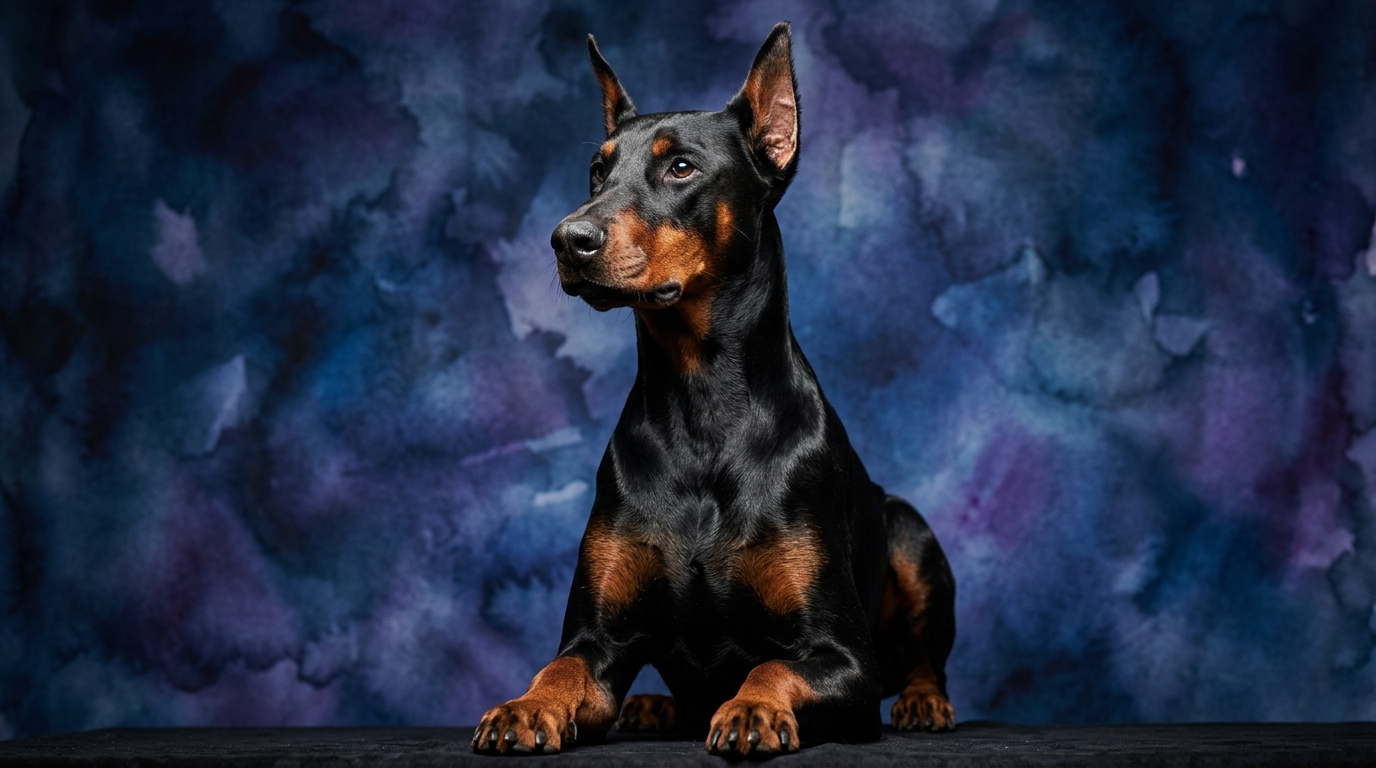
The Cosmic Pet Pet IQ Lab assesses canine intelligence across five key dimensions, offering a nuanced view of how breeds process information and interact with their world. For the Doberman Pinscher, a Working breed, their profile is marked by exceptional cognitive prowess. Their Problem Solving is rated 5/5, indicating a superior capacity for analytical thought and strategic planning in novel situations. Training Speed also scores 5/5, reflecting their rapid assimilation of new commands and concepts, often with minimal repetition. Social Intelligence stands at 4/5, showing a strong awareness of human cues and emotional states, albeit with a discerning nature towards strangers. Instinctive Drive is a powerful 5/5, fueling their persistent pursuit of tasks and roles, while Memory, at 5/5, underpins their consistent performance through outstanding retention of learned behaviors and experiences.
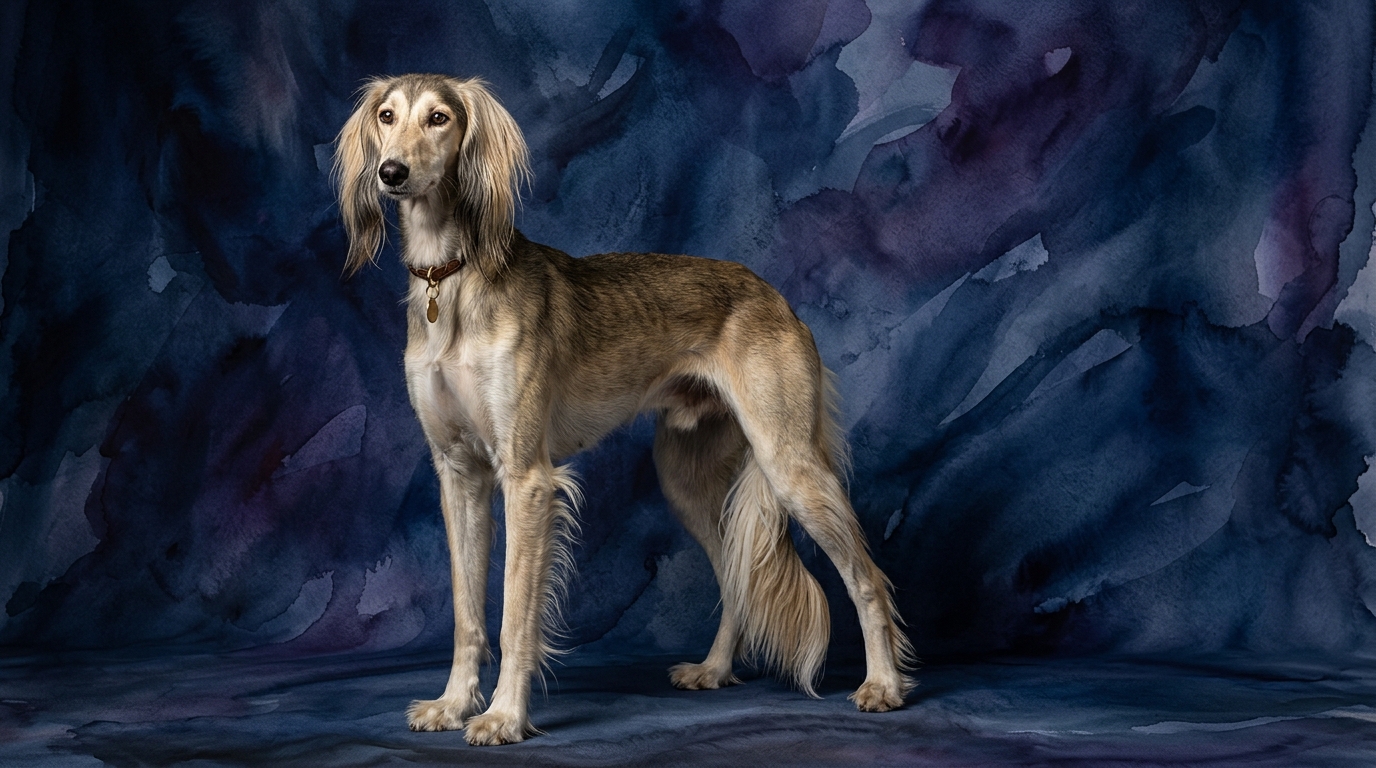
In contrast, the Saluki, a member of the Hound group, presents a different cognitive landscape. Their Problem Solving is rated 3/5, suggesting a more direct, instinct-driven approach rather than complex strategic thinking, unless highly motivated by their primal drives. Training Speed also sits at 3/5, indicating a moderate learning pace that often requires more patience and consistent reinforcement due to their independent streak. Social Intelligence is 3/5, reflecting deep bonds with their chosen family but often a reserved or aloof demeanor with outsiders. Instinctive Drive is 3/5, characterized by bursts of intense, specialized drive for chasing, but a more moderate general drive for continuous activity. Finally, Memory scores 3/5, functional for important routines and experiences, though perhaps without the same granular detail or long-term retention of intricate sequences seen in working breeds.
Where the Doberman Pinscher Wins Cognitively
The Doberman Pinscher's cognitive strengths shine brightly in scenarios demanding rapid processing and strategic application. Their Problem Solving score of 5/5 means they excel at deciphering novel puzzles or adapting quickly to changing environments, such as navigating a complex agility course they've never seen before. This breed demonstrates an exceptional capacity for foresight, often anticipating human intentions or environmental shifts, which is invaluable in roles requiring proactive decision-making. Coupled with a 5/5 in Training Speed and Memory, they not only grasp new concepts with astonishing swiftness but also retain them with remarkable tenacity, making them consistent performers in demanding tasks like advanced obedience or protection work. Their 5/5 Instinctive Drive further ensures they approach these challenges with unwavering focus and determination, pushing through obstacles where other breeds might falter due to waning interest.
Where the Saluki Wins Cognitively
While the Saluki's cognitive profile differs from the Doberman, their unique strengths are deeply rooted in their sighthound heritage. Their 3/5 in Instinctive Drive, while appearing lower in a general context, represents a highly specialized, intense focus on pursuit, which is a cognitive triumph in its own right. When a Saluki spots something to chase, their entire being, including their Problem Solving (3/5) and Memory (3/5), converges on that single objective. They exhibit an unparalleled ability to calculate trajectories, anticipate prey movements, and maintain sustained focus over long distances, filtering out all other distractions. This singular, powerful drive for the chase is not easily replicated by other breeds and represents a peak of specialized cognitive function for their purpose. Their moderate Social Intelligence (3/5) allows them to form deep, albeit often reserved, bonds with their chosen family, demonstrating a subtle understanding of their human companions without the overt eagerness of some working breeds. They 'win' in their refined independence and their profound, unyielding dedication to their primal hunting role.
Training Aptitude: Which is Easier to Train?
Comparing training ease between these two breeds reveals significant divergence. The Doberman Pinscher, with its 5/5 Training Speed and 5/5 Instinctive Drive, is generally far more straightforward to train. They possess an inherent desire to work alongside humans and a profound capacity to grasp and retain complex commands quickly. Their drive often manifests as an eagerness to please and a focus on the task at hand, making them highly responsive to positive reinforcement and structured learning environments. They thrive on clear direction and consistency, viewing training as an engaging partnership.
Conversely, the Saluki, scoring 3/5 in Training Speed and 3/5 in Instinctive Drive (outside of prey pursuit), presents a different training experience. Their independence means they require more patience and creative motivation. While they can learn, they don't always see the immediate value in performing tasks that don't align with their sighthound instincts. Training a Saluki often means finding ways to make the activity intrinsically rewarding or linking it to their natural drives, as they are less inclined to comply simply for human approval. Their focus can be easily diverted by visual stimuli, requiring consistent effort to maintain attention.
Lifestyle Match: Active vs. Relaxed Owners
The Doberman Pinscher, with its robust 5/5 Instinctive Drive and the energy characteristic of a working breed, is ideally suited for active owners. These dogs require consistent mental stimulation and physical exercise to thrive, excelling in activities like obedience, agility, tracking, or protection sports. An owner who enjoys daily vigorous walks, runs, or structured training sessions will find a Doberman a willing and enthusiastic partner. Their 4/5 Social Intelligence also means they appreciate close family integration and participation in activities.
In contrast, the Saluki, while capable of bursts of incredible speed, often prefers a more relaxed pace for much of the day, scoring 3/5 in Instinctive Drive for general activity. They need opportunities for safe, off-leash running in secure areas to satisfy their chase instinct, but outside of these sprints, they are often content lounging. This makes them surprisingly suitable for owners who appreciate a calm companion indoors, provided their specific exercise needs for intense, short bursts of running are met. They are not necessarily a 'relaxed' dog in the sense of being low-energy, but rather one whose energy expenditure is highly specialized and episodic.
The Verdict
Choose a Doberman Pinscher if you seek a highly engaged, trainable companion eager for structured activities and a strong working partnership, thriving on consistent mental and physical challenges.
Opt for a Saluki if you appreciate an independent, elegant companion who values comfort and bursts of intense, instinct-driven exercise, offering a more nuanced and reserved bond.
🧠 Find Your Pet's IQ Score
Our Pet IQ Lab assessment covers 25+ tests across 5 cognitive dimensions — personalized to your breed.
Take the Full IQ Test →Frequently Asked Questions
Do Doberman Pinschers require a lot of mental stimulation?
Absolutely. With a 5/5 in Problem Solving and Memory, Dobermans thrive on consistent mental challenges, from puzzle toys to advanced training, to prevent boredom and channel their considerable cognitive energy constructively.
Are Salukis difficult to train for basic obedience?
Salukis can be more challenging for basic obedience due to their independent nature and lower Training Speed score (3/5). Patience, positive reinforcement, and understanding their sighthound instincts are key to successful training.
How do their social needs compare?
Dobermans (Social Intelligence 4/5) are generally more outwardly engaged and family-oriented, seeking interaction. Salukis (Social Intelligence 3/5) form deep, but often more reserved, bonds and can be aloof with strangers, valuing their personal space.