Side-by-Side IQ Profile: Doberman Pinscher vs. Shih Tzu
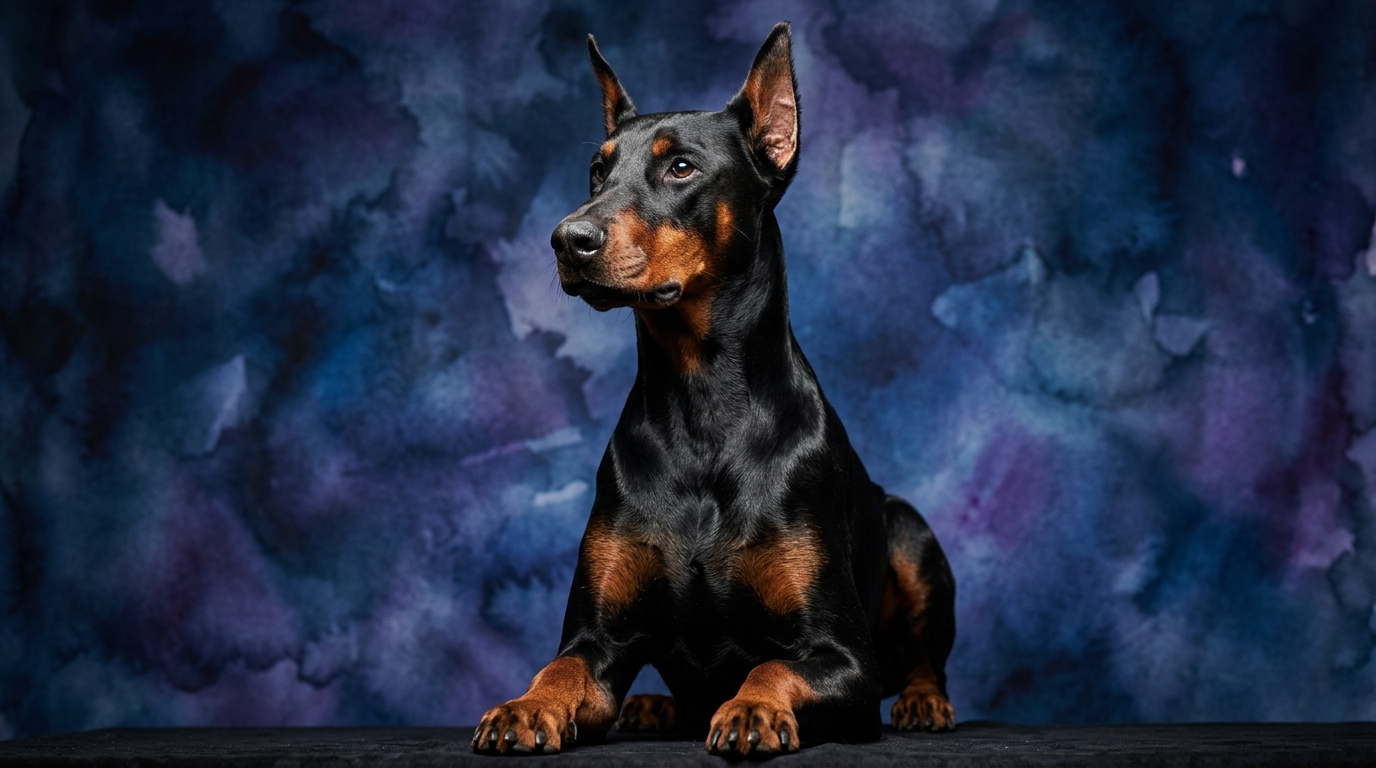
The Doberman Pinscher, a Working breed with a Coren rank of #5, presents a robust cognitive profile tailored for demanding tasks. Their Problem Solving is rated a perfect 5 out of 5, indicating a strong capacity to independently navigate complex situations and devise solutions. Training Speed also stands at an impressive 5 out of 5, suggesting rapid acquisition of new commands and routines. Social Intelligence for the Doberman is 4 out of 5, reflecting a good understanding of human cues and pack dynamics, though perhaps with a slight independent streak. Their Instinctive Drive is a powerful 5 out of 5, demonstrating an innate motivation for specific actions, often related to their working heritage. Finally, their Memory is rated 5 out of 5, meaning they retain learned behaviors and experiences over long periods.
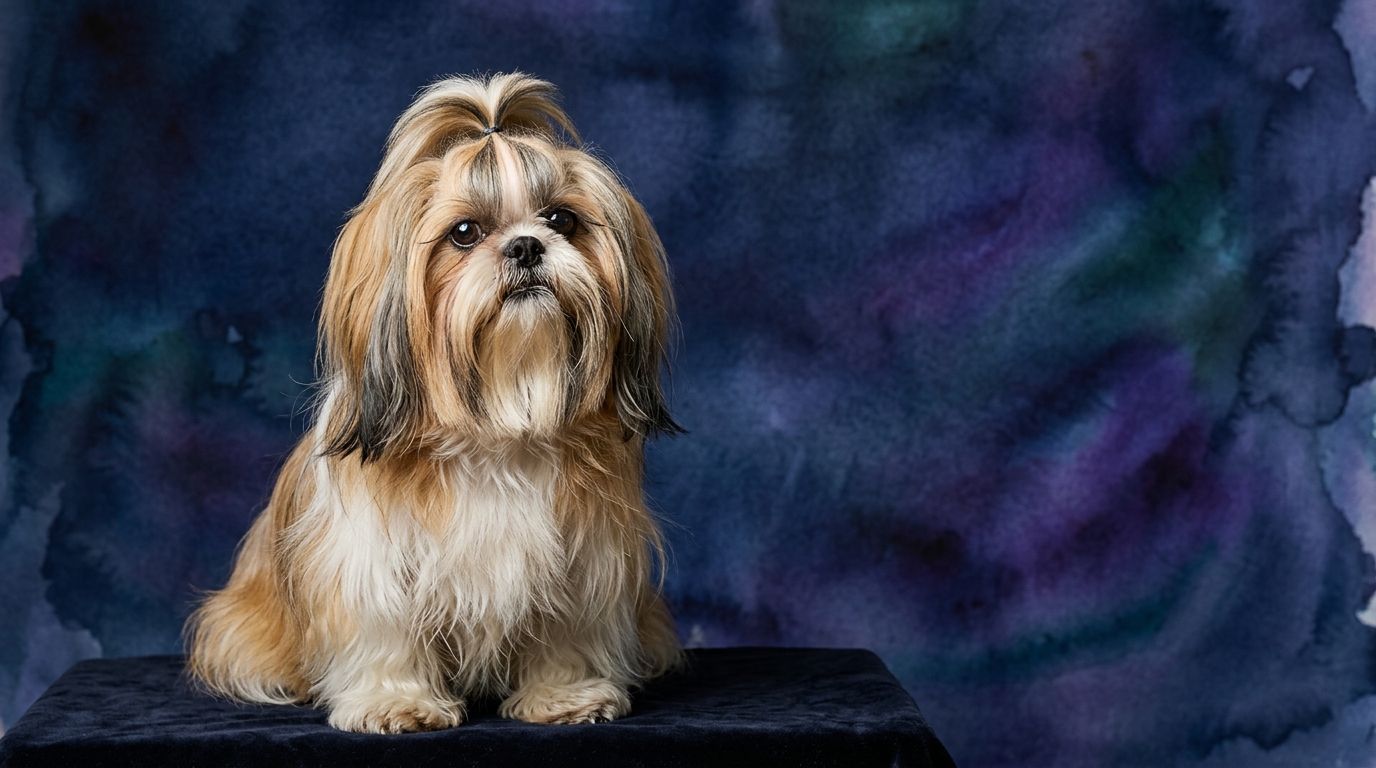
In contrast, the Shih Tzu, a Toy breed with a Coren rank of #70, exhibits a cognitive makeup optimized for companionship. Their Problem Solving is 3 out of 5, showing a moderate ability to tackle novel challenges, often preferring guidance. Training Speed is 2 out of 5, suggesting they may require more repetition and patience to master new commands. Where the Shih Tzu truly shines is in Social Intelligence, earning a perfect 5 out of 5, indicating an exceptional ability to bond, interpret human emotions, and integrate into family life. Their Instinctive Drive is 2 out of 5, meaning they possess a lower intrinsic motivation for task-oriented behaviors, favoring comfort and closeness. Memory for the Shih Tzu is 3 out of 5, allowing them to recall familiar routines and people, but perhaps less detailed than their Doberman counterpart.
Where Doberman Pinscher Wins Cognitively
The Doberman Pinscher's cognitive strengths are evident across multiple dimensions, particularly in areas requiring independent thought and rapid learning. Their Problem Solving score of 5/5 means they are adept at processing environmental stimuli and formulating effective responses, whether it’s figuring out how to open a gate or navigating a complex obstacle course. This isn't about brute force; it's about mental agility and strategic thinking. This capacity extends to their impressive 5/5 Training Speed, allowing them to grasp new concepts and commands with minimal repetition, making them highly responsive to consistent instruction.
Furthermore, the Doberman's 5/5 Instinctive Drive fuels a purposeful existence, often manifesting as a strong desire to work or fulfill a perceived role, which can be channeled effectively in structured activities like obedience, agility, or protection work. This drive, combined with their perfect 5/5 Memory, ensures that once a Doberman learns a task or a rule, it is deeply ingrained. They recall training cues, boundaries, and even specific sequences of events with remarkable accuracy, contributing to their reputation as dependable and consistent performers in various disciplines.
Where Shih Tzu Wins Cognitively
The Shih Tzu's primary cognitive triumph lies in their exceptional Social Intelligence, scoring a perfect 5 out of 5. This isn't merely about being friendly; it's a profound ability to understand and respond to human emotions, body language, and social cues. A Shih Tzu can often sense a change in their owner's mood, offering comfort or seeking attention appropriately, making them incredibly intuitive companions. Their cognitive framework is finely tuned to foster deep, reciprocal bonds with their human families, prioritizing harmonious interaction above all else.
This high social intelligence also contributes to their adaptability within a home environment. While their Problem Solving and Instinctive Drive scores are lower, their capacity to read and react to their owners' desires means they often learn household routines and expectations through observation and social reinforcement. They excel in environments where companionship and emotional connection are paramount, demonstrating a cognitive specialization in relational dynamics rather than task execution or independent strategizing.
Which Is Easier to Train and Why
When considering ease of training, the Doberman Pinscher generally presents a more straightforward experience for an owner willing to invest consistent effort. Their 5/5 Training Speed means they absorb new commands and behaviors quickly, often after just a few repetitions. This rapid learning curve is supported by their high problem-solving ability (5/5), allowing them to understand the 'why' behind a command and generalize it to different situations. For instance, teaching a Doberman to 'stay' involves not just the physical act but their cognitive understanding of the duration and context, leading to reliable performance.
The Shih Tzu, with a Training Speed of 2/5, typically requires more patience and creative motivation. Their lower instinctive drive (2/5) means they might not be as inherently motivated by traditional task-based rewards or the desire to 'work' for their owner. Instead, their high social intelligence (5/5) means they respond best to positive reinforcement rooted in affection and connection. While a Doberman might excel at complex obedience routines, a Shih Tzu might take longer to master basic commands, but will respond well to gentle, consistent methods focused on strengthening their bond rather than demanding strict adherence.
Which Suits Active Owners vs. Relaxed Owners
The Doberman Pinscher is unequivocally suited for active owners who relish engagement and purpose. Their exceptional instinctive drive (5/5) means they thrive on having a job, whether it's participating in dog sports like agility, Schutzhund, or advanced obedience, or simply accompanying their owner on vigorous runs and hikes. Their high problem-solving ability and memory make them excellent partners for complex activities that require sustained focus and learning. An owner who can provide consistent mental and physical stimulation will find the Doberman a deeply rewarding and balanced companion, channeling their powerful cognitive energies constructively.
Conversely, the Shih Tzu is an ideal match for relaxed owners seeking a devoted and emotionally attuned companion. Their lower instinctive drive (2/5) means they are content with moderate indoor play and shorter, leisurely strolls rather than demanding extensive physical exertion. Their superior social intelligence (5/5) makes them thrive on close companionship, cuddles, and being an integral, cherished part of daily family life. For individuals who prioritize quiet affection and a strong emotional bond over strenuous activities, the Shih Tzu's cognitive makeup perfectly aligns with a more serene, companion-focused lifestyle.
The Verdict
Choose the Doberman Pinscher if you are an active, committed owner seeking a highly trainable, driven partner for sports, tasks, or a structured lifestyle, valuing their sharp problem-solving and memory.
Opt for the Shih Tzu if you are a relaxed owner prioritizing a deeply affectionate, socially intuitive companion who thrives on close emotional bonds and a more leisurely pace of life.
🧠 Find Your Pet's IQ Score
Our Pet IQ Lab assessment covers 25+ tests across 5 cognitive dimensions — personalized to your breed.
Take the Full IQ Test →Frequently Asked Questions
Do Doberman Pinschers get bored easily?
Yes, due to their high problem-solving ability and instinctive drive, Doberman Pinschers require consistent mental and physical engagement to prevent boredom. Insufficient stimulation can lead to behaviors like destructive chewing or excessive barking, as they will find their own 'work' if not provided with a constructive outlet.
Are Shih Tzus difficult to house train?
Shih Tzus can sometimes be more challenging to house train due to their lower training speed and instinctive drive, often requiring more patience and consistent positive reinforcement. Their small bladder size also means more frequent potty breaks, but their high social intelligence means they respond well to owner approval and gentle guidance.
Can a Doberman Pinscher and Shih Tzu live together?
Yes, a Doberman Pinscher and Shih Tzu can coexist peacefully, especially if socialized from a young age. The Doberman's social intelligence allows them to adapt to different companions, while the Shih Tzu's high social intelligence helps them integrate into a multi-dog household, though size differences always warrant supervision.