Side-by-Side Cognitive Profiles: Doberman Pinscher vs. Silky Terrier
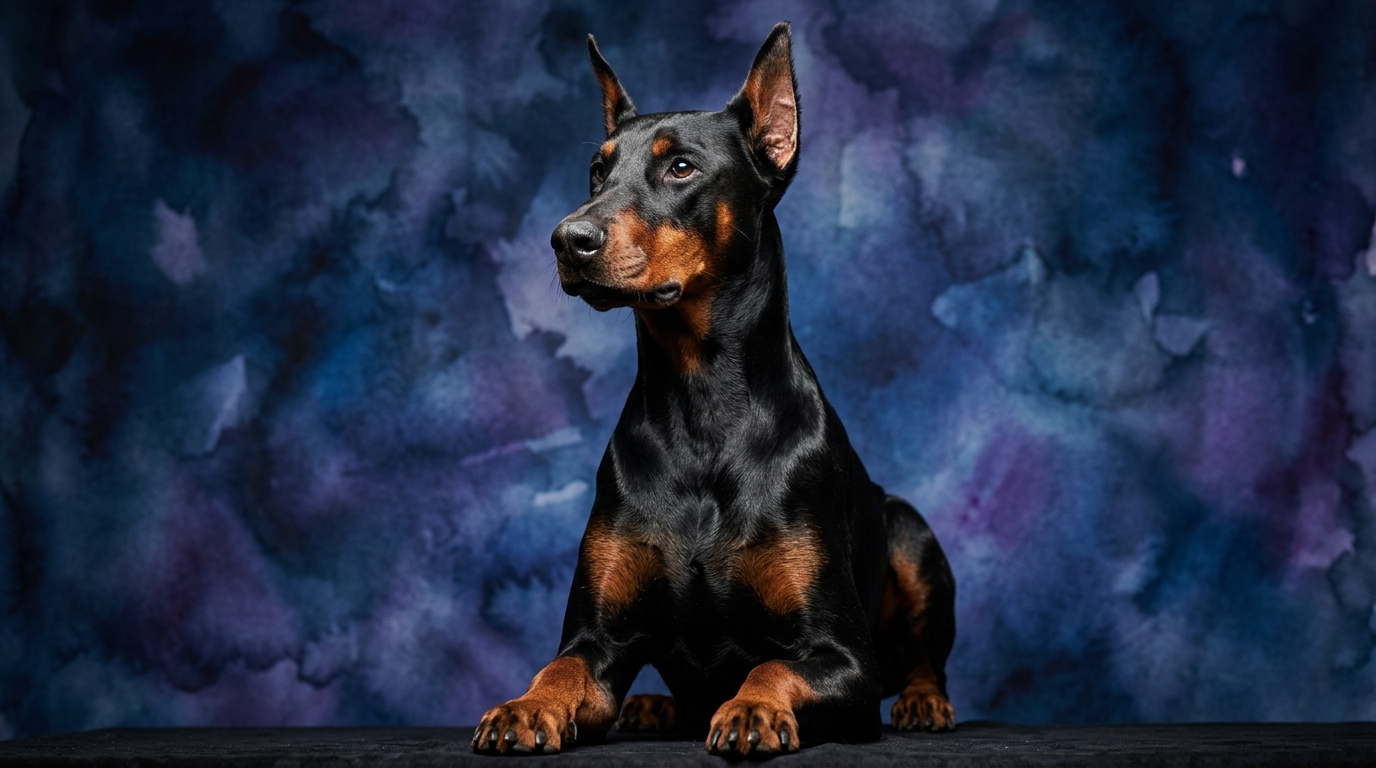
The Cosmic Pet Pet IQ Lab employs a five-dimensional framework to assess canine intelligence, offering a nuanced view beyond simple obedience. For the Doberman Pinscher, a working breed with a Coren rank of #5, their profile is marked by exceptional cognitive prowess across the board. Their Problem Solving is rated 5/5, reflecting an outstanding capacity to analyze complex situations and devise effective solutions. Training Speed also stands at 5/5, indicating a rapid assimilation of new commands and concepts. Social Intelligence is a robust 4/5, demonstrating a keen understanding of human emotions and social cues. Their Instinctive Drive is a perfect 5/5, showcasing a powerful innate motivation to perform tasks and fulfill their purpose. Finally, Memory is an impressive 5/5, allowing them to retain vast amounts of information over long periods.
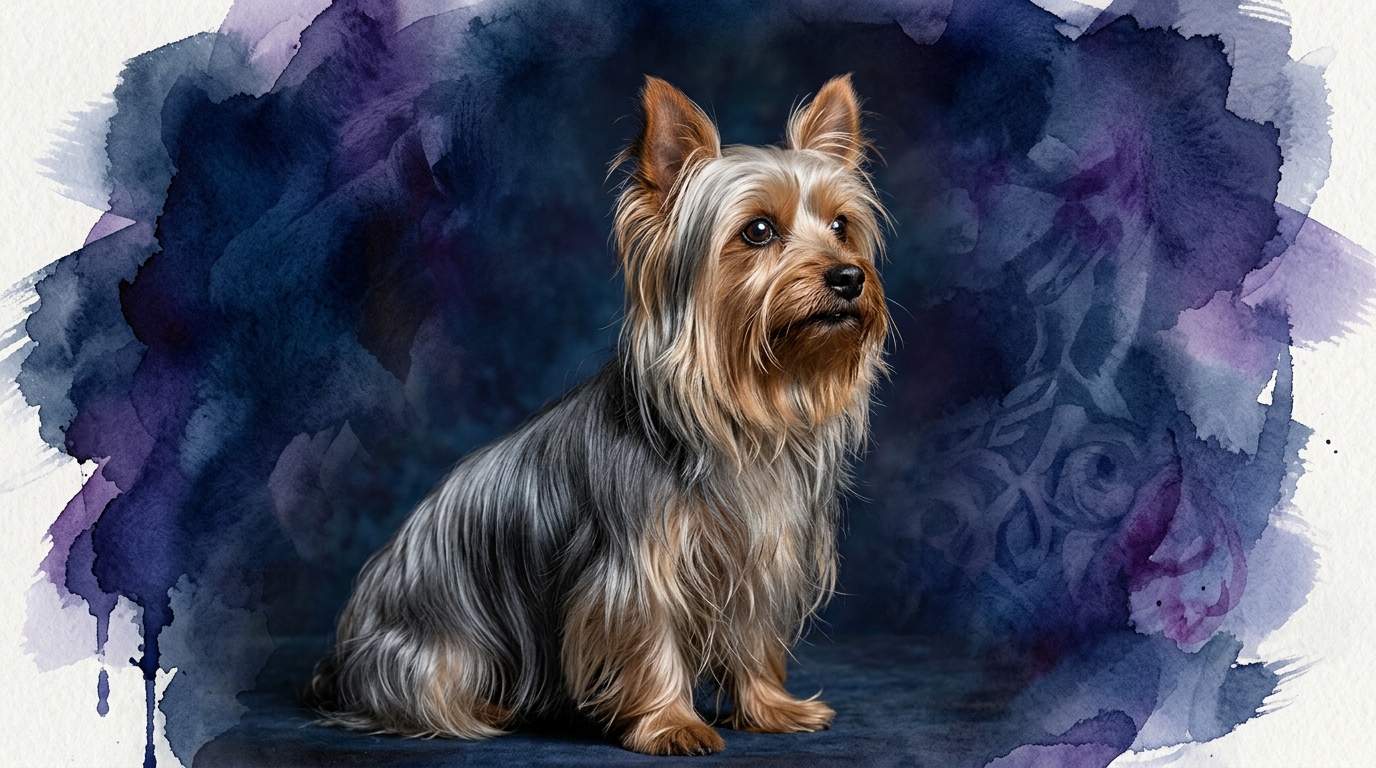
In contrast, the Silky Terrier, a charming toy breed, presents a different cognitive landscape, though equally suited to their role as companions. While not Coren-ranked, our IQ Lab scores provide insight into their mental attributes. Their Problem Solving is rated 3/5, suggesting a moderate ability to navigate challenges, often through trial and error rather than complex deduction. Training Speed is also 3/5, meaning they learn commands at a steady, deliberate pace, requiring consistent repetition. Social Intelligence stands at 3/5, indicating they grasp immediate social interactions and cues, but perhaps with less depth than their working counterparts. Their Instinctive Drive is 3/5, reflecting typical terrier tenacity and prey drive, but not the intense, task-oriented motivation seen in working breeds. Memory is rated 3/5, enabling them to recall daily routines and basic commands effectively, though perhaps less extensive command sets.
Where the Doberman Pinscher Excels Cognitively
The Doberman Pinscher's cognitive strengths are particularly evident in their capacity for intricate learning and application. Their 5/5 Problem Solving isn't just about figuring out a puzzle toy; it extends to understanding multi-step sequences in protection work, navigating complex agility courses, or performing service tasks that require independent decision-making in novel environments. This breed can quickly assess changes in their surroundings, such as an unfamiliar person approaching, and respond appropriately based on prior training and situational context.
The Doberman's exceptional Training Speed (5/5) and Memory (5/5) work in tandem, allowing them to master a broad vocabulary of commands and retain them for years. This means fewer repetitions are needed for a new skill to become ingrained, and old skills rarely fade. For owners engaged in competitive obedience, Schutzhund, or advanced trick training, this translates into a partner eager to learn and consistently perform. Their Instinctive Drive (5/5) further fuels this, providing an inherent motivation to engage in meaningful work, whether it's guarding a property or excelling in a canine sport, making them highly responsive to tasks that tap into their innate predispositions.
Where the Silky Terrier Shines Cognitively
While the Silky Terrier's individual cognitive scores are moderate compared to the Doberman, their strengths lie in their adaptability and suitability for a companion lifestyle. Their 3/5 Problem Solving, for instance, means they are adept at navigating the challenges of a home environment, like figuring out how to get attention or locate a favorite toy, without needing the intense mental stimulation required by working breeds. This translates to a dog that is engaging without being overly demanding for complex mental tasks, making them a delightful presence in a household where intricate "work" isn't a daily expectation.
The Silky Terrier's moderate Instinctive Drive (3/5) is a cognitive asset for many owners. While they possess the typical terrier zest for life and some prey drive, it's generally not to the extreme level that demands constant redirection or intense outlets. This allows them to integrate smoothly into a family routine, enjoying playtime and walks without an overwhelming need for a 'job.' Their Social Intelligence (3/5) is perfectly calibrated for forming strong bonds with their family, understanding household dynamics, and providing affectionate companionship, proving that profound connection doesn't always require top-tier cognitive scores across every dimension.
Training Ease: Doberman Pinscher vs. Silky Terrier
When it comes to ease of training, the Doberman Pinscher generally presents a more straightforward experience due to their superior cognitive profile. Their 5/5 Training Speed means they grasp concepts quickly, often understanding a new command within a few repetitions. Coupled with their 5/5 Memory, once a behavior is learned, it tends to be retained reliably, reducing the need for constant refreshers. Their high Instinctive Drive also means they are often eager to please and find satisfaction in performing tasks, which translates into a highly motivated student. For example, a Doberman might learn to 'stay' for extended periods in various environments relatively quickly because they understand the command's value and have the focus to execute it.
The Silky Terrier, with a Training Speed of 3/5, requires a more patient and consistent approach. They will learn, but at a more deliberate pace, necessitating more frequent and shorter training sessions to maintain focus and prevent boredom. Their 3/5 Memory means that while they remember commands, they may need more regular reinforcement to ensure retention, especially for less frequently practiced behaviors. For instance, teaching a Silky Terrier to 'stay' might require breaking it down into smaller steps, rewarding frequently, and practicing in low-distraction environments before generalizing the skill. Their moderate Instinctive Drive might mean they are occasionally more interested in exploring scents or chasing a perceived 'prey' than focusing on a training cue, demanding more creative motivation from their handler.
Suitability for Active vs. Relaxed Owners
The cognitive profiles of these two breeds clearly delineate their ideal owner match. The Doberman Pinscher, with its exceptional Problem Solving, Training Speed, Instinctive Drive, and Memory, is a natural fit for active owners who relish engaging deeply with their dog's mental capabilities. These are individuals who enjoy structured training, canine sports like agility or obedience, or even practical applications such as protection work or service dog roles. An owner who can provide consistent mental challenges, reinforce their Doberman's drive, and channel their considerable intellect will find a devoted and capable partner. Leaving a Doberman's mind unstimulated can lead to frustration and undesirable behaviors, as their cognitive engine is designed for high performance.
Conversely, the Silky Terrier, with its moderate cognitive scores, is well-suited for owners seeking a companion that fits comfortably into a less intensely structured lifestyle. While they certainly benefit from regular exercise and mental engagement, their demands are typically lower than a Doberman's. A relaxed owner who enjoys daily walks, playtime with toys, and basic obedience training will find the Silky Terrier's cognitive needs align perfectly. They thrive on companionship and being part of the family's daily rhythm, rather than needing an extensive 'job' to feel fulfilled. Their moderate Instinctive Drive means they can be content with less rigorous mental output, though they still enjoy learning new tricks and engaging in interactive play.
The Verdict: When to Choose Each Breed
Choosing between a Doberman Pinscher and a Silky Terrier hinges significantly on an owner's lifestyle, experience level, and what they seek in a canine companion. The Doberman Pinscher is an ideal choice for experienced, active owners who are committed to providing extensive mental stimulation, advanced training, and a clear role for their dog, perhaps in sports, service, or as a highly engaged family member. Their profound cognitive abilities demand an owner who can consistently challenge and direct their intellect and drive.
The Silky Terrier is best suited for owners seeking an affectionate, lively companion who thrives on daily interaction and moderate activity without requiring intense mental 'work.' They are a wonderful choice for individuals or families who desire a charming, adaptable dog that integrates seamlessly into a home environment, offering companionship and joy with less demanding cognitive output.
The Verdict
Choose the Doberman Pinscher if you are an active, experienced owner ready to harness and direct a highly capable, driven, and mentally agile canine partner for advanced training or specific tasks.
Choose the Silky Terrier if you seek a charming, moderately active companion who thrives on affection and daily engagement, fitting comfortably into a less demanding, yet still stimulating, home environment.
🧠 Find Your Pet's IQ Score
Our Pet IQ Lab assessment covers 25+ tests across 5 cognitive dimensions — personalized to your breed.
Take the Full IQ Test →Frequently Asked Questions
Do Silky Terriers need less mental stimulation than Doberman Pinschers?
Generally, yes. While Silky Terriers benefit from mental engagement like puzzle toys and training, their moderate cognitive drive means they don't typically require the intense, structured 'work' or complex problem-solving activities that a Doberman Pinscher's high intellect demands to prevent boredom.
Can a Silky Terrier excel in dog sports or advanced training?
Yes, a Silky Terrier can certainly participate in and enjoy dog sports like agility or obedience, and learn advanced tricks. However, their training speed and memory scores suggest they may require more patience and consistent repetition compared to a Doberman Pinscher, who often grasps complex tasks more rapidly.
Is a Doberman Pinscher a good first-time dog?
Due to their high cognitive demands, powerful drive, and need for consistent, experienced guidance, a Doberman Pinscher is generally not recommended for first-time dog owners. They thrive with individuals who understand canine behavior and are committed to extensive training and mental engagement.