Side-by-Side Cognitive Profiles: Doberman Pinscher vs. Spanish Water Dog
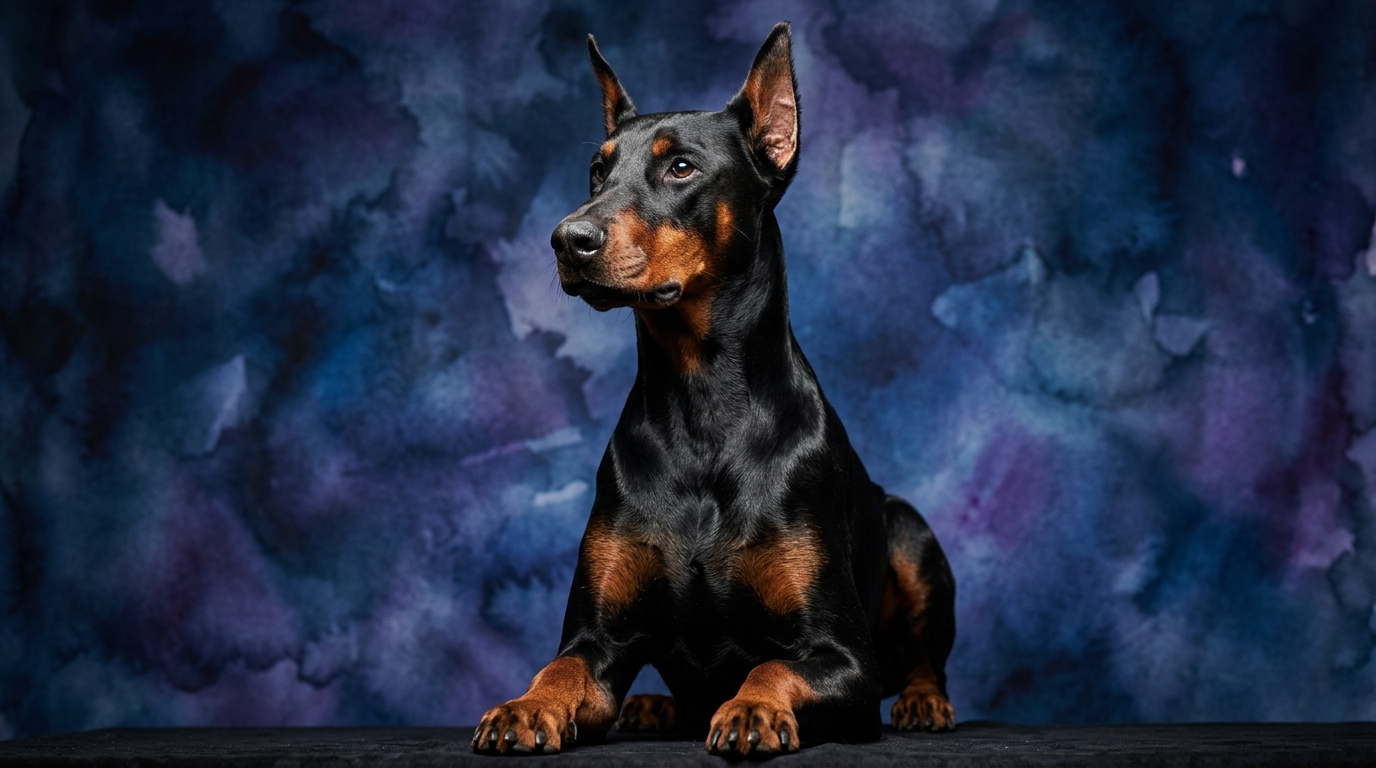
The Doberman Pinscher, a Working breed, demonstrates a formidable cognitive architecture, reflected in its Coren rank of #5. Its problem-solving capacity registers at a maximal 5/5, indicating an exceptional ability to analyze novel situations and devise effective solutions. Training speed is equally impressive at 5/5, suggesting rapid acquisition and retention of new commands and behaviors. Social intelligence scores 4/5, showing a strong capacity to understand and respond to human cues and social dynamics, though perhaps with a touch more independence than some breeds. Instinctive drive, crucial for their historical roles, is a commanding 5/5, meaning a powerful innate inclination towards specific actions like guarding or protection. Memory, a cornerstone of learning, also stands at 5/5, allowing for long-term recall of experiences and training.
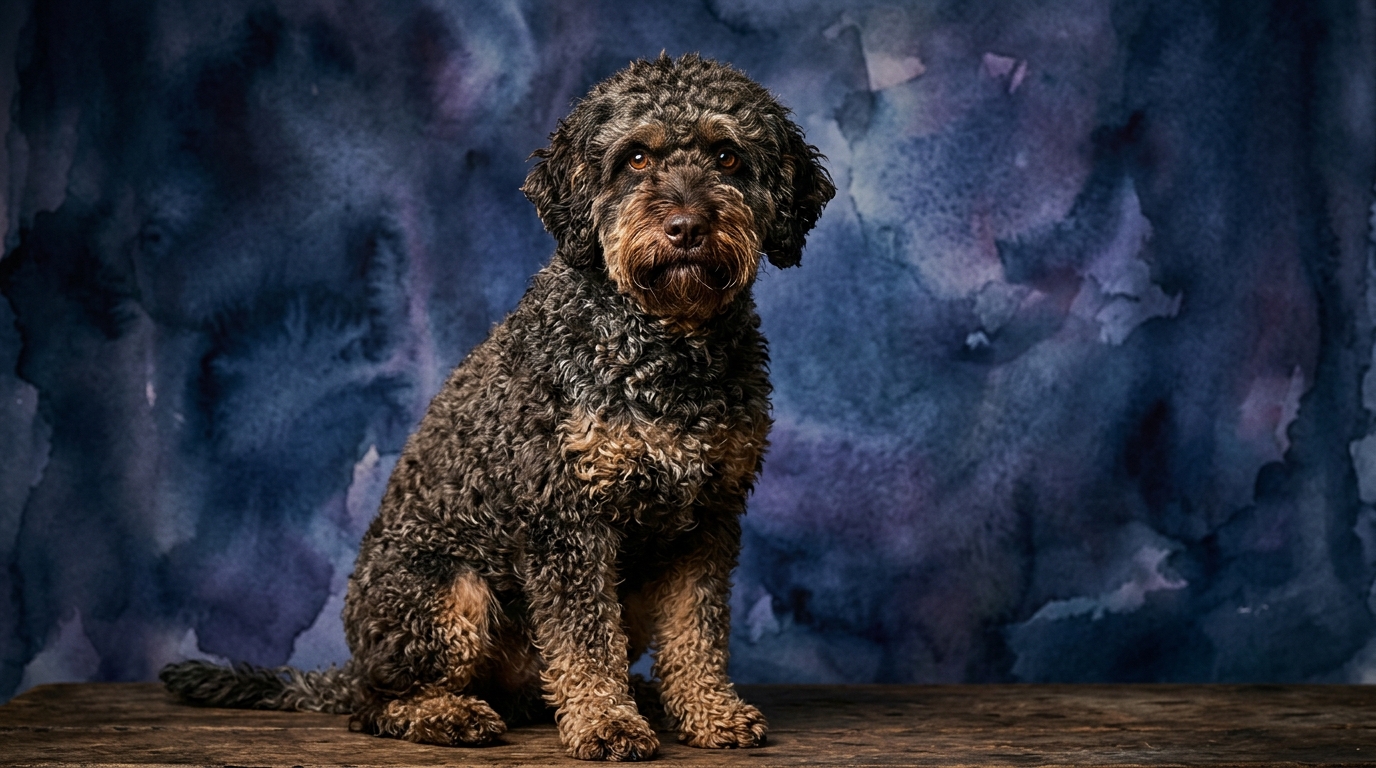
In contrast, the Spanish Water Dog, a Herding breed not yet included in Coren's ranking, presents a more balanced, moderate cognitive profile across all measured dimensions. Its problem-solving ability is rated 3/5, indicating a competent capacity to navigate challenges, though perhaps with less innovation or speed than the Doberman. Training speed is also 3/5, suggesting they learn at a steady, reliable pace, requiring consistent, clear instruction. Social intelligence sits at 3/5, meaning they can interpret social cues but might exhibit a more reserved or independent demeanor. Instinctive drive is 3/5, reflecting a natural inclination for herding tasks, but without the intense, pervasive nature seen in breeds with higher scores. Memory is likewise 3/5, allowing for sufficient recall of learned behaviors and routines, though perhaps not with the photographic precision of the Doberman.
Where the Doberman Pinscher Excels Cognitively
The Doberman Pinscher's cognitive framework offers clear advantages in scenarios demanding rapid learning, decisive action, and sustained focus. Their 5/5 problem-solving means they can quickly assess complex situations, such as navigating an agility course or understanding an owner's nuanced request, and formulate a solution with minimal prompting. This makes them exceptional candidates for advanced obedience, protection work, or search and rescue, where quick thinking under pressure is paramount. Their maximal training speed (5/5) allows for remarkably efficient instruction, often grasping new commands after only a few repetitions, which translates into accelerated progress in any discipline.
Furthermore, the Doberman's 5/5 instinctive drive provides a deep well of motivation for task execution. This isn't just about physical energy; it's a profound internal desire to engage in work, making them relentless and determined in their pursuits. Coupled with a 5/5 memory, they not only learn rapidly but also retain vast amounts of information, from complex sequences of commands to the recognition of specific individuals or threats. Their 4/5 social intelligence, while not as effusive as some companion breeds, enables them to form deep, responsive bonds with their primary handlers, understanding their intentions and moods with considerable accuracy, which is vital for precise teamwork.
Cognitive Strengths for Specific Lifestyles in the Spanish Water Dog
While the Spanish Water Dog's cognitive scores are consistently moderate (3/5), this balanced profile presents distinct advantages for certain lifestyles. Their 3/5 instinctive drive, for instance, means they possess a natural working inclination without the overwhelming intensity that can accompany a 5/5 drive. This translates to a dog that is motivated and capable of engaging in activities like herding or dog sports, but perhaps less prone to hyper-focus or needing constant, high-intensity mental and physical engagement than a Doberman. Owners seeking a capable working partner who can also transition more readily into a relaxed home environment may find this moderate drive highly appealing.
The Spanish Water Dog's 3/5 problem-solving and training speed indicate a dog that learns reliably and can tackle challenges methodically. While not as rapid as the Doberman, their learning curve, when approached with consistent and clear methods, produces deeply ingrained behaviors. This can be a significant advantage for novice trainers who might find a Doberman's rapid learning and high drive overwhelming. Their 3/5 social intelligence often manifests as a more reserved or independent nature. This can be a 'win' for owners who appreciate a dog that isn't constantly seeking attention or validation, and who forms strong, but perhaps less demonstrative, bonds with their family.
Training Dynamics: Doberman Pinscher vs. Spanish Water Dog
When it comes to trainability, the Doberman Pinscher holds a distinct edge due to its 5/5 training speed and 5/5 problem-solving. These dogs absorb information at an astonishing rate, often requiring only a few repetitions to master a new command. This rapid acquisition means that training sessions can be shorter, more varied, and progress quickly to advanced levels. Their exceptional memory ensures that once a behavior is learned, it is deeply ingrained, making them highly reliable in executing commands even after long periods. However, this also means they can quickly learn undesirable behaviors if not consistently managed, demanding a handler who is equally quick-witted and consistent.
The Spanish Water Dog, with its 3/5 training speed and 3/5 problem-solving, requires a different approach. They learn at a steady, deliberate pace, meaning owners should expect more repetitions and consistent reinforcement over a longer period. Their learning is robust, but it requires patience and clarity from the trainer. While they may not innovate solutions as quickly as a Doberman, their methodical approach ensures that once a concept is understood, it's typically well-understood. Their more moderate instinctive drive means they might be less prone to over-excitement during training, allowing for focused, though slower, progression. Owners must be prepared for a longer training journey, but one that yields a well-mannered and capable companion.
Suitability for Active vs. Relaxed Owners
The Doberman Pinscher, with its dominant 5/5 instinctive drive and high problem-solving capacity, is unequivocally suited for active owners who can provide ample mental and physical engagement. These dogs thrive on purpose and require consistent outlets for their drive, whether through demanding dog sports, advanced obedience, protection training, or extensive daily exercise that includes complex tasks. A Doberman without sufficient stimulation can become bored and channel its exceptional intelligence and drive into destructive or unwanted behaviors. They are not content with being a couch potato; they need to be partners in activity, making them ideal for individuals or families committed to an active, structured lifestyle.
The Spanish Water Dog, with its balanced 3/5 scores across the board, offers more versatility, making them suitable for active owners who appreciate a working dog, but also adaptable enough for those with a more moderately active lifestyle. While they certainly enjoy and benefit from regular exercise and mental challenges associated with their herding background, their drive is less intense and pervasive than the Doberman's. They enjoy activities like hiking, swimming, and canine sports, but can also settle down with their families, provided their needs for routine exercise and engagement are met. They are a good fit for owners who want a capable, engaged companion without the extreme demands of a top-tier working breed.
The Verdict
Choose the Doberman Pinscher if you are an experienced, active owner seeking a highly responsive, driven working partner for demanding tasks and advanced training.
Opt for the Spanish Water Dog if you desire a capable, adaptable companion for a moderately active lifestyle, appreciating a steady learner with a balanced, yet competent, cognitive profile.
🧠 Find Your Pet's IQ Score
Our Pet IQ Lab assessment covers 25+ tests across 5 cognitive dimensions — personalized to your breed.
Take the Full IQ Test →Frequently Asked Questions
Do Spanish Water Dogs require as much mental stimulation as Doberman Pinschers?
While both breeds benefit from mental stimulation, the Doberman Pinscher's 5/5 problem-solving and instinctive drive mean they typically require more intense and consistent mental challenges to prevent boredom, compared to the Spanish Water Dog's more moderate 3/5 scores.
Which breed is better for a first-time dog owner?
The Spanish Water Dog's more moderate training speed and drive (3/5) may make them a more forgiving option for a patient first-time owner, whereas the Doberman Pinscher's rapid learning and intense drive (5/5) often require a more experienced handler to manage effectively.
Can a Doberman Pinscher be a good family dog?
Yes, with proper socialization, training, and sufficient mental and physical outlets, a Doberman Pinscher's 4/5 social intelligence allows them to bond deeply with their family, acting as loyal and protective companions. Their intense drive means they integrate best into active families who can meet their needs.