Side-by-Side IQ Profile
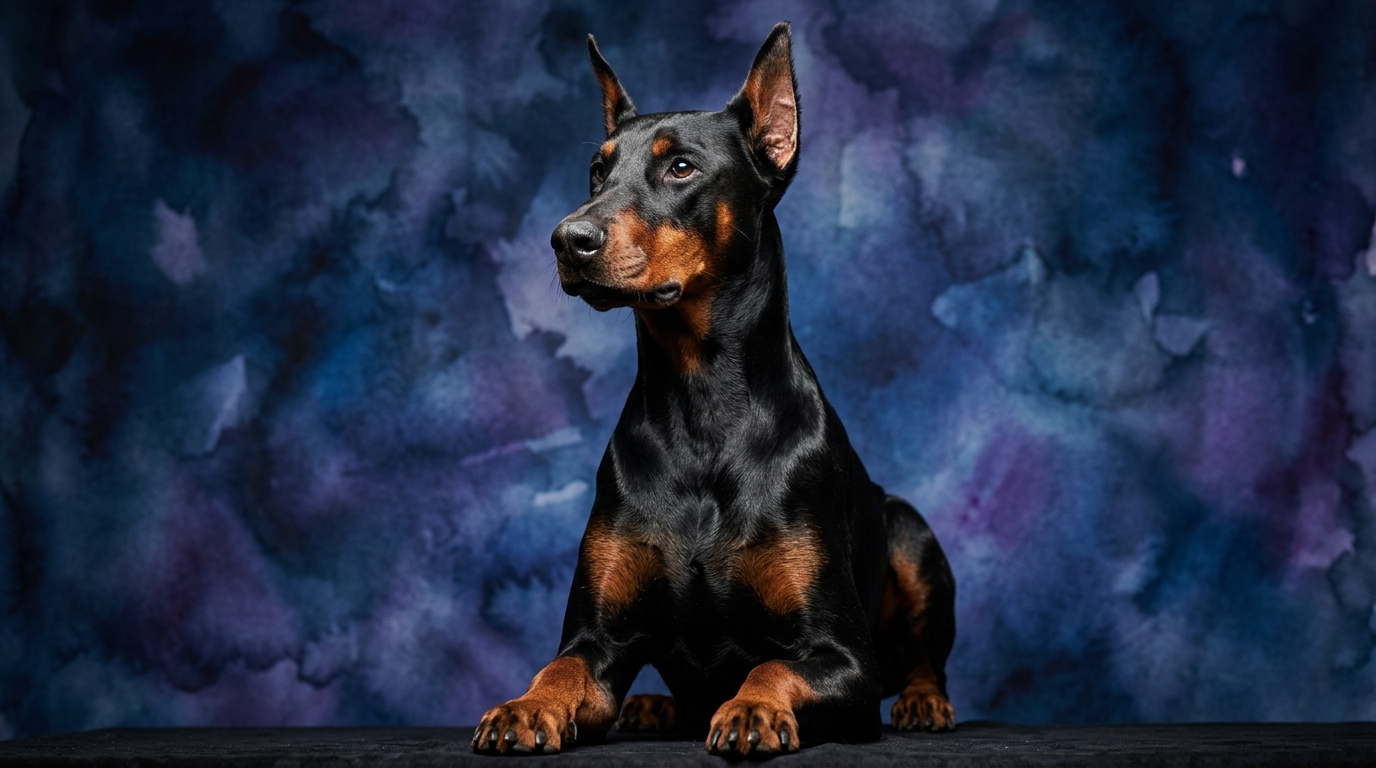
The Doberman Pinscher, a sentinel from the Working group, presents a robust cognitive profile, earning a Coren rank of #5, signifying its exceptional capacity for understanding and obeying new commands swiftly. Its Problem Solving ability is rated at a remarkable 5/5, indicating a strong aptitude for navigating complex situations and devising solutions independently. Training Speed also stands at a perfect 5/5, reflecting its rapid acquisition of new behaviors and commands. Social Intelligence, while not perfect, is a strong 4/5, suggesting a good understanding of human cues and social dynamics, albeit perhaps with a primary focus on its handler. Its Instinctive Drive is a commanding 5/5, channeling powerful natural urges into focused tasks, and its Memory is an equally impressive 5/5, allowing for excellent retention of learned information and experiences.
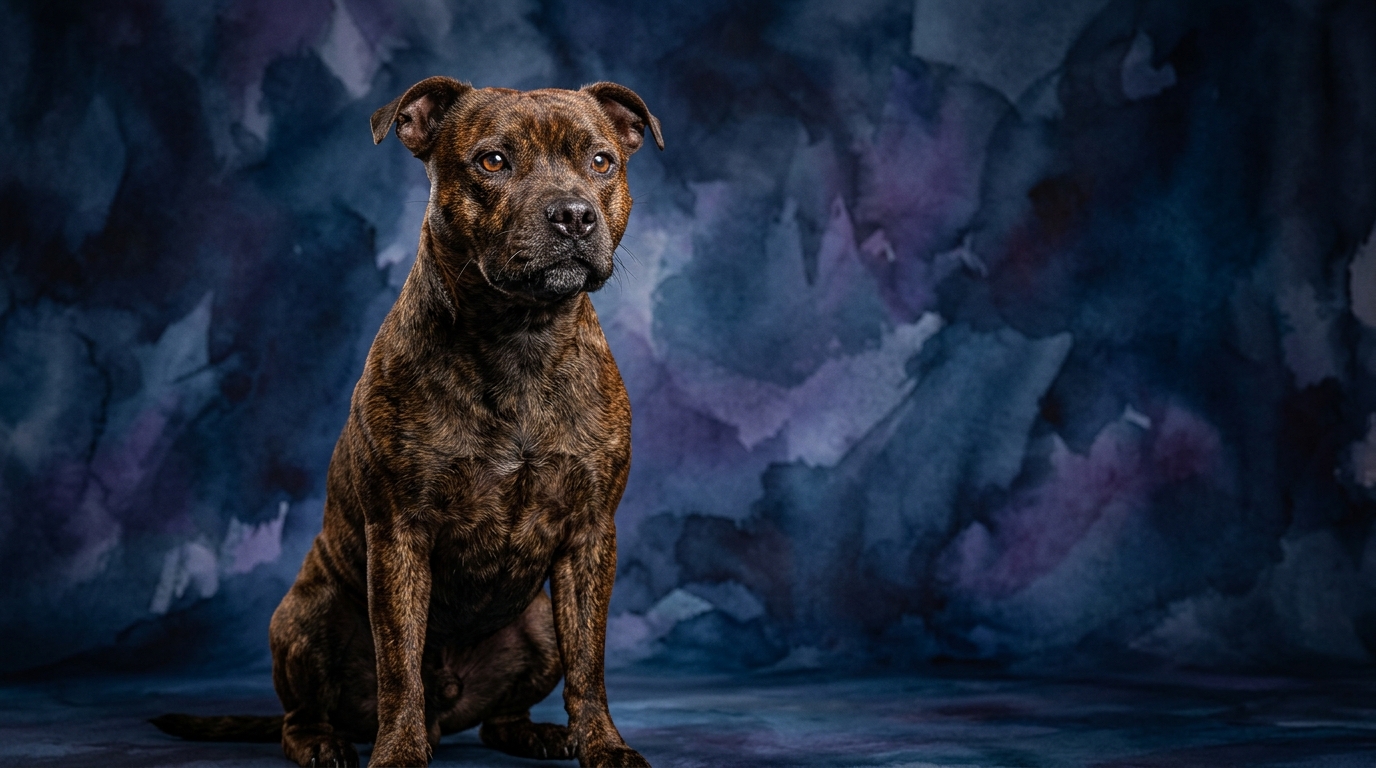
In contrast, the Staffordshire Bull Terrier, a member of the Terrier group, possesses a balanced yet different cognitive makeup, without a specific Coren ranking. Its Problem Solving skill is rated at 3/5, demonstrating a competent ability to tackle straightforward challenges, but perhaps less inclination for intricate puzzle-solving compared to the Doberman. Training Speed is also 3/5, meaning it learns at a moderate pace, requiring consistent, positive reinforcement rather than quick repetition. Social Intelligence is assessed at 3/5, indicating a generally good understanding of social interactions, particularly within its immediate family unit. Both Instinctive Drive and Memory are rated 3/5, signifying a functional, practical drive that can be directed, and a solid ability to recall information, though possibly less exhaustive than a Doberman's.
Where the Doberman Pinscher Excels Cognitively
The Doberman Pinscher's cognitive architecture is built for purpose and precision, evident in its top scores across multiple dimensions. Its 5/5 Problem Solving capability means it doesn't just follow commands; it can analyze a situation, anticipate outcomes, and make decisions, a trait invaluable in its historical roles as a protector and police dog. This translates to an animal that can learn complex multi-step tasks, understand abstract concepts, and adapt quickly to novel environments without constant guidance.
Furthermore, the Doberman's 5/5 Training Speed and 5/5 Memory are intertwined strengths. This breed absorbs new information with remarkable efficiency, often needing only a few repetitions to master a command. This rapid learning, combined with an excellent long-term memory, makes them highly responsive to advanced obedience, intricate agility courses, or specialized working roles. Their 5/5 Instinctive Drive fuels this learning, providing a profound motivation to engage with their handler and execute tasks, making them exceptionally focused on their 'job,' whatever that may be within a family context.
Where the Staffordshire Bull Terrier Shines Cognitively
While the Staffordshire Bull Terrier's cognitive scores are generally rated at 3/5, this indicates a practical, adaptable intelligence rather than a deficit. Their 3/5 Problem Solving capability means they are perfectly capable of navigating daily life and learning practical solutions, such as figuring out how to get a favorite toy from under the couch or understanding household routines. Their intelligence is often expressed through resilience and a robust ability to cope with diverse environments, rather than through complex abstract reasoning.
The Staffordshire Bull Terrier's 3/5 Social Intelligence is particularly relevant to its role as a companion. While not as acutely tuned to subtle human cues as a Doberman might be in a working context, Staffies often display a profound understanding of family dynamics and emotional states within their immediate circle. They excel at forming deep, intuitive bonds, often anticipating needs through familiarity and affectionate connection. Their moderate Instinctive Drive (3/5) means they are driven, but not overwhelmingly so, making them amenable to a broader range of activities and less prone to requiring constant, intense mental engagement compared to their Working group counterparts.
Training Ease: Doberman Pinscher vs. Staffordshire Bull Terrier
Training a Doberman Pinscher often feels like teaching a highly motivated and attentive student. Their 5/5 Training Speed means they pick up commands quickly, often with just a few repetitions. They possess an inherent desire to work and please their handler, making them eager participants in training sessions. This breed thrives on consistent, challenging mental stimulation, and without it, their considerable mental energy can manifest as boredom or destructive behaviors. Their strong memory ensures that once a behavior is learned, it is retained, making long-term consistency key.
Conversely, training a Staffordshire Bull Terrier requires a different approach, characterized by patience and positive reinforcement. Their 3/5 Training Speed means they will learn, but it may take more repetitions and a highly engaging, rewarding method to maintain their focus. Staffies can sometimes exhibit a terrier's independent streak or stubbornness, meaning they need a strong incentive to comply, and simply understanding a command doesn't always equate to immediate obedience. Their social intelligence means they respond well to training that strengthens the bond with their human, making relationship-based methods particularly effective.
Matching Breeds to Lifestyles: Active vs. Relaxed Owners
For owners with an active lifestyle and a desire for a canine partner in structured activities, the Doberman Pinscher is an exceptional fit. This breed thrives with owners who can provide ample mental and physical challenges, whether through advanced obedience, protection work, agility, or extensive daily exercise. Their high instinctive drive and problem-solving abilities mean they need a 'job' to feel fulfilled, making them ideal for individuals committed to consistent training and engagement. They are not suited for owners seeking a low-maintenance companion who will be content with minimal interaction.
The Staffordshire Bull Terrier, while certainly energetic, generally suits owners with a more moderately active lifestyle who appreciate a robust, affectionate companion. They enjoy daily walks, play sessions, and engaging with their family, but typically don't demand the same intensity or complexity of mental stimulation as a Doberman. They are adaptable and can thrive in various home environments, provided they receive consistent attention, socialization, and positive, patient training. Owners who value a loyal, sturdy, and charming dog that is a central part of family life, without requiring an intensive 'working' partnership, will find the Staffie a rewarding choice.
The Verdict
Choose the Doberman Pinscher if you seek a highly trainable, driven, and mentally agile partner for advanced training, protective roles, or competitive dog sports, and are prepared to dedicate significant time to their mental and physical exercise.
Opt for the Staffordshire Bull Terrier if you desire a loyal, affectionate, and robust companion who thrives on family interaction and moderate activity, and you are willing to invest patient, positive training into a charmingly independent spirit.
🧠 Find Your Pet's IQ Score
Our Pet IQ Lab assessment covers 25+ tests across 5 cognitive dimensions — personalized to your breed.
Take the Full IQ Test →Frequently Asked Questions
Do Dobermans require more mental stimulation than Staffies?
Yes, Dobermans typically require significantly more mental stimulation due to their high problem-solving ability, training speed, and instinctive drive. They thrive on complex tasks, advanced obedience, and consistent mental challenges to prevent boredom and destructive behaviors.
Are Staffordshire Bull Terriers difficult to train?
Staffordshire Bull Terriers are not difficult to train, but they learn at a moderate pace (3/5 Training Speed) and can exhibit a terrier's independence. They respond best to consistent, positive reinforcement methods and training that strengthens their bond with their owner, rather than harsh corrections.
Which breed is better for first-time dog owners?
The Staffordshire Bull Terrier might be a more manageable choice for first-time dog owners due to its moderate training speed and drive, requiring less intensive mental engagement. Dobermans, with their high drive and cognitive demands, generally benefit from experienced owners who understand their working heritage.