Side-by-Side IQ Profile
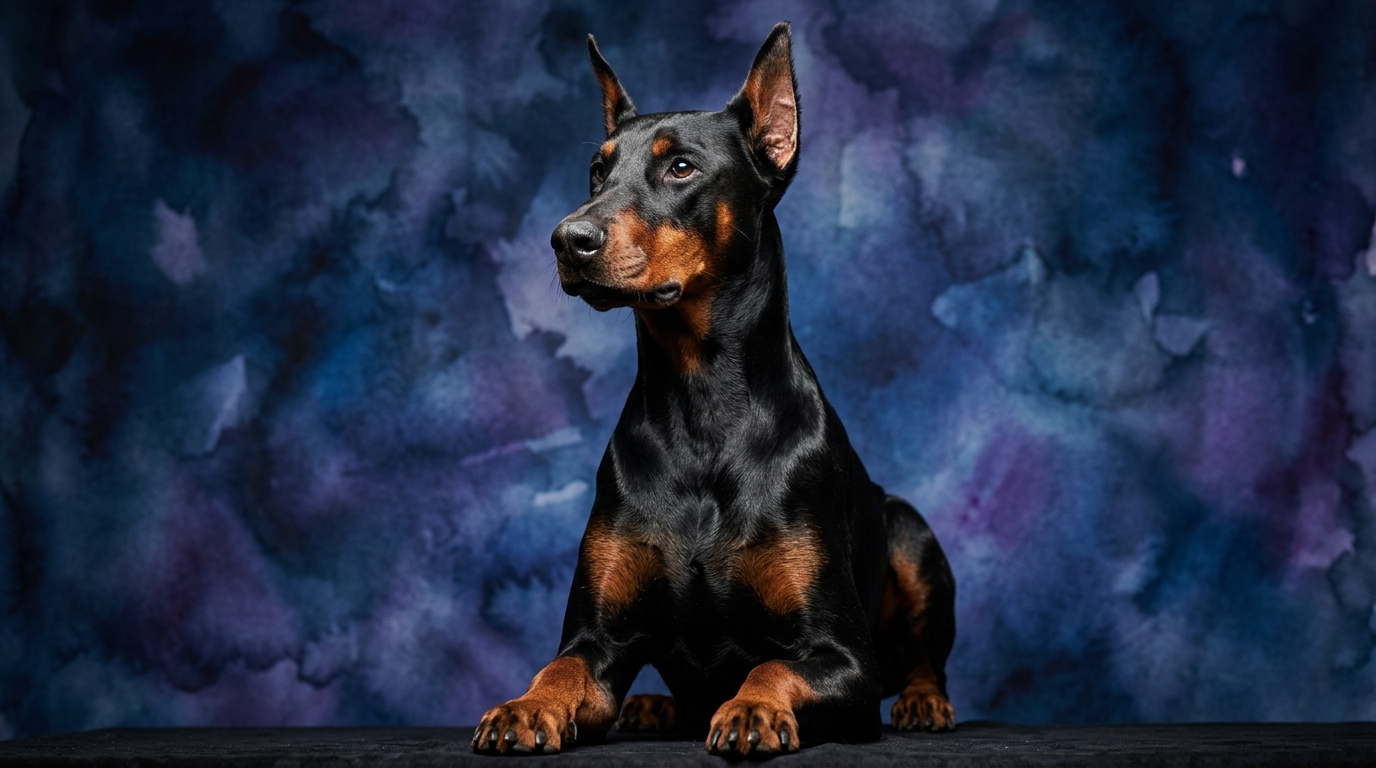
The Cosmic Pet Pet IQ Lab's proprietary framework offers a granular view into the cognitive landscape of these two formidable breeds. The Doberman Pinscher, a member of the Working Group and ranked #5 by Coren, demonstrates exceptional mental agility across the board: problem-solving at a perfect 5/5, training speed also a 5/5, social intelligence at 4/5, instinctive drive at 5/5, and memory at a commanding 5/5. This profile paints a picture of a dog built for complex tasks and rapid learning.
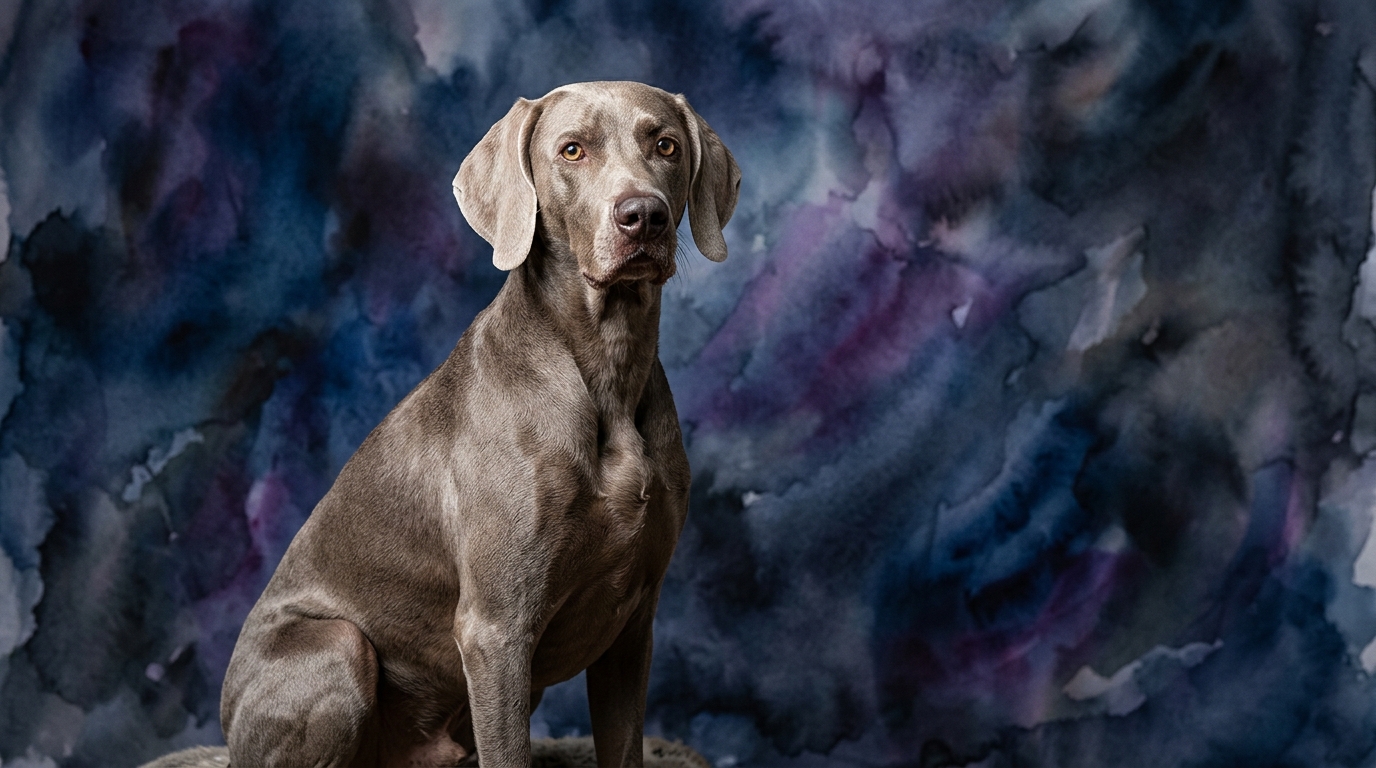
In contrast, the Weimaraner, hailing from the Sporting Group and holding Coren's rank #21, presents a slightly different, though still highly capable, cognitive makeup. Their problem-solving ability scores 4/5, and training speed matches this at 4/5. Social intelligence is on par with the Doberman at 4/5, while their instinctive drive is equally potent at 5/5. Memory for the Weimaraner registers at 4/5. This suggests a breed adept at specific, driven tasks, with a strong capacity for learning, albeit with a marginally less rapid cognitive processing compared to the Doberman.
Where Doberman Pinscher Wins Cognitively
The Doberman Pinscher's cognitive advantages are evident in its superior scores for problem-solving, training speed, and memory. A perfect 5/5 in problem-solving indicates a dog that can quickly analyze novel situations, strategize, and execute solutions independently, often without direct human intervention. This manifests in their capacity to navigate complex environments, understand intricate multi-step commands, or even figure out how to open gates. Their 5/5 training speed means new commands, routines, and boundaries are absorbed with remarkable alacrity, making them exceptionally responsive to structured education. This rapid assimilation allows for advanced obedience, protection work, or even intricate trick training to progress at an accelerated pace. Furthermore, a 5/5 memory ensures that once learned, these complex behaviors and solutions are retained over long periods, requiring less frequent refreshers and building a robust behavioral repertoire. This combination of quick learning, effective problem-solving, and strong retention positions the Doberman as a premier candidate for roles demanding sustained mental effort and precision.
Where Weimaraner Wins Cognitively
While the Doberman edges out the Weimaraner in several direct cognitive metrics, the Weimaraner's specific blend of strengths, particularly its 5/5 instinctive drive coupled with a solid 4/5 in problem-solving and social intelligence, creates a distinct cognitive advantage in its intended domain. Their unparalleled instinctive drive is not merely about raw energy, but a deep, focused, and persistent predatory sequence that, when channeled, translates into exceptional performance in scent work, retrieving, and tracking. This drive, combined with a 4/5 problem-solving capacity, means a Weimaraner can independently overcome obstacles in pursuit of a scent, demonstrating adaptive hunting strategies. For instance, they might figure out how to navigate dense cover or cross a small stream to follow a trail, driven by their innate purpose. Their 4/5 social intelligence, on par with the Doberman, ensures they remain highly attuned to their handler's cues even amidst the intense focus of their drive, allowing for cooperative hunting or sport work. The Weimaraner's cognitive profile is thus optimized for sustained, self-directed performance within a specific task context, where their unwavering focus and physical prowess are paramount.
Which is Easier to Train and Why
Based on their IQ profiles, the Doberman Pinscher is objectively easier to train, primarily due to its perfect 5/5 scores in both training speed and problem-solving. A Doberman's rapid training speed means it grasps new commands and concepts with minimal repetition, often understanding the desired action after just a few attempts. This mental quickness allows for a streamlined training process, enabling handlers to progress through foundational obedience to more advanced tasks at an expedited pace. Their superior problem-solving ability further contributes to ease of training; they can generalize learned behaviors to new contexts and adapt to variations in commands or environments more readily. If a particular training method isn't immediately effective, a Doberman is more likely to 'think through' the desired outcome.
The Weimaraner, with 4/5 in both training speed and problem-solving, is still a highly trainable breed, but will typically require more consistent repetition and a slightly longer learning curve for new behaviors. While they are equally driven by instinct (5/5), their cognitive processing for *learning* new, non-instinctive tasks might be a touch slower. For example, teaching a Doberman a complex multi-step retrieve might take fewer sessions than with a Weimaraner, as the Doberman processes the sequence and associations more rapidly. However, once a Weimaraner learns a task, its strong instinctive drive and decent memory (4/5) ensure reliable execution, especially if the task aligns with its natural predispositions.
Which Suits Active Owners vs. Relaxed Owners
Both the Doberman Pinscher and the Weimaraner are breeds that demand active engagement, making them unsuitable for truly relaxed or sedentary owners. However, their specific energy outlets and mental stimulation needs differ.
The Doberman, with its 5/5 instinctive drive and high cognitive scores, thrives with owners who can provide consistent mental challenges alongside physical exercise. These dogs need a 'job' – whether it's advanced obedience, protection sports, agility, or complex puzzle toys. Their mental acuity means boredom can quickly lead to undesirable behaviors, so an owner must be prepared for daily structured training sessions and varied activities that engage their problem-solving and memory. They excel with owners who enjoy collaborative work and can provide clear, consistent leadership.
The Weimaraner, also possessing a 5/5 instinctive drive, requires immense physical exertion that taps into its hunting heritage. They are built for endurance and speed, needing long runs, extensive off-leash exploration in safe areas, or participation in dog sports like field trials, dock diving, or canicross. While they also benefit from mental stimulation, their primary need is to exhaust their boundless physical energy and satisfy their strong prey drive through appropriate outlets. An owner who loves trail running, hiking, or has a large, securely fenced property where a Weimaraner can truly stretch its legs would be an ideal match. For owners seeking a dog for casual strolls or infrequent activity, neither breed is a suitable choice.
The Verdict
Choose the Doberman Pinscher if you are an experienced owner prepared to provide consistent, mentally stimulating training and a structured environment for a highly responsive and intelligent companion.
Opt for the Weimaraner if you lead a very active lifestyle, enjoy extensive outdoor activities, and can channel their intense instinctive drive into productive physical and scent-based pursuits.
🧠 Find Your Pet's IQ Score
Our Pet IQ Lab assessment covers 25+ tests across 5 cognitive dimensions — personalized to your breed.
Take the Full IQ Test →Frequently Asked Questions
Is the Doberman Pinscher prone to aggression due to its working dog status?
The Doberman's 5/5 instinctive drive and 4/5 social intelligence mean they are naturally protective of their family but are not inherently aggressive. Proper socialization and consistent training are crucial to channel their protective instincts appropriately, ensuring they are well-adjusted and confident.
Do Weimaraners need a lot of exercise, even with their 4/5 training speed?
Absolutely. Despite their respectable training speed, the Weimaraner's 5/5 instinctive drive means they possess immense physical energy and a deep need for robust activity. Daily strenuous exercise, often involving running or scent work, is essential to prevent boredom and destructive behaviors.
How does memory (5/5 Doberman vs 4/5 Weimaraner) impact daily life?
A Doberman's superior 5/5 memory means they retain complex commands and routines with fewer refreshers, making long-term behavioral consistency easier to maintain. A Weimaraner's 4/5 memory is still very good, but might require slightly more consistent reinforcement over time to keep less frequently used commands sharp.