
A Side-by-Side Look at Cognitive Profiles
The Cosmic Pet Pet IQ Lab's profile for the Doberman Pinscher reveals a highly consistent and capable cognitive structure, scoring 5/5 in Problem Solving, Training Speed, Instinctive Drive, and Memory, alongside a strong 4/5 in Social Intelligence. This breed demonstrates an exceptional capacity for rapid learning and purposeful engagement, reflecting its history as a demanding working dog.
Specifically, their 5/5 Problem Solving means they quickly assess novel situations and devise effective solutions, often demonstrating foresight. A 5/5 Training Speed indicates new commands are absorbed with remarkable rapidity, requiring minimal repetition. Their 5/5 Memory ensures long-term retention of complex tasks, while a 5/5 Instinctive Drive fuels a strong desire for structured, purposeful work. The 4/5 Social Intelligence highlights their ability to interpret human cues and foster cooperative bonds.
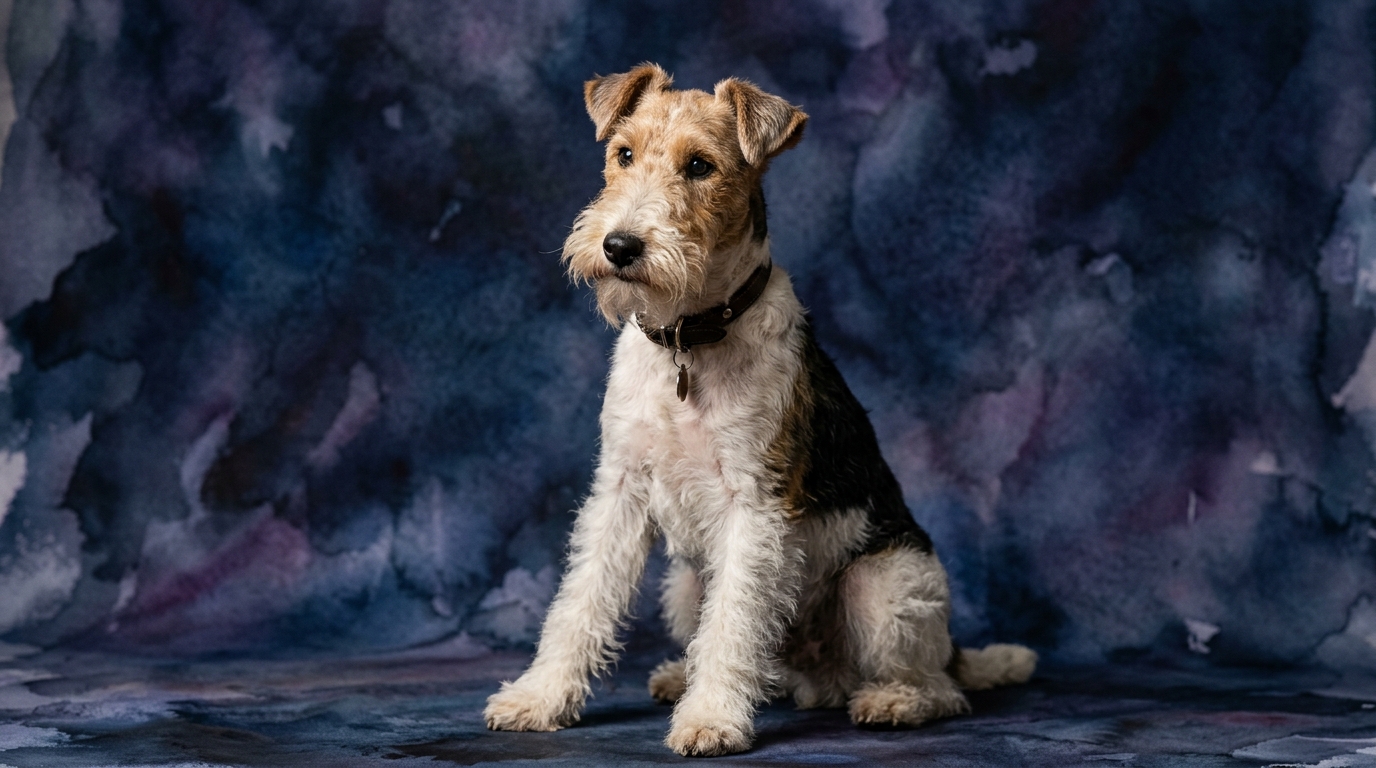
In contrast, the Wire Fox Terrier presents a balanced yet distinct cognitive profile, consistently scoring 3/5 across all five dimensions: Problem Solving, Training Speed, Social Intelligence, Instinctive Drive, and Memory. This reflects an operational intelligence characterized by tenacity and independence, shaped by its role as a persistent hunter.
Their 3/5 Problem Solving suggests they approach challenges with curiosity and persistence, often relying on trial and error rather than immediate deduction. A 3/5 Training Speed means they learn at a moderate pace, requiring consistent, engaging repetition. Their 3/5 Memory is adequate for practical, repetitive tasks. The 3/5 Instinctive Drive is rooted in hunting small prey, manifesting as persistent curiosity and a desire to explore and dig. A 3/5 Social Intelligence indicates they form strong bonds but may interpret directives through their own independent agenda.
Where the Doberman Pinscher Shines Cognitively
The Doberman Pinscher’s cognitive profile, marked by consistent 5/5 scores, paints a picture of a highly adaptable and purpose-oriented mind. Their superior problem-solving is evident in their capacity to quickly understand complex tasks, such as navigating intricate agility courses or mastering multi-step protection routines, often anticipating next steps with minimal guidance. This breed excels in scenarios demanding strategic thinking and rapid response, showcasing an impressive cognitive agility.
This breed's remarkable 5/5 memory allows them to recall vast repertoires of commands and routines, making them exceptionally reliable in roles demanding precision and consistency, from service work to competitive obedience. Their 5/5 training speed is a direct asset, enabling handlers to introduce sophisticated concepts rapidly, building upon a solid foundation of learned behaviors without extensive repetition. This translates to quick mastery of new skills and a reduced learning curve for advanced tasks, making them highly efficient learners.
Furthermore, their powerful instinctive drive, rated 5/5, means they are often eager to engage in activities that provide mental and physical purpose, channeling their energy into productive outcomes. This drive, combined with strong 4/5 social intelligence, makes them highly receptive to collaborative work, keenly attuned to their handler's instructions and emotional state, which is crucial for roles requiring close partnership and mutual understanding.
Unpacking the Wire Fox Terrier's Cognitive Strengths
While the Wire Fox Terrier's cognitive scores are generally lower than the Doberman's, their 3/5 ratings across all five dimensions reflect a distinct operational intelligence rather than a deficit. Their problem-solving, though rated 3/5, is characterized by an enduring tenacity and an independent spirit, qualities essential for their original purpose of flushing out burrowing prey. This means they excel at persistent, focused tasks, often employing creative, albeit sometimes circuitous, methods to achieve their goals, particularly when self-motivated.
Their instinctive drive, also 3/5, is powerfully directed towards exploration, scent work, and chasing, which, when properly channeled, can be a cognitive advantage in activities like earthdog trials or scent detection games. This inherent drive allows them to maintain focus on a task, even when faced with distractions, provided that task aligns with their natural inclinations and rewards their independent spirit. They are driven by curiosity and the thrill of the chase, making them determined investigators of their environment.
The Wire Fox Terrier’s memory, rated 3/5, is sufficient for retaining practical, repetitive tasks, especially those that are engaging and rewarding, allowing them to build a working knowledge of their environment and routines. Their social intelligence, at 3/5, means they form strong, if sometimes opinionated, bonds. While they may not always seek to please in the same cooperative manner as a Doberman, they are capable of understanding and responding to their owner's cues, particularly when communication is clear, consistent, and respects their independent nature.
Ease of Training: Doberman Pinscher vs. Wire Fox Terrier
When assessing ease of training, the Doberman Pinscher clearly holds an advantage due to its 5/5 scores in both training speed and memory, coupled with a 5/5 instinctive drive and 4/5 social intelligence. A Doberman often grasps a new command after just a few repetitions, and once learned, it is deeply ingrained. For instance, teaching a Doberman to 'stay' in a distracting environment might involve a few short sessions before they reliably hold position, demonstrating an impressive capacity for focus and impulse control.
Their desire to work collaboratively with their handler, driven by their strong social intelligence and purpose-oriented instinctive drive, means they are often intrinsically motivated to comply and perform tasks, seeking to understand and fulfill expectations. This inherent cooperativeness makes them highly responsive to guidance and eager to engage in structured learning, simplifying the training process significantly for committed owners.
In contrast, the Wire Fox Terrier, with 3/5 ratings in training speed and memory, presents a different training challenge. They require more frequent and consistent repetition to solidify commands, and their independent nature, rooted in their hunting heritage, means they are more easily distracted by environmental stimuli like scents or moving objects. Teaching a Wire Fox Terrier to 'stay' might take significantly more sessions, often requiring creative engagement to maintain their interest and prevent them from deciding that investigating a rustling leaf is a more pressing concern. Their instinctive drive, while potent, is less about working in tandem with a human and more about pursuing their own exploratory agenda, making training more about convincing them the task is worth their while rather than an inherent desire to please. Effective training for a Wire Fox Terrier often involves making sessions feel like a game, short and highly rewarding, to overcome their natural inclination for self-directed activity.
Matching Breeds to Lifestyles: Active vs. Relaxed Owners
For active owners seeking a canine partner for demanding endeavors, the Doberman Pinscher, with its 5/5 instinctive drive and problem-solving, is an exceptional match. This breed thrives on structured activity, excelling in dog sports like Schutzhund, agility, or obedience, where their physical prowess is matched by their cognitive capacity for complex sequences and strategic thinking. Owners who enjoy long runs, challenging hikes, or engaging in advanced training will find a Doberman's need for mental and physical engagement aligns perfectly with their lifestyle, as an under-stimulated Doberman can become bored and develop undesirable behaviors.
The Wire Fox Terrier, while also requiring an active lifestyle, suits a different kind of energetic owner. With a 3/5 instinctive drive often directed towards independent exploration and hunting, they excel in activities that tap into their terrier instincts, such as earthdog trials, scent work, or long walks where they can investigate their surroundings. They are not necessarily looking for the same level of cooperative, precision-based work as a Doberman, but rather opportunities to satisfy their curiosity and boundless energy. Owners who appreciate a spirited, independent companion for off-leash adventures in secure areas, or who can provide consistent, engaging play sessions, will find the Wire Fox Terrier a rewarding partner.
Neither breed is well-suited for truly 'relaxed' owners who prefer a sedentary lifestyle. Both require significant daily exercise and mental stimulation, but the Doberman demands more structured, cooperative engagement, often thriving on a 'job' to do. The Wire Fox Terrier benefits from activities that allow for more independent, instinct-driven exploration, needing outlets for their persistent curiosity and digging habits. Owners must be prepared to invest time and energy into fulfilling the distinct cognitive and physical needs of either breed.
The Verdict
Choose a Doberman Pinscher if you seek a highly trainable, cooperative canine partner for complex tasks, competitive sports, or dedicated service work, and are prepared to provide consistent, mentally stimulating activities.
Opt for a Wire Fox Terrier if you appreciate an independent, spirited companion with a tenacious drive for exploration and play, and are ready for engaging, patient training methods to channel their energetic curiosity.
🧠 Find Your Pet's IQ Score
Our Pet IQ Lab assessment covers 25+ tests across 5 cognitive dimensions — personalized to your breed.
Take the Full IQ Test →Frequently Asked Questions
Can a Wire Fox Terrier excel in obedience despite its lower training speed?
Yes, with consistent, patient, and engaging training methods, a Wire Fox Terrier can learn a wide range of obedience commands. Their success often hinges on making training fun and rewarding to maintain their interest and overcome their independent nature, requiring more creative approaches than with a Doberman.
Do Dobermans require a lot of mental stimulation daily?
Absolutely. With 5/5 problem-solving and instinctive drive, Dobermans thrive on mental challenges and purposeful work. Daily training sessions, puzzle toys, and engaging activities are crucial to prevent boredom and channel their considerable intellect constructively, making them prone to destructive behaviors if under-stimulated.
How does the 'instinctive drive' difference impact daily life with these breeds?
A Doberman's 5/5 instinctive drive means they often seek a 'job' and are eager to engage with their owner in structured activities, making them easier to direct. A Wire Fox Terrier's 3/5 drive is more self-directed, often leading them to pursue scents, dig, or chase, requiring owners to manage these natural instincts with appropriate outlets and secure environments, as they may prioritize their instincts over handler commands.