Side-by-Side IQ Profile: Interpreting Identical Scores
The Cosmic Pet Pet IQ Lab assesses canine intelligence across five critical dimensions: Problem Solving, Training Speed, Social Intelligence, Instinctive Drive, and Memory. Intriguingly, both the powerful Dogo Argentino and the agile Norwegian Lundehund achieve a consistent 3 out of 5 in each category. This apparent equality, however, masks a fascinating divergence in how these capabilities are expressed and utilized by each breed, shaped by their distinct evolutionary paths and human-assigned roles. A 3/5 score signifies a capable, intelligent dog, but one that may require specific motivation or environmental conditions to demonstrate its full cognitive potential consistently.
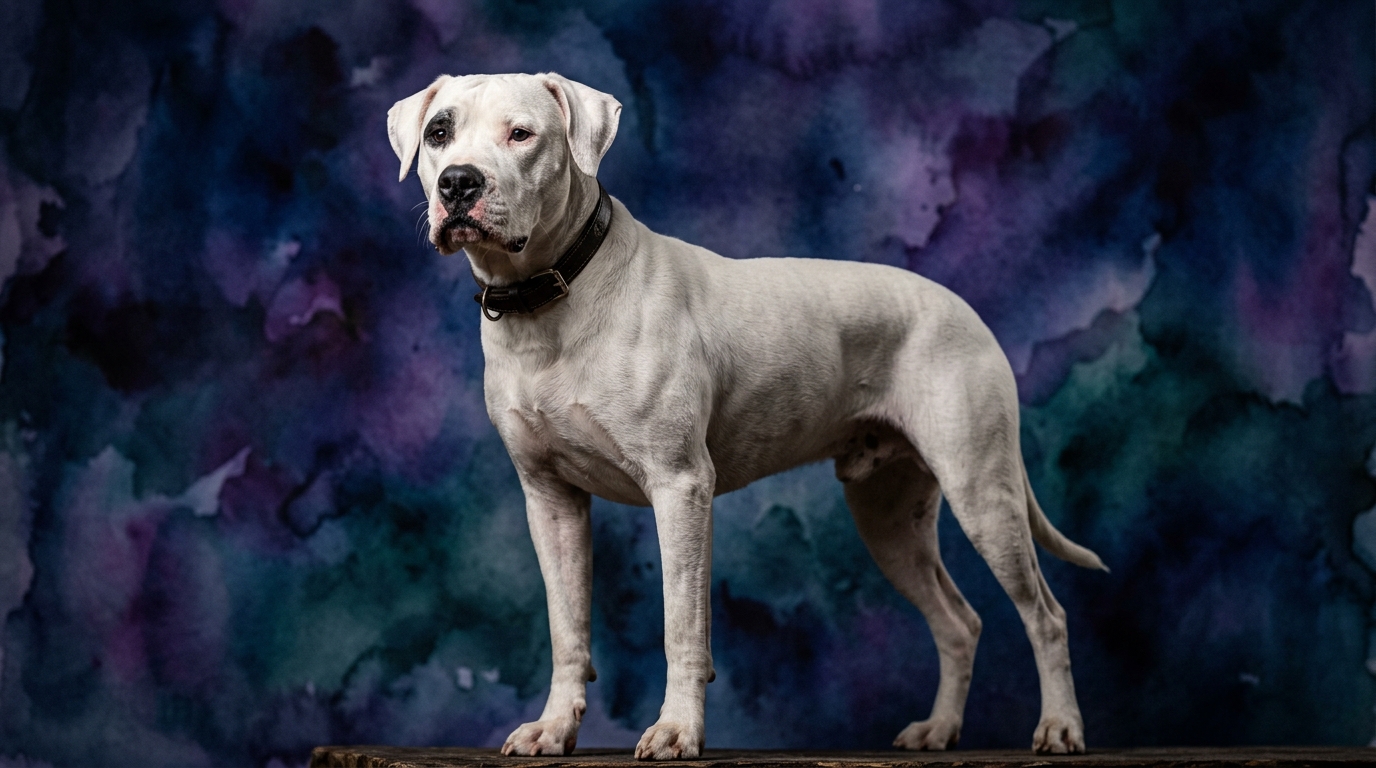
For the Dogo Argentino, a breed forged in Argentina for hunting large game like wild boar, a 3/5 in Problem Solving likely translates to tactical thinking in pursuit and apprehension. This might involve assessing terrain to outmaneuver prey or determining the most effective approach in a high-stakes encounter, rather than complex puzzle-solving. Their 3/5 Training Speed suggests they are capable learners, absorbing commands and routines necessary for cooperative hunting, but their independent spirit and focus on their primary task might mean they are not always seeking to please purely for affirmation. Social Intelligence at 3/5 indicates an ability to form deep bonds with their human pack and interpret social cues within their family unit, while also possessing a discerning nature towards outsiders. Their Instinctive Drive, also at 3/5, is powerfully geared towards chase, capture, and protection, reflecting their heritage as formidable guardians and hunters. Finally, a 3/5 Memory means they retain learned commands, established routines, and the identity of trusted individuals and potential threats effectively over time.
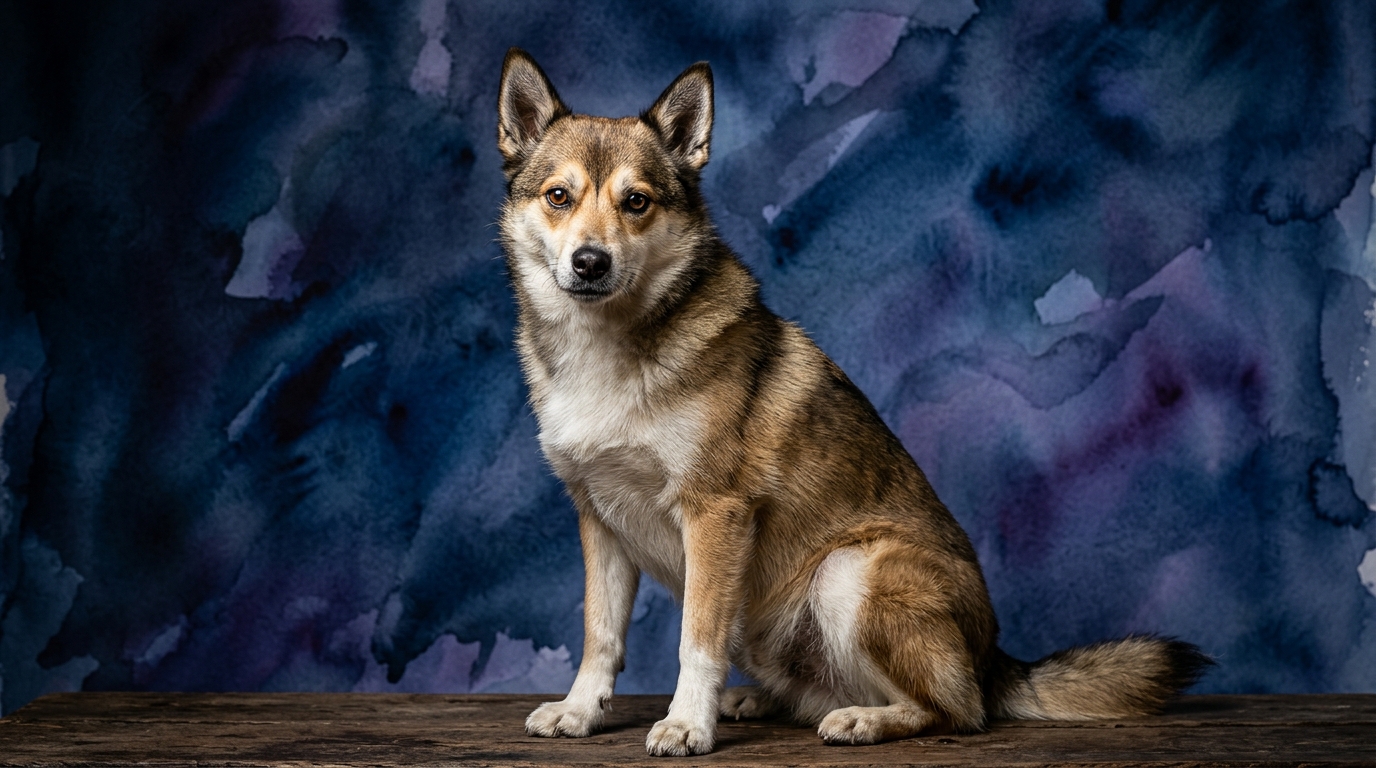
The Norwegian Lundehund, a unique breed originating from the remote Lofoten Islands of Norway, developed for hunting puffins in narrow cliff crevices, interprets these 3/5 scores quite differently. Their Problem Solving at 3/5 is less about direct confrontation and more about navigating complex, three-dimensional environments. This involves spatial reasoning to squeeze through impossibly tight spaces, climb vertical surfaces, and find hidden nests, leveraging their extraordinary flexibility and extra toes. A 3/5 Training Speed for the Lundehund points to their capacity to learn tasks relevant to their environment, but their inherent independence and often inquisitive, sometimes stubborn, nature means training requires patience and creative engagement, often driven by their own curiosity rather than strict obedience. Their 3/5 Social Intelligence suggests they form strong, loyal bonds with their families but can be reserved or wary of strangers, a trait likely developed from their isolated origins. The Lundehund's 3/5 Instinctive Drive is channeled into exploration, climbing, digging, and retrieving from confined spaces, a direct reflection of their puffin-hunting past. Their 3/5 Memory is vital for recalling intricate pathways, the location of prime hunting grounds, and the specific behaviors required for their specialized tasks, remembering complex routes through challenging terrain.
Where Dogo Argentino Excels Cognitively
Despite identical scores, the Dogo Argentino's cognitive strengths shine in scenarios demanding focused, resolute action and a strong protective instinct. Their 3/5 Problem Solving, when combined with their impressive physical prowess and working drive, makes them highly effective in tasks requiring strategic pursuit or the assessment of a dynamic, potentially threatening situation. For instance, in a scenario requiring them to locate and hold a large animal, their cognitive process involves evaluating the target's movements, anticipating its next action, and coordinating their own powerful movements for an effective intervention. This is a form of practical, applied intelligence, where quick, decisive judgments under pressure are paramount. Their 3/5 Social Intelligence, coupled with their inherent guardian nature, means they are adept at discerning intent, quickly recognizing threats to their family or territory, and acting upon that assessment with unwavering conviction, a critical cognitive advantage for a protective breed.
Furthermore, the Dogo Argentino's 3/5 Instinctive Drive is a powerful cognitive asset when channeling their energy towards a specific goal. This isn't just brute force; it's the mental fortitude to sustain effort, overcome pain or fatigue, and remain focused on the objective, whether it's tracking a scent or standing guard. Their Memory at 3/5 contributes significantly here, allowing them to recall previous training for specific tasks and apply it efficiently, remembering the nuances of commands or the boundaries of their territory. This breed excels when their cognitive abilities are harnessed for tasks requiring bravery, steadfastness, and a clear purpose, making them formidable partners in demanding working roles.
Where Norwegian Lundehund Excels Cognitively
The Norwegian Lundehund's cognitive strengths are profoundly linked to their unique physical adaptations and their history as specialized hunters in extreme environments. Their 3/5 Problem Solving manifests as exceptional spatial intelligence and adaptability, allowing them to navigate and exploit complex, three-dimensional spaces that would be impassable for most other breeds. This involves mentally mapping intricate rock formations, assessing the stability of precarious footholds, and determining the optimal angle to squeeze through an opening. This is a highly specialized form of intelligence, prioritizing dexterity and environmental awareness over brute force. Their unique ability to turn their head almost 180 degrees backwards, close their ear canals, and possess flexible shoulder joints are not just physical traits; they are tools that their cognitive processes leverage for unparalleled environmental problem-solving.
The Lundehund's 3/5 Instinctive Drive is a testament to their deep-seated curiosity and exploratory nature. This isn't merely a drive to chase, but an urge to investigate, to climb, and to dig, which translates into a cognitive strength for discovery and resourcefulness. Their Memory, also at 3/5, is particularly strong for recalling complex routes and the location of specific points of interest within challenging terrain, which was crucial for their survival and success as puffin hunters. This breed's unique blend of physical and cognitive traits makes them unmatched in tasks requiring extreme agility, precision, and an innate understanding of confined or vertical spaces, demonstrating a remarkable form of specialized cognitive brilliance.
Which is Easier to Train and Why?
Given their identical 3/5 Training Speed scores, neither the Dogo Argentino nor the Norwegian Lundehund can be definitively labeled as 'easier' to train in a universal sense; rather, the ease of training depends heavily on the owner's approach and understanding of each breed's specific motivations and challenges. The Dogo Argentino, with its 3/5 Social Intelligence and strong desire to work alongside its handler in its historical role, often responds well to clear, consistent, and firm leadership. Their training benefits from an owner who can establish themselves as a confident pack leader, channeling the Dogo's powerful 3/5 Instinctive Drive into productive tasks. While they learn quickly, their independence and formidable physical presence mean that mistakes in training or a lack of consistency can lead to significant behavioral challenges. They are less likely to be 'eager to please' purely for praise, but will respond robustly to a well-structured, purpose-driven training regimen that respects their working heritage.
The Norwegian Lundehund, on the other hand, presents a different set of training considerations, despite also scoring 3/5 in Training Speed. Their 3/5 Instinctive Drive is heavily geared towards exploration and independent problem-solving in complex environments, not necessarily direct obedience. This means they can be more challenging to motivate with traditional command-and-reward systems, often preferring to follow their own curiosity. Their 3/5 Social Intelligence means they bond deeply, but their independent nature, developed from working alone in remote areas, means they can be more stubborn or selective in their responsiveness. Training a Lundehund requires immense patience, creativity, and a strong understanding of positive reinforcement, often leveraging their natural curiosity and drive for exploration rather than expecting strict adherence. They may not learn commands as quickly if they perceive no immediate benefit or if the task doesn't align with their innate drives, making their training more about collaboration and engagement than strict adherence.
Which Suits Active Owners vs. Relaxed Owners?
For active owners seeking a canine partner for demanding physical activities and a strong sense of purpose, the Dogo Argentino is undeniably the more suitable choice. Their 3/5 Instinctive Drive and robust physique demand extensive daily exercise, including vigorous walks, runs, or structured training sessions that engage both their body and their mind. Owners must be prepared to provide consistent leadership and channel the Dogo's powerful intelligence into activities that prevent boredom and destructive behaviors. This is not a breed for the faint of heart or those preferring a sedentary lifestyle; they thrive when given a 'job' and ample opportunity to expend their considerable energy.
The Norwegian Lundehund, while also requiring mental stimulation and opportunities for physical activity, is better suited for owners who might be described as 'actively curious' rather than 'intensely athletic.' Their physical needs are less about sustained high-impact exercise and more about opportunities to explore, climb, and engage their unique problem-solving abilities. A relaxed owner who can provide a secure yard for sniffing and digging, regular walks to new environments, and interactive puzzle toys will find the Lundehund fits well. While they enjoy activity, their endurance isn't comparable to a Dogo, and their specialized needs lean towards mental engagement and specific forms of physical challenge rather than continuous strenuous output, making them a unique fit for those who appreciate their distinctive traits without necessarily being extreme athletes themselves.
The Verdict
Choose the Dogo Argentino if you are an experienced, active owner seeking a powerful, loyal guardian capable of intense physical and mental engagement, thriving on purpose-driven work and clear leadership.
Opt for the Norwegian Lundehund if you appreciate a unique, independent, and curious companion with exceptional spatial intelligence, are patient with training, and can provide outlets for their distinct exploratory instincts.
🧠 Find Your Pet's IQ Score
Our Pet IQ Lab assessment covers 25+ tests across 5 cognitive dimensions — personalized to your breed.
Take the Full IQ Test →Frequently Asked Questions
Do Dogo Argentinos and Norwegian Lundehunds have the same intelligence level?
According to The Cosmic Pet Pet IQ Lab, both breeds score identically with 3/5 across all five intelligence dimensions. However, how these cognitive abilities manifest and are applied differs significantly due to their distinct breed histories and physical adaptations.
Which breed is better for a first-time dog owner?
Neither breed is typically recommended for first-time dog owners. The Dogo Argentino requires experienced handling due to its power and protective instincts, while the Norwegian Lundehund's independent nature and specialized needs can be challenging for novices.
Are these breeds good with children?
Both breeds can be good with children when properly socialized and raised in a structured environment. The Dogo Argentino is often devoted to its family but requires supervision due to its size and strength, while the Lundehund's sometimes reserved nature means interactions should always be supervised and respectful of the dog's space.