
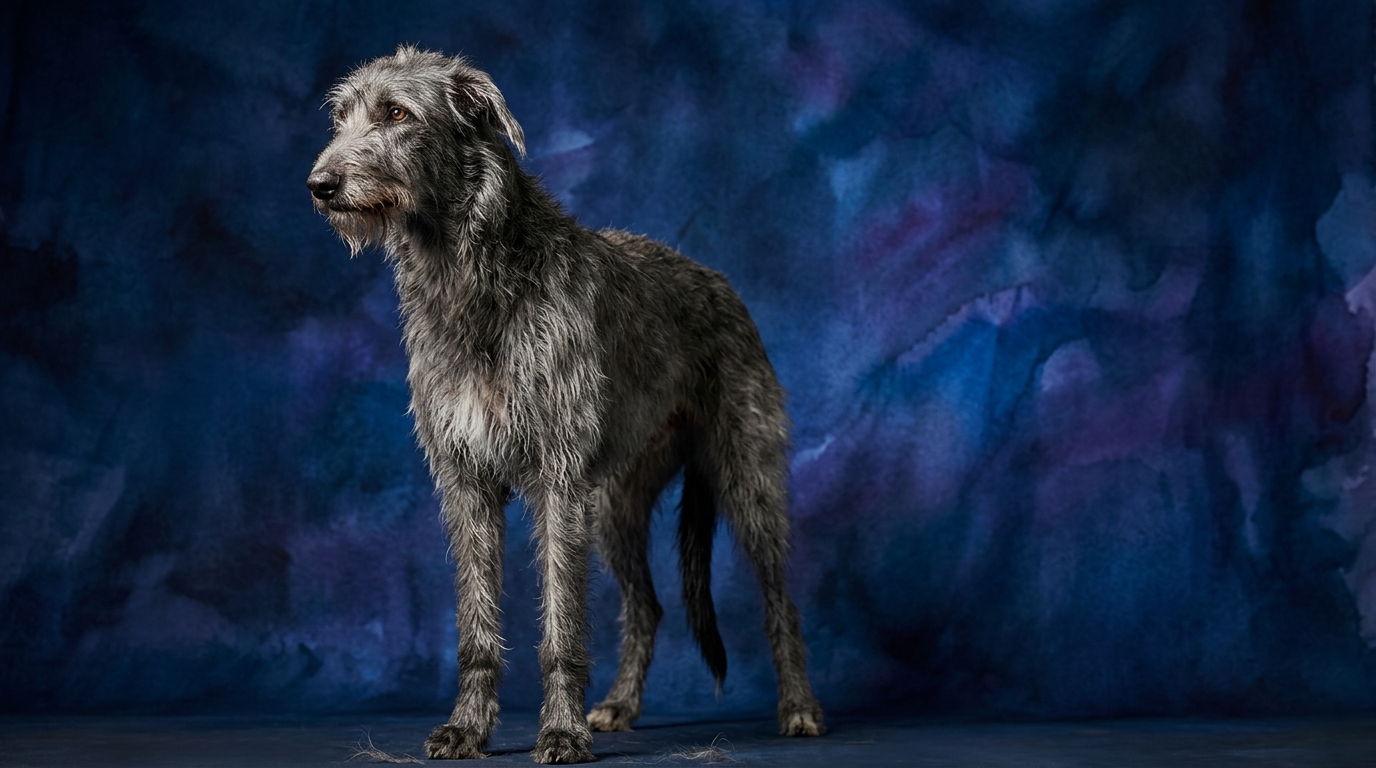
Side-by-Side IQ Profile: Dogo Argentino vs. Scottish Deerhound
**Dogo Argentino IQ Profile:** The Dogo Argentino demonstrates a functional problem-solving capacity, particularly adept at navigating physical obstacles or executing multi-step sequences related to its primary roles, such as tracking or managing livestock. Their approach is often direct and persistent, leveraging physical strength and learned patterns rather than abstract reasoning. They can learn to open gates with specific latches or retrieve items from complex layouts, driven by a clear objective and consistent training. Dogos learn new commands at a moderate pace, exhibiting steady progress with consistent, clear, and confident instruction. Their independent nature means they require a strong, respectful bond with their handler to maintain focus and motivation. While not instantly assimilating complex tasks, they retain information well with diligent practice, responding best to methods that establish a sense of purpose and reward. This breed possesses a solid ability to interpret human body language and vocal tones within their established family, understanding expectations and emotional states. They are discerning with strangers, quickly assessing potential threats or intentions, which is a hallmark of their protective instincts. Their social understanding facilitates a clear hierarchy within the home, requiring owners to provide consistent leadership. The Dogo's instinctive drive is a compelling blend of a moderate prey drive and robust protective tendencies, historically crucial for hunting large game and guarding property. This drive translates into a strong inclination to pursue moving objects and to survey their environment for perceived incursions. Managing and channeling this drive through structured activities is essential for their well-being and integration into a family setting. Dogos demonstrate a reliable memory for learned commands, established routines, and significant past experiences, both positive and negative. They can recall complex sequences of actions and retain spatial awareness of their territory. This cognitive trait supports their ability to perform consistent tasks and adapt to familiar environments, though new information requires adequate repetition to embed firmly.
**Scottish Deerhound IQ Profile:** The Scottish Deerhound's problem-solving skills are often practical and self-serving, such as finding the most strategic vantage point for observing their surroundings or discovering a hidden treat. While not inclined towards intricate puzzles, they are adept at navigating familiar territories efficiently and making independent decisions about their comfort and immediate desires, reflecting a thoughtful yet less overtly "working" intellect. Deerhounds learn new commands at a moderate pace, but their quintessential sighthound independence means they respond best when training is engaging, positive, and perceived as personally rewarding. They may take a moment to process and decide before complying, requiring a patient and understanding handler. Consistency without harshness is vital, as they are sensitive and can switch off if training becomes overly demanding or repetitive. This breed generally exhibits a gentle social intelligence, capable of reading subtle human moods and understanding household dynamics, preferring a calm and harmonious environment. They are typically reserved but polite with unfamiliar people, assessing situations quietly. Within their family, they communicate their needs and desires with subtle cues, reflecting a nuanced emotional understanding. The Deerhound's instinctive drive is profoundly rooted in its sighthound heritage: a powerful urge to chase anything that moves quickly and at a distance. This prey drive is a defining characteristic, requiring secure containment and careful management during walks. While not typically aggressive, this chase instinct is paramount and can override other learned behaviors if triggered, making it a central consideration for their care. Scottish Deerhounds possess a good memory for established daily routines, preferred walking routes, and the locations of comfort or reward. They retain learned commands with consistent, gentle reinforcement, but their independent spirit means they might prioritize an immediate sensory input over a recalled command if not sufficiently motivated. Their memory also aids in navigating open spaces and remembering specific points of interest.
Where the Dogo Argentino Wins Cognitively
The Dogo Argentino's cognitive strengths are most apparent in situations demanding consistent application of learned skills within a structured framework, particularly where a protective or task-oriented role is involved. Their moderate problem-solving, coupled with their strong memory for routines, allows them to excel in vigilance tasks, complex obedience sequences, or even specific assistance roles. They demonstrate a capacity for focused attention when given a clear objective, applying their intellect to fulfill a perceived duty. This breed's social intelligence, geared towards discerning and responding to their inner circle, further supports their effectiveness in roles requiring a strong, loyal partnership.
Where the Scottish Deerhound Wins Cognitively
The Scottish Deerhound showcases unique cognitive advantages in scenarios requiring independent environmental navigation and subtle decision-making driven by personal comfort or observation. Their practical problem-solving enables them to efficiently assess and utilize their surroundings, whether finding the coziest spot in a room or subtly communicating a need. Their acute visual perception, a cornerstone of their instinctive drive, allows them to process distant movements with remarkable speed and accuracy, a cognitive trait directly linked to their heritage. This makes them exceptional observers of their environment, often noticing details others miss.
Which is Easier to Train and Why
Given their identical 'Training Speed' scores of 3/5, the perceived ease of training for a Dogo Argentino versus a Scottish Deerhound largely hinges on their differing instinctive drives and social intelligence. The Dogo Argentino, with its strong desire to bond closely and its protective instincts, often finds motivation in pleasing its handler and fulfilling a 'job,' making it responsive to consistent, firm-but-fair training that establishes clear leadership. Their moderate social intelligence allows them to readily interpret handler cues and intentions, which can streamline the learning process when a strong relationship is forged. In contrast, the Scottish Deerhound, while capable of learning at the same speed, possesses a more independent, sight-hound temperament. Their instinctive drive to chase can easily override a learned command if a stimulating visual presents itself, requiring immense patience and highly engaging, positive reinforcement to maintain focus. While they are socially intelligent enough to understand cues, their motivation often comes from personal reward or comfort rather than an inherent desire to 'work' for the handler, making them more challenging to keep consistently engaged in structured training sessions.
Which Suits Active Owners vs. Relaxed Owners
The Dogo Argentino, with its moderate instinctive drive and capacity for structured work, typically suits active owners who can provide consistent training, mental stimulation, and regular physical exercise. Their need for a clear role and outlet for their energy means they thrive with owners who enjoy engaging in activities like obedience, scent work, or even protection sports, channeling their inherent drives into productive pursuits. A Dogo benefits from an owner who is confident and consistent in setting boundaries and providing leadership. The Scottish Deerhound, while possessing a strong prey drive that necessitates secure off-leash areas for running, generally suits owners who appreciate a more relaxed, gentle companion indoors. Their exercise needs involve bursts of high-speed running, but they are equally content to lounge and observe for long periods. They are better suited to owners who can provide ample space for their sprints but prefer a calm, less demanding presence in the home, valuing companionship over constant engagement in structured activities.
The Verdict
Choose a Dogo Argentino if you are an experienced, active owner seeking a loyal, protective companion capable of structured work and consistent training, and you can provide clear leadership.
Choose a Scottish Deerhound if you appreciate a gentle, independent giant that enjoys bursts of intense running balanced with long periods of quiet companionship, and you have secure space for their exercise.
🧠 Find Your Pet's IQ Score
Our Pet IQ Lab assessment covers 25+ tests across 5 cognitive dimensions — personalized to your breed.
Take the Full IQ Test →Frequently Asked Questions
Do Dogo Argentinos and Scottish Deerhounds have similar intelligence levels?
Based on the Cosmic Pet Pet IQ Lab, both breeds score 3/5 across all five cognitive dimensions: problem-solving, training speed, social intelligence, instinctive drive, and memory. While their raw scores are identical, the *application* and *manifestation* of these cognitive traits differ significantly due to their distinct breed histories and inherent temperaments.
How does the Dogo Argentino's working background influence its cognitive expression?
The Dogo Argentino's working background as a big-game hunter and guardian means its cognitive abilities are geared towards practicality, persistence, and focus within a structured framework. Their problem-solving and memory are strong for tasks requiring vigilance and learned routines, while their social intelligence aids in understanding handler commands for a clear purpose.
What makes the Scottish Deerhound's cognitive profile unique despite similar scores?
The Scottish Deerhound's sighthound heritage emphasizes independent thought and a keen awareness of its environment, particularly regarding movement. Their problem-solving often manifests in practical ways like finding comfort, and their memory is excellent for routes and routines. Their social intelligence is gentle, and their instinctive drive is primarily focused on the chase, influencing their responses and trainability.