Side-by-Side Cognitive Profiles
The Cosmic Pet Pet IQ Lab employs a five-dimensional framework to assess canine intelligence, providing a nuanced understanding beyond simple obedience. For both the Dogue de Bordeaux and the Miniature Pinscher, our assessments indicate a consistent score of 3 out of 5 across all measured dimensions, suggesting that while their cognitive expressions differ, their overall capacity for learning and adaptation falls within a similar moderate range.
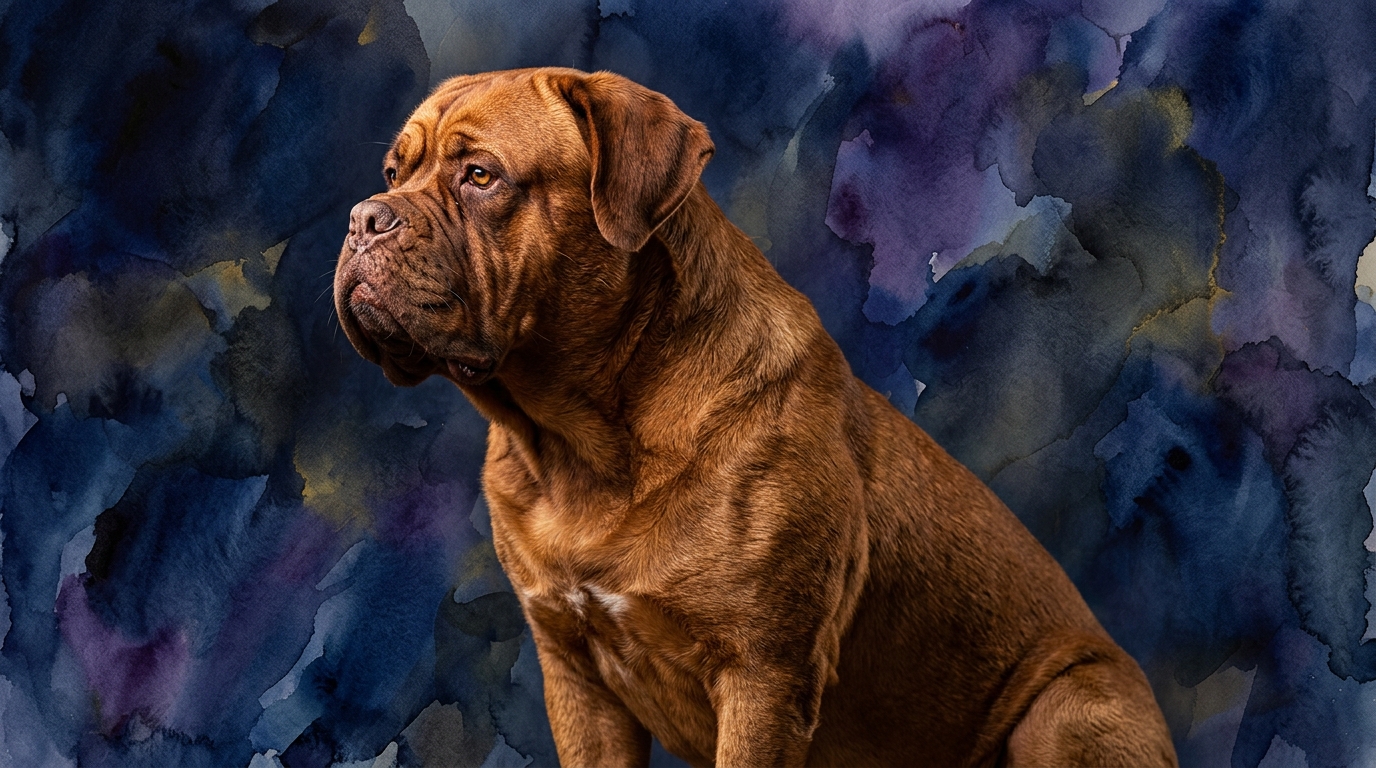
The Dogue de Bordeaux, a working breed, exhibits a Problem Solving score of 3/5, indicating an ability to navigate moderately complex challenges, often through deliberation and physical presence rather than intricate strategizing. Their Training Speed also stands at 3/5; they are capable learners, but their substantial size and often calm demeanor mean lessons require patience and consistent reinforcement. Social Intelligence at 3/5 suggests they are attuned to their family's emotional states and social structures, often displaying a protective awareness. An Instinctive Drive of 3/5 reflects their guardian heritage, manifesting as territoriality and a protective nature. Finally, their Memory at 3/5 allows them to retain commands and routines effectively, building on past experiences.
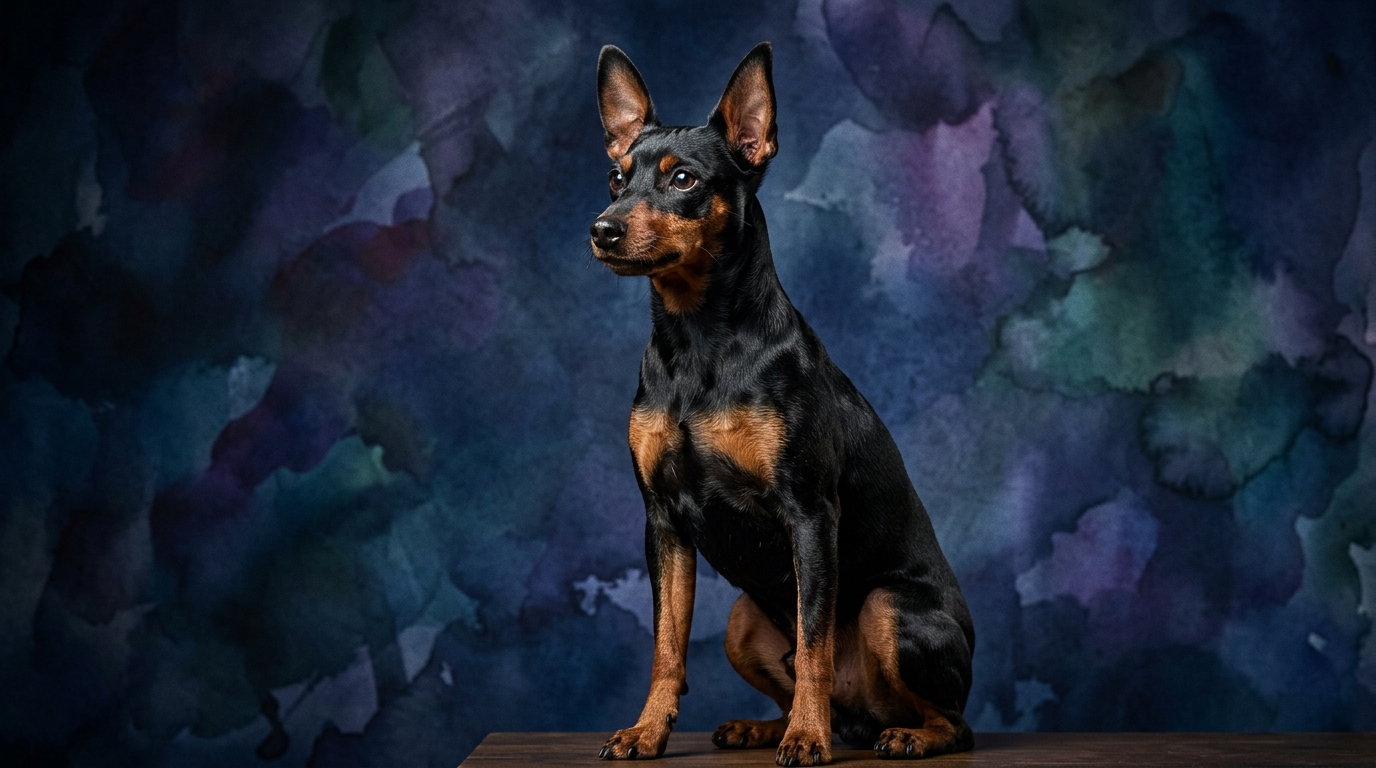
Conversely, the Miniature Pinscher, a toy breed, also scores 3/5 in Problem Solving. For them, this often translates into resourceful navigation of home environments, figuring out how to access desired items or escape perceived confinements with agility and quick thinking. Their Training Speed, also 3/5, means they can grasp new concepts readily, though their independent streak and zest for life can sometimes make focus a challenge, requiring engaging and varied sessions. Social Intelligence at 3/5 manifests as a keen awareness of their surroundings and family dynamics, often expressed through alert vocalizations and a desire to be involved. An Instinctive Drive of 3/5 highlights their historical role as ratters and watchdogs, showcasing a strong prey drive and territorial alertness. Their Memory, likewise 3/5, enables them to recall learned behaviors and routines, aiding in their adaptability within a structured household.
Where Dogue de Bordeaux Excels Cognitively
Despite identical numerical scores, the Dogue de Bordeaux often demonstrates specific cognitive strengths rooted in their working breed history and physical attributes. Their 3/5 social intelligence, combined with their imposing presence, can make them particularly adept at discerning subtle shifts in household dynamics and human emotions, acting as a calm, watchful presence. They might excel in scenarios where a steady, thoughtful response is more beneficial than rapid action, such as providing comfort or acting as a deterrent based on their perceptive understanding of a situation.
Their problem-solving, while not always speedy, can involve a deliberate and persistent approach. A Dogue de Bordeaux might spend more time observing a situation, like a tricky gate latch, and then systematically try different physical methods to open it, relying on their strength and determination. This contrasts with a smaller dog's potential to use agility or find a loophole. Their memory, at 3/5, serves them well in remembering established household rules and routines, contributing to their reputation as a stable and predictable family member once boundaries are clearly set and consistently enforced.
Where Miniature Pinscher Excels Cognitively
The Miniature Pinscher’s 3/5 cognitive scores shine in different, yet equally valuable, contexts. Their problem-solving often involves quick, agile thinking, allowing them to navigate complex environments or outsmart challenges with speed and cleverness. For instance, a Min Pin might quickly assess multiple escape routes from a confined space or devise ingenious ways to reach a high-up treat, utilizing their compact size and athleticism.
Their instinctive drive, also 3/5, manifests as an exceptional alertness and vigilance, making them highly effective watchdogs despite their small stature. They possess a keen ability to detect novel sounds or movements and react immediately, often processing these stimuli faster than larger, more placid breeds. This quick processing speed, combined with their social intelligence, allows them to be highly responsive to subtle environmental cues and act as a living alarm system, making them cognitively superior in tasks requiring immediate, sustained attention to detail and rapid communication of perceived threats.
Training Experiences: Dogue de Bordeaux vs. Miniature Pinscher
While both breeds score 3/5 in training speed, the practical experience of training each can differ significantly due to their inherent temperaments and physical characteristics. Training a Dogue de Bordeaux often requires immense patience and consistency, as their large size means any resistance or lack of cooperation is physically substantial. Their moderate energy levels mean they can sometimes be perceived as stubborn or slow to respond, simply because their motivation might need more careful cultivation through high-value rewards and positive reinforcement. Establishing clear expectations and making training sessions engaging yet calm is crucial to harness their 3/5 training speed effectively.
The Miniature Pinscher, despite the same 3/5 training speed, can present a different set of challenges. Their independent spirit and high energy can lead to easily distracted behavior, making sustained focus difficult without highly stimulating and varied training. They pick up commands readily but might choose whether or not to obey based on immediate perceived value, demanding an owner who can make training feel like a game and maintain their interest. Their strong instinctive drive for chasing and exploring means recall training, for instance, requires diligent effort to ensure it overrides their natural impulses, whereas a Dogue's protective instincts might make them more inclined to stay near their family.
Ideal Owners: Active vs. Relaxed Lifestyles
Considering their distinct physical and temperamental profiles, the Dogue de Bordeaux and Miniature Pinscher cater to different owner lifestyles. The Dogue de Bordeaux, with its imposing size and generally calmer indoor demeanor, is often a better fit for relaxed owners who appreciate a steadfast companion. While they require regular, moderate exercise to maintain their health and mental well-being—think a couple of leisurely walks daily and some yard time—they are not typically suited for owners seeking a high-octane running or agility partner. Their social intelligence and protective instincts thrive in a stable home environment where they can be a devoted, watchful presence without constant vigorous activity.
In contrast, the Miniature Pinscher is a spirited, energetic breed perfectly suited for active owners. Despite their small stature, they possess boundless energy and a keen mind that demands consistent engagement and mental stimulation. Owners who enjoy frequent walks, engaging play sessions, and perhaps even dog sports like agility or obedience will find a Min Pin to be an enthusiastic participant. Their high instinctive drive and alertness mean they thrive when given a 'job' to do, whether it's learning new tricks, patrolling the house, or accompanying their owner on various adventures. A relaxed owner who cannot meet their needs for activity and mental challenge might find a Min Pin becoming restless or developing undesirable behaviors.
The Verdict
Choose the Dogue de Bordeaux if you appreciate a calm, protective companion, are prepared for their significant physical needs, and can provide consistent, patient training in a stable home environment.
Opt for the Miniature Pinscher if you lead an active lifestyle, enjoy engaging in regular mental and physical activities with your dog, and are prepared to manage a spirited, independent personality with positive, consistent training.
🧠 Find Your Pet's IQ Score
Our Pet IQ Lab assessment covers 25+ tests across 5 cognitive dimensions — personalized to your breed.
Take the Full IQ Test →Frequently Asked Questions
Do Dogue de Bordeaux and Miniature Pinschers learn at the same pace?
Both breeds score 3/5 in Training Speed, indicating they are capable learners. However, their learning styles differ; Dogue de Bordeaux requires patience and consistency due to their size and deliberate nature, while Miniature Pinschers need engaging, varied sessions to maintain focus due to their high energy and independent spirit.
Which breed is better for a family with children?
The Dogue de Bordeaux's calm demeanor and protective social intelligence can make them gentle giants with respectful children, though their size necessitates supervision. The Miniature Pinscher, while affectionate, can be nippy or assertive if not properly socialized and might be better suited for families with older, dog-savvy children who understand their energetic play style and need for boundaries.
How do their instinctive drives manifest differently?
Both have a 3/5 instinctive drive, but the Dogue de Bordeaux's is often expressed as calm guardianship and territorial protection, relying on their imposing presence. The Miniature Pinscher's drive manifests as heightened alertness, vigilance, and a strong prey drive, making them excellent, albeit vocal, watchdogs and keen observers of their environment.