
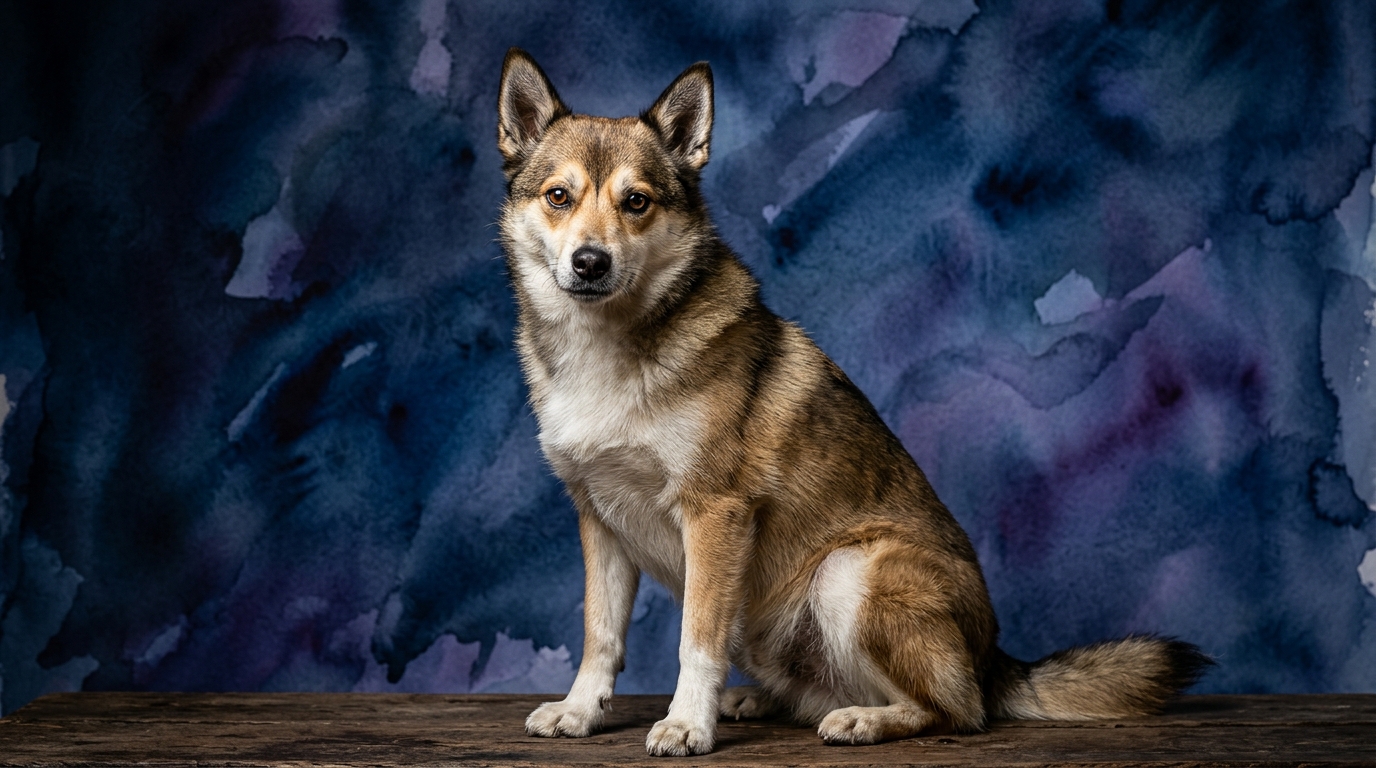
Side-by-Side IQ Profile
**Dogue de Bordeaux:** This mastiff-type breed, belonging to the Working group, exhibits a cognitive profile that reflects its heritage as a guardian and protector. Its **Problem Solving (3/5)** capacity leans towards practical, situation-based reasoning, adept at assessing environmental changes and identifying potential threats to its family or territory. They aren't typically solving complex puzzles but excel at navigating social dynamics and responding directly to perceived challenges. Their **Training Speed (3/5)** indicates they are capable learners, yet their large size and inherent self-assurance mean consistent, clear, and patient instruction is paramount. They often need to understand the 'why' behind a task, rather than offering immediate, eager compliance. **Social Intelligence (3/5)** for the Dogue de Bordeaux reflects a deep attunement to human emotions and cues within their established family unit, forming strong bonds and often discerning new individuals with caution. Their **Instinctive Drive (3/5)** is predominantly rooted in guarding and protection, manifesting as strong territoriality and a natural inclination to place themselves between their family and perceived threats. Finally, their **Memory (3/5)** is solid for routines, commands, and past interactions, aiding in their protective roles by recalling who belongs and who might be a stranger, and maintaining learned household rules.
**Norwegian Lundehund:** This ancient breed from the Non-Sporting group, bred for hunting puffins in challenging terrain, possesses a unique physical and cognitive make-up. Its **Problem Solving (3/5)** highlights an ingenuity in navigating complex, confined spaces, a trait honed by centuries of working in rocky sea caves. This isn't about advanced obedience but rather about finding creative solutions to physical obstacles, figuring out how to reach hidden treats, or exploiting environmental features with remarkable resourcefulness. Their **Training Speed (3/5)**, like the Dogue de Bordeaux, means they are capable learners, but their independence can make training a patient endeavor. Lundehunds possess a 'what's in it for me?' attitude and can be notoriously stubborn, learning best with positive reinforcement and when they perceive the task as interesting or beneficial to their own goals. **Social Intelligence (3/5)** often presents as a unique blend of deep loyalty to their immediate family and reserved caution towards outsiders. They read their family's moods but may not openly solicit affection from strangers, preferring familiar company. Their **Instinctive Drive (3/5)** is profoundly shaped by their hunting heritage, including a strong prey drive for small, fast-moving objects, an urge to climb and explore high places, and a natural inclination to burrow or squeeze into tight spaces. This drive is a powerful motivator for their activities. Their **Memory (3/5)** is excellent for spatial layouts, complex routes, and the location of favored objects or hiding spots, serving their exploratory and hunting instincts well.
Where Dogue de Bordeaux Wins Cognitively
Despite identical scores, the Dogue de Bordeaux's cognitive strengths lean towards applications of their intelligence that involve managing social hierarchies and protective duties. Their 3/5 social intelligence, combined with their imposing physical presence, allows them to excel at discerning intentions and asserting a calm, watchful authority within their perceived territory. They display a particular aptitude for understanding complex family dynamics and reacting appropriately to protect their loved ones, often anticipating potential threats before they fully materialize. Their memory of past interactions and learned rules makes them reliable guardians, understanding who belongs and who doesn't with unwavering consistency. For tasks requiring a deliberate, protective intellect focused on social order and security, the Dogue de Bordeaux often demonstrates a more direct and unwavering application of their cognitive abilities.
Where Norwegian Lundehund Wins Cognitively
Conversely, the Norwegian Lundehund's 3/5 problem-solving and instinctive drive manifest in a distinct cognitive advantage when it comes to independent exploration and navigating intricate physical challenges. Their intelligence is finely tuned for resourcefulness in complex environments, making them adept at figuring out how to access tight spaces, climb unusual structures, or retrieve objects from hidden nooks. This isn't about following a command, but about self-directed ingenuity. Their memory for complex routes and spatial arrangements further enhances their ability to explore and 'hunt' in a clever, autonomous fashion. For owners who value a dog with a profound capacity for self-entertainment through environmental mastery and intricate object manipulation, the Lundehund's unique cognitive toolkit often shines brightest.
Which is Easier to Train and Why
Both breeds share a 3/5 training speed, indicating they are capable but require thoughtful approaches. However, their underlying behavioral differences stemming from their instinctive drives and social intelligence paint a clearer picture of training ease. The Dogue de Bordeaux, while strong-willed, often responds well to clear, consistent leadership and routines. Their social intelligence means they are generally attuned to their owner's expectations within an established 'pack' hierarchy, making them amenable to structured training sessions that emphasize respect and cooperation. While not always eager, their desire to please their primary human, combined with their capacity for memory, allows them to integrate commands into their routine with persistence. Conversely, the Norwegian Lundehund's strong independent streak and problem-solving focused on self-interest can make traditional obedience training more challenging. Their instinctive drive to explore and solve problems their *own* way means they can be easily distracted if a task doesn't immediately engage their natural curiosity or offer a compelling reward. Training a Lundehund often requires more creativity, patience, and the ability to make learning feel like a fun game they've chosen to participate in, rather than a directive. Therefore, while both learn at a similar pace, the Dogue de Bordeaux might be perceived as 'easier' to train in a conventional sense due to their more compliant social structure, whereas the Lundehund demands a more adaptable and engaging approach from their trainer.
Which Suits Active Owners vs Relaxed Owners
The distinction between these two breeds regarding owner lifestyle preferences is quite pronounced, despite both sharing a moderate 3/5 across several IQ dimensions. The Dogue de Bordeaux, while a large and powerful breed, typically suits owners who appreciate a more relaxed pace of physical activity. They require regular, moderate exercise to maintain health and muscle tone, such as daily walks, but they are not endurance athletes. Their ideal owner is someone who values a calm, watchful companion within the home, capable of bursts of protective action when necessary, but otherwise content with quiet companionship. They thrive on consistent routines and a stable home environment, making them suitable for owners who prefer a more sedate lifestyle but are prepared to manage a strong, opinionated dog. In contrast, the Norwegian Lundehund, despite its smaller stature, is built for activity and demands a much more engaged owner. Their highly developed instinctive drive for exploration, climbing, and 'hunting' means they require significant mental and physical stimulation. They are not content to be solely indoor companions; they need opportunities to use their unique physical adaptations and problem-solving skills in varied environments. Owners who enjoy hiking, agility, or engaging in puzzle games and structured 'hunting' activities will find the Lundehund a more suitable match. Therefore, the Dogue de Bordeaux leans towards relaxed owners who can provide consistent guidance, while the Lundehund is undeniably a better fit for active, adventurous individuals.
The Verdict
Choose the Dogue de Bordeaux if you seek a steadfast, protective companion who excels at discerning social cues within a family unit and offers a calm, unwavering presence, requiring consistent leadership rather than constant physical exertion.
Opt for the Norwegian Lundehund if you are an adventurous owner who values a clever, independent explorer with a unique problem-solving aptitude for physical challenges, and are prepared to provide ample mental and physical engagement for their innate curiosity.
🧠 Find Your Pet's IQ Score
Our Pet IQ Lab assessment covers 25+ tests across 5 cognitive dimensions — personalized to your breed.
Take the Full IQ Test →Frequently Asked Questions
Do Dogue de Bordeaux and Norwegian Lundehund truly have the same intelligence?
According to the Cosmic Pet Pet IQ Lab's assessment, both breeds scored identically (3/5) across all five cognitive dimensions. This suggests they possess similar overall cognitive capabilities, though these manifest in distinct ways due to their differing historical roles and physical traits. Their intelligence is applied to different contexts.
How do their protective instincts differ given similar 'instinctive drive' scores?
Both have a 3/5 instinctive drive, but its expression varies significantly. The Dogue de Bordeaux's drive is primarily protective and territorial, focusing on guarding their family and home with a watchful presence. The Norwegian Lundehund's drive is geared towards independent hunting, exploration, and navigating challenging physical environments rather than direct protection.
Which breed is better for families with children, considering their social intelligence?
Both breeds have a 3/5 social intelligence, meaning they can form strong bonds within a family. The Dogue de Bordeaux, with proper socialization, can be a gentle giant, attuned to family dynamics and often protective. The Lundehund, while loyal, is more independent and may prefer less direct interaction, requiring children to respect their space. Proper introduction and supervision are crucial for both.