
Side-by-side IQ profile
English Cocker Spaniel:
Problem Solving (4/5): This breed exhibits a strong aptitude for navigating complex situations and finding solutions, often demonstrating ingenuity in achieving goals related to retrieving or exploration.
Training Speed (4/5): English Cockers grasp new commands and routines with impressive alacrity, their eagerness to please combining with sharp cognitive processing for quick learning.
Social Intelligence (3/5): While affectionate, their social intelligence is moderate, capable of reading human cues but perhaps not possessing profound empathy or nuanced understanding of complex social dynamics.
Instinctive Drive (3/5): Rooted in their sporting heritage, they have a moderate, manageable drive for scent work, flushing, and retrieving, requiring outlets for exploration and following interesting smells.
Memory (5/5): A standout trait is their exceptional memory, retaining learned behaviors, routes, and associations over long periods with precision, making training cumulative.
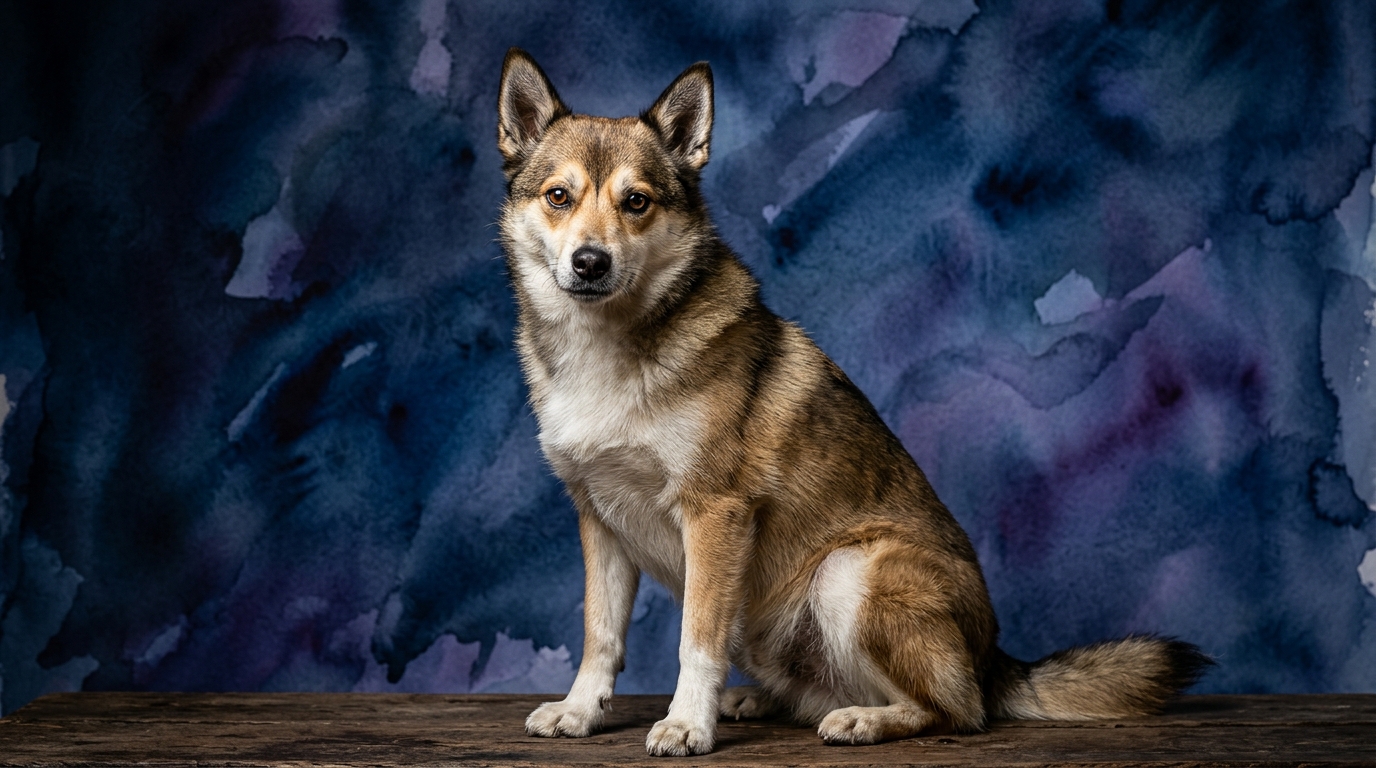
Norwegian Lundehund:
Problem Solving (3/5): The Lundehund approaches problem-solving with independent tenacity, relying on physical dexterity and ancient instincts to figure things out methodically, even if slower than other breeds.
Training Speed (3/5): Learning new commands takes a moderate pace; their independent nature means they require more patience and creative motivation, often preferring to engage on their own terms.
Social Intelligence (3/5): Similar to the English Cocker, they display moderate social intelligence, forming strong bonds and interacting appropriately, though they might be reserved in new social situations.
Instinctive Drive (3/5): Their balanced instinctive drive, honed for hunting puffins, manifests as a strong prey drive and an urge to explore and climb, but it is not overwhelming and can be channeled.
Memory (3/5): The Lundehund possesses a solid, functional memory, remembering routines, familiar people, and places for practical purposes, aiding in navigation and recognizing safe environments.
Where English Cocker Spaniel wins cognitively
The English Cocker Spaniel holds a clear cognitive advantage in areas tied to cooperative work. Its exceptional memory (5/5) ensures rapid and lasting retention of complex commands and behaviors, making training highly efficient and progressive. Coupled with superior problem-solving (4/5) and training speed (4/5), English Cockers quickly decipher new challenges, often anticipating human intentions and excelling in structured learning environments. Their cognitive processing is optimized for attentive cooperation and precise execution, making them adept partners for obedience, dog sports, and intricate trick training. This breed’s ability to process and recall information quickly facilitates a smoother, more rewarding training journey, building upon previous lessons with impressive consistency.
Where Norwegian Lundehund wins cognitively
The Norwegian Lundehund's cognitive strengths lie in its unique independent problem-solving (3/5) and self-reliance, forged by its historical role as a solitary puffin hunter. While not rapid, their tenacious and methodical approach to challenges, often using their unique physical adaptations, showcases a resourceful intelligence distinct from cooperative learning. They excel in assessing novel, physically demanding situations and devising unconventional solutions without constant human direction. Their balanced instinctive drive (3/5) is also a "win," being potent enough for exploration and investigation without becoming singularly fixated, allowing for a broader range of interests. This breed suits owners who value a dog that thinks for itself, demonstrates resourceful autonomy, and can adapt to unique environmental challenges through persistent, independent determination.
Which is easier to train and why
The English Cocker Spaniel is significantly easier to train due to its 4/5 training speed and outstanding 5/5 memory. They are eager to please, attentive, and quickly form strong associations between commands and actions, retaining these lessons with impressive longevity and requiring fewer repetitions. Their 4/5 problem-solving further aids in generalizing commands to new contexts. Conversely, the Norwegian Lundehund's 3/5 training speed and 3/5 memory mean learning is a more measured process. Their independent nature, stemming from a history of self-sufficient hunting, means they aren't inherently driven by a desire to please and may require more creative motivation, patience, and repetition. They might prefer to solve problems their own way rather than strictly adhering to handler instructions, making the training journey for the Lundehund more about building a unique partnership than achieving rapid obedience.
Which suits active owners vs relaxed owners
Both breeds benefit from active engagement, but their cognitive profiles dictate different interaction styles. The English Cocker Spaniel, with its high problem-solving (4/5), training speed (4/5), and memory (5/5), is ideal for highly active owners who enjoy structured activities like obedience, agility, and scent work. They thrive on consistent mental stimulation and physical exercise, making them perfect partners for dog sports, long hikes, and engaging training sessions. The Norwegian Lundehund, while also needing exercise, suits owners who appreciate a more independent and methodically driven companion. Their 3/5 scores in problem-solving and training speed, alongside their history of self-reliance, means they prefer exploration, climbing, and activities allowing them to use natural instincts to investigate. An owner who is "relaxed" about perfect obedience, values a dog that thinks for itself, and provides a secure environment for safe, autonomous exploration will find the Lundehund a unique and rewarding match.
The Verdict
Opt for the English Cocker Spaniel if you desire a highly trainable, eager-to-please companion who excels in structured learning, dog sports, and quickly masters complex commands. This breed is ideal for active owners seeking a responsive, intelligent partner for consistent mental and physical engagement.
Select the Norwegian Lundehund if you appreciate a uniquely independent, resourceful dog that thinks for itself and thrives on exploring its environment with methodical determination. This breed suits owners seeking a charming, resilient companion who values autonomy and is prepared for a more patient, creative training approach.
🧠 Find Your Pet's IQ Score
Our Pet IQ Lab assessment covers 25+ tests across 5 cognitive dimensions — personalized to your breed.
Take the Full IQ Test →Frequently Asked Questions
Are English Cocker Spaniels good at puzzle toys?
Yes, with a problem-solving score of 4/5, English Cocker Spaniels typically excel at puzzle toys, enjoying the mental challenge and often figuring them out with considerable speed and ingenuity. They find the process of working for a reward stimulating and engaging.
Do Norwegian Lundehunds have a strong prey drive?
Norwegian Lundehunds have a moderate instinctive drive (3/5) that includes a prey drive, historically honed for hunting puffins. While not overwhelming, it means they are keen observers and explorers, and secure leashes or fenced areas are important for their safety during outdoor activities.
How do their social intelligence scores compare?
Both breeds share a social intelligence score of 3/5, indicating they are capable of forming strong bonds and interacting appropriately in social settings. Neither breed is exceptionally profound in social nuance, but both are generally good-natured and can integrate well into family life.