Side-by-side IQ profile
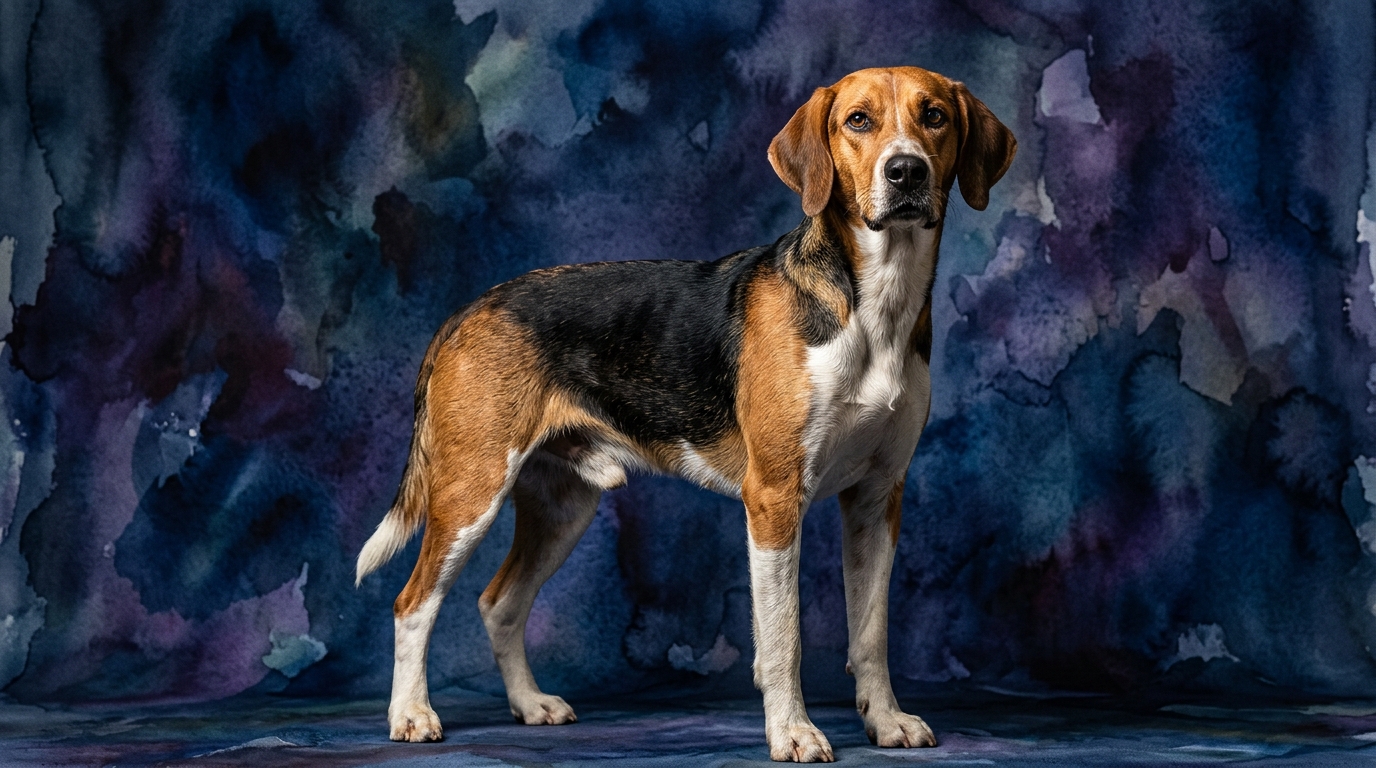
The English Foxhound's cognitive strengths, rated 3/5 across the board, are deeply rooted in its heritage as a cooperative hunting dog. Its problem-solving involves intricate scent-tracking over diverse landscapes, demanding sustained focus and adaptive route-finding rather than abstract puzzles. Training speed is moderate; they learn commands effectively, especially when tied to cooperative tasks, but their powerful instinctive drive means scents can easily divert their attention, requiring consistent, patient guidance.
Their social intelligence allows them to thrive within a pack, understanding complex hierarchies and communicating effectively with both canine and human companions, though they may be reserved with strangers. This breed possesses an unwavering instinctive drive for tracking and chasing, which is central to its identity. Their memory is impressive for scent trails, familiar territories, and established routines, retaining learned cues well unless a compelling new scent overrides their immediate focus.
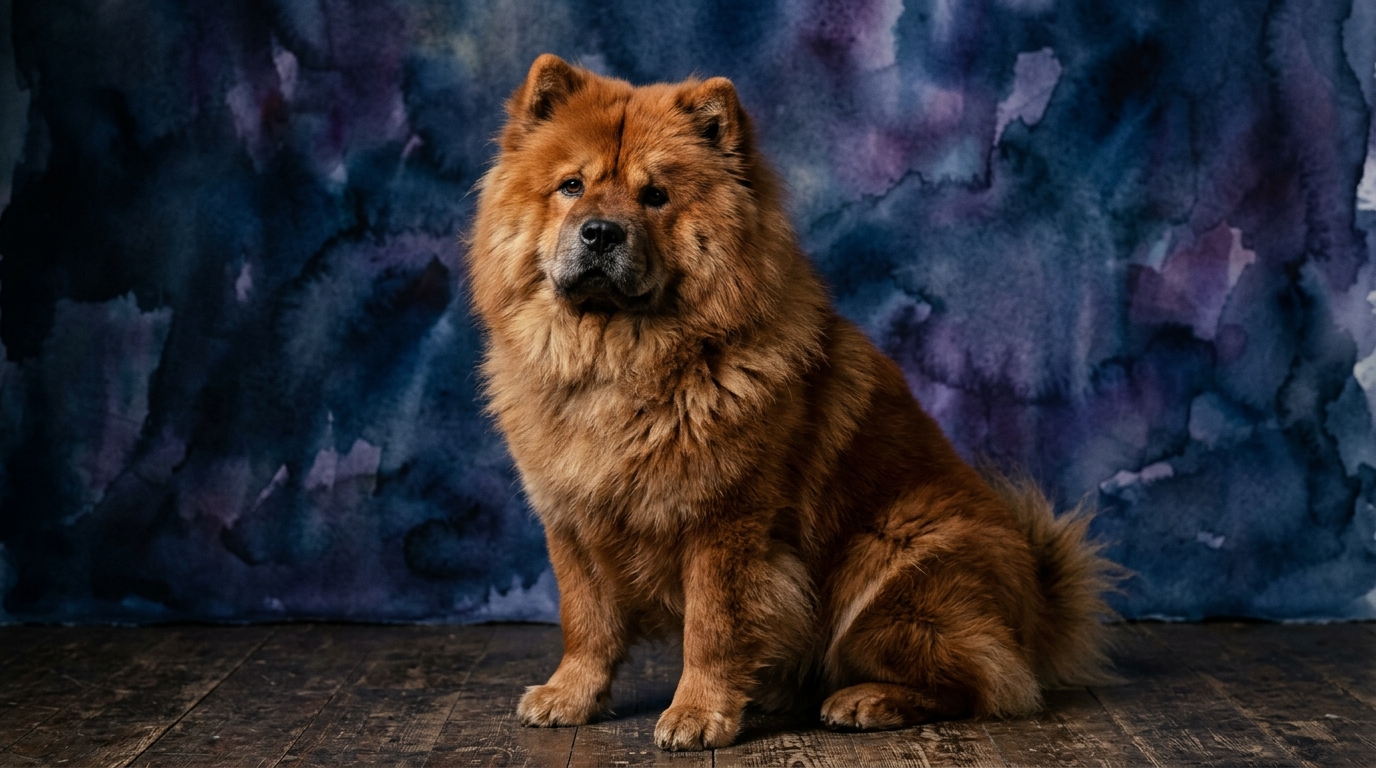
The Chow Chow, also rated 3/5 across all cognitive dimensions and Coren-ranked #76, exhibits an intelligence characterized by independence and self-possession. Their problem-solving is often self-directed, focused on optimizing their own comfort, security, or autonomy, rather than seeking human input for solutions. Training speed is moderate, requiring patient and consistent positive reinforcement, as they learn best when they perceive a direct benefit or logical reason for compliance, rather than simply pleasing a handler.
Their social intelligence is profound within their immediate family, allowing them to gauge moods and respond with nuanced affection or respectful distance, yet they maintain a characteristic aloofness towards strangers and other dogs. Their primary instinctive drive is protective and territorial, manifesting as vigilance rather than a strong prey drive. Chow Chows possess a robust memory for trusted individuals, established routines, and the precise boundaries of their personal space, influencing their interactions and preferences.
Where English Foxhound wins cognitively
The English Foxhound's cognitive strengths truly shine in environments demanding sustained focus on a singular, external task, particularly those involving intricate scent work. While both breeds score 3/5 in problem-solving, the Foxhound's aptitude is profoundly geared towards complex, multi-stage tracking puzzles, requiring them to construct and navigate an intricate mental map of odors and terrain. This isn't about abstract thought, but rather a highly sophisticated, sensory-driven form of intelligence where they can process and prioritize an overwhelming amount of olfactory information to achieve a specific, often distant, goal. Their unwavering determination to follow a trail, even when it appears to vanish, showcases a persistence in cognitive pursuit that is a hallmark of their breed.
Their social intelligence, while rated the same as the Chow Chow's, manifests as a superior capacity for cooperative problem-solving within a group, understanding and responding to the nuanced dynamics of a pack to work towards a shared objective. This collaborative spirit, honed over centuries of hunting alongside humans and other hounds, gives them a distinct edge in tasks requiring synchronous effort and mutual understanding within a working team. They possess an innate ability to read the intentions of their human handler and adjust their actions accordingly, making them highly responsive partners in shared endeavors. Furthermore, their memory for specific scent profiles, complex routes, and the intricate patterns of a hunt is a cognitive marvel, allowing them to retrace steps or follow faint trails with remarkable precision, a skill deeply ingrained and less pertinent to the Chow Chow's independent nature.
Where Chow Chow wins cognitively
The Chow Chow's cognitive advantages lie in its profound independence and self-sufficiency, representing a distinct facet of intelligence compared to the Foxhound's cooperative nature. Their problem-solving, rated 3/5, is often directed inward, meticulously focused on optimizing their own comfort, security, and autonomy within their chosen environment. This manifests as a strategic ability to assess situations and make decisions that align with their personal preferences, rather than instinctively seeking human direction or collaborative effort. For instance, a Chow Chow might cleverly position itself to observe its territory from a comfortable vantage point without excessive exertion, or subtly communicate its desire for space without resorting to overt confrontation, demonstrating a refined understanding of its own needs and how to achieve them.
Their social intelligence, also 3/5, is a deep, nuanced understanding of their immediate family, allowing them to gauge moods, discern intentions, and respond with tailored affection or respectful distance, often with an uncanny accuracy. This isn't about broad social engagement or seeking approval, but a precise, intimate comprehension of their trusted few, displaying a quiet loyalty that speaks volumes. Moreover, the Chow Chow's memory, while rated similarly to the Foxhound's, uniquely contributes to its strong sense of boundaries and routine; they remember who is trustworthy, what is expected, and where their personal space lies with unwavering clarity, making them masters of maintaining their preferred lifestyle and resisting attempts to alter their established norms.
Which is easier to train and why
When it comes to ease of training, the English Foxhound generally presents a more straightforward path for handlers, despite both breeds sharing a 3/5 training speed rating. The Foxhound's history as a cooperative hunting dog means they are inherently inclined to work with a leader and respond to cues, viewing training as a collaborative effort and a means to engage their powerful drives. Their primary challenge stems from their formidable instinctive drive; a compelling scent can easily override a learned command, requiring trainers to manage environmental distractions rigorously and employ highly motivating rewards. However, their desire to please their human “pack” and their natural inclination towards teamwork mean that once they understand a task, they are typically eager and reliable in performing it, especially if it involves activity or scent work.
In contrast, the Chow Chow's formidable independence and self-assured nature make training a more nuanced and often challenging endeavor. They are not naturally motivated by the desire to please a human; instead, they learn best when they perceive a clear personal benefit or when the training aligns with their own logical understanding and comfort. This means trainers must be exceptionally patient, consistent, and creative in making training sessions rewarding and engaging from the Chow Chow's perspective, avoiding forceful methods that can lead to resistance. Their willingness to comply is often a matter of earned respect and understanding, rather than simple obedience, requiring a handler who can establish clear leadership through calm confidence and positive reinforcement, acknowledging their independent spirit.
Which suits active owners vs relaxed owners
The choice between an English Foxhound and a Chow Chow heavily depends on an owner's lifestyle, particularly their preferred activity level and approach to companionship. English Foxhounds are undoubtedly suited for highly active owners who can meet their substantial exercise and mental stimulation requirements. Their boundless stamina, bred for long days of tracking across varied landscapes, means they thrive on extensive daily walks, runs, or structured activities like scent work, trail hiking, or even canine sports. A Foxhound that doesn't receive sufficient physical and mental outlets can become restless, vocal, and potentially destructive, channeling its powerful instinctive drive into unwanted behaviors. Their cognitive engagement is often intrinsically tied to movement and exploration, making them perfect companions for those who genuinely enjoy an outdoor, active lifestyle.
Conversely, the Chow Chow is a better fit for more relaxed owners who appreciate a dignified, independent, and relatively sedate companion. While they absolutely benefit from regular, moderate walks to maintain physical health and mental well-being, their exercise needs are significantly less intense compared to the Foxhound. They are generally content with a more measured pace, enjoying quiet companionship, observing their surroundings from a comfortable spot, and engaging in short bursts of play. Their cognitive stimulation often comes from predictable routines, a stable home environment, and the subtle, deep interactions within their trusted family unit, rather than constant high-energy engagement, making them ideal for individuals or families seeking a loyal presence without the demand for incessant activity.
The Verdict
Choose an English Foxhound if you are an active individual or family seeking a cooperative, scent-driven companion eager for outdoor adventures and structured training, prepared to manage its strong instinctive drives.
Opt for a Chow Chow if you appreciate a dignified, independent companion who thrives on routine and quiet companionship, valuing a loyal bond built on mutual respect rather than constant interaction or high-energy activities.
🧠 Find Your Pet's IQ Score
Our Pet IQ Lab assessment covers 25+ tests across 5 cognitive dimensions — personalized to your breed.
Take the Full IQ Test →Frequently Asked Questions
Are English Foxhounds good family dogs?
English Foxhounds can be excellent family dogs, especially in active households that can provide ample exercise and consistent training. Their social intelligence allows them to bond well with their human “pack,” though their strong scent drive requires supervision around smaller pets or unfenced areas.
Do Chow Chows require a lot of grooming?
Yes, Chow Chows require significant grooming due to their dense double coat. Regular brushing, typically several times a week, is essential to prevent matting and manage shedding, ensuring their coat remains healthy and comfortable.
Which breed is better for apartment living?
Neither breed is ideally suited for small apartment living without significant commitment. However, a Chow Chow, with its more moderate exercise needs and preference for quiet, independent living, could adapt to an apartment more readily than an English Foxhound, provided it receives regular walks and mental engagement.