
Side-by-Side IQ Profile: Unpacking the 3/5 Scores
Both the English Foxhound and the Finnish Spitz are rated 3 out of 5 across all five IQ dimensions: Problem Solving, Training Speed, Social Intelligence, Instinctive Drive, and Memory. These identical scores suggest neither breed is at an extreme end of the cognitive spectrum, but rather demonstrate capable, mid-range intelligence. However, the *application* of this intelligence varies significantly based on their unique breed histories and inherent predispositions.
For the **English Foxhound**, a 3/5 in Problem Solving typically means they excel at practical, scent-driven challenges, such as navigating complex terrain to follow a trail. Their problem-solving is often linear and persistent, focused on achieving a singular objective dictated by their nose. A 3/5 in Training Speed indicates they are capable of learning commands, but their strong, independent scent drive can often override immediate compliance, requiring consistent and highly motivating methods. Their Social Intelligence at 3/5 reflects their proficiency in pack dynamics, understanding hierarchy and cooperation within a group of hounds, essential for their hunting role. The Instinctive Drive score of 3/5 highlights their powerful, sustained pursuit instinct, driven by scent and a desire to work collaboratively over long distances. Finally, their Memory at 3/5 is well-suited for retaining complex scent patterns, remembering established hunting routes, and recalling pack routines.
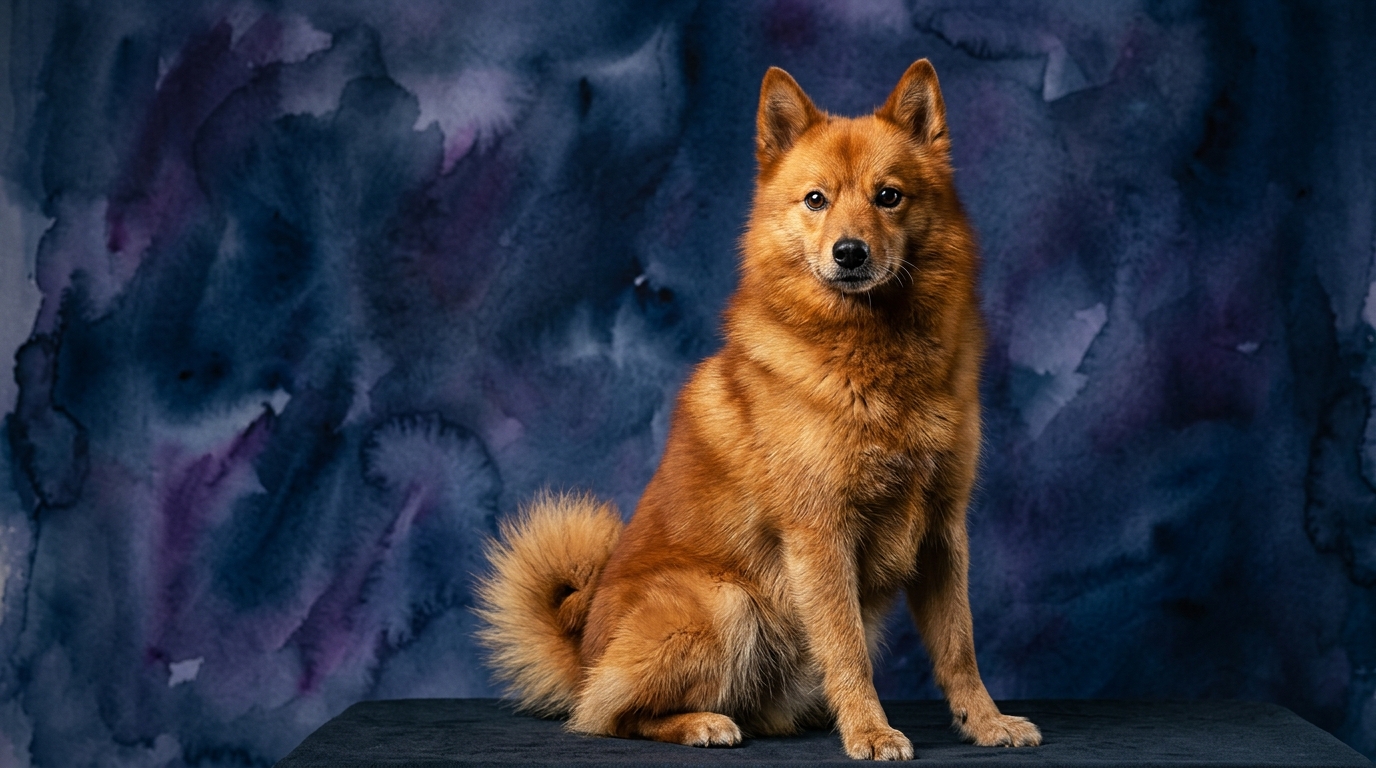
The **Finnish Spitz**, also scoring 3/5 in Problem Solving, demonstrates this through their ability to independently locate and 'tree' game, often requiring spatial awareness and strategic thinking in varied environments. Their problem-solving is often more self-directed and adaptable to novel situations. A 3/5 in Training Speed means they can learn quickly, but their independent spirit and tendency towards vocalization can sometimes make them appear less eager to please or more easily distracted by environmental stimuli. Their Social Intelligence, also 3/5, manifests as keen observation of their human family and a discerning nature towards strangers, forming strong bonds within their immediate circle. The Instinctive Drive at 3/5 points to their alert, agile, and vocal hunting style, characterized by a quick response to visual and auditory cues, rather than sustained scent work. Their Memory, rated 3/5, serves them well in recalling specific hunting locations, recognizing territorial boundaries, and remembering family routines and expectations.
Where the English Foxhound Wins Cognitively
The English Foxhound's cognitive strengths shine particularly in scenarios demanding unwavering focus on a single sensory input and sustained effort as part of a collective. Their 3/5 Problem Solving, when paired with their strong Instinctive Drive, makes them exceptional at systematically unraveling complex scent puzzles over vast distances. This isn't about quick, independent decisions, but rather a methodical, enduring pursuit where their memory of a trail remains paramount.
Furthermore, their 3/5 Social Intelligence is uniquely geared towards cooperative endeavors with other dogs, a critical aspect of their pack hunting heritage. They demonstrate a nuanced understanding of canine communication and roles within a group, allowing for seamless coordination during a chase. This ability to work in synchronous harmony, relying on shared sensory information and collective effort, gives them a distinct advantage in team-oriented cognitive tasks where a lone wolf approach would fail.
Where the Finnish Spitz Wins Cognitively
The Finnish Spitz excels in cognitive domains requiring independent initiative, environmental awareness, and quick, decisive action. Their 3/5 Problem Solving manifests as a talent for autonomous decision-making in the field, such as pinpointing the exact location of hidden game or adapting to sudden changes in terrain without constant human direction. They demonstrate an inventive approach to solving challenges that leverages their keen senses and agile movements.
Their 3/5 Instinctive Drive, combined with their sharp senses, translates into superior alertness and responsiveness to novel stimuli in their environment. This acute awareness allows them to detect subtle changes, whether a rustle in the undergrowth or a distant sound, often before their human companions. This rapid processing of sensory information and immediate, often vocal, response makes them highly effective as watchdogs and independent hunters, relying on their own judgment rather than group consensus.
Which is Easier to Train and Why
While both breeds score 3/5 in Training Speed, the 'ease' of training them diverges significantly due to their intrinsic motivations and distractions. The English Foxhound, though capable of learning, presents a challenge primarily because its overwhelming scent drive can make it appear stubborn or unresponsive when a compelling scent is present. Their focus can be singularly consumed by a trail, requiring trainers to employ extremely high-value rewards and consistent, patient reinforcement to compete with nature's strongest lure. Consistency in training is key, often needing repetition across various environments to generalize commands.
The Finnish Spitz, conversely, can also be challenging due to its independent nature and vocal tendencies. They are often described as having a 'what's in it for me?' attitude, meaning they respond best to positive reinforcement that clearly benefits them, rather than simply pleasing an owner. Their characteristic 'yodeling' bark, while charming to some, can be a training hurdle requiring dedicated desensitization and redirection. While intelligent enough to grasp commands quickly, their inclination towards self-direction means they might not always choose to obey unless the motivation is strong and consistent, or if they perceive a command as beneficial to their own interests. Both require experienced handlers who understand their specific breed traits and can tailor training methods accordingly.
Which Suits Active Owners vs. Relaxed Owners
The English Foxhound is unequivocally suited for highly active owners who embrace an outdoor, energetic lifestyle. Their sustained endurance and deep-seated need for long, vigorous exercise, ideally involving scent work or opportunities to gallop, make them incompatible with relaxed, sedentary households. Owners must be prepared for daily, extensive physical activity, often involving secure, expansive areas where they can safely explore their world through scent. Their pack-oriented social intelligence means they thrive with consistent interaction and benefit from multi-dog households or frequent canine companionship.
The Finnish Spitz, while also requiring regular exercise to manage their energy and keen senses, can fit into a slightly less extreme 'active' category, but certainly not a relaxed one. They need daily walks, opportunities to explore, and mental stimulation to prevent boredom and excessive vocalization. Their independent problem-solving and alert nature means they enjoy activities that engage their minds, such as agility, scent games, or supervised hunting simulations. They are often content as a loyal companion within a family, but their strong prey drive and vocal tendencies require an owner who appreciates their unique personality and can provide consistent training and engagement, rather than just passive companionship.
The Verdict: When to Choose Each Breed
The Verdict
Choose the English Foxhound if you are a highly active, dedicated owner seeking a robust, scent-driven companion for extensive outdoor pursuits and appreciate their pack-oriented intelligence. You must be prepared for their strong drive and the consistent, patient training required to manage it effectively.
Opt for the Finnish Spitz if you are an active, patient owner who values an independent, alert, and vocal companion for outdoor adventures and enjoys engaging their quick-witted, self-reliant nature. You should be prepared to manage their distinct communication style and provide consistent mental stimulation.
🧠 Find Your Pet's IQ Score
Our Pet IQ Lab assessment covers 25+ tests across 5 cognitive dimensions — personalized to your breed.
Take the Full IQ Test →Frequently Asked Questions
Do English Foxhounds make good family pets?
English Foxhounds can be affectionate family members, especially with active households that can meet their significant exercise needs. Their pack mentality means they often do well with children and other dogs, but their strong scent drive requires a secure environment and consistent training to prevent them from following their nose.
Are Finnish Spitz dogs easy to live with in an apartment?
Finnish Spitz dogs can adapt to apartment living if their exercise and mental stimulation needs are rigorously met daily. However, their tendency for vocalization (barking and yodeling) can be a significant challenge in close living quarters, requiring dedicated training from a young age to manage their natural inclination to 'speak'.
How do their grooming needs compare?
The English Foxhound has a short, dense coat that requires minimal grooming, typically just weekly brushing to remove loose hair. The Finnish Spitz has a double coat that needs more regular attention, including weekly brushing to prevent matting and manage shedding, particularly during seasonal coat blows.