
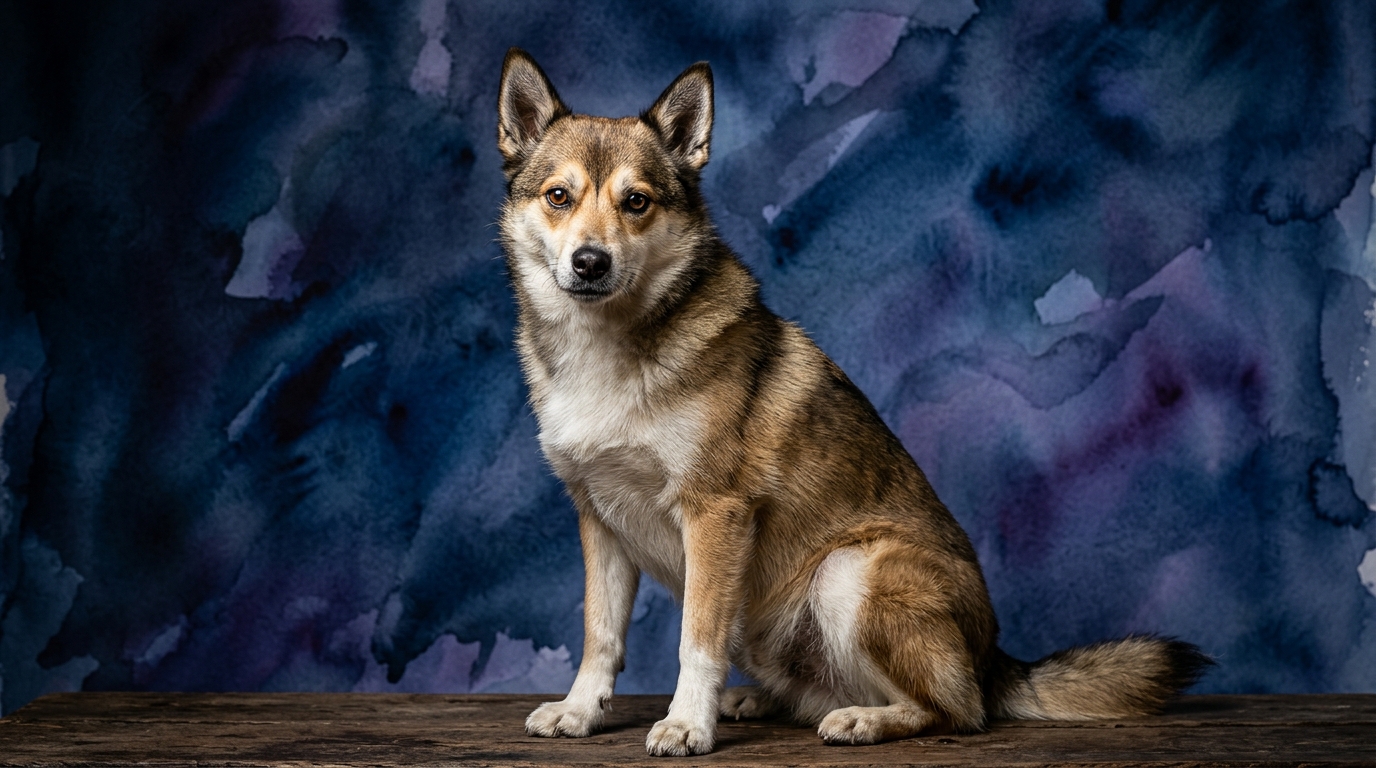
Side-by-Side IQ Profile: English Setter vs. Norwegian Lundehund
The Cosmic Pet Pet IQ Lab assesses canine intelligence across five key dimensions, offering a nuanced look at each breed’s mental strengths. For the English Setter, a Sporting group dog, its Coren rank of #37 places it among breeds known for their working acumen. Its profile includes Problem Solving 4/5, Training Speed 4/5, Social Intelligence 3/5, Instinctive Drive 3/5, and Memory 4/5.
The English Setter demonstrates a robust capacity for figuring out novel situations, particularly those encountered during field work. Their ability to strategize and adapt to changing environmental cues, such as wind direction or bird movement, showcases a keen observational intellect. This translates into quickly understanding new household routines or navigating complex agility courses. Possessing an eagerness to please and a strong desire for partnership, English Setters absorb new commands and behaviors with impressive rapidity. Their focused attention and cooperative spirit make them responsive learners, often mastering tasks in fewer repetitions than many other breeds. English Setters are generally amiable and form strong bonds with their families, exhibiting moderate social perceptiveness. While attuned to their owner's moods, their primary social drive leans towards cooperative activity rather than complex emotional manipulation, making them excellent companions for shared endeavors. Their foundational drive is rooted in bird-hunting, manifesting as a strong inclination to point and retrieve. This instinct is manageable, channeled effectively through training and structured activities, fueling their enjoyment of outdoor exploration and scent work. English Setters exhibit excellent retention, remembering a wide array of commands, training sequences, and learned behaviors over long periods. This strong memory is crucial for field work, where recalling specific locations or scent patterns is paramount, benefiting their performance in dog sports and daily life.
In contrast, the Norwegian Lundehund, a unique Non-Sporting breed, is not Coren-ranked, reflecting its specialized and less common status. Its IQ profile includes Problem Solving 3/5, Training Speed 3/5, Social Intelligence 3/5, Instinctive Drive 3/5, and Memory 3/5.
The Norwegian Lundehund possesses functional problem-solving abilities, particularly adept at navigating physical challenges. Their historical role required them to independently find and extract puffins from narrow crevices, demanding spatial awareness, agility, and persistent effort. This translates to a dog that can often figure out how to access interesting places or manipulate objects. Lundehunds learn at a moderate pace, but their independent nature often means they require consistent, engaging, and reward-based methods. They are capable of learning, but their drive to explore can sometimes override quick responses to instruction, making patience essential in their training. Lundehunds are loyal and affectionate with their immediate families, displaying moderate social awareness. While they appreciate companionship, they tend to be more reserved with strangers and selective about interactions. Their social intelligence is geared towards forming deep, often exclusive, bonds. Their instinctive drive is profoundly shaped by their unique hunting history, manifesting as a strong urge to explore, climb, dig, and investigate small spaces. This drive is less about cooperative hunting and more about independent discovery and physical engagement with their environment. Lundehunds have solid memory for routines, locations, and learned associations, though perhaps not with the same breadth or immediate recall for abstract commands as some highly biddable breeds. They remember what is important to them, retaining training with regular reinforcement.
Where the English Setter Excels Cognitively
The English Setter's cognitive strengths shine particularly bright in areas demanding cooperative learning and sustained focus on human-directed tasks. Its superior Training Speed (4/5) means it can grasp new concepts and commands with remarkable alacrity, making it an excellent candidate for complex obedience, advanced agility, or intricate field work where precision and responsiveness are paramount. Coupled with a Memory score of 4/5, Setters not only learn quickly but also retain these lessons over time. Their Problem Solving (4/5) is often applied in dynamic, real-world scenarios, such as navigating varied terrain to locate game or adapting tactics based on handler signals, demonstrating an intellect geared towards practical application and partnership.
Where the Norwegian Lundehund Excels Cognitively
While the Lundehund’s IQ scores are generally a point lower than the Setter’s in several categories, its unique cognitive profile isn't about winning head-to-head, but rather about excelling in specific, highly specialized domains. Its Problem Solving (3/5), though not the highest, is deeply rooted in physical and spatial challenges. This manifests as an exceptional ability to navigate complex environments, utilizing its incredible flexibility and agility to overcome obstacles. Their instinctive Drive (3/5) is less about human cooperation and more about an independent, relentless pursuit of exploration and investigation, a mental tenacity essential for its historical role. This breed demonstrates profound self-reliance and intrinsic motivation to engage with its surroundings on its own terms.
Training Dynamics: Which is Easier to Train?
Evaluating ease of training between these two breeds reveals distinct approaches. The English Setter, with its 4/5 Training Speed and cooperative Social Intelligence (3/5), is generally considered more straightforward to train. Their eagerness to please, combined with strong memory and focused attention, means they typically pick up commands quickly and respond reliably to positive reinforcement. They thrive on structured learning and enjoy the mental engagement training provides. In contrast, the Norwegian Lundehund, with a 3/5 Training Speed and a more independent Instinctive Drive (3/5), presents a different dynamic. While capable, their historical role fostered self-reliance, meaning they may be less inclined to blindly follow commands. Training a Lundehund requires patience, creativity, and understanding their unique motivations, responding best to engaging, reward-based methods. Their independence means consistency is paramount, and owners must be prepared for a dog that might occasionally prioritize an interesting scent over an immediate recall.
Lifestyle Match: Active vs. Relaxed Owners
The choice between an English Setter and a Norwegian Lundehund also hinges significantly on an owner's lifestyle. English Setters, from the Sporting Group, are built for stamina. Their 3/5 Instinctive Drive, channeled into bird hunting, translates to a need for regular, vigorous exercise, including long walks, runs, or dog sports. Their cooperative nature means they thrive when active owners involve them in shared physical endeavors. A relaxed owner might find it challenging to meet the Setter’s substantial exercise requirements, potentially leading to boredom. The Norwegian Lundehund, while not requiring the same vast open-field runs, is not a couch potato. Its 3/5 Instinctive Drive manifests as relentless curiosity and a need for mental stimulation through exploration, climbing, and digging. They are ideally suited for active owners who enjoy unique outdoor adventures within secure environments, or puzzle toys that challenge their problem-solving. Their need for mental engagement to prevent mischief is high, making them a poor fit for owners seeking a low-maintenance companion.
The Verdict
Choose the English Setter if you seek a highly trainable, cooperative companion for active pursuits like hiking, dog sports, or field work, and you appreciate a dog that learns quickly and forms strong, responsive partnerships.
Opt for the Norwegian Lundehund if you are an adventurous owner who values an independent, curious, and uniquely agile companion, willing to engage with their specific needs for exploration and physical challenges.
🧠 Find Your Pet's IQ Score
Our Pet IQ Lab assessment covers 25+ tests across 5 cognitive dimensions — personalized to your breed.
Take the Full IQ Test →Frequently Asked Questions
Are Norwegian Lundehunds hard to train?
Norwegian Lundehunds can present a unique training challenge due to their independent nature and historical self-reliance. While capable of learning, they respond best to consistent, positive reinforcement methods and engaging, game-like training that appeals to their curiosity, rather than rote drills.
What kind of activities do English Setters enjoy most?
English Setters thrive on activities that engage both their physical stamina and their cooperative intelligence. They excel in dog sports like agility, obedience, and field trials, as well as enjoying long hikes, scent work, and any activity that allows them to work collaboratively with their owner.
Do Norwegian Lundehunds get along with other pets?
Norwegian Lundehunds can generally coexist with other pets, especially if socialized from a young age. However, their strong drive for exploration and independent nature means introductions should be managed carefully, and their unique physical capabilities might lead to unexpected interactions.