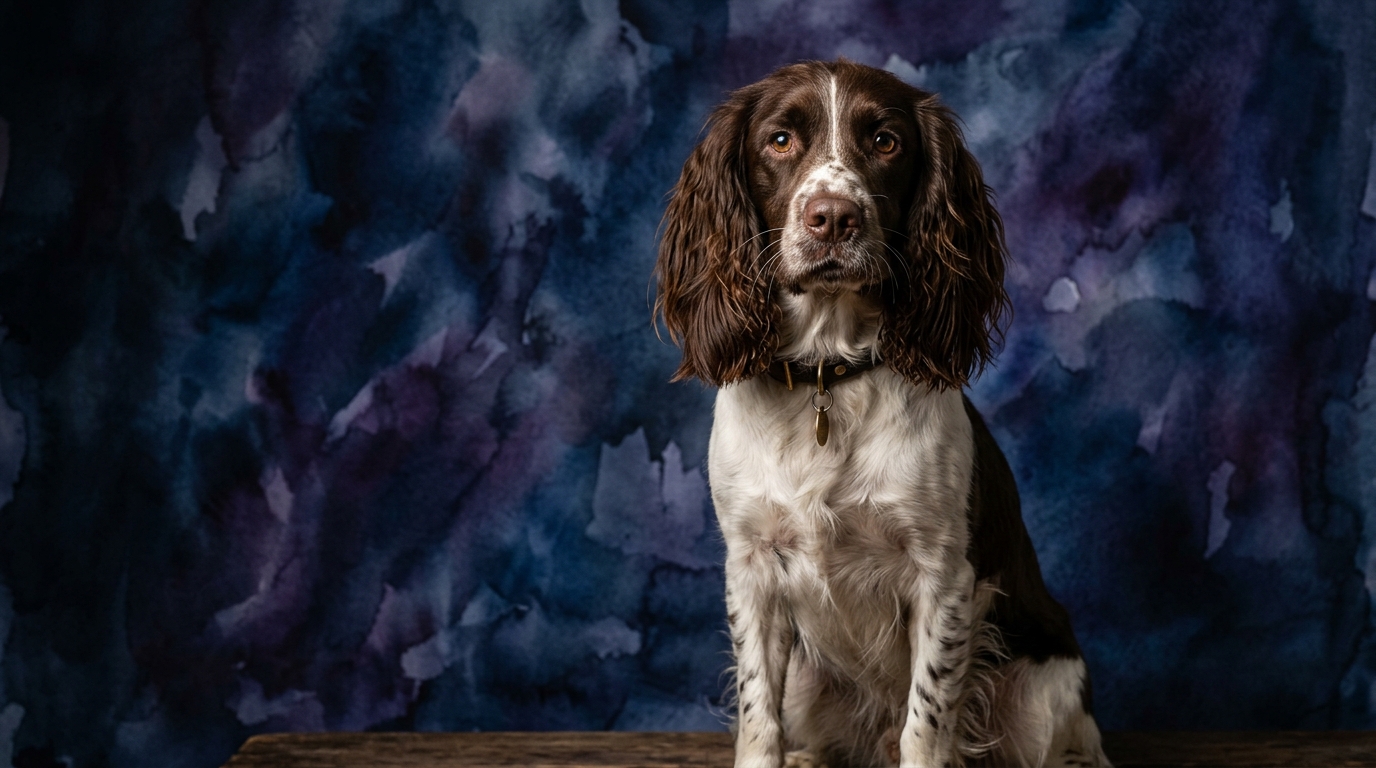
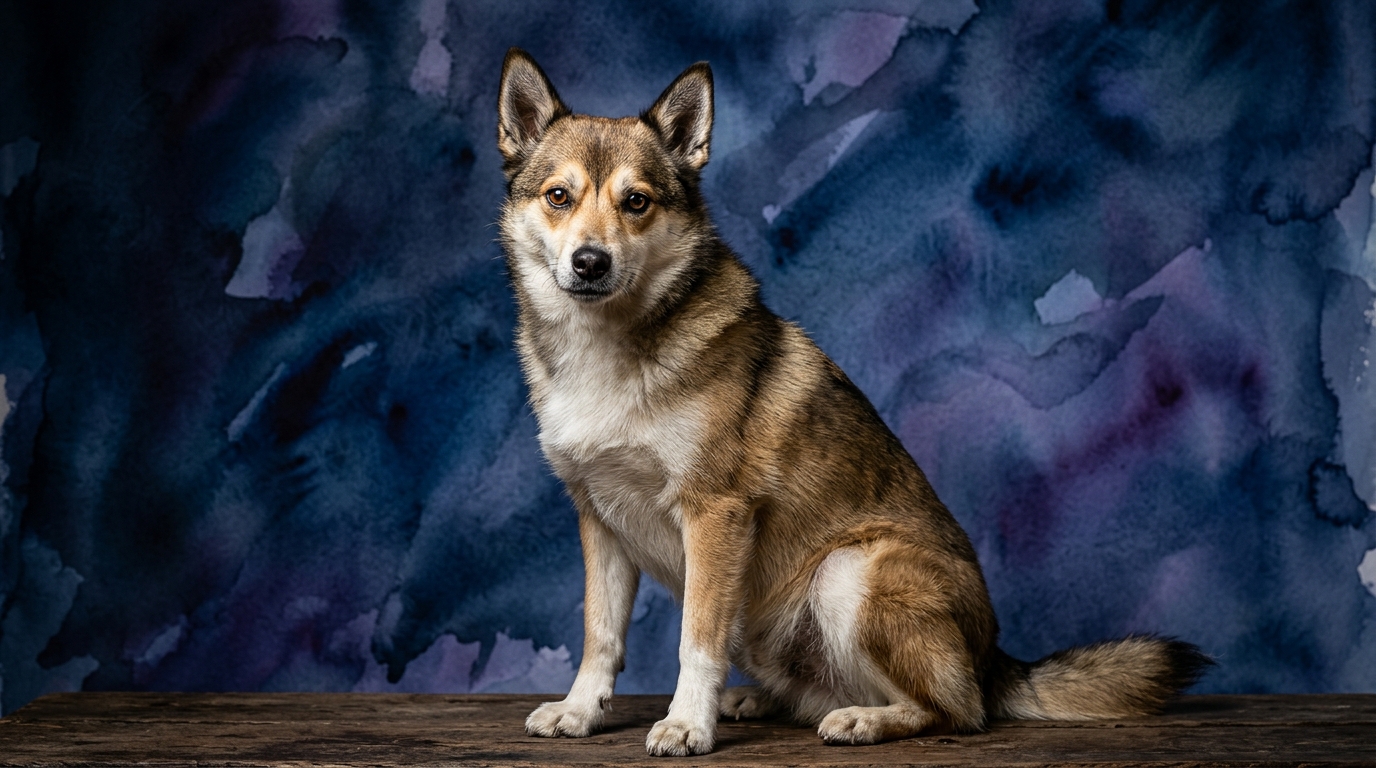
Side-by-Side Cognitive Profiles: Springer Spaniel vs. Lundehund
At The Cosmic Pet Pet IQ Lab, we evaluate canine intelligence across five key dimensions. The English Springer Spaniel, recognized for its cooperative abilities and holding a Coren rank of #13, presents a profile geared towards partnership and directed tasks, while the unranked Norwegian Lundehund displays cognitive strengths rooted in its unique, independent history.
For the English Springer Spaniel, their **Problem Solving (4/5)** indicates a strong capacity to analyze novel situations and devise effective solutions, often demonstrating resourcefulness when faced with obstacles to a desired outcome. They learn from experience and can apply past lessons to new challenges with notable consistency. Their **Training Speed (5/5)** is exceptional; this breed is remarkably quick to grasp new commands and routines, often requiring only a few repetitions to solidify a behavior, significantly aided by their eagerness to please and focus on their handler. In terms of **Social Intelligence (4/5)**, they possess a deep understanding of human cues and emotions, readily forming strong bonds and being highly attuned to their family's needs, excelling in cooperative tasks and thriving on interaction. Their **Instinctive Drive (5/5)** to retrieve, flush, and work alongside humans is profound, translating into a relentless enthusiasm for activities that mimic their ancestral hunting roles, making them highly motivated for task-oriented engagement. Finally, their **Memory (4/5)** is robust, allowing them to retain learned behaviors and associations effectively over time, recalling commands and routines even after periods of inactivity, supporting consistent performance.
The Norwegian Lundehund, on the other hand, presents a different cognitive blueprint. Their **Problem Solving (3/5)** tends to be more independent and task-specific, rooted in their unique hunting history. While they can navigate complex physical environments with impressive agility, their solutions might not always align with human expectations, often favoring their own exploratory methods. Their **Training Speed (3/5)** suggests this breed requires more patience and consistent positive reinforcement during training, learning at a moderate pace and often needing more repetitions and motivation, as they can be selective about which commands they deem worthwhile to perform. Regarding **Social Intelligence (3/5)**, Lundehunds form strong attachments to their families but can be more reserved or discerning with strangers, expressing their social intelligence through subtle cues and a preference for established relationships rather than broad, effusive interactions. Their **Instinctive Drive (3/5)** is specialized, geared towards navigating rocky cliffs and extracting puffins from crevices, translating into a strong independent streak and a drive for exploration and physical challenges, rather than a strong desire for human-directed cooperative tasks. Their **Memory (3/5)** is functional for routines and familiar environments; while they remember what they've learned, their recall might be less consistent than breeds with higher training speed, especially if the task doesn't intrinsically motivate them.
Where the English Springer Spaniel Demonstrates Cognitive Strengths
The English Springer Spaniel clearly excels in areas demanding cooperative intelligence and a strong work ethic directed by a handler. Their 5/5 training speed means they are incredibly receptive to learning new commands and routines, quickly internalizing instructions and performing them with gusto. This rapid acquisition, coupled with their 4/5 social intelligence, makes them highly responsive to human direction, eager to please, and adept at understanding subtle cues from their owners. Their 4/5 problem-solving ability is often applied in a collaborative context, where they proactively seek solutions to tasks presented by their human companions, whether it's navigating an agility course or finding a hidden retrieve item. Furthermore, their 5/5 instinctive drive is perfectly aligned with partnership, channeling their energy into tasks that solidify their bond and fulfill their purpose. This combination creates a canine partner that not only understands what is asked but actively seeks to engage and succeed alongside their person, making them an excellent choice for owners who enjoy a highly interactive and biddable companion in various activities.
Where the Norwegian Lundehund's Unique Cognition Shines
While the Norwegian Lundehund's scores might appear lower in a broad comparison, their cognitive strengths are deeply rooted in their specialized history, showcasing a different kind of brilliance. Their 3/5 problem-solving, though not always human-centric, reflects an independent ingenuity vital for their original role: traversing perilous cliffs and navigating complex cave systems to hunt puffins. This breed likely possesses exceptional spatial reasoning and an intrinsic ability to assess physical environments for safe passage and exploration, skills not easily measured by standard obedience metrics. Their 3/5 instinctive drive is intensely focused on these exploratory and independent tasks, making them relentless in pursuing their own interests, which can be an asset in situations requiring self-reliance and persistence. This independence, often perceived as stubbornness in training, is a cognitive strength when the goal is autonomous action rather than strict adherence to commands. Their memory (3/5) is likely strong for environmental details and critical survival skills, even if less consistent for arbitrary human commands, highlighting an intelligence perfectly adapted to a specific, demanding niche rather than generalist obedience.
Trainability: A Tale of Two Temperaments
There is a significant difference in trainability between these two breeds, largely stemming from their historical roles and inherent drives. The English Springer Spaniel, with its 5/5 training speed and 4/5 social intelligence, is a dream for trainers. They are bred to work in close partnership with humans, keenly observing and responding to commands. Their strong instinctive drive (5/5) to retrieve and flush provides an intrinsic motivation for many training exercises, making them highly biddable and quick to offer desired behaviors. They actively seek human approval, which fuels their desire to learn and perform, readily adapting to new tasks and environments with enthusiasm. This makes them suitable for novice owners or those seeking a dog for competitive obedience or field trials, where rapid learning and consistent performance are paramount.
In contrast, the Norwegian Lundehund (training speed 3/5, social intelligence 3/5) presents a more substantial training challenge. Their history as independent puffin hunters means they were not bred for biddability or to constantly seek human direction. Their problem-solving (3/5) is often geared towards self-sufficiency rather than cooperative tasks. Lundehunds can be selective, needing to understand the 'why' behind a command or finding their own motivation. This translates into needing more patience, consistency, and highly engaging, positive reinforcement methods. They are less likely to perform simply to please and more likely to comply if the task is fun, rewarding, or aligns with their natural curiosity and drive for exploration. Owners should expect a longer learning curve and be prepared to make training a game, focusing on short, positive sessions to maintain engagement and build trust with this unique and independent companion.
Matching Canine Cognition to Owner Lifestyles
The choice between these two breeds also largely depends on an owner's lifestyle and energy levels. The English Springer Spaniel is ideally suited for active owners who relish a highly engaged, energetic canine partner. Their robust instinctive drive (5/5) and need for mental and physical stimulation mean they thrive on daily activities like long walks, runs, fetching, agility, or scent work. Owners who enjoy training and want a dog to participate enthusiastically in various sports or outdoor adventures will find the Springer an exceptional match. Their social intelligence (4/5) and desire for interaction mean they want to be part of everything their family does, making them less suited for prolonged periods of solitude or a sedentary lifestyle. They require consistent interaction and tasks to feel fulfilled.
Conversely, the Norwegian Lundehund is better suited for owners who appreciate a unique companion but understand their distinct needs. While not necessarily a 'relaxed' dog in terms of energy — they do require exercise and opportunities for exploration due to their historical physical demands — they are not as intensely focused on human-directed activities. Their independent nature (instinctive drive 3/5) means they are content with exploring their environment on their own terms, though they still benefit from engaging walks and mental stimulation. Owners who are patient, enjoy observing a dog's natural behaviors, and are prepared for a less overtly biddable companion will find the Lundehund a fascinating addition to their home. They are not for those seeking a dog that lives to retrieve or constantly seeks a job from their owner, but rather one that offers a quieter, more self-directed companionship that values exploration and personal space.
The Verdict
Choose the English Springer Spaniel if you seek an eager, highly trainable partner for active pursuits, competitive dog sports, or a family that thrives on cooperative engagement and a dog that lives to please and participate in every adventure.
Opt for the Norwegian Lundehund if you are a patient, understanding owner who appreciates a unique, independent canine with a fascinating history, valuing their self-reliant nature and distinct problem-solving approach over broad biddability and constant human-directed interaction.
🧠 Find Your Pet's IQ Score
Our Pet IQ Lab assessment covers 25+ tests across 5 cognitive dimensions — personalized to your breed.
Take the Full IQ Test →Frequently Asked Questions
Is the Norwegian Lundehund difficult to live with due to its independence?
The Norwegian Lundehund's independence means they require consistent training and socialization from a young age. While they may not be as overtly biddable as some breeds, their unique quirks and self-reliant nature are often cherished by owners who understand and appreciate their distinct personality.
How much exercise does an English Springer Spaniel need daily?
English Springer Spaniels are highly energetic and require significant daily exercise, typically an hour or more of vigorous activity, such as running, fetching, or engaging in dog sports. This helps manage their strong instinctive drive and keeps them mentally content.
Can a Norwegian Lundehund participate in dog sports like agility?
While not as commonly seen as breeds like the Springer, a Norwegian Lundehund can certainly participate in dog sports, especially those that engage their natural agility and problem-solving skills, like canine parkour or scent work. Success will depend on the individual dog's motivation and the owner's patient, creative training approach.