Side-by-Side Cognitive Profiles
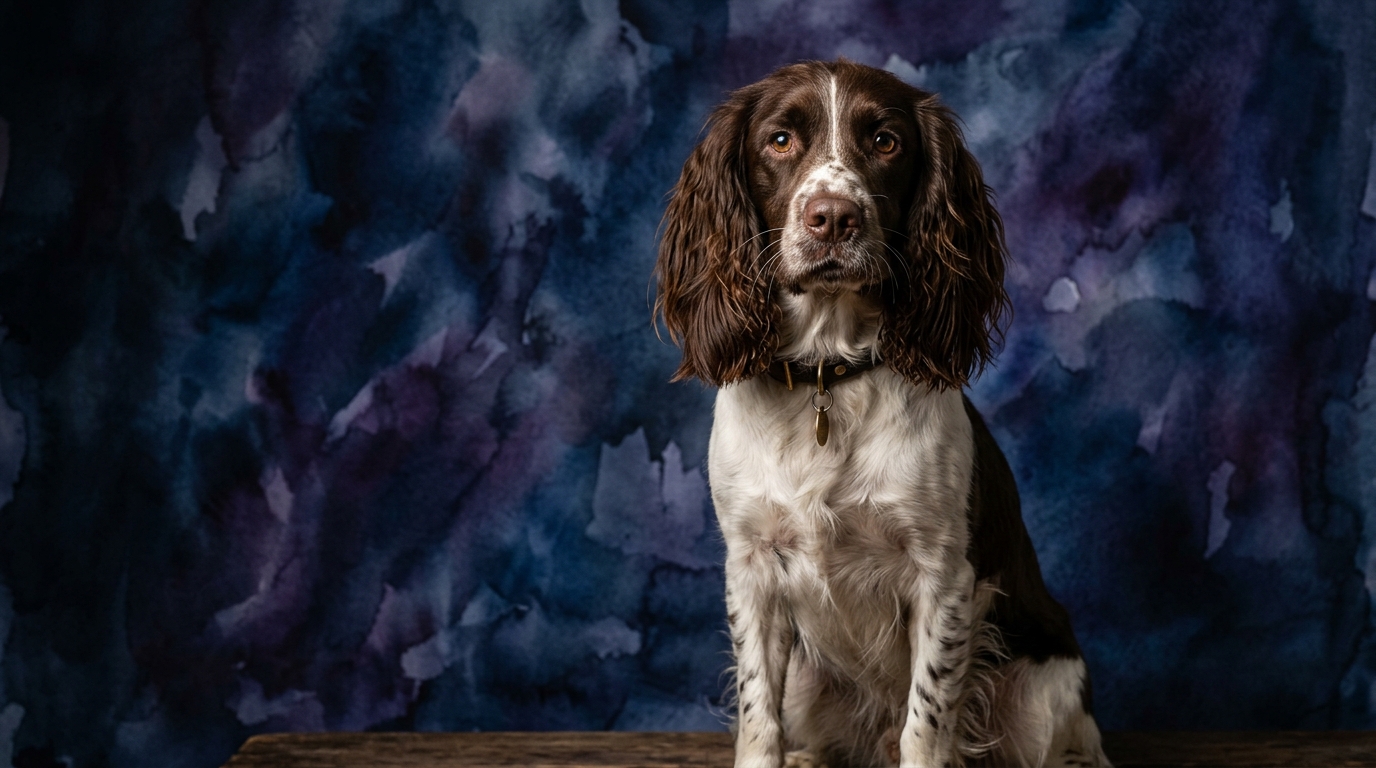
The English Springer Spaniel, a Sporting Group member, is recognized for its dynamic mental agility, reflected in its Coren ranking of #13 among dog breeds. Its Problem Solving ability is rated at a robust 4/5, indicating a capacity for navigating complex scenarios and figuring out solutions to novel challenges. Training Speed is exceptional at 5/5, suggesting these dogs grasp new commands and routines with remarkable swiftness. Social Intelligence scores 4/5, highlighting their attunement to human cues and social dynamics, making them highly responsive companions. An Instinctive Drive of 5/5 underscores their powerful genetic inclination for their original working roles, such as flushing and retrieving game, fueling their engagement. Memory is strong at 4/5, allowing them to retain a vast repertoire of learned behaviors and experiences.
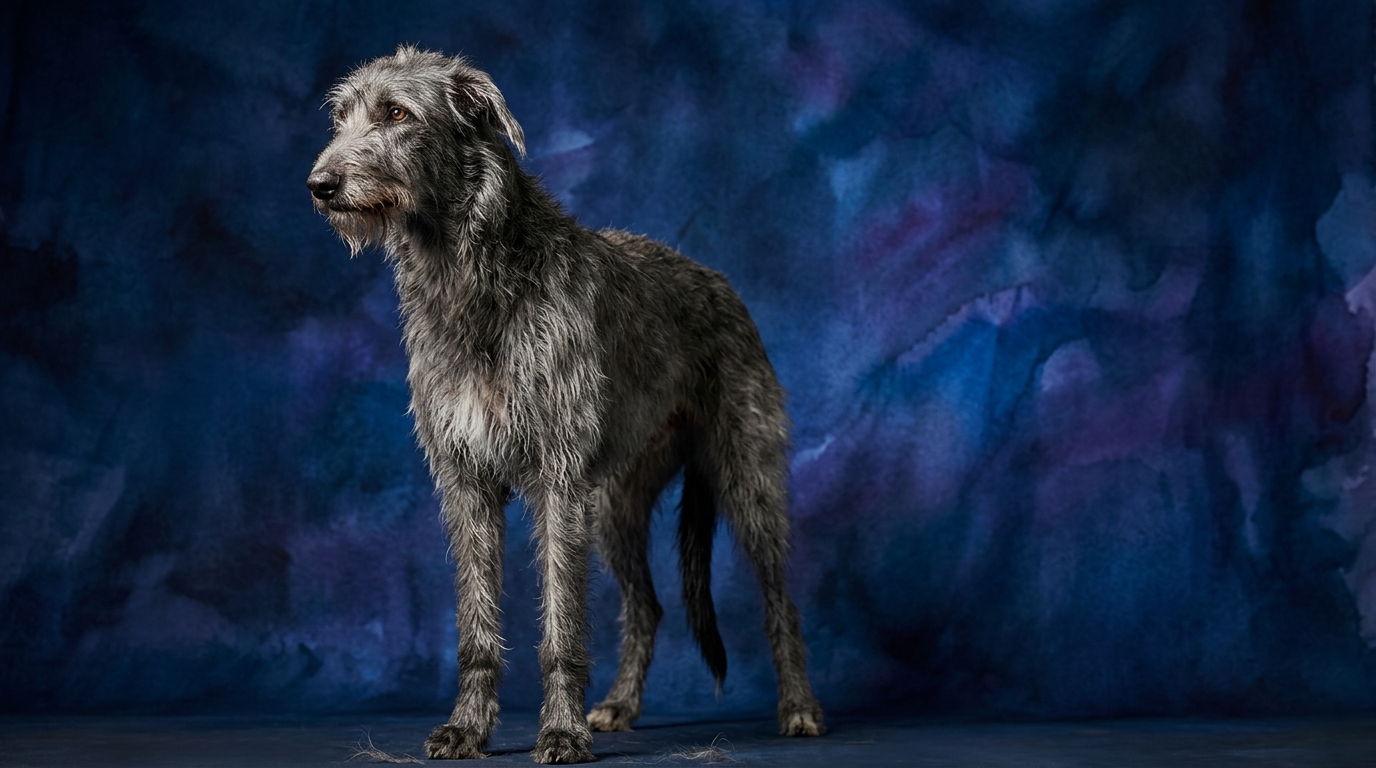
In contrast, the Scottish Deerhound, a majestic Hound Group member, presents a different cognitive landscape and is not included in Coren's ranking, perhaps due to its specialized historical role and more independent nature. Its Problem Solving skill is rated 3/5, indicating a moderate capacity for independent thought and finding solutions, often in scenarios relevant to its sighthound heritage. Training Speed is 3/5, suggesting a more deliberate pace in learning new commands compared to breeds bred for close partnership. Social Intelligence, also at 3/5, points to a more self-contained social approach, where they are observant but perhaps less driven by constant human interaction. Instinctive Drive is 3/5, specifically channeled towards the pursuit of sight-borne prey, rather than general cooperative work. Memory is rated 3/5, allowing them to recall necessary information but perhaps with less emphasis on intricate sequences or handler-dependent details.
Where the English Springer Spaniel Excels Cognitively
The English Springer Spaniel's cognitive strengths lie in its exceptional ability to process information rapidly and apply learned behaviors in dynamic, handler-centric situations. Their 4/5 Problem Solving and 5/5 Training Speed mean they not only understand what is asked but can quickly strategize how to achieve it, especially when working in concert with a human partner. For instance, a Springer can quickly learn a complex series of hand signals and verbal commands to navigate dense cover, locate a hidden object, and retrieve it efficiently, adapting to changing environmental variables on the fly. This mental flexibility allows them to excel in competitive obedience, agility, and field trials, where quick thinking and execution are paramount.
Furthermore, their 4/5 Social Intelligence makes them adept at reading human body language and vocal inflections, allowing for seamless communication and an intuitive understanding of expectations. This isn't just about obedience; it's about a deep, two-way connection where the dog anticipates needs and responds with enthusiasm. Their 5/5 Instinctive Drive fuels this engagement, channeling their natural eagerness into focused, productive work. They possess a persistent drive to complete tasks, often showing remarkable focus on a goal once engaged, whether it's finding a lost toy or mastering a new trick. The 4/5 Memory ensures that once a task or command is learned, it's retained with high fidelity, allowing for consistent performance over time without extensive retraining.
Where the Scottish Deerhound's Unique Cognition Shines
While the Scottish Deerhound's cognitive profile differs from the Springer Spaniel's, it highlights a distinct set of mental attributes that are equally valuable, particularly in contexts aligned with its heritage. Their 3/5 Problem Solving, though moderate, is often expressed in an independent, discerning manner. A Deerhound might not rush to solve a puzzle in the same way a Springer would, but when faced with a challenge relevant to its sighthound instincts, such as navigating varied terrain to maintain sight of a distant object, its problem-solving becomes singularly focused and effective, relying on observation and swift, decisive action rather than handler direction. This quiet thoughtfulness allows them to assess situations with a calm demeanor.
The 3/5 Instinctive Drive, while not as broadly applicable to diverse tasks as the Springer's, is intensely powerful within its specific domain: the chase. This means their cognitive processing is optimized for identifying, tracking, and pursuing fast-moving objects, requiring a keen eye and precise, rapid decision-making in pursuit. Their 3/5 Social Intelligence translates to a dignified companionship; they are attuned to their family but often express affection and loyalty in a more reserved, less overtly demonstrative way. Their moderate memory allows them to recall routines and familiar people, contributing to their calm presence, but their learning might be less about rote memorization of numerous commands and more about understanding the general rhythm and expectations of their home environment. This breed excels in quiet observation and independent decision-making when given the space to do so.
Training: Engagement vs. Independence
Training an English Springer Spaniel is generally a more straightforward and often gratifying experience due to their high Training Speed and strong Instinctive Drive. They possess a natural eagerness to please and a profound desire to work collaboratively with their human partners. This means they typically pick up new commands with very few repetitions, often appearing to anticipate what is expected of them. Their high Social Intelligence makes them receptive to praise and motivated by positive reinforcement, quickly forming strong associations between actions and rewards. Behavioral differences such as their boundless energy and focus mean they thrive on consistent mental stimulation and structured tasks, channeling their drive into productive learning.
Conversely, training a Scottish Deerhound requires a different approach, characterized by patience and an understanding of their more independent cognitive style. Their 3/5 Training Speed suggests they learn at a more measured pace, often needing more repetitions and a clear, consistent methodology. Their lower Social Intelligence means they might not constantly seek handler approval or direction; they are companions who appreciate a calm presence rather than constant engagement. Real behavioral differences include their sighthound independence, which can manifest as selective hearing when their attention is captured by something in the distance. Successful training often involves leveraging their innate prey drive in a controlled manner, using high-value rewards, and keeping sessions engaging but relatively short to prevent boredom. They respond best to fair, gentle handling and positive reinforcement, as harsh methods can cause them to shut down or become more stubborn.
Suitability for Active vs. Relaxed Owners
The English Springer Spaniel is an ideal companion for active owners who relish consistent engagement and participate in various outdoor activities. Their high Instinctive Drive and Problem Solving abilities mean they thrive when given a 'job' to do, whether it's accompanying hikers on long trails, excelling in dog sports like agility or flyball, or participating in hunting activities. They require substantial daily exercise, both physical and mental, to remain content and well-behaved. Owners who enjoy teaching new tricks, engaging in interactive play, and providing consistent mental challenges will find a deeply rewarding partnership with a Springer Spaniel.
The Scottish Deerhound, while capable of incredible bursts of speed and requiring regular opportunities to stretch their long legs in a secure area, generally suits owners who appreciate a more relaxed, yet still active, lifestyle. They are not typically suited for constant, high-intensity engagement in the same way a Springer is, often preferring to lounge gracefully indoors after their exercise. Owners who enjoy quiet companionship, long walks, and occasional opportunities for their dog to run freely will find a suitable match. Their independent nature means they are often content to observe rather than constantly participate, making them excellent companions for those who value dignity and serenity in a canine friend, provided their exercise needs are met.
The Verdict: When to Choose Each
The Verdict
Choose an English Springer Spaniel if you desire an eager, highly trainable companion for active pursuits, competitive dog sports, or a partner that thrives on consistent mental and physical engagement. Their cooperative intelligence makes them excel in roles requiring close partnership and rapid learning.
Opt for a Scottish Deerhound if you seek a dignified, calm, and independent companion who appreciates a relaxed home environment but requires ample space for powerful, intermittent sprints. They are best for patient owners who admire a thoughtful, self-possessed canine and understand their unique sighthound instincts.
🧠 Find Your Pet's IQ Score
Our Pet IQ Lab assessment covers 25+ tests across 5 cognitive dimensions — personalized to your breed.
Take the Full IQ Test →Frequently Asked Questions
Which breed is better for first-time dog owners?
The English Springer Spaniel's high Training Speed and Social Intelligence generally make them a more forgiving and easier-to-train option for first-time dog owners, provided their energy and exercise needs are consistently met. The Scottish Deerhound's independent nature and specific exercise requirements might pose more of a challenge for inexperienced owners.
Do Scottish Deerhounds require less mental stimulation than English Springer Spaniels?
Scottish Deerhounds require mental stimulation, but it often manifests differently; they appreciate quiet observation and independent thought rather than constant structured tasks. English Springer Spaniels, with their higher Problem Solving and Instinctive Drive, generally require more consistent and varied mental challenges to prevent boredom and destructive behaviors.
Which breed is more adaptable to apartment living?
Neither breed is ideally suited for apartment living due to their size and exercise needs, but the English Springer Spaniel might adapt better if given extensive daily outings and mental work due to its cooperative nature. The Scottish Deerhound's size and need for space to gallop freely make apartment living particularly challenging for their physical and mental well-being.