Side-by-Side Cognitive Profiles: English Springer Spaniel vs. Tibetan Mastiff
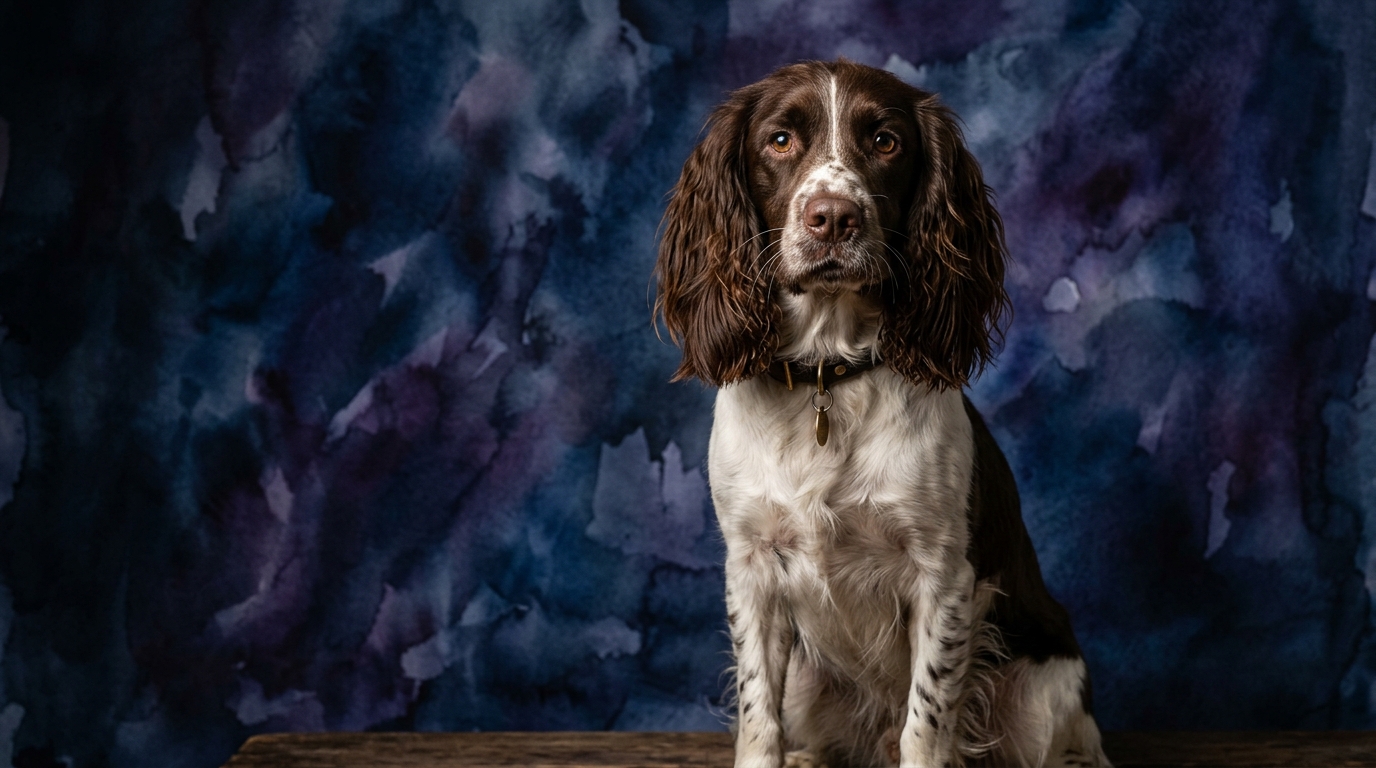
The English Springer Spaniel, a member of the Sporting group and ranked 13th by Coren, demonstrates a cognitive profile optimized for cooperative work. Their Problem Solving is rated 4/5, showing an aptitude for navigating complex tasks and environments. Training Speed is an exceptional 5/5, indicating rapid learning and a strong desire to respond to cues. Social Intelligence stands at 4/5, reflecting their attunement to human companionship and family dynamics. An Instinctive Drive of 5/5 fuels their purposeful engagement in activities like flushing and retrieving, while their Memory at 4/5 ensures consistent performance.
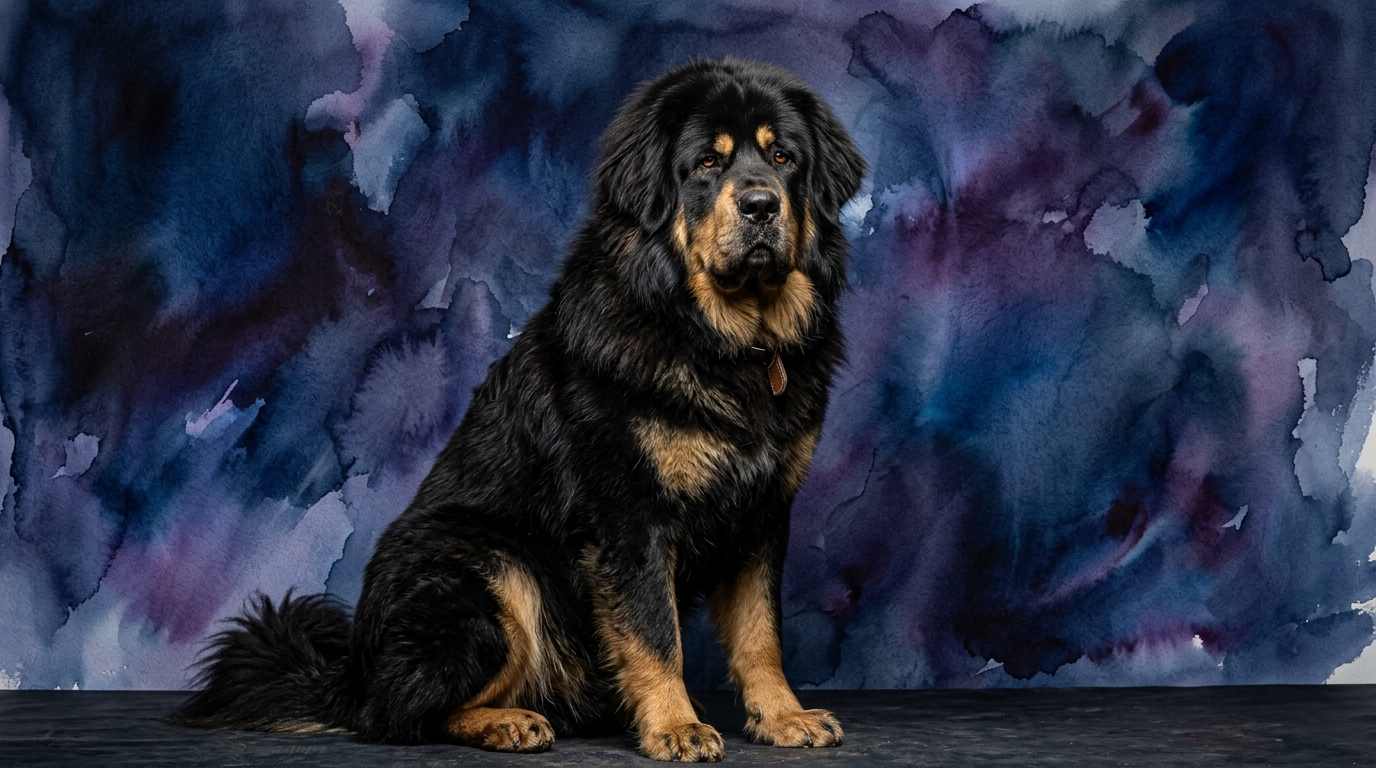
In contrast, the Tibetan Mastiff, from the Working group and not Coren-ranked, presents a profile geared towards independent guardianship. Their Problem Solving is 3/5, focusing on autonomous decision-making related to territory. Training Speed is 3/5, as their learning is influenced by their independent nature and perceived necessity. Social Intelligence is 3/5, denoting deep bonds with family but a reserved approach to outsiders. Instinctive Drive is 3/5, primarily channeled into vigilant protection, and Memory at 3/5 serves their role in recalling territorial information and specific individuals.
Where the English Springer Spaniel Excels Cognitively
The English Springer Spaniel's 4/5 Problem Solving rating reflects an ability to make quick, effective decisions in dynamic situations, such as navigating varied terrains to locate and retrieve objects. This involves more than simple obedience; it's about adaptive thinking to achieve a specific, often human-directed, goal.
Their 5/5 Training Speed is a testament to their exceptional ability to absorb and implement new commands and behaviors with remarkable alacrity. They exhibit a palpable eagerness to engage with their human partners, translating into rapid skill acquisition and a capacity for complex routines.
A 5/5 Instinctive Drive in a Springer Spaniel is channeled into productive, cooperative tasks, demonstrating focused persistence in activities like scent tracking and retrieval. This drive is a powerful engine for sustained effort in directed work, making them highly effective partners.
With 4/5 Social Intelligence, these dogs display a nuanced understanding of human emotional states and intentions, fostering strong, responsive partnerships. They are attuned to their environment and the people within it, often anticipating needs or reacting appropriately to shifts in mood, which strengthens their bond with family members.
Where the Tibetan Mastiff's Cognitive Strengths Lie
While rated 3/5, the Tibetan Mastiff's Problem Solving excels in independent judgment related to territory and threat assessment. They make complex decisions about who is permitted within their domain and how to deter potential intruders, skills honed over centuries of solitary guardianship in challenging environments.
Their 3/5 Instinctive Drive is profoundly dedicated to protection and territorial defense. This drive dictates autonomous vigilance and the preservation of their family and property, often requiring minimal human direction once their territory is established, showcasing a deep, inherent sense of responsibility.
The Tibetan Mastiff's 3/5 Memory is particularly robust for recalling perceived threats, safe zones, and the individuals within their trusted circle. They retain a comprehensive mental map of their territory and the routines of its inhabitants, allowing them to effectively monitor and react to any deviations crucial for their guarding role.
At 3/5, their Social Intelligence prioritizes discernment and loyalty within a tightly defined social circle. They are adept at recognizing their family members and distinguishing them from outsiders, often displaying a deep, quiet devotion to their inner circle while maintaining a watchful, reserved distance from others.
Training Dynamics: Eagerness vs. Independence
The English Springer Spaniel is significantly more straightforward to train, largely due to their 5/5 training speed coupled with an inherent desire to engage and please their human companions. They are highly motivated by positive reinforcement, quickly associating commands with rewards and understanding expectations. Their strong memory (4/5) ensures retention of learned behaviors, and their high social intelligence (4/5) makes them attuned to human cues, allowing for fluid communication. They thrive on structured activity and cooperative tasks, making them enthusiastic participants in learning and advanced obedience.
The Tibetan Mastiff presents a greater training challenge. Their 3/5 training speed reflects an independent spirit where compliance often hinges on their perception of a command's logic or necessity. They are not inherently driven to please humans in the same way a Springer is; their primary drive is often self-preservation or territorial defense. Their moderate social intelligence (3/5) means they may not always interpret human intentions with the same eagerness. Training requires immense patience, consistency, and a deep understanding of their guardian nature, focusing on building respect and a strong bond rather than relying solely on absolute obedience.
Lifestyle Match: Active Engagement vs. Watchful Presence
The English Springer Spaniel is an ideal match for active owners. Their 5/5 instinctive drive, combined with 4/5 problem-solving ability, means they require consistent mental and physical engagement. They excel in activities like agility, scent work, hiking, and retrieving games, thriving on tasks that utilize their natural abilities. An owner who enjoys daily vigorous exercise and interactive play will find a willing and enthusiastic partner in a Springer, as their minds also flourish with continuous challenges and cooperative tasks.
The Tibetan Mastiff is better suited for owners who appreciate a more relaxed, watchful presence, while still providing structured socialization and moderate activity. Their instincts lean towards observation and territorial management rather than constant, high-intensity physical exertion for human-directed tasks. While they need regular exercise to stay healthy, they are not dogs that demand hours of strenuous activity daily. Their cognitive strengths are in independent judgment and vigilance, making them content with a watchful patrol of their domain and quality time with their family, rather than endless games of fetch or complex obedience routines.
The Verdict
If you seek a highly cooperative, eager-to-please companion who thrives on shared activities, learns rapidly, and enjoys consistent mental and physical challenges, the English Springer Spaniel is an excellent choice.
If you value an independent, steadfast guardian with a profound sense of loyalty to its family, appreciate a more reserved demeanor, and are prepared to respect its autonomous decision-making, the Tibetan Mastiff may be your ideal match.
🧠 Find Your Pet's IQ Score
Our Pet IQ Lab assessment covers 25+ tests across 5 cognitive dimensions — personalized to your breed.
Take the Full IQ Test →Frequently Asked Questions
Do English Springer Spaniels need a lot of exercise?
Yes, English Springer Spaniels possess a high instinctive drive and require significant daily exercise, including vigorous play and mental stimulation, to remain content and well-behaved, channeling their energy constructively.
Are Tibetan Mastiffs good with children?
Tibetan Mastiffs can be very protective and devoted to children within their immediate family, but their sheer size and strong guarding instincts mean careful supervision and early socialization are essential, especially with unfamiliar children, to ensure safe interactions.
What is the biggest training challenge with a Tibetan Mastiff?
The biggest challenge often stems from their independent nature and strong territorial instincts; they may question commands or prioritize their own judgment, requiring consistent, patient training focused on building respect and trust rather than absolute obedience.