Side-by-Side IQ Profile: English Springer Spaniel vs. Tibetan Spaniel
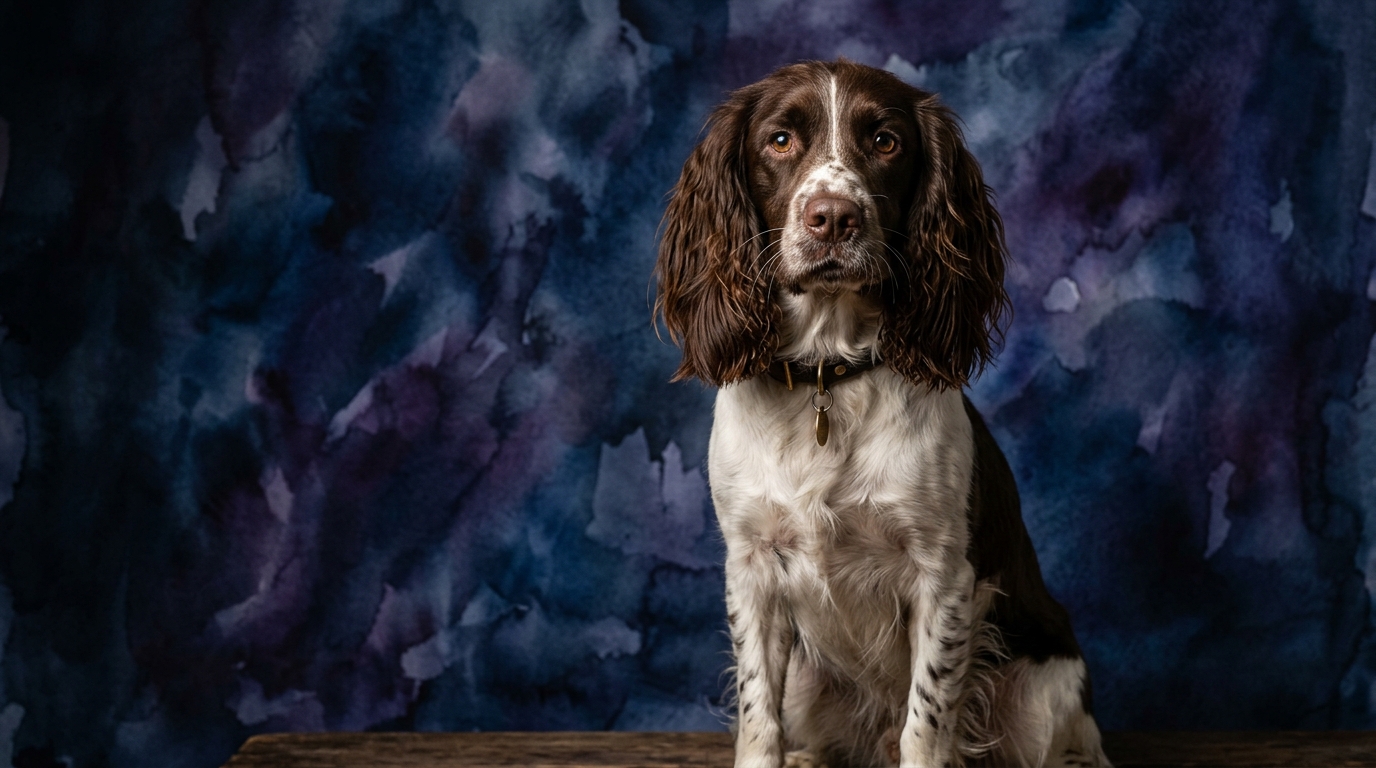
At The Cosmic Pet Pet IQ Lab, we analyze canine intelligence across five key dimensions to provide a nuanced understanding of each breed's cognitive strengths. For the English Springer Spaniel, a Sporting Group dog, we observe a robust set of scores reflecting its heritage as a highly capable working dog. Their Problem Solving is rated at 4/5, indicating a strong capacity to figure out complex tasks, particularly those involving navigation, scent work, and retrieving in varied environments. Training Speed is an impressive 5/5, showcasing their eagerness and rapid comprehension of new commands, often driven by a desire to please and work alongside humans. Social Intelligence stands at 4/5, demonstrating their ability to read human cues effectively, integrate into family dynamics, and understand social hierarchies. Instinctive Drive is also 5/5, reflecting their powerful innate desire to flush game, retrieve, and engage in purposeful activity. Finally, Memory is 4/5, enabling them to retain intricate command sequences and learned patterns over extended periods, crucial for consistent performance in the field.
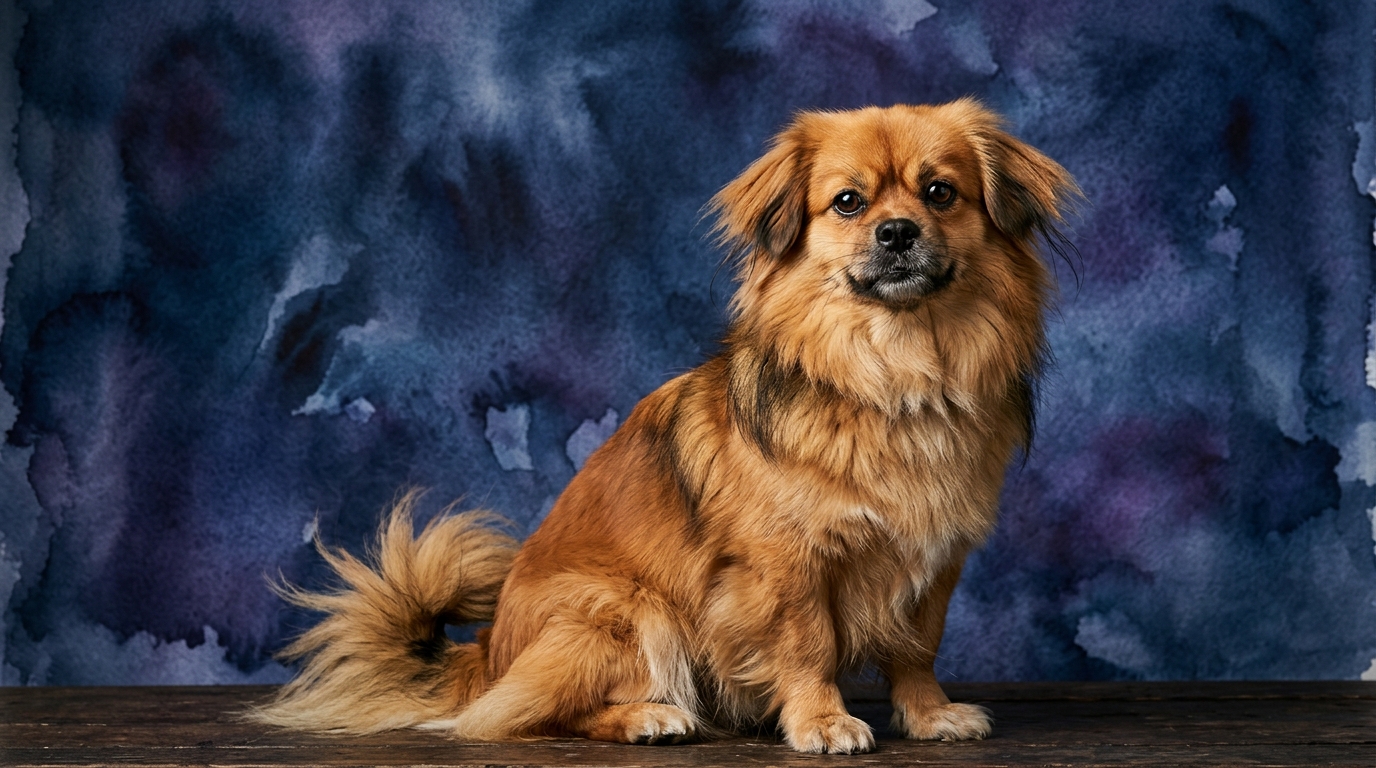
The Tibetan Spaniel, a Non-Sporting Group dog and not ranked on Coren's list, presents a different cognitive profile, shaped by centuries of companionship and watchful duties rather than active hunting. Their Problem Solving is rated 3/5; while capable of figuring out puzzles, they often prefer to observe or seek human assistance rather than independently tackling complex tasks, particularly if the reward isn't immediately obvious or compelling to them. Training Speed is 3/5, suggesting they learn at a moderate pace, can exhibit an independent streak, and require consistent, patient methods to engrain new behaviors. Social Intelligence is 3/5; they are deeply attuned to their immediate family members but can be reserved or discerning with strangers, possessing a subtle social radar that guides their interactions. Instinctive Drive is 3/5, reflecting a moderate drive primarily for companionship, alert barking, and comfortable observation, rather than strong prey drive or intense working aspirations. Their Memory is 3/5, meaning they reliably remember routines and basic commands, though more complex sequences might require more frequent reinforcement compared to a breed with higher scores in this dimension.
Where the English Springer Spaniel Excels Cognitively
The English Springer Spaniel's cognitive architecture is optimized for purposeful action and collaboration. Their superior Problem Solving (4/5) truly shines in dynamic, real-world scenarios, such as navigating a complex agility course or tracking a scent through varied terrain, where they must independently assess and adapt to obstacles to achieve a goal. This isn't just about following commands; it's about applying learned principles to novel situations. Their exceptional Training Speed (5/5) means they not only grasp new commands quickly but also generalize them across different contexts with minimal repetition. This rapid learning curve makes them highly adaptable to diverse canine sports and working roles. Furthermore, their powerful Instinctive Drive (5/5) provides an internal motivation that fuels their persistence and focus on tasks, allowing them to work tirelessly and maintain concentration on objectives that might bore or overwhelm other breeds. This combination of problem-solving, rapid learning, and sustained drive makes them particularly adept at intricate obedience routines, scent detection, and retrieving tasks that demand both mental and physical stamina.
Where the Tibetan Spaniel Shows Its Unique Cleverness
The Tibetan Spaniel's cognitive strengths are less about active participation in complex tasks and more about astute observation and discerning social navigation. While their Problem Solving is 3/5, this doesn't imply a lack of intelligence, but rather a preference for a different kind of mental engagement. They are often keen observers, capable of understanding household routines and anticipating human actions without direct instruction. Their Social Intelligence (3/5), though not as outwardly demonstrative as the Springer, is characterized by a subtle understanding of family dynamics and an ability to gauge the moods of their companions, often offering comfort or space as needed. They possess a quiet, independent cleverness that allows them to entertain themselves and find comfortable spots to survey their domain, a trait stemming from their historical role as companion and 'little lion' watchdogs in monasteries. This breed excels at self-sufficiency and maintaining a watchful, yet calm, presence, demonstrating a different, more introspective form of cognitive aptitude that prioritizes awareness and comfort over task completion.
Training: A Tale of Two Temperaments
When it comes to ease of training, the English Springer Spaniel holds a distinct advantage due to its remarkable 5/5 Training Speed and 5/5 Instinctive Drive. This breed possesses an innate eagerness to learn and work, often perceiving training as a collaborative game and a fulfilling outlet for their energy. They respond exceptionally well to positive reinforcement, quickly associating commands with desired actions and rewards. Their desire to be engaged and their strong recall make them highly receptive to mastering complex sequences and off-leash work, as they genuinely seek direction and purpose from their human partners. Real behavioral differences include their natural inclination to retrieve and their sustained focus during repetitive tasks, which are invaluable for teaching advanced commands.
The Tibetan Spaniel, with a 3/5 in both Training Speed and Instinctive Drive, requires a more nuanced approach. While capable of learning, their independence and occasional stubbornness mean they often evaluate the 'why' behind a command before complying. They may not possess the same fervent desire to please through repetitive tasks, preferring to engage on their own terms. Training sessions need to be kept short, fun, and highly rewarding to maintain their interest. Consistency and patience are paramount, as they might take longer to solidify new behaviors. For instance, a Tibetan Spaniel might perform a recall perfectly in a quiet living room but decide a more interesting scent outside warrants a momentary 'selective hearing,' showcasing their independent assessment rather than a lack of understanding. Their training success often hinges on making the process engaging and relevant to their companion-oriented nature.
Matching Breeds to Lifestyles: Active vs. Relaxed Owners
The cognitive profiles of these two breeds naturally align them with very different owner lifestyles. An English Springer Spaniel is an ideal match for active owners who thrive on outdoor adventures, dog sports, and consistent engagement. Their high Instinctive Drive (5/5) and need for mental stimulation mean they flourish with daily vigorous exercise, such as long runs, hikes, or swimming. Owners who enjoy agility, flyball, scent work, or even field trials will find a highly capable and enthusiastic partner in a Springer. They require an owner who can provide structured activities and channel their boundless energy and problem-solving abilities into productive outlets, preventing boredom-induced behaviors. This breed is not content to be a couch potato; they need a job, whether it's retrieving tennis balls for an hour or mastering a new obedience routine.
Conversely, the Tibetan Spaniel is perfectly suited for more relaxed owners who appreciate a devoted companion without the demand for intense physical exertion or constant structured tasks. Their moderate Instinctive Drive (3/5) means they are content with regular, moderate walks and plenty of indoor companionship. While they enjoy play, it's often on their own terms and for shorter bursts. Owners who enjoy quiet evenings, gentle strolls, and appreciate a watchful presence will find a perfect fit. They thrive on being close to their family, observing the goings-on, and offering affection without needing to be the center of high-energy activities. Their independent streak also means they are capable of entertaining themselves for periods, making them suitable for owners who might not be able to provide constant, direct interaction, but still offer plenty of love and attention.
The Verdict
Choose an English Springer Spaniel if you seek an energetic, highly trainable partner eager to engage in demanding canine sports, field work, or structured activities, and can provide ample mental and physical stimulation.
Opt for a Tibetan Spaniel if you desire a charming, independent yet devoted companion that thrives on quiet companionship, enjoys observing its surroundings, and offers a unique blend of affection and self-sufficiency without requiring intensive training regimens.
🧠 Find Your Pet's IQ Score
Our Pet IQ Lab assessment covers 25+ tests across 5 cognitive dimensions — personalized to your breed.
Take the Full IQ Test →Frequently Asked Questions
Is the English Springer Spaniel good for first-time dog owners?
While highly trainable, their significant energy and high drive mean English Springer Spaniels are best suited for first-time owners who are prepared for a substantial commitment to exercise, consistent training, and mental engagement. They thrive with active guidance and structured routines.
Do Tibetan Spaniels bark a lot?
Tibetan Spaniels were historically watchdogs, so they do have a propensity to bark to alert their owners of new sounds or visitors. However, with consistent training and proper socialization, excessive barking can be managed, channeling their natural alertness effectively.
Which breed is better with children?
Both breeds can be excellent with children, but their approaches differ. English Springer Spaniels are often robust and playful companions for active kids, while Tibetan Spaniels tend to be more gentle and observant, preferring calmer interactions. Supervision is always key with any dog-child interaction.