Side-by-Side Cognitive Profiles: Decoding Identical Scores
The Cosmic Pet Pet IQ Lab employs a comprehensive framework to evaluate feline intelligence, assessing five key dimensions. Intriguingly, both the Exotic Shorthair and the Japanese Bobtail achieve a consistent 3/5 across all categories, suggesting a baseline of solid cognitive function for each breed. However, looking beyond the numbers reveals how these capacities manifest distinctly in their everyday lives.
**Problem Solving (3/5):** Both breeds demonstrate a moderate capacity for navigating challenges and adapting to new situations. An Exotic Shorthair might exhibit this through quiet observation, patiently figuring out how to access a favorite sunbeam spot, often relying on their established routines. A Japanese Bobtail, conversely, might approach a puzzle toy with more active curiosity, employing a dynamic trial-and-error strategy driven by their inherent playfulness and agility.
**Training Speed (3/5):** A 3/5 in training speed indicates that both felines are receptive to learning and can pick up commands and routines with consistent, positive reinforcement. The Exotic Shorthair's desire for a harmonious environment and close companionship can make them willing participants in basic manners training, responding well to gentle encouragement. The Japanese Bobtail, with its interactive and people-oriented nature, often views training as an engaging game, potentially making them enthusiastic learners of tricks and complex sequences.
**Social Intelligence (3/5):** Both breeds exhibit a commendable understanding of social cues, capable of forming strong bonds and recognizing emotional states in their human companions. The Exotic Shorthair's social acumen often translates into a quiet, comforting presence, understanding subtle mood shifts and offering gentle, unobtrusive affection. The Japanese Bobtail expresses its social intelligence through active participation in family activities, vocal communication, and a clear desire to be at the heart of household interactions, often initiating play.
**Instinctive Drive (3/5):** This score suggests a balanced level of natural feline behaviors, encompassing hunting, exploring, and territorial instincts. Exotic Shorthairs might display their inherent predatory drive through focused, albeit often leisurely, play with feather wands or laser pointers, primarily within their familiar indoor territory. Japanese Bobtails often exhibit a more pronounced and agile engagement in mock hunts, a keen interest in exploring new spaces, and a lively enthusiasm for interactive toys that mimic prey.
**Memory (3/5):** Both breeds possess a solid memory for routines, favored people, and past experiences. An Exotic Shorthair will reliably recall meal times, the comfort of a specific lap, and the schedule of their human companions, contributing to their predictable and reassuring presence. A Japanese Bobtail will remember complex play sequences, the locations of hidden treats, and the specific sounds associated with their favorite interactions with impressive accuracy, often anticipating future events.
Where the Exotic Shorthair's Cognition Shines
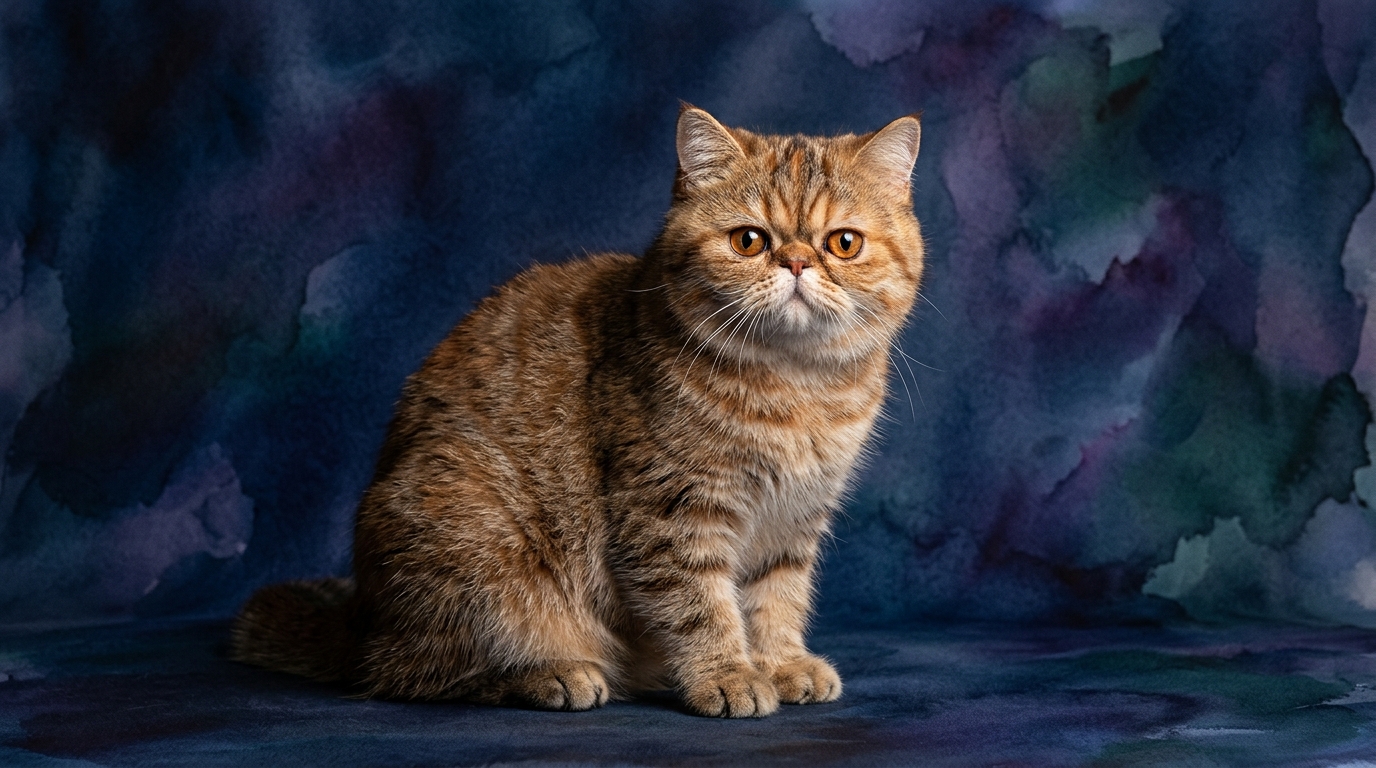
Despite identical scores, the Exotic Shorthair's placid temperament subtly enhances certain cognitive expressions. Their problem-solving, while not necessarily faster, tends to be more deliberate and less prone to frantic, energy-intensive attempts. This calm approach allows for sustained focus on a task, often leading to a quiet, methodical resolution rather than a boisterous one.
Their social intelligence is particularly adept at providing quiet, comforting companionship. An Exotic Shorthair excels at understanding subtle human moods, offering a reassuring presence without demanding constant active engagement, a nuanced form of empathy. Their memory for routines and comfort zones makes them reliable, predictable companions who contribute to a serene home atmosphere, anticipating gentle interactions and familiar patterns.
Furthermore, their lower instinctive drive, while still present, means their cognitive energy is less dispersed by a constant urge to hunt or explore. This can channel their 3/5 problem-solving and memory into mastering their home environment for optimal comfort and security, making them masters of their personal domain.
Where the Japanese Bobtail's Cognition Excels
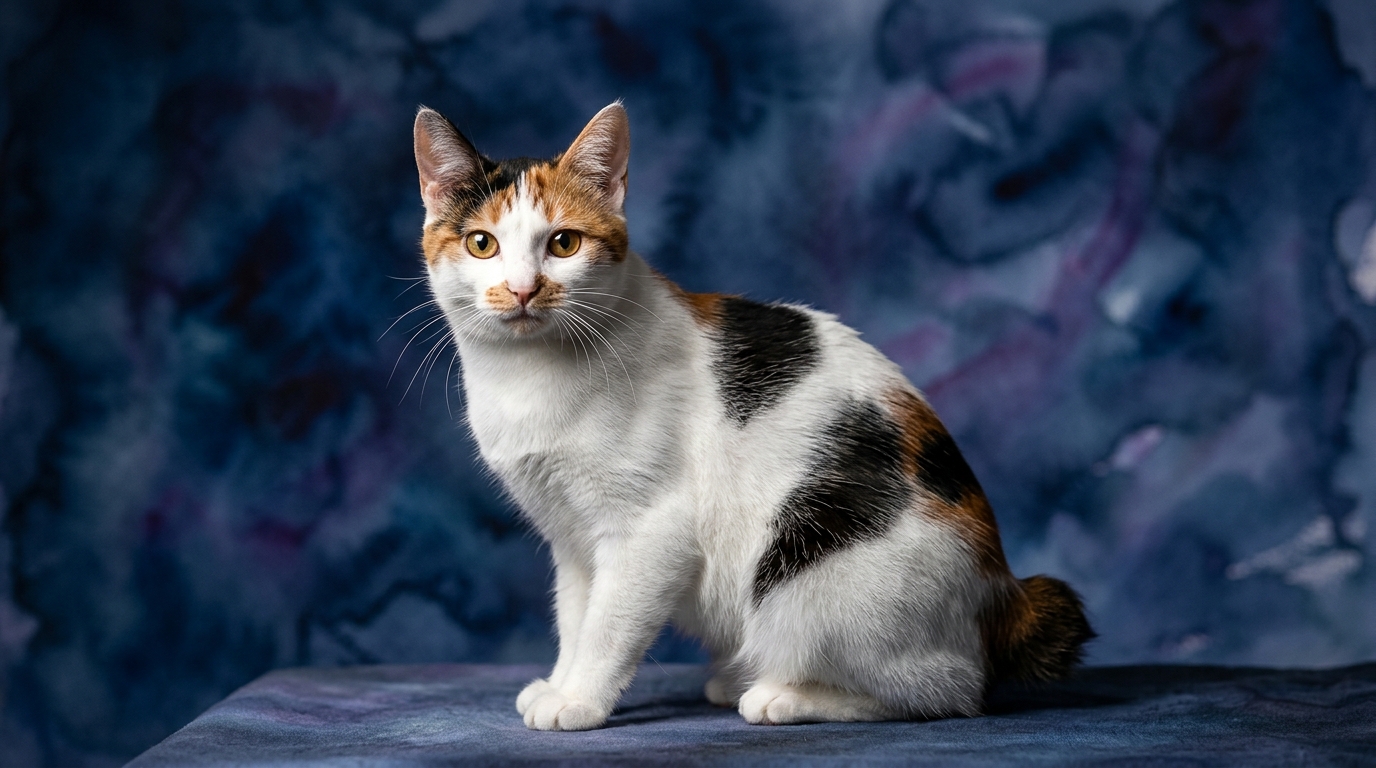
The Japanese Bobtail's vibrant personality imbues its cognitive abilities with a distinct flair. Their 3/5 problem-solving manifests as a more agile and creative approach, often leveraging their physical dexterity and boundless curiosity to overcome obstacles. They might experiment with multiple solutions quickly, driven by an eagerness to engage with their environment.
Their social intelligence truly shines in active communication and engaging in complex, reciprocal play with humans. They are masters of expressive vocalizations and body language, effectively communicating their desires and understanding human responses, which can make their interactions feel particularly rich and engaging. This active social engagement often makes their memory for specific interactions and learned tricks particularly robust.
Their higher energy and pronounced instinctive drive channel their cognitive capabilities into more complex, interactive games that stimulate their minds and bodies simultaneously. This breed thrives on challenges that involve both physical agility and mental puzzle-solving, often initiating play sessions that demand their human's full attention and participation.
Training: Navigating Different Learning Styles
While both breeds score 3/5 in Training Speed, the underlying behavioral differences influence the training experience. The Japanese Bobtail's inherent playfulness and strong desire for interaction often make them enthusiastic participants in training sessions, especially those involving tricks or agility. They view learning as a fun game and respond well to positive reinforcement that incorporates play, making them seem easier to train for active, engaging tasks.
Their vocal nature and eagerness to communicate can also be leveraged in training, as they are often keen to 'talk' and respond to cues. This breed thrives on mental stimulation provided through structured learning, making them highly receptive to owners who enjoy teaching complex sequences and commands, often displaying a quick grasp when motivated by interaction.
The Exotic Shorthair, by contrast, might appear less overtly enthusiastic during training, but their desire for a harmonious home and close bond with their owner makes them highly receptive to learning routines and good manners. They respond best to calm, consistent methods and positive reinforcement focused on comfort and praise. Their training journey might be slower for complex tricks, but they are exceptionally reliable in adhering to household rules and predictable schedules, appreciating the stability.
Ideal Homes: Active Engagement vs. Serene Companionship
For active owners seeking a feline companion who thrives on interaction and engagement, the Japanese Bobtail is an exceptional match. Their playful, curious nature means they require regular mental and physical stimulation, enjoying interactive games, puzzle toys, and even walks on a leash. They will actively seek out their owners for play and conversation, bringing a dynamic energy to the home.
Conversely, for relaxed owners who appreciate a calm, affectionate presence without constant demands, the Exotic Shorthair fits beautifully. They are content to lounge nearby, enjoying gentle petting and quiet companionship, happy to observe the household activities from a comfortable perch. While they appreciate interaction, they do not require intense play sessions, making them ideal for quieter homes or individuals seeking a serene lap cat.
The choice between these two breeds ultimately depends on the lifestyle and expectations of the prospective owner. Both offer deep companionship, but their expressions of affection and engagement differ significantly, reflecting how their identical cognitive scores manifest in distinct personalities.
The Verdict
If you seek a serene, affectionate companion who understands your quiet moods, thrives on predictable routines, and fits seamlessly into a calm, harmonious household environment, choose the Exotic Shorthair.
If you desire an interactive, playful, and vocal companion who will actively participate in family life, enjoys engaging mental and physical challenges, and brings a lively energy to your home, choose the Japanese Bobtail.
🧠 Find Your Pet's IQ Score
Our Pet IQ Lab assessment covers 25+ tests across 5 cognitive dimensions — personalized to your breed.
Take the Full IQ Test →Frequently Asked Questions
Are Exotic Shorthairs good with other pets?
Exotic Shorthairs generally possess a calm and adaptable temperament, making them amenable to coexisting peacefully with other well-behaved pets, provided proper introductions are made. Their social intelligence helps them navigate new relationships with quiet acceptance and maintain a harmonious household.
Do Japanese Bobtails really "talk"?
Japanese Bobtails are indeed renowned for their distinctive vocalizations, often described as chirps, trills, and melodic meows rather than typical loud cries. This expressive communication is a hallmark of their social intelligence and strong desire to interact and communicate with their human companions, making them very conversational pets.
How much grooming do these breeds require?
The Exotic Shorthair, with its dense, plush double coat, requires regular grooming to prevent matting and reduce shedding, typically a few times a week with a comb and brush. The Japanese Bobtail, possessing a single, soft coat with minimal undercoat, is much lower maintenance, needing only weekly brushing to keep its fur healthy and shiny.