Side-by-Side IQ Profile: Interpreting Identical Scores
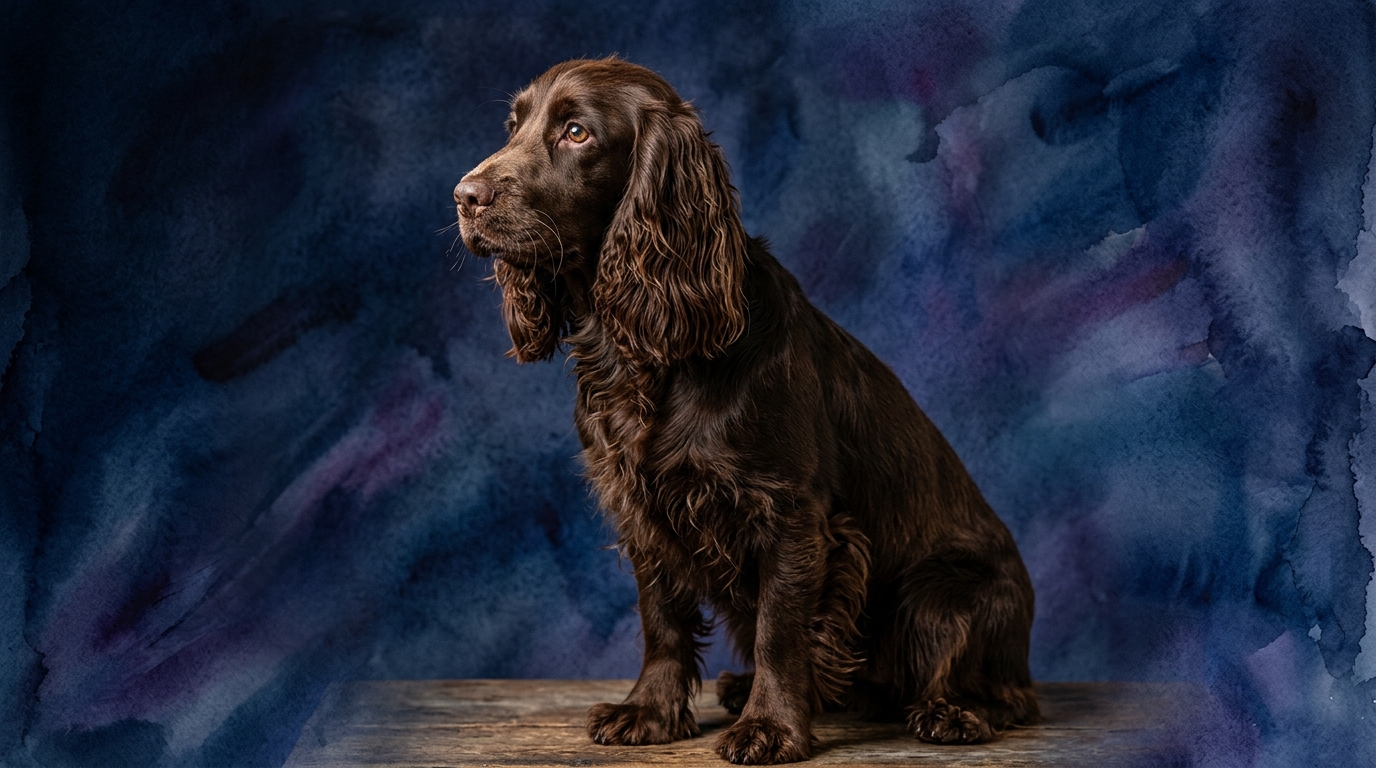
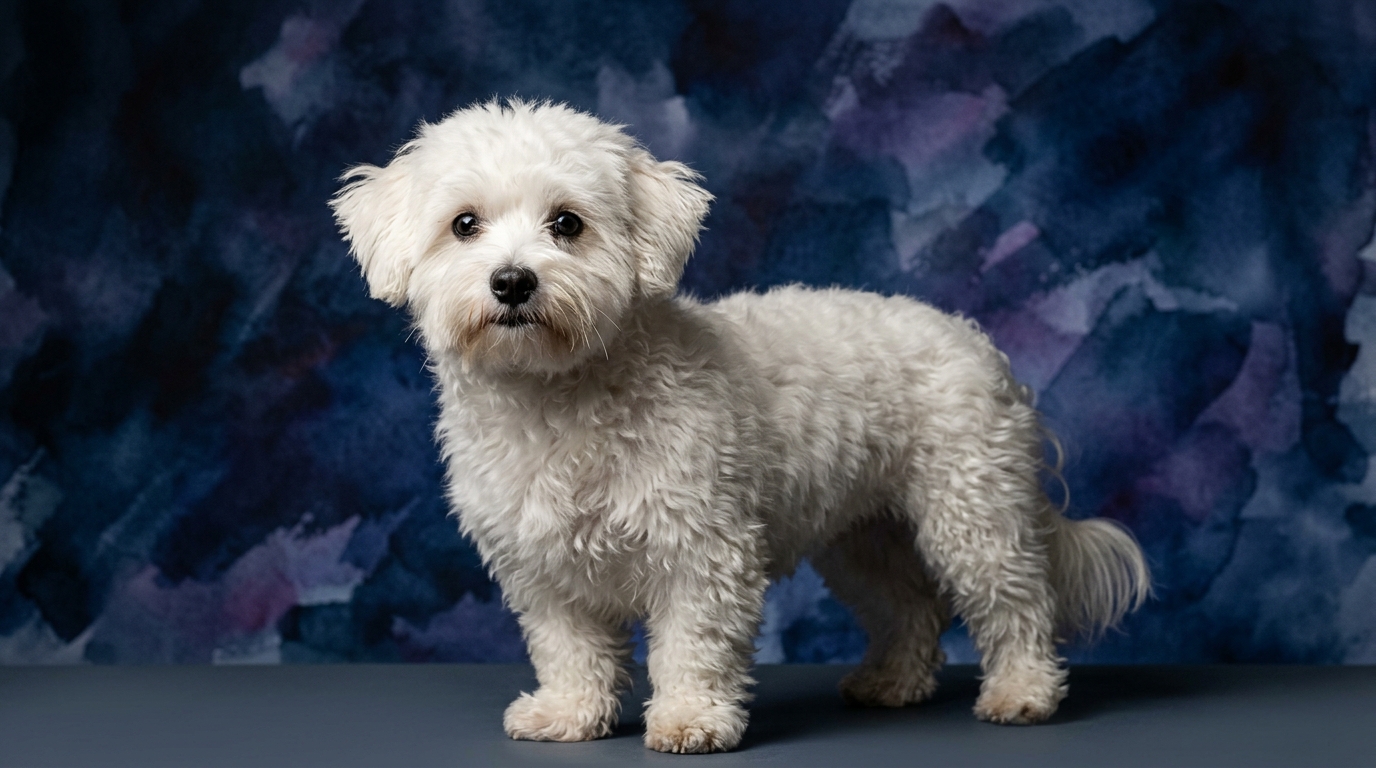
While both the Field Spaniel and the Coton de Tuléar register a consistent 3/5 across The Cosmic Pet Pet IQ Lab's five cognitive dimensions, their breed-specific applications of these scores tell a compelling story. A '3/5' signifies a solid, capable level of intelligence, but the context of its deployment varies dramatically between a sporting dog and a companion.
For the **Field Spaniel (Sporting Group)**:
**Problem Solving (3/5):** This rating reflects their capacity for practical, task-oriented thinking. They excel at figuring out how to navigate complex terrain to retrieve game, locate hidden scents, or overcome minor obstacles during field work. Their problem-solving is often tied to environmental challenges and achieving a specific goal, like flushing a bird.
**Training Speed (3/5):** A 3/5 indicates a good capacity to learn and retain commands, particularly when linked to their working drives. They respond well to consistent, positive reinforcement, but their independent nature and strong olfactory focus mean training needs to be engaging and persistent, especially in distracting outdoor environments.
**Social Intelligence (3/5):** This manifests as a strong bond with their primary handler and an understanding of human-pack dynamics. They are attuned to their handler's cues during a hunt and can work cooperatively. Their social interactions are often purposeful, geared towards cooperation in tasks or receiving affection from trusted individuals.
**Instinctive Drive (3/5):** This score reflects a moderate, purposeful set of innate behaviors crucial for their sporting role. Their drive includes a keen nose for scent, a natural inclination to retrieve, and a persistent desire to work alongside a human. This focused energy can be channeled effectively into activities like scent work or retrieving.
**Memory (3/5):** A Field Spaniel's memory allows them to recall complex sequences of commands, remember specific locations where game was found, or retain lessons from previous training sessions. This is vital for learning intricate hunting patterns and consistently performing learned behaviors over time.
For the **Coton de Tuléar (Non-Sporting Group)**:
**Problem Solving (3/5):** For a Coton, this often translates to navigating their domestic environment with ingenuity. They might figure out how to get a toy from under furniture, understand household routines to anticipate walks or meal times, or cleverly communicate their needs. Their problem-solving is typically focused on social interactions and manipulating their environment for comfort or attention.
**Training Speed (3/5):** This score indicates a pleasant readiness to learn basic obedience, house rules, and even fun tricks. They are generally eager to please and respond well to positive, reward-based methods. Their training speed benefits from their strong desire for human interaction and approval, though they can be sensitive to harsh corrections.
**Social Intelligence (3/5):** A Coton's 3/5 social intelligence is deeply rooted in their role as a companion. They are highly attuned to human emotions, picking up on subtle cues and often adjusting their behavior to match the mood of the household. They thrive on interaction, understand family dynamics, and excel at forming strong, empathetic bonds.
**Instinctive Drive (3/5):** The instinctive drive in a Coton is less about traditional hunting and more about companionship and alertness. This manifests as a strong desire for proximity to their family, a tendency to alert bark at novel sounds, and a playful curiosity about their immediate surroundings. Their drives are geared towards being an engaged and watchful family member.
**Memory (3/5):** A Coton's memory is well-suited for remembering family members, houseguests, routines, and the locations of their favorite toys or sleeping spots. They recall past interactions vividly, contributing to their strong social bonds and their ability to anticipate daily events, making them feel like an integrated part of the family.
Where the Field Spaniel Wins Cognitively
While both breeds possess a Problem Solving score of 3/5, the Field Spaniel's cognitive strengths truly shine in independent, environmental problem-solving. This breed demonstrates a superior capacity for navigating and interpreting complex outdoor stimuli. Their ability to follow intricate scent trails, make quick decisions about the best path through dense undergrowth, or strategize a retrieve from challenging water conditions showcases a practical intellect honed for purpose. They excel at sustained focus on a task even when the immediate reward isn't visible, relying on memory and instinct to work through a challenge autonomously. This translates to a dog that can effectively 'figure things out' in a dynamic, less structured environment, often without constant human direction, making them adept at activities requiring self-reliance and environmental awareness.
Where the Coton de Tuléar Wins Cognitively
Conversely, the Coton de Tuléar's 3/5 Problem Solving and Social Intelligence truly differentiate its cognitive advantages within a domestic setting. This breed exhibits a remarkable aptitude for understanding and influencing human behavior. They are adept at discerning emotional states, interpreting subtle body language, and employing various strategies to solicit attention, comfort, or play from their owners. Their problem-solving often involves social dynamics – figuring out how to get a favored treat, initiating a game, or even comforting a distressed family member. This breed’s strength lies in its profound social awareness and ability to integrate seamlessly into human family structures, often appearing to 'read minds' due to their keen observation and memory of past interactions within the home environment.
Training Dynamics: Field Spaniel vs. Coton de Tuléar
Determining which breed is 'easier' to train is less about raw learning capacity and more about motivational drivers and intrinsic behaviors. Both breeds hold a 3/5 in Training Speed, indicating a solid ability to learn. The Coton de Tuléar, with its strong social intelligence and desire for companionship, often presents as more 'eager to please' in a home context. They thrive on positive reinforcement and human approval, making them generally receptive to learning household manners, tricks, and basic obedience. However, their sensitivity means harsh corrections can be counterproductive, potentially leading to anxiety or withdrawal. They can also be prone to 'selective hearing' if something more interesting captures their attention, or develop demand barking if not managed consistently.
The Field Spaniel, while equally capable of learning, often requires a more nuanced approach. Their strong instinctive drive and independent problem-solving mean they might occasionally prioritize an interesting scent or a perceived 'job' over a handler's command, especially in stimulating outdoor environments. Training a Field Spaniel demands consistency, engagement, and a clear understanding of their working drives. While they learn quickly when motivated, overcoming their natural inclination to follow a scent or explore requires more dedicated proofing and higher-value rewards. Therefore, for a novice owner in a domestic setting, the Coton might feel 'easier' due to its inherent desire for close human interaction, whereas the Field Spaniel demands a more active, purpose-driven training partnership.
Matching Breeds to Lifestyles: Active vs. Relaxed Owners
The choice between these two breeds heavily depends on an owner's lifestyle and activity level. The Field Spaniel is undoubtedly suited for active owners who relish outdoor adventures and are prepared to engage their dog in substantial physical and mental exertion. Their 3/5 Instinctive Drive translates into a need for regular, vigorous exercise, long walks, scent games, and opportunities to explore. They thrive in environments where they can utilize their natural abilities, whether it's through hiking, retrieving, or participating in dog sports like agility or field trials. A Field Spaniel will become restless and potentially destructive if its needs for activity and purpose are unmet.
In contrast, the Coton de Tuléar is an ideal match for relaxed owners or those with a more sedentary lifestyle. While they enjoy daily walks and playful romps, their exercise requirements are significantly lower than a sporting breed. Their contentment largely stems from close proximity to their human family and engaging in indoor activities. A Coton thrives as a lap dog and companion, happy to snuggle on the couch or play gentle games in the living room. They adapt well to apartment living, provided they receive sufficient social interaction and mental stimulation through puzzles or training sessions, making them a superb choice for those seeking a devoted, less demanding companion.
The Verdict
Choose the Field Spaniel if you are an active individual or family seeking a devoted, capable working companion eager for outdoor adventures, scent work, and a purpose-driven relationship.
Choose the Coton de Tuléar if you desire an adaptable, affectionate, and socially perceptive companion perfectly suited for a relaxed home environment, thriving on close human interaction and family life.
🧠 Find Your Pet's IQ Score
Our Pet IQ Lab assessment covers 25+ tests across 5 cognitive dimensions — personalized to your breed.
Take the Full IQ Test →Frequently Asked Questions
Do Field Spaniels and Cotons de Tuléar have similar grooming needs?
No, their grooming needs differ significantly. Field Spaniels have a medium-length, dense coat requiring regular brushing to prevent mats, especially after outdoor activities, and occasional trimming. Cotons de Tuléar possess a long, cotton-like coat that is prone to tangling and requires daily brushing to maintain its condition and prevent matting, along with professional grooming appointments.
Are both breeds good with children and other pets?
Generally, both breeds can be good with children and other pets with proper socialization. Field Spaniels are typically gentle and patient, making them good family dogs, though their energy needs mean they might be better with slightly older, respectful children. Cotons de Tuléar are known for their playful and affectionate nature, often bonding well with children and other animals, provided they are introduced carefully and respectfully.
What are the main differences in their vocal tendencies?
Field Spaniels are generally not excessively vocal, though they might bark to alert or express excitement during play or work. Cotons de Tuléar, on the other hand, can be more vocal, sometimes prone to alert barking at novel sounds or visitors, and may develop demand barking if not managed. Their companion nature means they are often quite communicative.