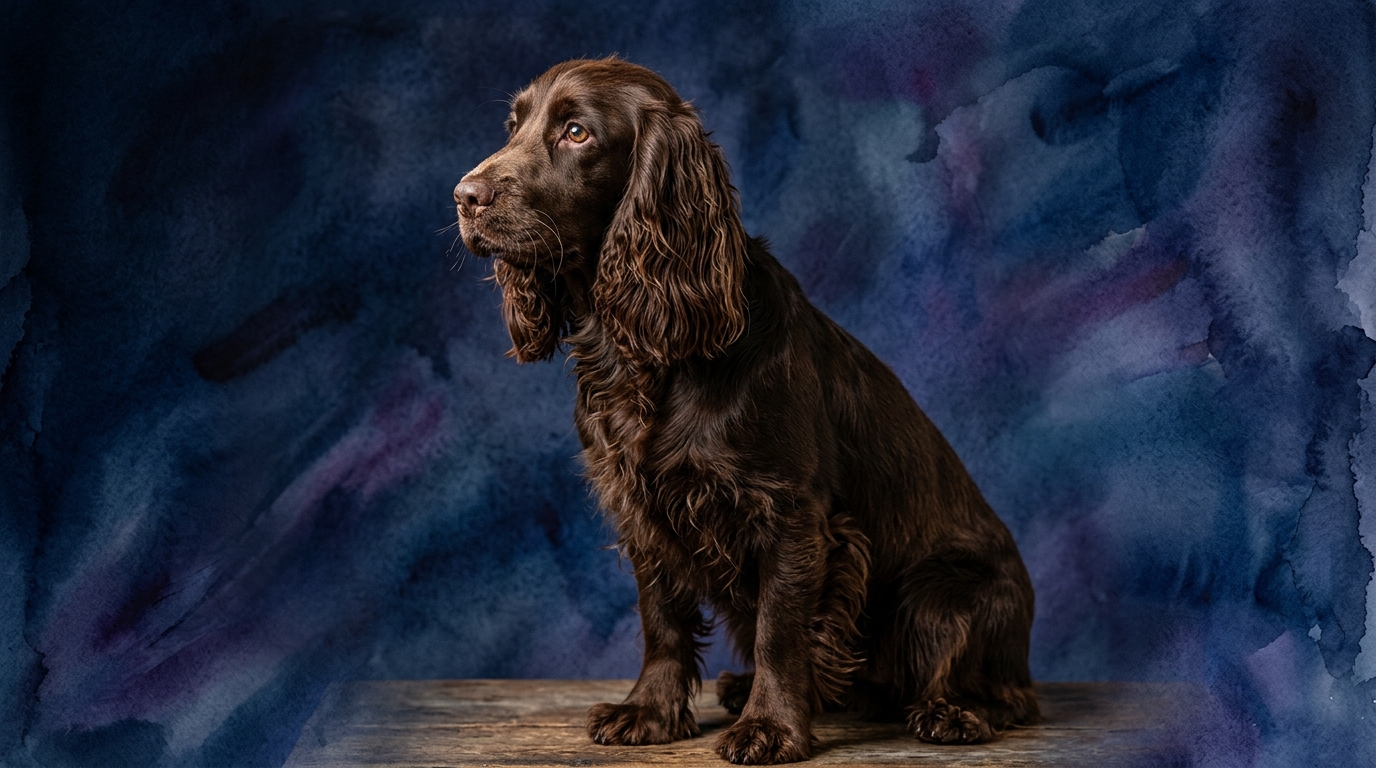
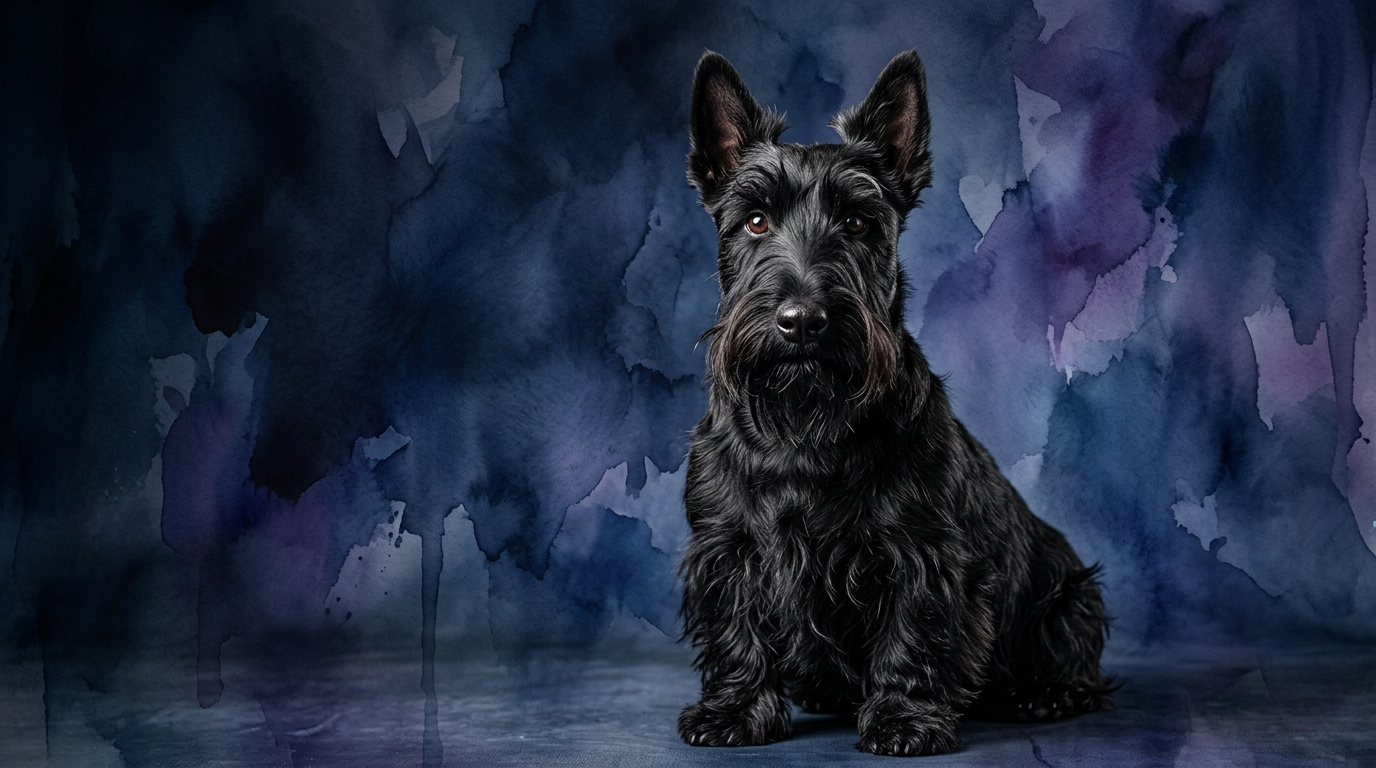
Side-by-Side Cognitive Profile: Field Spaniel
**Problem Solving (3/5):** Field Spaniels exhibit a moderate aptitude for practical problem-solving, particularly in retrieving or navigating varied terrain collaboratively with a handler. They excel at deciphering efficient paths and overcoming minor obstacles during shared tasks, relying on human cues.
**Training Speed (3/5):** These spaniels learn new commands and routines at a moderate pace, their eagerness to please making the process feel smoother with consistent, positive instruction. Their cooperative nature often aids in quicker retention and application of learned behaviors.
**Social Intelligence (3/5):** Field Spaniels display a moderate ability to interpret human moods and intentions, adjusting behavior within familiar social contexts. They form perceptive bonds with their family, showing awareness of internal group dynamics and emotional shifts.
**Instinctive Drive (3/5):** Their instinctive drive is moderately strong, focusing on scent work, retrieving, and exploration of natural environments. This drive is often expressed collaboratively, as they enjoy working alongside human companions in activities like flushing game or scent games.
**Memory (3/5):** Field Spaniels possess a moderate memory, retaining learned commands, routines, and experiences over time. They recall complex task sequences well, especially when those tasks are engaging and aligned with their natural working instincts and cooperative spirit.
Side-by-Side Cognitive Profile: Scottish Terrier
**Problem Solving (3/5):** The Scottish Terrier demonstrates a moderate capacity for problem-solving, often applied with a distinct independent streak. This involves devising strategies to access hidden items or persistently exploring ways to investigate intriguing scents, typically self-directed and tenacious.
**Training Speed (3/5):** Scotties learn new commands at a moderate rate, but their strong will and independent nature can sometimes make the consistent application of that learning slower. Engaging, positive reinforcement and understanding their unique motivation are key for achieving compliance.
**Social Intelligence (3/5):** Scottish Terriers show a moderate understanding of social dynamics, particularly within their family unit. Reserved with strangers, they are perceptive of family emotions, offering quiet companionship and discerning trusted individuals from outsiders.
**Instinctive Drive (3/5):** Their instinctive drive is moderately powerful, centered on tasks like digging, chasing small prey, and patrolling their perceived territory. This drive is expressed with intense focus and determination, characteristic of their terrier heritage.
**Memory (3/5):** Scottish Terriers exhibit a moderate memory, capable of recalling learned commands, routines, and significant experiences. They particularly excel at remembering prime digging spots or effective patrol routes, reinforcing their independent exploratory nature.
Where Field Spaniel Wins Cognitively
While both breeds rate identically across our IQ dimensions, the Field Spaniel's cognitive strengths often shine in cooperative settings. Their problem-solving (3/5) frequently involves deciphering human directives to achieve a shared goal, such as navigating a complex retrieve course or understanding a handler's subtle signals during a scent work exercise. This collaborative approach means their memory (3/5) is particularly adept at recalling sequences of tasks performed *with* a human partner, making them excellent candidates for advanced obedience or field trials where teamwork is paramount. Their social intelligence (3/5) often translates into a more overt willingness to please, making them highly responsive to subtle changes in handler tone or body language, facilitating smoother communication in dynamic situations.
Where Scottish Terrier Wins Cognitively
The Scottish Terrier, despite identical 3/5 ratings, demonstrates distinct cognitive advantages in areas requiring tenacity and independent thought. Their problem-solving (3/5) is often geared towards self-initiated tasks, such as finding creative ways to overcome an obstacle to reach a specific scent or persistently working through a puzzle toy without constant human guidance. This breed’s instinctive drive (3/5) fuels a focused determination, making them exceptionally persistent in tasks like digging or tracking, where a singular goal is pursued relentlessly. Their memory (3/5) is robust for recalling important locations, such as prime digging spots or patrol routes within their established territory, showcasing a cognitive map built around their independent exploration and protective instincts. While their social intelligence (3/5) might not manifest as eager compliance, it is keenly attuned to discerning threats or strangers, making them astute judges of character within their own defined social sphere.
Which is Easier to Train and Why
Despite both breeds scoring 3/5 in training speed, the Field Spaniel is generally perceived as easier to train due to fundamental behavioral differences stemming from their breed groups. The Field Spaniel, a Sporting dog, possesses an inherent desire to work cooperatively with its handler, often displaying a strong 'will to please.' This intrinsic motivation means they are typically more biddable and responsive to commands, readily engaging in training sessions as a collaborative activity. Their moderate social intelligence makes them sensitive to handler feedback and praise, reinforcing positive behaviors efficiently. In contrast, the Scottish Terrier, a Terrier, was bred for independent hunting and decision-making. While they learn at a similar rate, their strong-willed and self-reliant nature means they often need to be convinced that a command serves their own interests or is sufficiently rewarding. Training a Scottie requires more patience, creativity, and a focus on making tasks appealing, as they are less inclined to offer automatic compliance. Their training is more about building a respectful partnership where the dog chooses to cooperate, rather than simply obeying.
Which Suits Active Owners vs. Relaxed Owners
The choice between a Field Spaniel and a Scottish Terrier also hinges significantly on an owner's lifestyle and activity levels. A Field Spaniel, with its moderate instinctive drive for scent work and retrieving, thrives with active owners who enjoy outdoor adventures, long walks, hiking, or participation in dog sports like agility, obedience, or scent detection. Their cooperative nature means they are eager companions for these activities, benefiting from mental and physical stimulation that works alongside their human. A relaxed owner might find it challenging to adequately meet the Field Spaniel's need for engagement without dedicated effort. The Scottish Terrier, while possessing a moderate instinctive drive, often expresses it differently. They suit owners who appreciate a dog with an independent spirit and are content with structured daily walks and opportunities for independent exploration in a secure yard. While they can enjoy activities like earthdog trials or short bursts of play, their intensity is often self-directed. A more relaxed owner who enjoys quiet companionship but is prepared for a persistent, independent thinker, will find a Scottie a fitting companion, understanding that their activity needs are more about quality and specific outlets for their terrier instincts than constant, high-energy, handler-directed exertion.
The Verdict
Choose a Field Spaniel if you seek a cooperative, biddable companion eager to participate in shared activities and responsive to nuanced communication.
Opt for a Scottish Terrier if you appreciate an independent, tenacious companion with a distinctive personality, valuing their self-reliant problem-solving and focused determination.
🧠 Find Your Pet's IQ Score
Our Pet IQ Lab assessment covers 25+ tests across 5 cognitive dimensions — personalized to your breed.
Take the Full IQ Test →Frequently Asked Questions
Are Field Spaniels and Scottish Terriers equally easy to live with for first-time dog owners?
While both breeds have moderate cognitive scores, a Field Spaniel's cooperative nature often makes them a more forgiving choice for first-time owners who can provide consistent training and engagement. Scottish Terriers, with their independent and strong-willed temperament, can present more challenges for novice owners unless they are prepared for a dog that requires patient, creative, and consistent motivational training.
Do Field Spaniels or Scottish Terriers require more mental stimulation?
Both breeds benefit from moderate mental stimulation. Field Spaniels thrive on interactive games, puzzle toys, and training that involves working alongside their owner. Scottish Terriers also benefit from puzzles and training, but their stimulation often includes opportunities for independent sniffing, digging in designated areas, or short bursts of focused activity that engage their terrier instincts.
How do their social intelligence scores impact their interactions with other pets or children?
With a 3/5 social intelligence score, both can integrate well, but differ in approach. Field Spaniels are generally more outwardly amiable and adaptable with other pets and well-behaved children when properly socialized. Scottish Terriers can be more selective, often forming strong bonds with their immediate family but requiring careful introductions and supervision with unfamiliar pets or boisterous children due to their inherent independence and potential for territoriality.