Side-by-Side IQ Profile
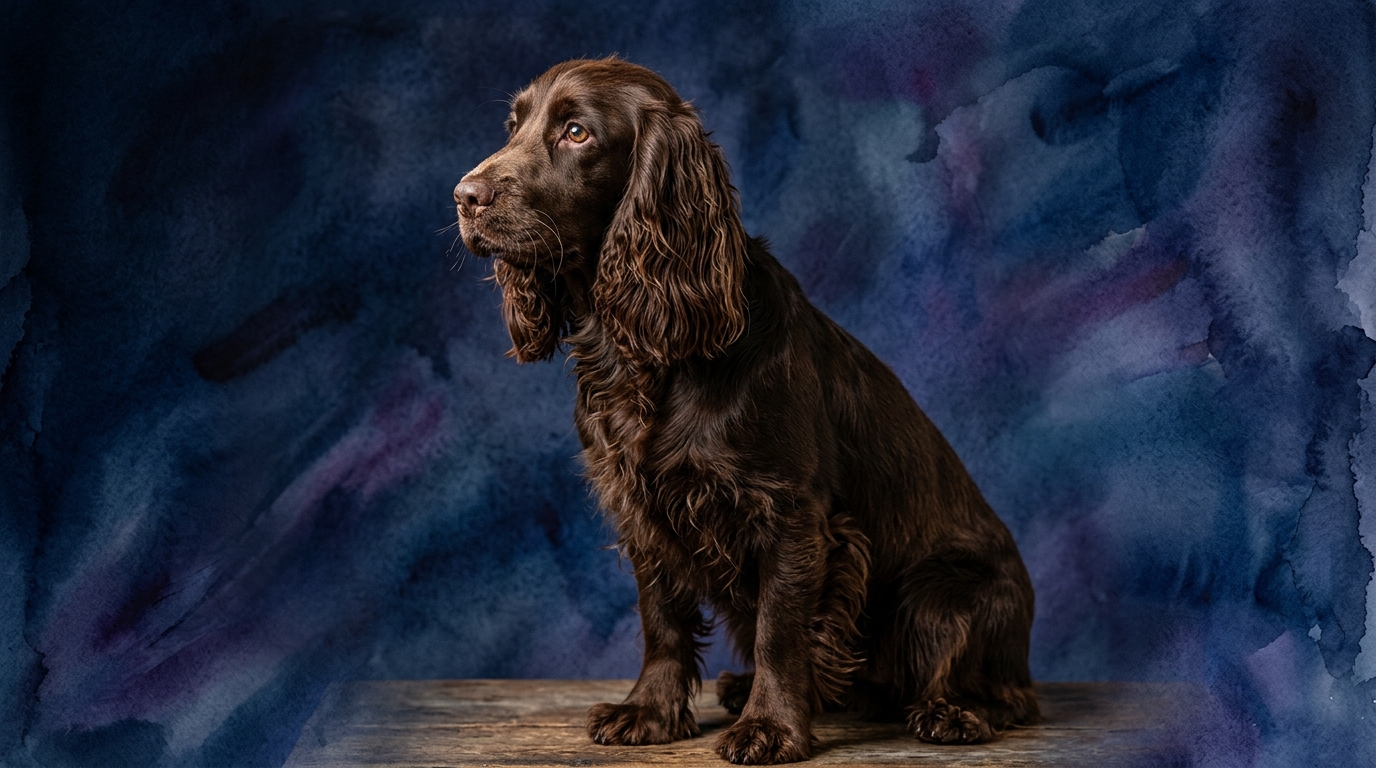
As a member of the Sporting Group, the Field Spaniel’s 3/5 in Problem Solving often manifests in practical, task-oriented scenarios, such as navigating dense cover to flush game or retrieving an object from a tricky spot. Their Training Speed at 3/5 indicates they learn new commands at an average pace, but their inherent desire to work cooperatively with a handler for a shared goal can make them appear more receptive. Social Intelligence at 3/5 means they are generally affable and attentive to human cues, crucial for a hunting partner. Their Instinctive Drive is geared towards persistent pursuit and retrieval, demonstrating a focused approach to scent and movement. A 3/5 Memory allows them to recall complex sequences of commands and remember specific hunting locations or scent patterns.
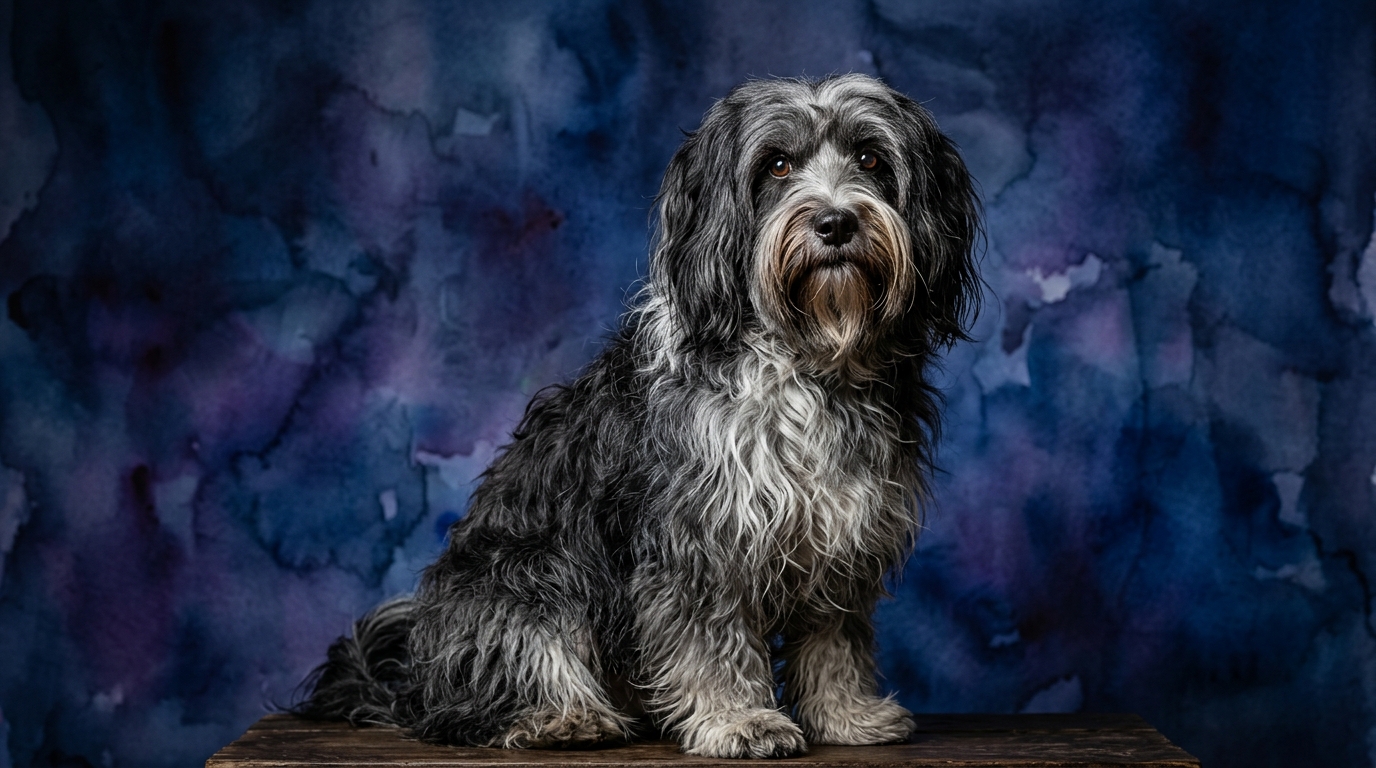
Hailing from the Non-Sporting Group, with a Coren ranking of #63, the Tibetan Terrier’s 3/5 in Problem Solving often involves clever navigation of their domestic environment, such as figuring out how to open a gate or outsmarting a puzzle toy, showcasing ingenuity rather than collaborative task-solving. Their 3/5 Training Speed suggests they learn at a moderate pace, but their independent streak might require more consistent and engaging methods to maintain focus and compliance. Social Intelligence at 3/5 means they are deeply devoted to their family but can be reserved or discerning with strangers, reflecting their watchdog heritage. Their Instinctive Drive is less about prey and more about alertness, companionship, and guarding their perceived territory. A 3/5 Memory enables them to recall routines, people, and boundaries within their familiar surroundings, making them reliable companions.
Where Field Spaniel Wins Cognitively
The Field Spaniel truly shines in cognitive tasks demanding focused collaboration and sustained engagement with a specific objective, particularly those involving scent work or retrieving. Their 3/5 problem-solving ability, while numerically equal, is inherently tied to their sporting lineage, making them adept at navigating complex outdoor environments to complete a given task, like tracking a scent across varied terrain or methodically searching for a hidden object. This breed excels when there’s a clear, handler-directed purpose, demonstrating an impressive capacity for maintaining concentration amidst distractions. Their instinctive drive to work alongside humans gives them a significant edge in activities requiring a strong partnership, such as advanced obedience trials or field work where responsiveness to subtle cues is paramount.
Where Tibetan Terrier Wins Cognitively
The Tibetan Terrier, despite the same 3/5 cognitive scores, demonstrates a distinct cognitive advantage in areas demanding independent thought, adaptability, and nuanced social observation within a domestic setting. Their problem-solving at 3/5 is often expressed through clever, self-initiated solutions to household challenges, like figuring out how to access a forbidden treat or manipulating a toy to their advantage without direct human guidance. This breed possesses an innate awareness of their surroundings and the dynamics within their human “pack,” making them particularly astute at reading people and adapting their behavior accordingly. Their social intelligence, while rated 3/5, leans towards discerning interactions, allowing them to excel as watchful companions who can quickly assess new situations or strangers.
Which is Easier to Train and Why
When considering ease of training, the Field Spaniel generally presents a more straightforward experience for typical obedience and task-based learning, despite both breeds sharing a 3/5 training speed. The Field Spaniel’s sporting heritage instills a deep desire to cooperate and work alongside their human, making them highly motivated by positive reinforcement and handler praise. Their instinctive drive is channeled towards performing tasks for their owner, leading to a more consistent willingness to learn and execute commands. They thrive on having a job and find satisfaction in pleasing their handler, which translates into a more eager and focused student in training sessions.
Conversely, while the Tibetan Terrier also scores 3/5 in training speed, their independent and somewhat discerning nature, a hallmark of their Coren rank #63, means they often require more creative and engaging training approaches. They are perfectly capable of learning, but they often assess whether a command is “worth” their effort or if there’s a more interesting alternative. Their intelligence is more about independent reasoning than eager compliance, meaning an owner must be patient, consistent, and make training fun and rewarding to overcome their occasional stubbornness.
Which Suits Active Owners vs. Relaxed Owners
For owners with an active lifestyle, the Field Spaniel is an excellent match. Their sporting background means they thrive on consistent physical activity and mental engagement, particularly when these activities involve working collaboratively with their human. They are built for endurance and enjoy long walks, runs, hiking, and participating in dog sports like agility, obedience, or scent work. An active owner who provides structured outlets for their instinctive drive and problem-solving abilities will find a deeply satisfied and well-behaved companion. These dogs revel in having a “job” to do, even if it’s just a vigorous game of fetch or a challenging training session.
The Tibetan Terrier, while not a couch potato, can suit owners with a moderately active to relaxed lifestyle. They enjoy regular walks, playtime, and mental stimulation through puzzle toys or varied environments, but they don't typically demand the same intensity or duration of structured activity as a Field Spaniel. Their adaptability allows them to be content with a good daily walk and indoor play, making them suitable for apartment living or owners who prefer less strenuous outdoor adventures. Owners who appreciate a clever, discerning companion who enjoys both activity and quiet time will find the Tibetan Terrier a fulfilling choice.
The Verdict
Opt for the Field Spaniel if you desire a cooperative, task-oriented companion eager to engage in structured activities like dog sports, field work, or long hikes alongside you. They thrive with owners who can provide consistent, collaborative mental and physical stimulation.
Select the Tibetan Terrier if you prefer an independent yet devoted companion who excels at clever, self-initiated problem-solving and adapts well to varied domestic settings, requiring moderate activity and consistent, engaging training.
🧠 Find Your Pet's IQ Score
Our Pet IQ Lab assessment covers 25+ tests across 5 cognitive dimensions — personalized to your breed.
Take the Full IQ Test →Frequently Asked Questions
Do Field Spaniels or Tibetan Terriers make better family pets?
Both breeds can make wonderful family pets, but their approaches differ. Field Spaniels are generally more overtly eager to please and integrate into family activities, while Tibetan Terriers are deeply devoted to their family but may be more reserved with strangers or less tolerant of boisterous play from young children unless well-socialized.
Are Field Spaniels good for first-time dog owners?
Field Spaniels can be good for first-time owners who are committed to consistent training, socialization, and providing ample mental and physical exercise. Their cooperative nature makes them responsive, but their needs for activity and stimulation are significant.
How much mental stimulation does a Tibetan Terrier need daily?
A Tibetan Terrier requires moderate daily mental stimulation, which can include puzzle toys, varied walking routes to explore new scents and sights, short engaging training sessions, and interactive play. While not as demanding as some working breeds, consistent mental engagement prevents boredom and promotes well-being.