
Side-by-Side IQ Profile: Nuances of Shared Scores
At first glance, The Cosmic Pet Pet IQ Lab data presents both the Field Spaniel and the Welsh Terrier with an identical 3/5 rating across all five cognitive dimensions: Problem Solving, Training Speed, Social Intelligence, Instinctive Drive, and Memory. This shared numerical standing, however, belies the unique ways each breed utilizes these capacities, deeply rooted in their breed group heritage and purpose. For the Field Spaniel, a Sporting Group dog, a 3/5 in Problem Solving often translates to adept navigation of varied terrain to retrieve game or locate scent, often in cooperation with a handler. Their approach to challenges is typically methodical and task-oriented within a defined framework, focusing on achieving a specific objective like finding a hidden dummy or following a scent trail. A 3/5 in Training Speed for the Field Spaniel suggests a moderate learning pace, where consistent, positive reinforcement methods yield steady progress. They are generally receptive to instruction, valuing the partnership aspect of training, though their independent spaniel spirit can sometimes lead to momentary distractions. Their Social Intelligence at 3/5 means they are typically attuned to human cues and family dynamics, often seeking connection and understanding handler intentions, which aids their cooperative nature. Instinctive Drive at 3/5 is expressed through a strong desire for scent work, flushing, and retrieving, exhibiting a natural enthusiasm for working in the field. Finally, their Memory at 3/5 supports the retention of complex sequences of commands and learned behaviors, particularly those associated with their retrieving duties and home routines.
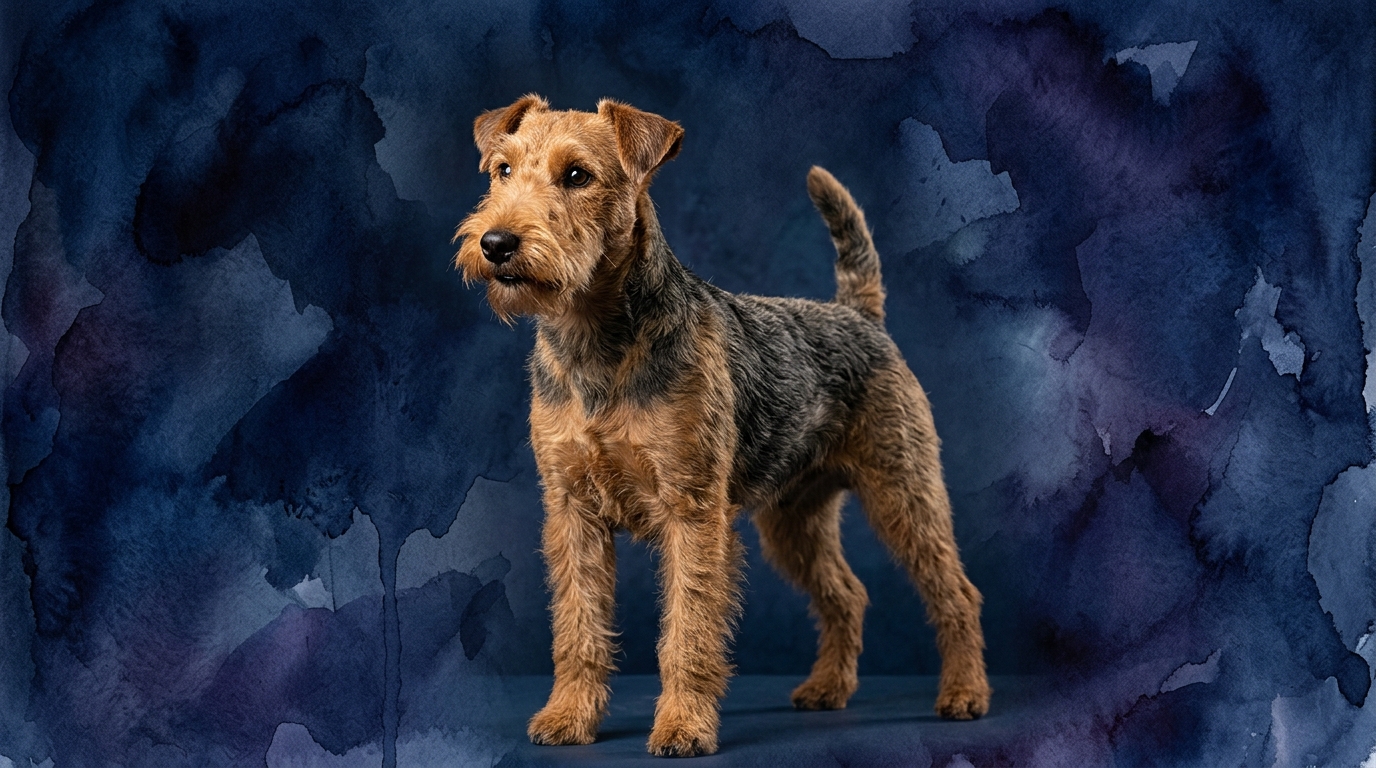
The Welsh Terrier, hailing from the Terrier Group, interprets these same 3/5 scores through a very different lens. Their Problem Solving at 3/5 manifests as a resourceful and tenacious approach to challenges, often involving outsmarting perceived obstacles or locating vermin in tight spaces. They are adept at finding novel ways to achieve their goals, which can sometimes be perceived as mischievous. A 3/5 in Training Speed for the Welsh Terrier indicates they learn at a moderate pace, but their independent and often spirited nature means they require patient, firm, and engaging training methods. They will learn, but often with a strong 'what's in it for me?' attitude, and can quickly lose interest if not adequately motivated. Their Social Intelligence at 3/5 means they are observant of their environment and the individuals within it, often assessing social dynamics to determine their place or how best to get their way. They can be quite discerning about whom they choose to engage with. Instinctive Drive at 3/5 for the Welsh Terrier is characterized by a pronounced prey drive, a strong inclination to dig, and a tendency to bark, all stemming from their heritage as vermin hunters. This drive is a powerful motivator for their actions. Their Memory at 3/5 allows them to recall not only commands but also successful strategies for achieving their own ends, whether it's remembering where a forgotten treat was hidden or how to escape a secure yard, making them quite clever in their pursuits.
Where the Field Spaniel Wins Cognitively
The Field Spaniel demonstrates a cognitive advantage in areas demanding sustained cooperation and attentiveness to human direction. Their 3/5 Social Intelligence is often geared towards understanding and responding to handler cues, making them particularly adept at working in partnership. This manifests in their ability to follow complex scent trails or retrieve specific items on command, often requiring a nuanced interpretation of human signals. Their Problem Solving, while rated 3/5, is typically less about independent mischief and more about collaborative task completion. For instance, they excel at navigating a challenging retrieve course, using their problem-solving skills to overcome physical obstacles while maintaining focus on the primary objective set by their handler. This breed's strength lies in their biddability and desire to work alongside humans, making them more predictable and responsive in structured environments.
Where the Welsh Terrier Wins Cognitively
The Welsh Terrier shines in cognitive domains requiring independent initiative, tenacity, and resourceful adaptation. Their 3/5 Problem Solving skills are often applied to situations where self-reliance is paramount, such as figuring out how to bypass a barrier to reach an interesting smell or extracting a toy from a complicated puzzle. They exhibit a distinct ingenuity in pursuing their own objectives, often demonstrating a 'never give up' attitude that can be both admirable and challenging. Their 3/5 Instinctive Drive fuels a sharp observational capacity, allowing them to quickly assess new environments for potential 'prey' or intriguing elements, making them highly adaptable to novel situations without constant human direction. This breed's cognitive strengths lie in their ability to think on their feet and find creative solutions, particularly when their strong drives are engaged, showcasing a cleverness that is often self-directed.
Which is Easier to Train and Why
When considering ease of training, the Field Spaniel generally presents a more straightforward path. Their Sporting Group heritage instills a fundamental desire to work cooperatively with humans, which directly impacts their 3/5 Training Speed. While still requiring consistency, a Field Spaniel is often motivated by praise and the joy of a shared task, making them more amenable to learning and retaining commands. They are typically less prone to independent decision-making during training sessions, preferring to follow direction. In contrast, the Welsh Terrier, with its Terrier Group background, can be more challenging to train despite their identical 3/5 Training Speed. Their strong independent streak and pronounced prey drive mean that while they are capable of learning, they may choose to prioritize their own interests over handler commands. Training a Welsh Terrier often requires more creativity, patience, and making the training feel like a game or a challenge they want to 'win.' Their tendency to test boundaries and their sharp memory for what they can get away with necessitates unwavering consistency and positive reinforcement that genuinely motivates them.
Which Suits Active Owners vs. Relaxed Owners
Both the Field Spaniel and the Welsh Terrier are breeds that thrive with active engagement, making them less suited for genuinely relaxed owners seeking a sedentary companion. However, the *type* of activity they prefer differs. The Field Spaniel, with its sporting background, is an excellent match for active owners who enjoy long walks, hiking, scent work, retrieving games, and participation in dog sports like obedience or agility where teamwork is key. They need consistent physical exercise to be content, but their mental stimulation often comes from working collaboratively with their human. A Field Spaniel might be more inclined to settle down after their physical and mental needs are met, enjoying quiet time with their family, though they still require daily interaction.
The Welsh Terrier, on the other hand, suits an equally active but perhaps more hands-on and mentally stimulating owner. Their terrier energy and instincts demand outlets for digging, chasing, and exploring. They excel in activities like earthdog trials, barn hunt, or advanced agility courses that challenge their independent problem-solving skills. They require not just physical exercise but also significant mental engagement to prevent boredom, which can lead to inventive, often mischievous, behaviors. While they enjoy family time, a Welsh Terrier is often 'on,' constantly looking for something to do or investigate, making them a more demanding companion for owners who prefer a truly relaxed home environment.
The Verdict
Choose a Field Spaniel if you desire a cooperative companion for outdoor adventures and structured activities, valuing a dog that is generally more biddable and responsive to guidance. They thrive in a partnership where their cognitive strengths are used in collaboration.
Opt for a Welsh Terrier if you appreciate an independent, tenacious, and clever companion who enjoys mental challenges and spirited exploration, and if you are prepared to engage their strong personality with consistent, creative training.
🧠 Find Your Pet's IQ Score
Our Pet IQ Lab assessment covers 25+ tests across 5 cognitive dimensions — personalized to your breed.
Take the Full IQ Test →Frequently Asked Questions
Do Field Spaniels bark a lot?
Field Spaniels are not typically excessive barkers, but they will use their voice to alert to visitors or express excitement. Consistent training can manage any nuisance barking effectively.
Are Welsh Terriers good with children?
Welsh Terriers can be good with children, especially if raised with them and socialized early. However, their independent and sometimes boisterous nature means interactions should always be supervised, particularly with younger children.
Which breed is better for first-time dog owners?
The Field Spaniel is generally considered a more manageable choice for first-time dog owners due to their more cooperative nature and biddability. The Welsh Terrier's independent streak and strong personality often require more experience and consistency in training.