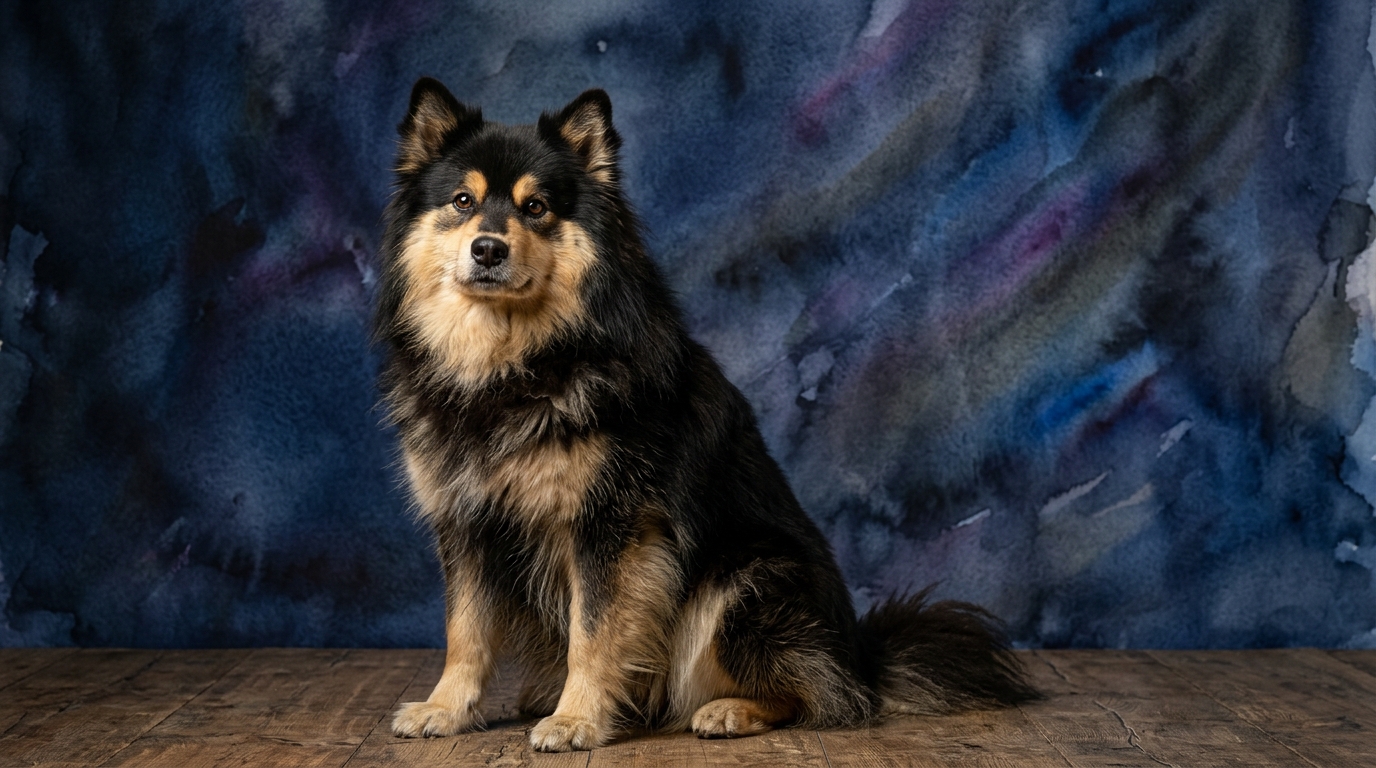
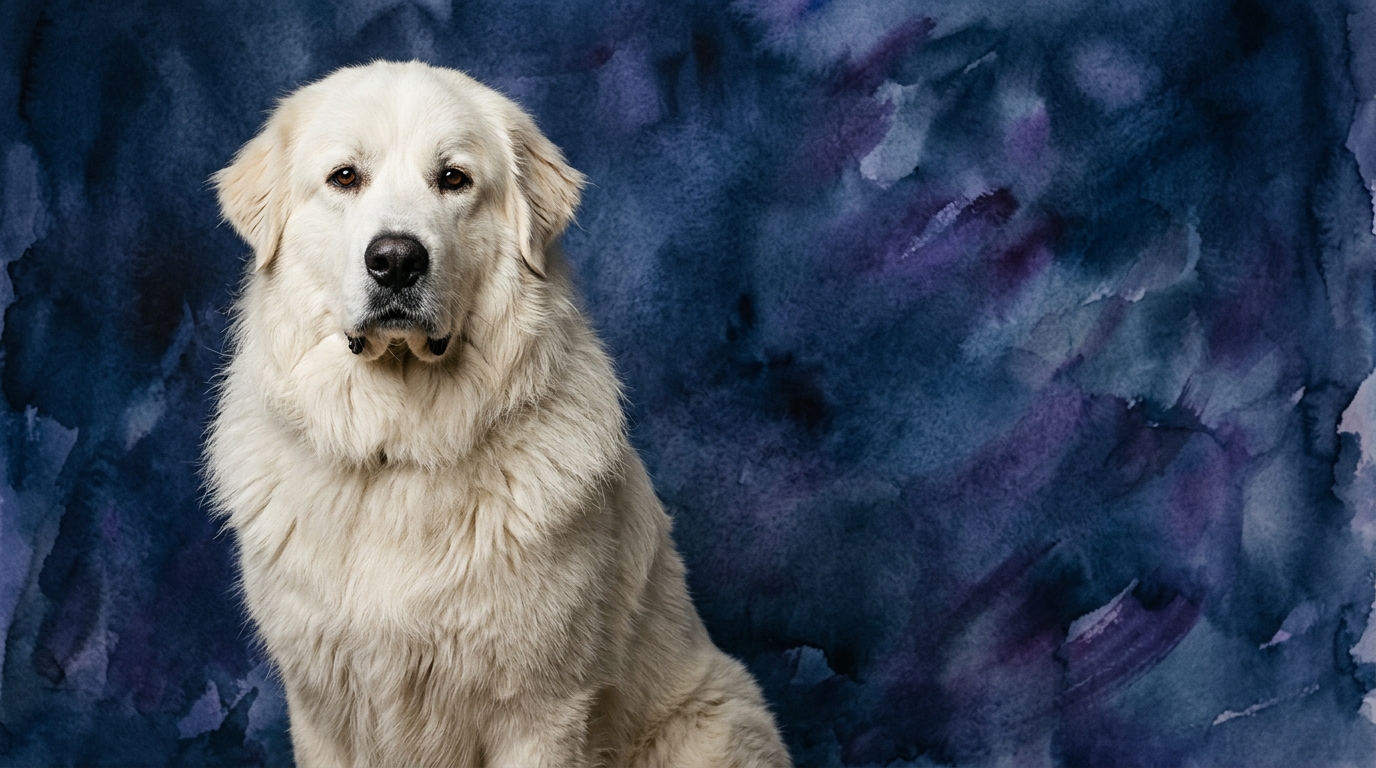
Side-by-Side IQ Profile: Lapphund vs. Pyrenees
The Cosmic Pet Pet IQ Lab assesses canine intelligence across five key dimensions, and interestingly, both the Finnish Lapphund and the Great Pyrenees score a consistent 3/5 in each. However, these identical scores belie nuanced cognitive differences rooted in their historical roles.
For the Finnish Lapphund, a Herding breed, their 3/5 in Problem Solving reflects a capacity for practical, real-world solutions, often involving maneuvering livestock or navigating varied terrain. They figure out how to gather a stray or find a lost lamb, relying on observation and learned patterns rather than complex abstract thought. Their Training Speed, also 3/5, indicates they absorb new commands at a moderate pace, particularly when tasks align with their herding instincts. Their willingness to cooperate is present, but they require consistent, positive reinforcement to solidify learning, sometimes displaying a thoughtful pause before executing. Social Intelligence, rated 3/5, centers on reading the subtle cues of their flock and handler, fostering cooperation within a working unit. They understand pack dynamics well, interacting appropriately with both humans and other animals, though they might be reserved with strangers initially. Their Instinctive Drive, a 3/5, is rooted in their herding heritage – a persistent desire to manage and protect their charges. This manifests as a moderate, controlled urge to gather and keep things together, not an overwhelming prey drive, but a focused attention on their 'flock.' Finally, their Memory (3/5) means Lapphunds possess a reliable recall for routines, learned commands, and the layout of their territory, remembering specific individuals and past interactions, which is crucial for managing a varied flock over time and adapting to seasonal changes.
The Great Pyrenees, a Working breed with a Coren rank of #64, interprets its identical 3/5 scores through the lens of a livestock guardian. Their 3/5 in Problem Solving translates to independent decision-making in guardian roles. They can assess threats, determine appropriate responses, and find solutions to protect their flock, often without direct human instruction, like finding a vulnerable spot in a fence or repositioning to deter a predator. Training Speed at 3/5 means Pyrenees learn at a moderate pace, but their independent nature often leads them to weigh commands against their own judgment of the situation. They grasp concepts, but compliance might be slower if they don't perceive the command as immediately relevant to their guardian duties or safety. Their Social Intelligence (3/5) is geared towards understanding the needs and vulnerabilities of their flock, be it sheep, goats, or human family members. They are attuned to subtle changes in their environment and the emotional states of those they guard, exhibiting patient, protective interactions. The core of their 3/5 Instinctive Drive is protection and vigilance – a deep-seated urge to survey, patrol, and deter potential threats. It's a calm, persistent watchfulness, rather than an active pursuit or gathering instinct. Lastly, their Memory (3/5) is robust for their territory, the faces of their charges and family, and the patterns of potential threats, remembering where things belong and what constitutes an anomaly, which is vital for effective, long-term guardianship.
Where the Finnish Lapphund Wins Cognitively
Despite sharing the same raw IQ scores, the Finnish Lapphund demonstrates a nuanced cognitive edge in dynamic group control and collaborative problem-solving. Their Problem Solving capacity, while rated 3/5, shines in situations requiring quick, agile responses to fluid animal movements. They excel at anticipating where a sheep might bolt or how to gently turn a group, processing multiple variables simultaneously in a fast-paced environment. This cognitive strength is distinct from the more static, observational problem-solving of a guardian breed. Their Social Intelligence, also 3/5, is inherently geared towards active collaboration with a handler, interpreting subtle hand signals and verbal cues to execute complex herding maneuvers. This partnership-oriented cognition allows for a more responsive and adaptable working style, where the Lapphund actively seeks and processes direction from a human counterpart. The Finnish Lapphund’s Instinctive Drive, while rated 3/5, is inherently focused on cooperation and task completion alongside a human, providing a cognitive framework that seeks direction and partnership in achieving goals, making them highly attuned to joint ventures and shared objectives. Their memory (3/5) serves this well, recalling specific commands and patterns of interaction vital for efficient teamwork.
Where the Great Pyrenees Wins Cognitively
The Great Pyrenees, with its 3/5 Problem Solving score, excels in independent judgment and strategic defense, a cognitive strength crucial for its guardian role. Their capacity lies in assessing threats from a distance, deciding when to bark, when to stand firm, or when to intervene without direct human input. This requires a sophisticated ability to discriminate between normal occurrences and genuine dangers, often over prolonged periods of quiet observation. Their Social Intelligence, also 3/5, is profoundly rooted in empathy and protection for their charges, allowing them to form strong, patient bonds with vulnerable animals or children and understand their needs without being explicitly told. This translates to an intuitive understanding of fragility and the need for vigilance. The Pyrenees' Memory (3/5) is particularly adept at mapping and maintaining a detailed mental blueprint of their territory and its inhabitants, remembering subtle changes or anomalies that might indicate a threat, a crucial aspect of their vigilant guardianship. Their Instinctive Drive (3/5) is a deep, internal compass guiding their protective actions, allowing them to operate effectively in solitary, remote environments where human guidance is minimal, relying on their own cognitive assessment and decision-making.
Which Is Easier to Train and Why
Comparing the training experiences, the Finnish Lapphund generally presents as more amenable to traditional obedience. Their 3/5 Training Speed is coupled with a historical role that demands close cooperation with a handler. Lapphunds are often eager to please and respond well to positive reinforcement, making them relatively straightforward to teach commands and tricks, especially those that engage their herding instincts, like 'stay' or 'come.' They thrive on structured activity and mental engagement provided by their human partners, viewing training as a collaborative effort. Their Social Intelligence (3/5) means they are actively seeking to understand and respond to human cues, making the training process a more interactive and often quicker endeavor.
The Great Pyrenees, while also rated 3/5 for Training Speed, approaches learning from a different cognitive perspective. Their deep-seated independence, a cornerstone of their guardian role, means they are not inherently driven to 'please' in the same way. A Pyrenees will learn a command, but their compliance is often contingent on whether they perceive it as logical or necessary within their own framework of duties. For instance, a 'come' command might be ignored if they believe their presence is required elsewhere for vigilance, or if they are assessing a perceived threat. Training a Pyrenees demands immense patience, consistency, and an understanding of their inherent self-reliance. They respond best to training that respects their independent nature and clearly demonstrates the utility of a command, rather than expecting unquestioning obedience. This difference isn't about their capacity to learn, but about their motivation and the cognitive filters applied to incoming information through their 3/5 Problem Solving and Instinctive Drive.
Which Suits Active Owners vs. Relaxed Owners
For owners who lead an active lifestyle and desire a canine companion to share adventures, the Finnish Lapphund is often a more fitting choice. Their 3/5 Instinctive Drive, coupled with their herding background, means they thrive on regular physical exercise and mental stimulation. They enjoy activities like hiking, agility, or even competitive obedience, where their Problem Solving and Memory (both 3/5) are continuously engaged. Lapphunds seek interaction and purpose, making them excellent partners for owners who can provide consistent engagement and varied experiences. Their Social Intelligence (3/5) extends to forming deep, interactive bonds with their human family, making them responsive companions in shared activities.
Conversely, the Great Pyrenees often aligns better with more relaxed owners, or those who appreciate a dog with a calm, watchful presence. While they require space and regular, moderate exercise, their 3/5 Instinctive Drive is primarily geared towards vigilance and protection, not high-energy pursuits. A Pyrenees is content to patrol its territory, observe its surroundings, and provide a steady, reassuring presence. They are not typically dogs that demand constant 'doing.' Their Problem Solving (3/5) is expressed in quiet observation and independent decision-making rather than active participation in strenuous games. Owners who value an independent, loyal guardian that is affectionate but not overly demanding of constant interaction will find the Pyrenees' cognitive makeup well-suited to their lifestyle, particularly their patient Social Intelligence (3/5) and reliable Memory (3/5) for their surroundings.
The Verdict
Choose Finnish Lapphund if you seek an interactive, adaptable companion for active pursuits and enjoy structured training that builds a cooperative partnership.
Choose Great Pyrenees if you value a patient, independent guardian with a calm demeanor, requiring an owner who respects their self-reliant nature and protective instincts.
🧠 Find Your Pet's IQ Score
Our Pet IQ Lab assessment covers 25+ tests across 5 cognitive dimensions — personalized to your breed.
Take the Full IQ Test →Frequently Asked Questions
Are Finnish Lapphunds good with children?
Finnish Lapphunds, with their 3/5 social intelligence, are generally gentle and tolerant with children, especially when raised with them. Their herding instincts might lead to gentle 'nipping' to gather children, which can be managed with early training and supervision.
Do Great Pyrenees need a large yard?
Yes, Great Pyrenees, due to their independent nature and 3/5 instinctive drive for patrolling, benefit greatly from a securely fenced large yard or property. This allows them to exercise their guardian instincts by surveying their territory, which is crucial for their mental well-being.
How do their problem-solving skills differ despite both being 3/5?
While both rate 3/5, the Finnish Lapphund's problem-solving focuses on dynamic, responsive herding tasks, like maneuvering livestock in cooperation with a handler. The Great Pyrenees' problem-solving centers on independent, strategic threat assessment and protection, often involving prolonged observation and decision-making without human prompting.