Side-by-Side Cognitive Profile: Lapphund vs. Wolfhound
At first glance, both the Finnish Lapphund and the Irish Wolfhound register a solid 3 out of 5 across all five cognitive dimensions in The Cosmic Pet Pet IQ Lab, suggesting a balanced and capable cognitive makeup. However, the manifestation of these scores is deeply rooted in their breed histories and inherent temperaments, painting distinct pictures of their inner workings.
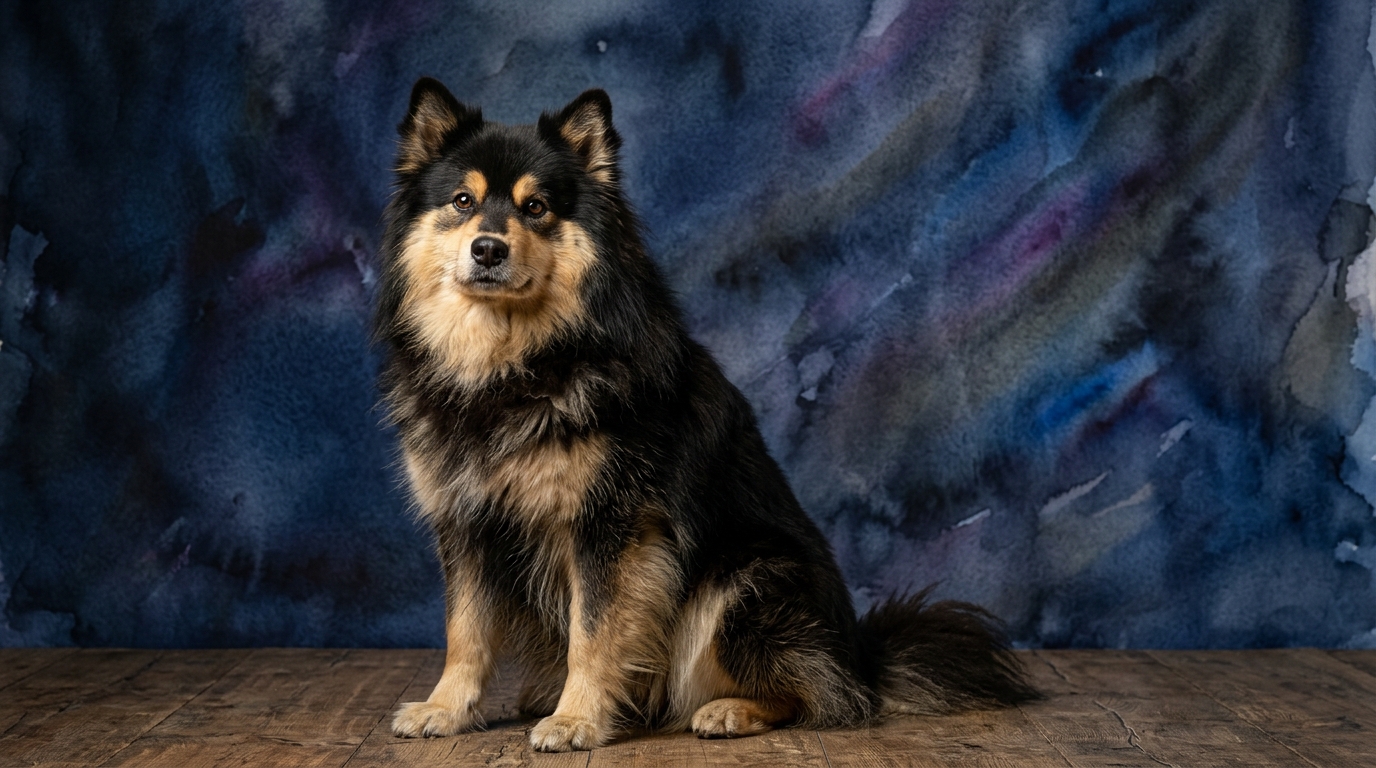
For the **Finnish Lapphund**, a northern herding dog, a Problem Solving score of 3/5 translates to practical ingenuity in dynamic environments. They excel at figuring out how to move a flock, navigate challenging terrain, or adapt to changing weather conditions. Their Training Speed at 3/5 reflects a good capacity for learning commands and routines, often eager to cooperate, though their independent herding spirit means they respond best to engaging, positive reinforcement. Social Intelligence (3/5) manifests as a keen awareness of family dynamics and human emotions, making them sensitive companions, though they can be reserved with strangers. Their Instinctive Drive (3/5) is strongly tied to herding, expressed through alertness, vocalizations, and a watchful nature. Memory (3/5) allows them to retain complex patterns, recall past training, and recognize familiar faces and places with ease.
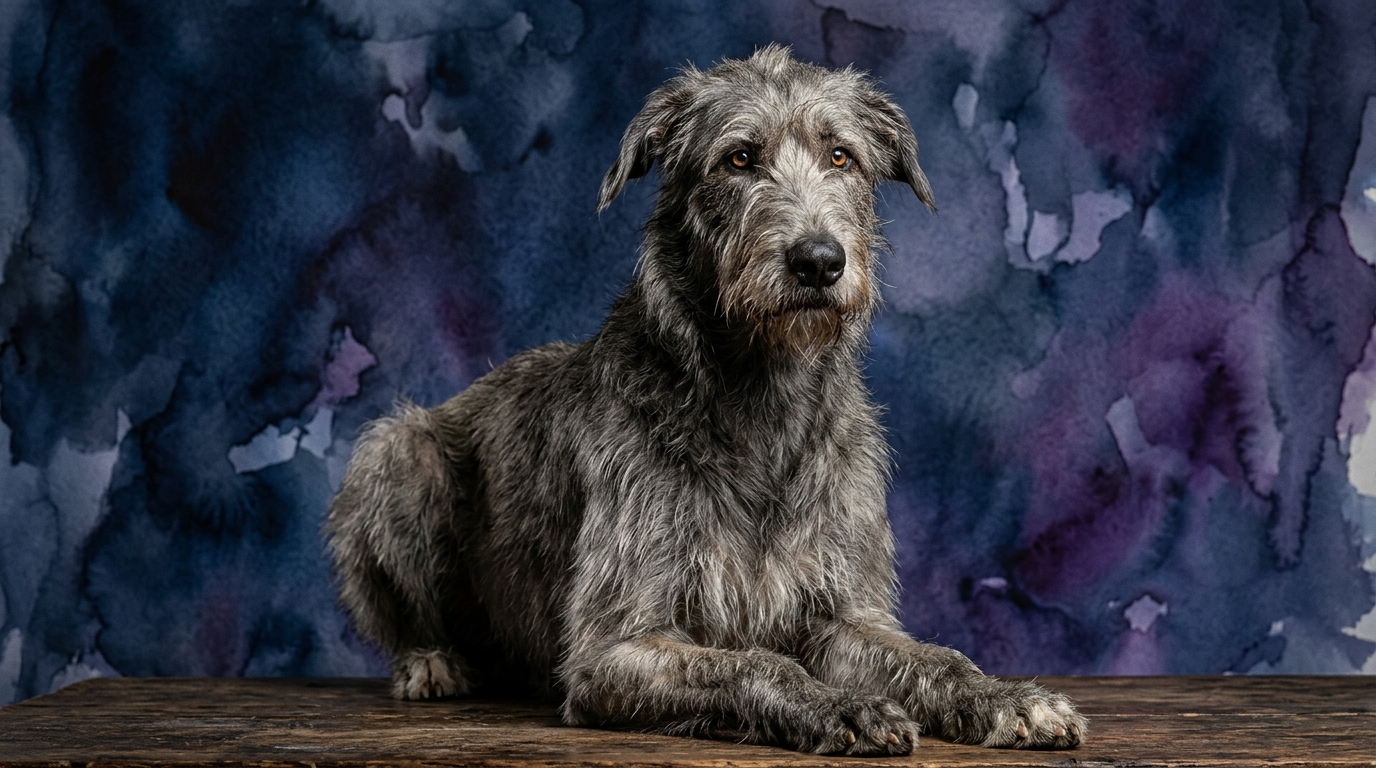
The **Irish Wolfhound**, a majestic sighthound, interprets a 3/5 in Problem Solving through a different lens. Their ingenuity often involves finding the most comfortable spot, navigating large spaces gracefully, or devising gentle strategies to gain attention. A 3/5 Training Speed indicates they are perfectly capable of learning, but their sighthound independence means they require patience, consistency, and a strong 'what's in it for me?' motivation, often learning at their own pace. Social Intelligence (3/5) in a Wolfhound is expressed as a gentle, calm demeanor, a quiet sensitivity to household moods, and a generally tolerant nature with family members, including children and other pets, without being overly demonstrative. Their Instinctive Drive (3/5) is rooted in their hunting heritage, primarily a strong prey drive for chasing, but usually in short bursts rather than sustained tracking. Memory (3/5) enables them to remember established routines, the comfort of their favorite resting places, and the kindness of their human companions, often recalling specific interactions with remarkable clarity.
Where the Finnish Lapphund Shines Cognitively
The Finnish Lapphund's cognitive strengths are deeply intertwined with their heritage as reindeer herders. Their 3/5 Problem Solving isn't just about figuring things out; it's about making quick, on-the-spot decisions in fluid situations. This translates to an impressive agility of mind, allowing them to adapt their strategy instantly based on the movement of a flock or a change in environment. Their social intelligence, while rated 3/5, is particularly adept at cooperative work; they are highly attuned to their handler's cues and intentions, making them excellent partners in activities requiring teamwork and responsiveness. This breed also exhibits a specific type of practical memory, retaining complex sequences of commands and understanding the nuances of their 'flock' (whether reindeer or human family) to anticipate needs and behaviors. Their vocal nature, stemming from their instinctive drive, also showcases a form of communicative intelligence, using different barks and 'talk' to convey specific messages about their surroundings or perceived threats.
Where the Irish Wolfhound Excels Cognitively
The Irish Wolfhound's cognitive strengths, while also rated 3/5, lean towards a more independent and observational intelligence. Their problem-solving often involves a calm, measured approach, particularly when it comes to navigating their large bodies gracefully in smaller spaces or finding optimal comfort. Unlike the Lapphund's dynamic decision-making, the Wolfhound's ingenuity might manifest as a quiet persistence in achieving a goal, such as subtly nudging a door open or patiently waiting for an opportunity. Their social intelligence, while less overtly 'eager to please' than some breeds, is characterized by a profound, gentle empathy. They are remarkably sensitive to human emotions, often offering quiet comfort without being intrusive. This breed's memory, at a 3/5, is strong for routines and comfort, recalling the layout of their home and the habits of their family with serene precision. Their instinctive drive, while powerful, is often expressed in bursts, requiring them to 'switch on' their chase instinct with incredible focus, and then 'switch off' to return to their calm, observant state, showcasing a unique form of cognitive regulation.
Training Dynamics: Which is Easier and Why?
When it comes to training, the 'easier' label is subjective and depends heavily on an owner's approach and expectations. Both breeds score 3/5 in Training Speed, indicating a moderate capacity for learning, but their motivations and inherent behaviors diverge significantly. The Finnish Lapphund, with its herding background, often possesses a strong desire to work alongside its human, making them generally more responsive to positive reinforcement and eager to learn new commands. Their cooperative nature means they often pick up on cues quickly and enjoy engaging in training sessions as a form of bonding. However, their independent streak and vocal tendencies mean consistency is key, and owners must channel their herding drive into appropriate activities rather than trying to suppress it.
The Irish Wolfhound, conversely, can present a different training challenge. Their sighthound independence means they are less inherently motivated by simply pleasing their owner. Training requires immense patience, clear communication, and a strong understanding of their 'what's in it for me?' mentality. They learn well, but often at their own pace, and can be perceived as stubborn if not properly motivated with high-value rewards and short, engaging sessions. Their immense size also necessitates early and consistent leash training and manners, as a full-grown Wolfhound pulling on a leash is a formidable force. So, while both are capable learners, the Lapphund generally offers a more collaborative and eager training experience, whereas the Wolfhound demands a more understanding, patient, and incentive-driven approach.
Activity Levels: Active Owners vs. Relaxed Owners
The ideal owner profile for these two breeds varies significantly based on activity levels and lifestyle. The Finnish Lapphund is undoubtedly suited for active owners. Their herding heritage means they thrive on mental and physical stimulation. They need regular, vigorous exercise, whether it's long hikes, agility training, herding games, or active play sessions. Without sufficient engagement, a Lapphund can become bored, potentially leading to undesirable behaviors like excessive barking or destructive chewing. They are intelligent and require their minds to be challenged regularly through puzzle toys, training, and varied experiences. They are constant companions who want to be involved in family activities.
The Irish Wolfhound, despite its imposing size, often surprises people with its relatively relaxed demeanor indoors. They are often described as 'couch potatoes' who enjoy lounging and being close to their family. However, this calm indoor presence belies a need for specific types of activity. Wolfhounds require daily opportunities for a good, vigorous run or gallop in a securely fenced area where they can stretch their long legs and reach impressive speeds. They are not built for endurance running but need intense bursts of exercise. For relaxed owners, this means appreciating quiet companionship but being prepared to provide dedicated time and space for their unique exercise needs. They are less demanding in terms of constant mental engagement, often content to observe their surroundings from a comfortable spot, but still benefit from gentle walks and new sensory experiences.
The Verdict: When to Choose Each Breed
Choosing between a Finnish Lapphund and an Irish Wolfhound comes down to aligning their specific cognitive and behavioral traits with your lifestyle and expectations.
The Verdict
Choose the Finnish Lapphund if you're an active owner seeking an engaged, cooperative, and vocal companion who thrives on mental challenges, enjoys participating in family activities, and appreciates a dog that's always ready for an adventure.
Opt for the Irish Wolfhound if you desire a gentle, calm giant, appreciate a quiet observer, are prepared to provide ample space for their occasional, intense sprints, and value a sensitive companion who offers serene presence rather than constant boisterous engagement.
🧠 Find Your Pet's IQ Score
Our Pet IQ Lab assessment covers 25+ tests across 5 cognitive dimensions — personalized to your breed.
Take the Full IQ Test →Frequently Asked Questions
Are Finnish Lapphunds good with children?
Yes, Finnish Lapphunds are generally patient and playful with children, making them excellent family pets. Their herding instinct might lead to gentle 'nipping' at heels, which can be managed effectively with early training and redirection.
Do Irish Wolfhounds need a lot of exercise?
While their size suggests high energy, Irish Wolfhounds are not typically high-endurance dogs. They require daily opportunities for a good run or gallop in a secure area to stretch their legs, but are often content to relax indoors afterward, making them 'sprint and snooze' companions.
Which breed is more vocal?
Finnish Lapphunds are known for being quite vocal, using a variety of barks and 'talk' to communicate with their family and alert to their surroundings. Irish Wolfhounds, in contrast, are generally much quieter dogs, typically barking only occasionally as a warning or in response to specific stimuli.