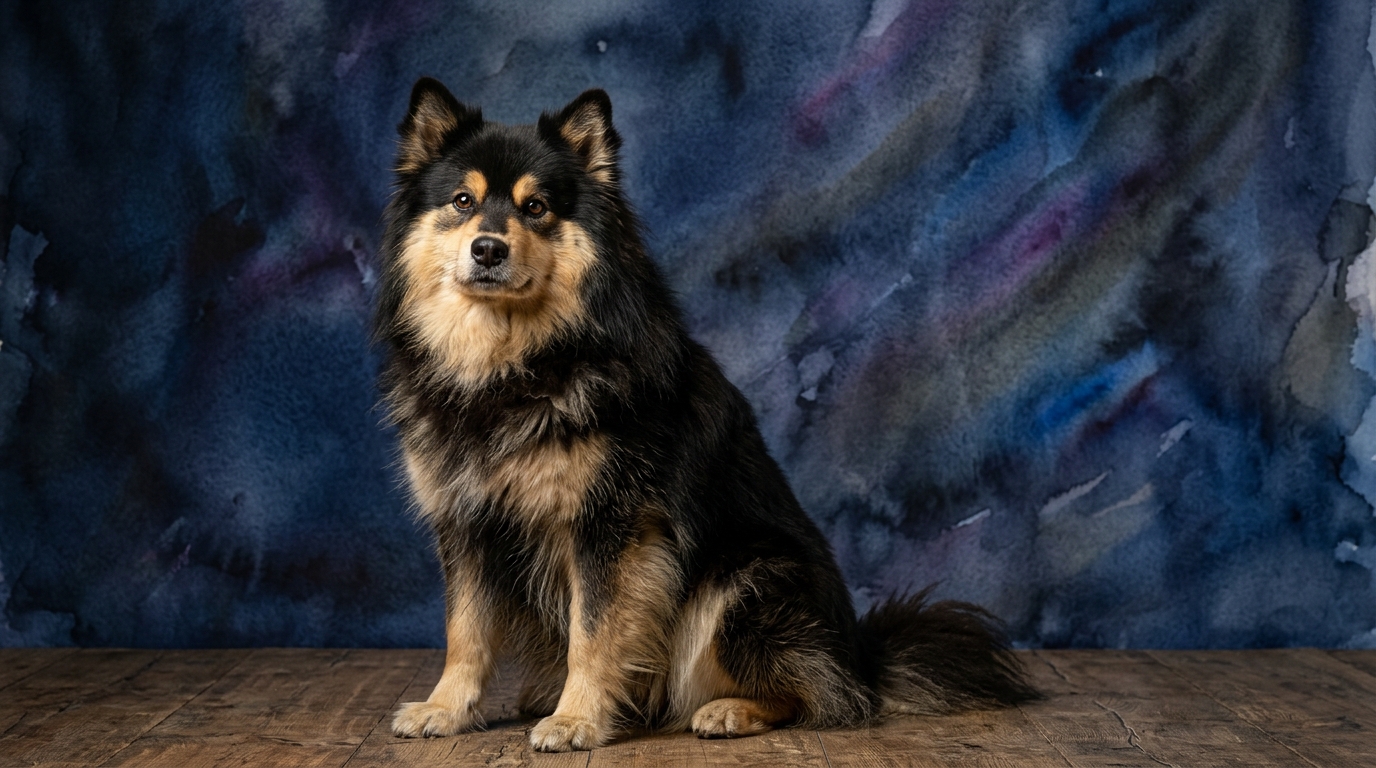
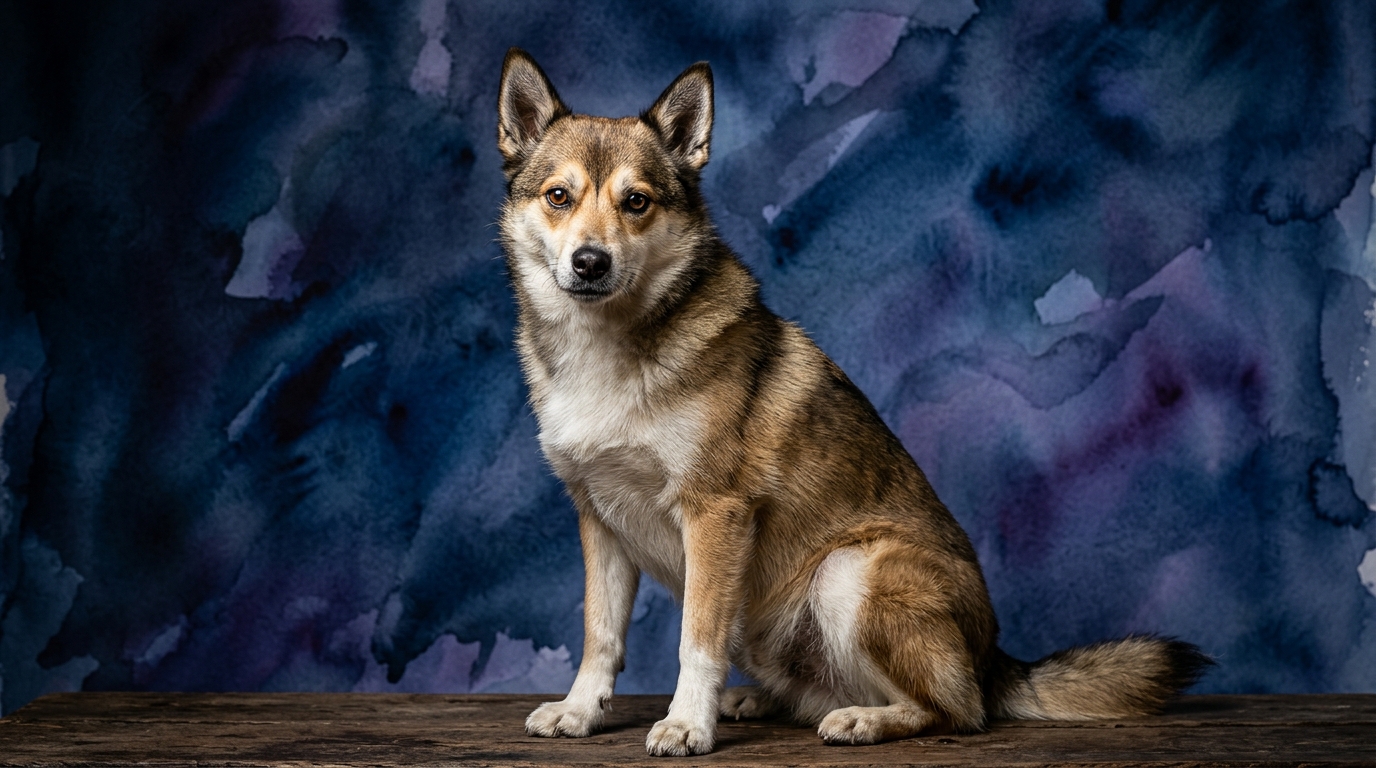
Side-by-Side IQ Profile: Nordic Minds Unpacked
At first glance, the Cosmic Pet Pet IQ Lab scores for the Finnish Lapphund and the Norwegian Lundehund present an identical picture, with both breeds registering a consistent 3/5 across all five cognitive dimensions: Problem Solving, Training Speed, Social Intelligence, Instinctive Drive, and Memory. This uniform scoring doesn't suggest a lack of cognitive prowess, but rather indicates a well-rounded, functional intelligence suitable for their distinct historical purposes, a testament to balanced adaptability rather than specialized brilliance in a single area.
For the Finnish Lapphund, a breed steeped in centuries of herding reindeer in the vast, often harsh landscapes of Lapland, these 3/5 scores reflect a highly collaborative and adaptable mind. Their Problem Solving manifests in navigating complex terrain and anticipating herd movements, while their Training Speed is underpinned by a strong desire to work in partnership with their human handlers. Social Intelligence is paramount for managing livestock and interacting within a close-knit family, and their Instinctive Drive is channeled into controlled herding and guardianship. Their Memory is crucial for recalling commands, routes, and the nuances of flock behavior over extended periods.
The Norwegian Lundehund, a unique breed developed for hunting puffins on treacherous coastal cliffs, applies its identical 3/5 cognitive scores in a markedly different way. Their Problem Solving is keenly focused on independent navigation of precarious environments, squeezing into tight crevices, and locating hidden nests, often requiring unique physical adaptations like extra toes and flexible joints that complement their mental agility. Their Training Speed, while capable, is often influenced by an innate self-reliance, meaning they learn best when the purpose aligns with their independent spirit. Social Intelligence extends to an acute awareness of their physical surroundings rather than just human interaction, while their Instinctive Drive is a powerful, self-directed urge to explore and hunt. Memory is vital for recalling intricate cliff paths and the precise locations of their quarry.
Where the Finnish Lapphund Excels Cognitively
While both breeds share a 3/5 Social Intelligence score, the Finnish Lapphund's cognitive strength particularly shines in collaborative and communicative contexts. Their history as a herding dog has honed their ability to read human intentions and subtle cues, making them exceptionally adept at working alongside people. This specific application of their social intelligence, combined with their 3/5 Training Speed and Problem Solving, allows them to excel in situations demanding team effort and nuanced understanding of social dynamics, whether managing a flock or engaging with a family.
Furthermore, the Lapphund's 3/5 Instinctive Drive is channeled into cooperative tasks, making them particularly skilled at anticipating needs and maintaining order within a group. Their memory supports this by allowing them to quickly recall complex commands and established routines, enabling them to be proactive and responsive companions. This blend of attributes makes the Finnish Lapphund a master of social navigation and partnership, allowing them to apply their cognitive abilities in ways that prioritize harmonious interaction and shared goals.
Where the Norwegian Lundehund Shows Unique Cognitive Strengths
The Norwegian Lundehund’s 3/5 Problem Solving and Instinctive Drive are uniquely tailored for independent, environmental challenges. Their ancestral role as solitary puffin hunters on rugged coastlines fostered an exceptional capacity for spatial reasoning and self-directed ingenuity. This isn't about following a human lead, but about independently assessing and overcoming physical obstacles, often leveraging their unique anatomical features as cognitive tools to navigate treacherous terrain and find hidden prey. Their memory is particularly strong for recalling intricate routes and specific locations.
Their 3/5 Training Speed, though seemingly average, reflects a mind that often learns through self-discovery and environmental interaction rather than direct instruction, making them incredibly resourceful. This translates into a dog that excels at figuring things out on its own, a distinct advantage in specific, challenging outdoor scenarios. The Lundehund's social intelligence, while present with humans, is also acutely tuned to their physical surroundings, allowing them to interpret subtle cues from terrain, weather, and potential prey with remarkable precision, showcasing a specialized environmental cognition.
Training Dynamics: Collaborative vs. Independent Learners
When it comes to training, the Finnish Lapphund is generally perceived as more straightforward due to its herding heritage. Their 3/5 Training Speed is significantly enhanced by a strong desire to cooperate and work *with* their handler, a direct outcome of their well-developed social intelligence. They respond positively to clear, consistent commands and positive reinforcement, thriving on the partnership aspect of training. Their memory helps them retain a wide array of commands, and their problem-solving skills are often applied to understanding and fulfilling their human's expectations.
The Norwegian Lundehund, while possessing the same 3/5 Training Speed, can present a different training experience due to its independent and resourceful nature. Their problem-solving is intrinsically geared towards self-sufficiency, which means they might occasionally question commands or seek alternative solutions if they perceive a more efficient path. Training requires patience, creativity, and a deep understanding of their innate drive for exploration and self-determination. They learn effectively, but often require motivation that appeals to their independent spirit, making consistency and clear, engaging methods crucial.
Lifestyle Suitability: Active Companions vs. Independent Explorers
Finnish Lapphunds are ideally suited for active owners who seek a highly engaged and participatory companion. Their 3/5 Instinctive Drive for herding translates into a need for consistent mental and physical stimulation that involves interaction and shared activities. They thrive on structured activities such as obedience, agility, hiking, or even herding-inspired games, where their social intelligence, problem-solving, and memory are continuously engaged. These dogs genuinely enjoy being active participants in their family's daily life, forging strong, communicative bonds.
Norwegian Lundehunds also require active owners, but those who appreciate and can manage a distinct independent streak. Their 3/5 Instinctive Drive for exploration and physical problem-solving means they need ample opportunities to investigate and navigate complex environments. They enjoy long walks, hikes, and puzzle toys, but an owner must understand that a Lundehund might prefer to independently follow a scent trail or explore a new area rather than strictly adhere to a heel. Owners must provide structured outlets for these unique drives, allowing them to engage their specialized cognitive strengths.
The Verdict
Opt for the Finnish Lapphund if you desire a highly communicative, cooperative companion eager to participate in family life and joint activities, valuing a strong human-canine partnership.
Select the Norwegian Lundehund if you appreciate a clever, independent explorer who excels at self-directed problem-solving and thrives on physical challenges, provided you can offer patient, consistent guidance.
🧠 Find Your Pet's IQ Score
Our Pet IQ Lab assessment covers 25+ tests across 5 cognitive dimensions — personalized to your breed.
Take the Full IQ Test →Frequently Asked Questions
Do Finnish Lapphunds bark a lot?
Finnish Lapphunds can be vocal, using barks to communicate, especially in their traditional herding role or when alerting their family. Their social intelligence means they're often trying to tell you something, but consistent training can help manage excessive barking.
Are Norwegian Lundehunds good with children?
Norwegian Lundehunds are generally good with respectful children, often displaying their playful and curious nature. Their independent streak means they appreciate their space, so supervision is important to ensure positive interactions for both dog and child.
What kind of mental stimulation do these breeds need?
Both breeds benefit from mental stimulation. Finnish Lapphunds thrive on interactive games, obedience training, and learning new tricks that engage their cooperative nature. Norwegian Lundehunds enjoy puzzle toys, scent work, and opportunities to explore varied environments, satisfying their independent problem-solving drives.