Side-by-Side Cognitive Profiles: Decoding the '3/5'
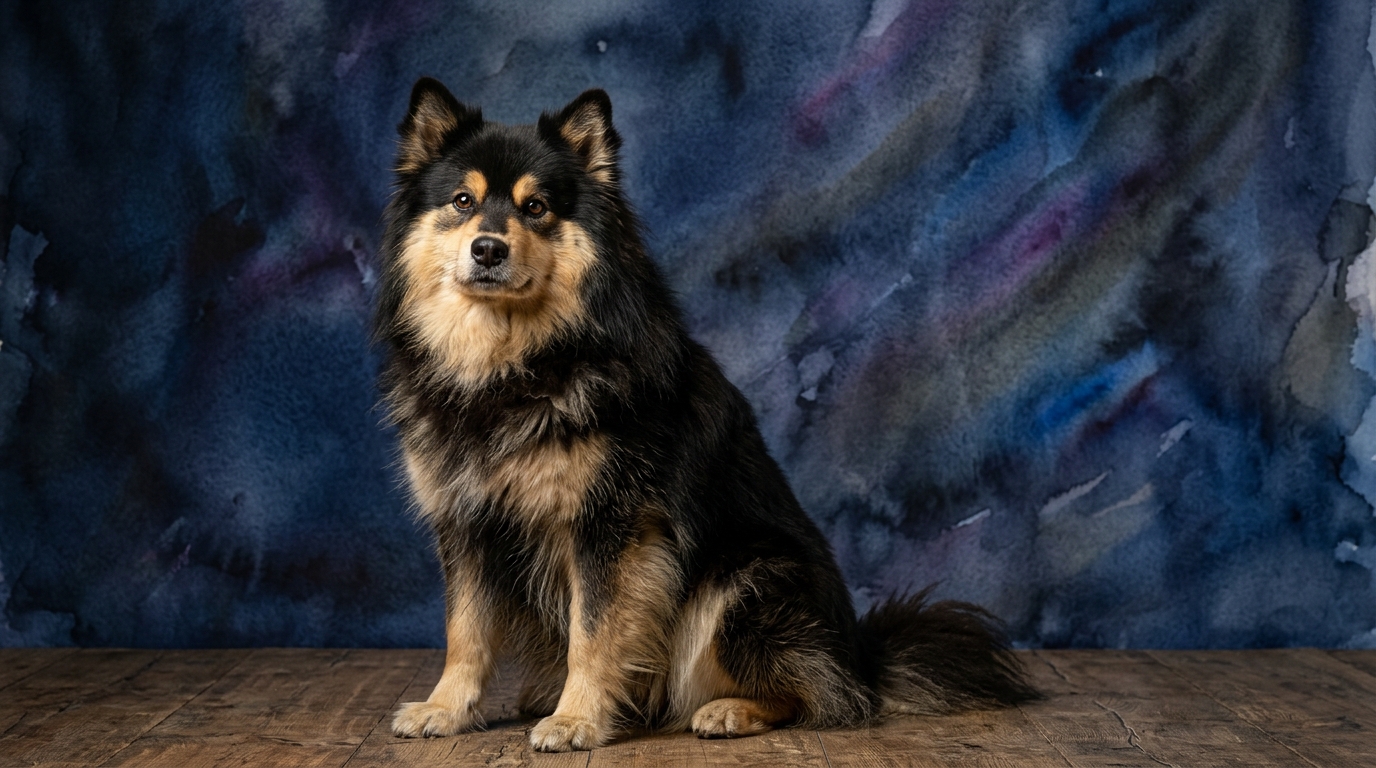
Both the Finnish Lapphund and the Tibetan Spaniel register a consistent 3/5 across The Cosmic Pet Pet IQ Lab's five cognitive dimensions. However, this numerical equality belies distinct underlying expressions shaped by their ancestral roles. For the Finnish Lapphund, a breed honed for herding reindeer in challenging Arctic conditions, a '3/5' in problem-solving often translates to resourceful navigation of terrain and independent decision-making when managing livestock, assessing environmental cues to protect its flock. Its training speed at 3/5 reflects an ability to learn complex herding commands and routines, though often with a thoughtful, independent streak that requires patient, engaging methods rather than rote repetition. Social intelligence, also 3/5, manifests in its capacity to read subtle cues from both herd animals and human handlers, maintaining a cooperative yet assertive presence. An instinctive drive of 3/5 clearly points to its innate herding behaviors, including a keen awareness of its surroundings and a desire to keep its 'pack' together. Finally, its memory at 3/5 means a reliable recall of learned tasks, routes, and past interactions, crucial for a working animal.
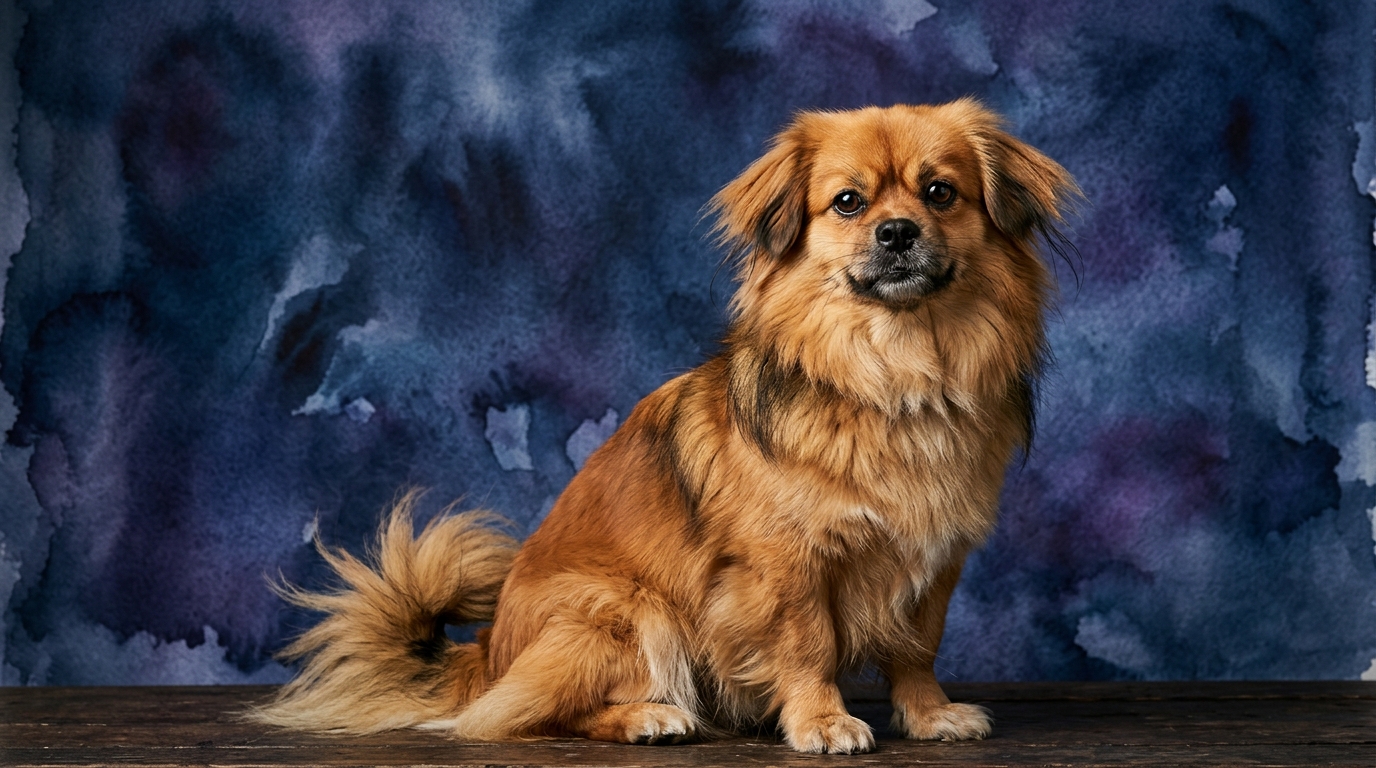
The Tibetan Spaniel, conversely, developed as a companion and alert dog within Tibetan monasteries, where its role was to warn of approaching strangers and offer affectionate companionship. For this breed, a '3/5' in problem-solving typically involves navigating complex household social dynamics or devising clever ways to gain attention or preferred resting spots, utilizing its keen observation skills. Its training speed, also 3/5, implies a capacity for learning basic obedience and tricks with consistency, though its companion-oriented nature means it often learns best when rewards are highly motivating and the training feels like a shared activity, rather than a demanding task. Social intelligence at 3/5 shines in its exceptional ability to read human emotions and intentions within the family unit, often forming deep bonds and offering comfort. An instinctive drive of 3/5 in the Tibetan Spaniel is rooted in its historical role as a vigilant sentinel, showing a strong propensity to alert its family to novel sounds or sights, and a deep-seated desire for close companionship. Its memory, also 3/5, allows it to remember routines, favored people, and past social interactions with remarkable accuracy, contributing to its consistent demeanor.
Where the Finnish Lapphund Excels Cognitively
The Finnish Lapphund's cognitive strengths, while numerically similar to the Tibetan Spaniel, are distinctly geared towards practical, outdoor problem-solving and independent decision-making. Its 3/5 problem-solving score is particularly evident in its capacity to adapt to dynamic, unpredictable environments. Imagine a Lapphund assessing a changing landscape, deciding the best route to move a group of sheep, or figuring out how to retrieve a stray without direct human instruction in real-time. This isn't just about following commands; it's about applying learned principles to novel situations autonomously, a hallmark of its herding heritage. Furthermore, its instinctive drive at 3/5, while present in both breeds, is channeled into a functional, task-oriented focus. This drive empowers it to maintain focus on a job, whether it's tracking scents, navigating obstacles, or engaging in prolonged outdoor activities, showcasing a robust mental stamina that is less about human interaction and more about environmental engagement.
Where the Tibetan Spaniel Excels Cognitively
The Tibetan Spaniel's cognitive prowess truly shines in the realm of social and domestic intelligence, demonstrating a nuanced understanding of its human family. Its 3/5 problem-solving ability often manifests as a subtle mastery of household routines and social dynamics. A Tibetan Spaniel might 'figure out' the best time to solicit a walk, or how to subtly nudge a family member for attention, demonstrating a finely tuned understanding of cause and effect within a human-centric world. Its social intelligence, also 3/5, is particularly refined, allowing it to act as a sensitive barometer of household moods. This breed excels at reading minute facial expressions and body language, often positioning itself to offer comfort or simply observing from a vantage point, absorbing and responding to the emotional landscape of its home. This deep-seated perceptiveness, honed over centuries as a cherished companion, allows it to integrate seamlessly into family life, often anticipating needs before they are overtly expressed.
Training Dynamics: Finnish Lapphund vs. Tibetan Spaniel
While both breeds hold a 3/5 in training speed, the 'how' of their learning differs significantly, impacting the training experience. The Finnish Lapphund, with its herding background, often responds well to training that feels like a shared task or a puzzle to be solved. They can absorb complex sequences and commands, but their independent streak means they thrive on positive reinforcement, clear communication, and a trainer who respects their thoughtful nature. Repetitive, drill-like training without a perceived purpose may lead to disengagement, as they prefer to understand the 'why' behind an action. Their memory at 3/5 ensures that once they grasp a concept, it tends to stick, making them reliable once motivated. Conversely, the Tibetan Spaniel's 3/5 training speed is often tied to its desire for companionship and rewards. They can learn quickly, particularly when training is made fun and highly rewarding, often valuing praise and treats. However, their independent and sometimes opinionated nature means they can be selective about what they choose to obey, especially if they don't see the immediate benefit or if the request conflicts with their comfort. Training a Tibetan Spaniel requires patience, consistency, and a strong, positive relationship, leveraging their social intelligence to make learning a bonding experience rather than a command performance. They might learn quickly but also decide quickly if a command is worth their effort.
Lifestyle Match: Active Engagement vs. Relaxed Companionship
Choosing between these breeds often comes down to the owner's lifestyle and their preferred level of daily engagement. The Finnish Lapphund, with its history of working in expansive, often cold environments, requires an owner who can provide ample mental and physical stimulation. Its 3/5 instinctive drive means it thrives on activities that tap into its herding instincts, such as agility, obedience, tracking, or simply long, varied walks and opportunities to explore. An active owner who enjoys outdoor adventures and can commit to consistent training and engagement will find the Lapphund a fulfilling companion, as their cognitive abilities are best expressed when given a 'job' to do. This breed is not content to simply lounge; its intelligence is geared towards purposeful action and interaction with its environment. Owners who lead a more relaxed or sedentary lifestyle might find it challenging to meet the Lapphund's inherent needs, potentially leading to boredom and unwanted behaviors.
The Tibetan Spaniel, while also needing daily exercise and mental engagement, is generally better suited to a more relaxed or adaptable owner. Its cognitive strengths are geared more towards social interaction and observation within the home. While they enjoy walks and playtime, their exercise needs are typically moderate, and they are quite content to be a vigilant companion on the sofa, as long as they feel included and engaged with their family. Their 3/5 social intelligence makes them excellent at adapting to various household rhythms, provided they receive consistent affection and mental puzzles or games to keep their minds sharp. An owner seeking a devoted, perceptive companion who is happy to share a comfortable home life, but also enjoys short bursts of play and walks, would find the Tibetan Spaniel an excellent match. They are less about sustained outdoor activity and more about being an integral, observant part of the family unit.
The Verdict
Choose the Finnish Lapphund if you are an active, outdoor-loving individual or family seeking a thoughtful, independently capable canine partner for adventures and engaging activities, appreciating a dog that thrives on purpose.
Opt for the Tibetan Spaniel if you desire a perceptive, devoted, and adaptable companion who excels in social dynamics and prefers a lifestyle centered around home and family, offering subtle vigilance and deep emotional connection.
🧠 Find Your Pet's IQ Score
Our Pet IQ Lab assessment covers 25+ tests across 5 cognitive dimensions — personalized to your breed.
Take the Full IQ Test →Frequently Asked Questions
Do Finnish Lapphunds require a lot of mental stimulation?
Yes, Finnish Lapphunds possess a 3/5 problem-solving ability and a strong instinctive drive, meaning they thrive on regular mental challenges. Activities like puzzle toys, obedience training, agility, or even trick training are essential to keep their minds engaged and prevent boredom-related behaviors.
Are Tibetan Spaniels difficult to train due to their independence?
While Tibetan Spaniels have a 3/5 training speed and an independent streak, they are not inherently difficult. They respond best to consistent, positive reinforcement training that makes learning fun and rewarding, leveraging their social intelligence and desire for companionship to build a strong working relationship.
Which breed is better with children?
Both breeds can be good with children when properly socialized and raised, but their approaches differ. The Finnish Lapphund's herding instincts might lead it to 'herd' children, while the Tibetan Spaniel's social intelligence makes it generally gentle and observant, often preferring to be part of family activities from a comfortable perch.