Side-by-Side IQ Profile: Flat-Coated Retriever vs. Glen of Imaal Terrier
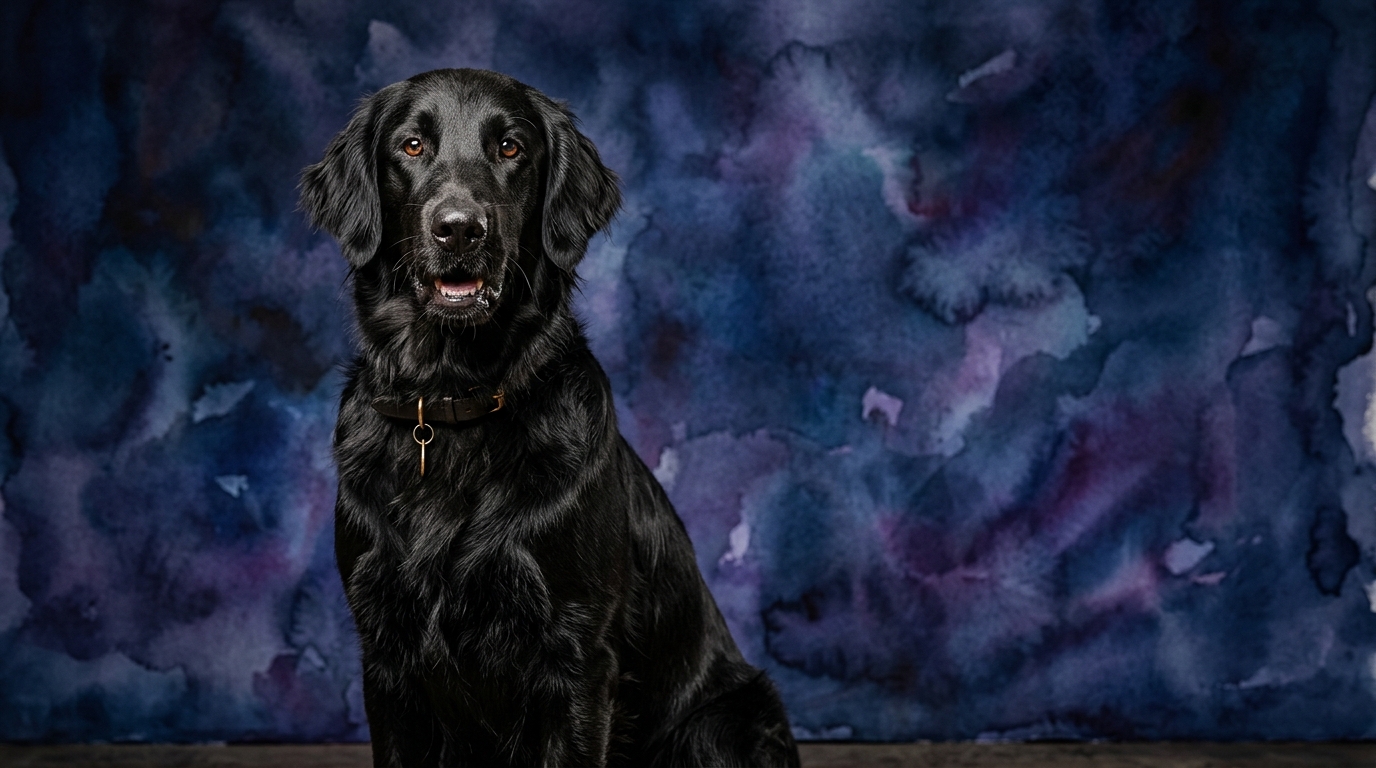
The Flat-Coated Retriever, a member of the Sporting Group, registers at Coren rank #17, indicating a relatively strong capacity for understanding new commands quickly and obeying them reliably. Its cognitive profile includes Problem Solving at 4/5, suggesting a good ability to navigate novel situations and figure out solutions, particularly when working collaboratively. Training Speed is also 4/5, meaning these dogs typically grasp new tasks with fewer repetitions. Social Intelligence is rated 3/5, reflecting a balanced capacity to read human cues and integrate into family dynamics, while Instinctive Drive is 3/5, acknowledging their natural retrieving instincts. A standout feature is their Memory at 5/5, indicating an exceptional ability to recall learned commands, routines, and specific locations over extended periods, making them highly receptive to complex training sequences.
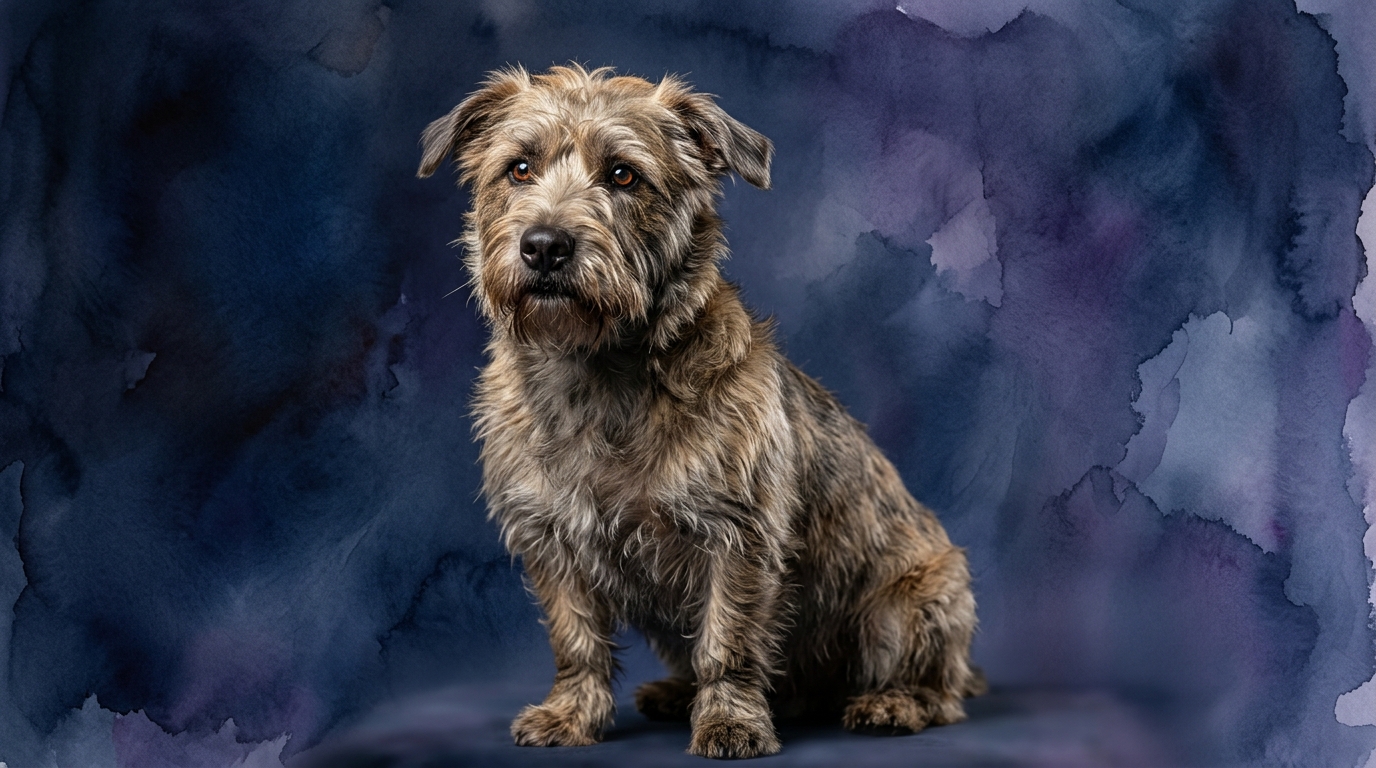
In contrast, the Glen of Imaal Terrier, a Terrier Group member, is not Coren-ranked, suggesting its intelligence manifests differently than breeds primarily selected for obedience. Its Problem Solving score is 3/5, indicating a capacity for independent thought and finding solutions, often driven by its terrier tenacity, though perhaps less inclined to seek human guidance for every puzzle. Training Speed is 3/5, meaning they are capable of learning but may require more patience and creative motivation due to their independent nature. Social Intelligence is 3/5, similar to the Flat-Coat, showing they can connect with their families, though their terrier spirit might lead to a more assertive communication style. Instinctive Drive is 3/5, reflecting their strong prey drive and desire to dig or hunt. Their Memory is 3/5, signifying a sufficient ability to retain essential commands and routines, though complex, multi-step tasks might require more repetition than for a Flat-Coat.
Where the Flat-Coated Retriever Excels Cognitively
The Flat-Coated Retriever's standout cognitive strength lies in its exceptional memory, scoring a perfect 5/5. This isn't merely about remembering where the treat jar is; it's about retaining complex sequences of commands, recalling specific scent trails during retrieving tasks, and remembering numerous individuals and their interactions. This superior recall allows them to build a vast repertoire of learned behaviors and makes them highly reliable in tasks requiring sequential execution. Coupled with a 4/5 in Problem Solving, Flat-Coats demonstrate a proactive curiosity, often attempting to figure out new challenges, especially when those challenges involve working alongside their human companions. Their 4/5 Training Speed further highlights their eagerness to learn and their capacity to quickly internalize new instructions, making them highly adaptable to various training disciplines, from obedience to agility.
Where the Glen of Imaal Terrier Shows its Cognitive Prowess
While the Flat-Coated Retriever excels in cooperative tasks, the Glen of Imaal Terrier shines in a different cognitive arena: independent, persistent problem-solving, particularly when driven by its instinctive urges. Its 3/5 problem-solving score, while numerically lower, reflects a breed that thinks for itself in pursuit of a goal, often requiring tenacity to overcome obstacles rather than seeking human direction. This isn't a deficiency; it’s a reflection of their historical role as solitary hunters, where self-reliance was paramount. Their 3/5 Instinctive Drive fuels this independence, meaning they are adept at tasks requiring focused determination, like scent work or navigating complex environments to reach a perceived reward. They might not be as quick to follow a new command, but once motivated, their focus and persistence in solving a self-directed problem can be formidable.
Training Ease: A Tale of Two Temperaments
Training ease starkly differentiates these two breeds. The Flat-Coated Retriever, with its 4/5 training speed and 5/5 memory, is typically a highly responsive and eager student. They quickly grasp new commands and retain them, often thriving on positive reinforcement and consistent guidance. Their strong social intelligence (3/5) also means they are generally keen to work with their human companions, enjoying the collaborative aspect of training. This makes them suitable for advanced obedience, dog sports, and even assistance work, where complex, reliable behaviors are essential.
Conversely, the Glen of Imaal Terrier, with a 3/5 training speed, demands a more patient and understanding approach. Their historical role as independent hunters means they are wired to make their own decisions rather than constantly deferring to human instruction. While capable of learning, their training can feel like a negotiation, requiring creative motivation and a firm but fair hand to overcome their inherent independence and focus on self-directed tasks. They might test boundaries more frequently, and trainers will need to understand that their 'stubbornness' is often a manifestation of their problem-solving mind trying to find its own way, rather than outright defiance.
Lifestyle Suitability: Active Partners vs. Independent Companions
The Flat-Coated Retriever is an excellent match for active owners who desire a highly engaged and cooperative canine partner. Their cognitive profile, marked by high memory and training speed, means they thrive on consistent mental stimulation through training, puzzles, and engaging activities like retrieving, hiking, or dog sports. Their social intelligence ensures they integrate well into family life and enjoy being at the center of attention, making them ideal for owners who want a dog deeply involved in their daily routines. They require significant exercise and interaction to prevent boredom, which can lead to undesirable behaviors.
The Glen of Imaal Terrier suits owners who appreciate a more independent and spirited companion. While they benefit from regular exercise and mental engagement, their cognitive makeup suggests they are less reliant on constant human direction for entertainment. They are content with exploring their surroundings and engaging in self-directed activities, though they still cherish family bonds. Owners must be prepared for their inherent terrier traits, such as digging or a strong prey drive, and channel these instincts appropriately. They are perhaps better suited for owners who enjoy a dog with a distinct personality and are willing to adapt their training and lifestyle to accommodate a more self-reliant canine.
The Verdict
Choose the Flat-Coated Retriever if you seek a highly trainable, eager-to-please, and exceptionally memorable companion for active, cooperative endeavors and integrated family life.
Opt for the Glen of Imaal Terrier if you appreciate an independent, persistent problem-solver who offers a unique blend of tenacity and affection, thriving with owners who respect their self-reliant nature.
🧠 Find Your Pet's IQ Score
Our Pet IQ Lab assessment covers 25+ tests across 5 cognitive dimensions — personalized to your breed.
Take the Full IQ Test →Frequently Asked Questions
Is the Flat-Coated Retriever good with children?
Yes, Flat-Coated Retrievers generally possess a balanced social intelligence and a playful, gentle demeanor, making them typically good companions for children, especially when properly socialized and trained.
Do Glen of Imaal Terriers require a lot of grooming?
Glen of Imaal Terriers have a double coat that requires moderate grooming. Regular brushing a few times a week and hand-stripping a few times a year are typically sufficient to keep their coat healthy and tidy.
Which breed is better for first-time dog owners?
The Flat-Coated Retriever's higher training speed and eagerness to please often make it a more manageable choice for first-time dog owners who are committed to providing consistent training and activity. The Glen of Imaal Terrier's independent streak might present more of a challenge for novices.