Side-by-Side Cognitive Profiles: Decoding the Numbers
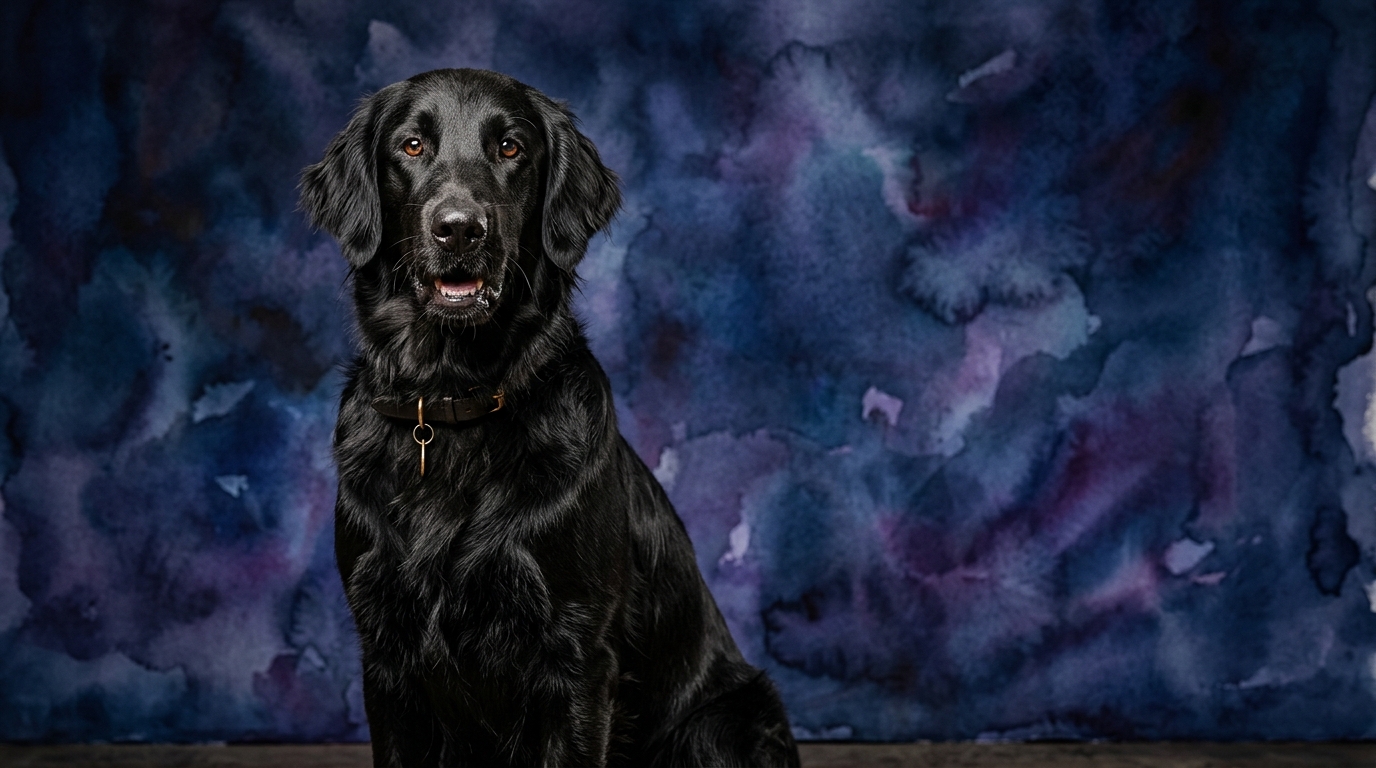
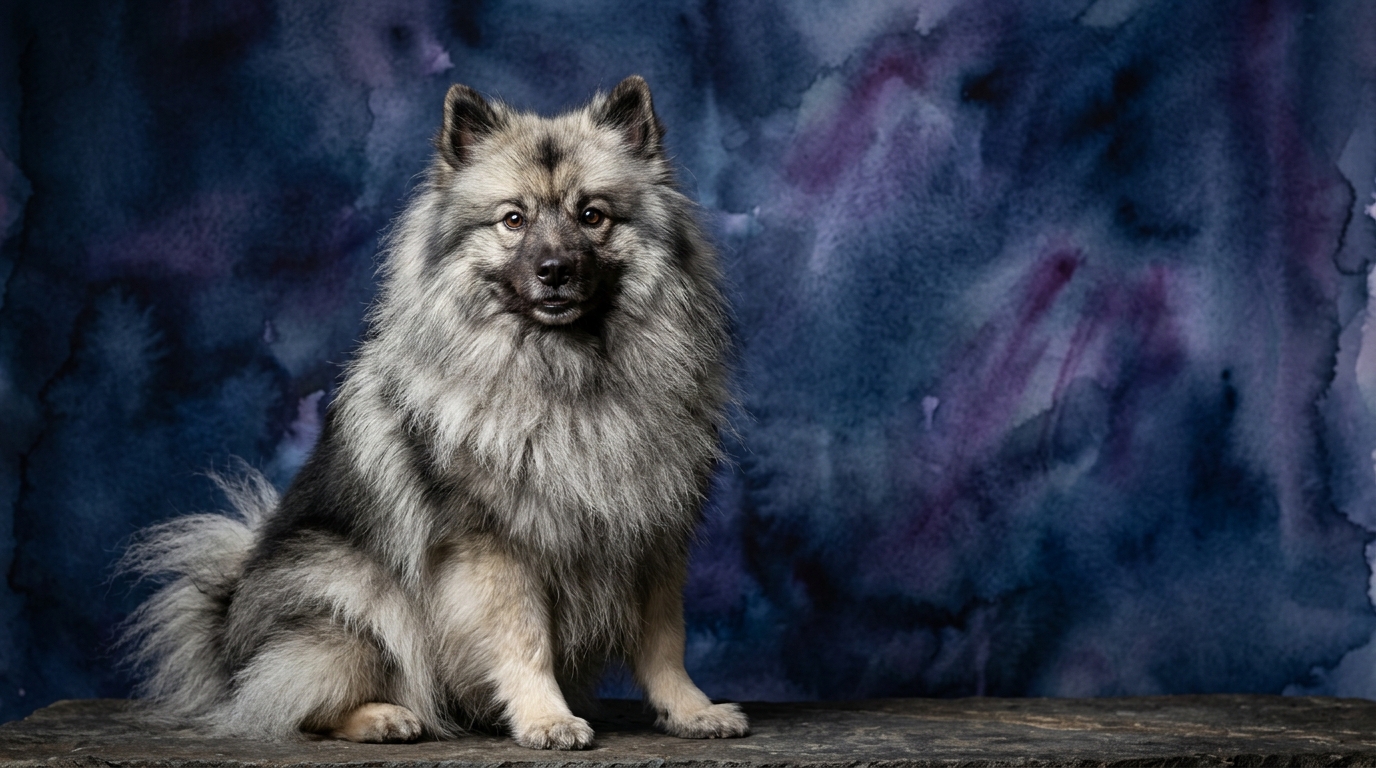
The Cosmic Pet Pet IQ Lab data presents a striking similarity between the Flat-Coated Retriever and the Keeshond, with both breeds registering identical scores across five key cognitive dimensions. The Flat-Coated Retriever, a member of the Sporting Group, holds a Coren rank of #17, while the Non-Sporting Keeshond is just one position ahead at #16, indicating a nearly equivalent capacity for working and obedience intelligence.
Delving into the specific IQ metrics, both breeds demonstrate a Problem Solving score of 4/5, suggesting a robust ability to navigate novel situations and figure out solutions. Their Training Speed also stands at an impressive 4/5, meaning both are generally quick to grasp new commands and routines. Social Intelligence is rated 3/5 for both, indicating a moderate capacity to understand and respond to social cues from humans and other animals.
The Instinctive Drive for both breeds is measured at 3/5, reflecting a balanced, moderate expression of their inherent breed-specific behaviors, rather than an overwhelming or negligible urge. Finally, both the Flat-Coated Retriever and the Keeshond exhibit an exceptional Memory score of 5/5, highlighting their strong capacity to retain information, commands, and experiences over time. These identical numerical profiles challenge us to look beyond raw scores and consider how these strengths manifest in their unique breed contexts and daily lives.
Where the Flat-Coated Retriever's Cognition Shines
Despite sharing identical IQ scores, the Flat-Coated Retriever's cognitive strengths are particularly tailored to its heritage as a gundog, thriving in environments that demand sustained focus and physical exertion. Their 4/5 Problem Solving ability, combined with a perfect 5/5 Memory, allows them to excel at complex retrieving tasks, such as marking multiple fallen birds and remembering their locations amidst varied terrain and distractions. This isn't just about simple recall; it involves strategic planning and execution in dynamic outdoor settings.
The Flat-Coat's 3/5 Instinctive Drive, while moderate, is channeled specifically into retrieving and working collaboratively with a handler, making them highly motivated for tasks that involve carrying and returning objects. Their 4/5 Training Speed means they not only learn commands quickly but also integrate sequences of commands into fluid, purposeful actions, essential for field trials or competitive obedience. The joy they derive from working translates into an eagerness to engage mentally and physically, making their learning process highly rewarding for both dog and owner.
Their Social Intelligence of 3/5 is often expressed in their cooperative nature, allowing them to form strong working partnerships. They are adept at reading their handler's body language and subtle cues, adapting their behavior to achieve a shared goal. This makes them particularly adept in activities requiring synchronized effort, demonstrating a practical application of their cognitive strengths in a partnership context.
Where the Keeshond's Cognition Excels
The Keeshond, historically a companion and watchdog on Dutch barges, applies its identical cognitive scores in ways that underscore its role as an attentive family member and alert guardian. Their 4/5 Problem Solving capability often manifests in their keen awareness of their surroundings and their ability to discern unusual sights or sounds, making them excellent, non-aggressive alarm systems. They are adept at understanding household routines and anticipating events, often using this foresight to their advantage or to alert their family.
The Keeshond's 5/5 Memory is invaluable for remembering specific people, their habits, and the 'normal' sounds of their environment, allowing them to quickly identify anything out of place. This exceptional recall supports their watchdog duties, as they learn who belongs and who doesn't with remarkable precision. Their 4/5 Training Speed means they pick up polite household manners and communication cues efficiently, often learning specific barks or signals to indicate different situations.
Their 3/5 Social Intelligence is particularly tuned to family dynamics, enabling them to form deep bonds and understand the emotional states of their human companions. They are often sensitive to nuances in tone and mood, adjusting their behavior to provide comfort or seek attention appropriately. The Keeshond's 3/5 Instinctive Drive is predominantly expressed through their desire for companionship and their natural inclination to alert, rather than hunt or retrieve, showcasing how a similar drive score can lead to very different behavioral outputs based on breed purpose.
Ease of Training: Behavioral Nuances Beyond Speed
While both the Flat-Coated Retriever and the Keeshond boast an impressive 4/5 Training Speed, the practical 'ease' of training can differ due to their inherent temperaments and motivational drivers. Flat-Coats, with their exuberant energy and strong desire to please, often approach training with boundless enthusiasm. Their retrieving drive can be a powerful motivator, making repetitive tasks engaging for them, but their high energy requires consistent mental and physical engagement to prevent boredom and maintain focus.
Conversely, Keeshonds, while equally quick to learn, might present a different training dynamic. Their watchdog instincts mean they can be prone to barking, a behavior that requires specific, patient training to manage effectively. They often thrive on positive reinforcement and social interaction, responding well to training that feels like a collaborative game rather than a strict lesson. Their independence can sometimes manifest as a 'what's in it for me?' attitude, requiring owners to be creative with rewards and maintain an engaging approach.
Therefore, while both breeds grasp concepts at a similar pace, the Flat-Coat might be perceived as 'easier' for owners who can channel their dog's high energy into structured activities, while the Keeshond might be 'easier' for those who appreciate a dog that learns quickly but requires a more nuanced, relationship-based approach to motivation and behavior shaping.
Matching Canine Companions to Lifestyles
The choice between a Flat-Coated Retriever and a Keeshond hinges significantly on an owner's lifestyle and their capacity to meet a dog's specific needs, even with their shared cognitive aptitude. Flat-Coated Retrievers are ideally suited for active owners who relish outdoor adventures and can provide ample opportunities for physical and mental stimulation. Their cognitive profile, particularly their problem-solving and memory, makes them excellent candidates for dog sports like agility, obedience, or field work, where their energy can be channeled productively.
Their joy for life is infectious, making them wonderful companions for individuals or families who lead an active lifestyle and want a dog to participate fully in their excursions. A Flat-Coat thrives on having a 'job' and requires significant daily exercise, including vigorous play and structured training sessions, to prevent boredom and destructive behaviors. They are not content to be couch potatoes and will seek engagement if not provided.
Keeshonds, on the other hand, often align better with owners who appreciate a more relaxed, yet engaged, home life. While they enjoy walks and playtime, their exercise requirements are generally more moderate than a Flat-Coat's. Their cognitive strengths, particularly their social intelligence and problem-solving, make them excellent house companions who are observant and deeply involved in family life. They are content with indoor activities, puzzle toys, and consistent companionship, though they will still appreciate daily strolls and opportunities to interact with their environment.
They are well-suited for owners who desire a vigilant companion that is attuned to their surroundings and enjoys being a central part of the household. A Keeshond's contentment often comes from being near their people, making them a good fit for those who spend a lot of time at home and value a dog's attentive presence.
The Verdict
Choose a Flat-Coated Retriever if you are an active individual or family seeking an energetic, cooperative companion for outdoor activities and dog sports, ready to channel their boundless enthusiasm and work ethic.
Opt for a Keeshond if you desire a vigilant, devoted companion who thrives on family interaction and moderate exercise, appreciating a dog attuned to household dynamics and content with a more relaxed pace.
🧠 Find Your Pet's IQ Score
Our Pet IQ Lab assessment covers 25+ tests across 5 cognitive dimensions — personalized to your breed.
Take the Full IQ Test →Frequently Asked Questions
Are Flat-Coated Retrievers and Keeshonds equally good at learning tricks?
Based on their identical Training Speed score of 4/5, both breeds are generally quick learners and capable of picking up tricks with consistent positive reinforcement. The key difference might lie in their motivation; Flat-Coats may be more driven by retrieving or physical activity, while Keeshonds might respond best to social praise or food rewards.
Which breed is better for first-time dog owners, considering their intelligence?
Both breeds possess strong cognitive abilities, but their energy levels and inherent drives influence suitability for first-timers. A Flat-Coated Retriever requires a committed owner who can manage their high energy and need for consistent engagement, while a Keeshond's moderate exercise needs and strong family focus might be slightly more manageable for a novice, provided they address potential watchdog barking.
Do their memory scores of 5/5 mean they never forget anything?
A 5/5 memory score signifies an exceptional ability to retain information, commands, and experiences over time, making them excellent at remembering routines, people, and specific training cues. While they won't remember every single detail, their capacity for recall is highly developed, which is a significant asset in training and daily life.