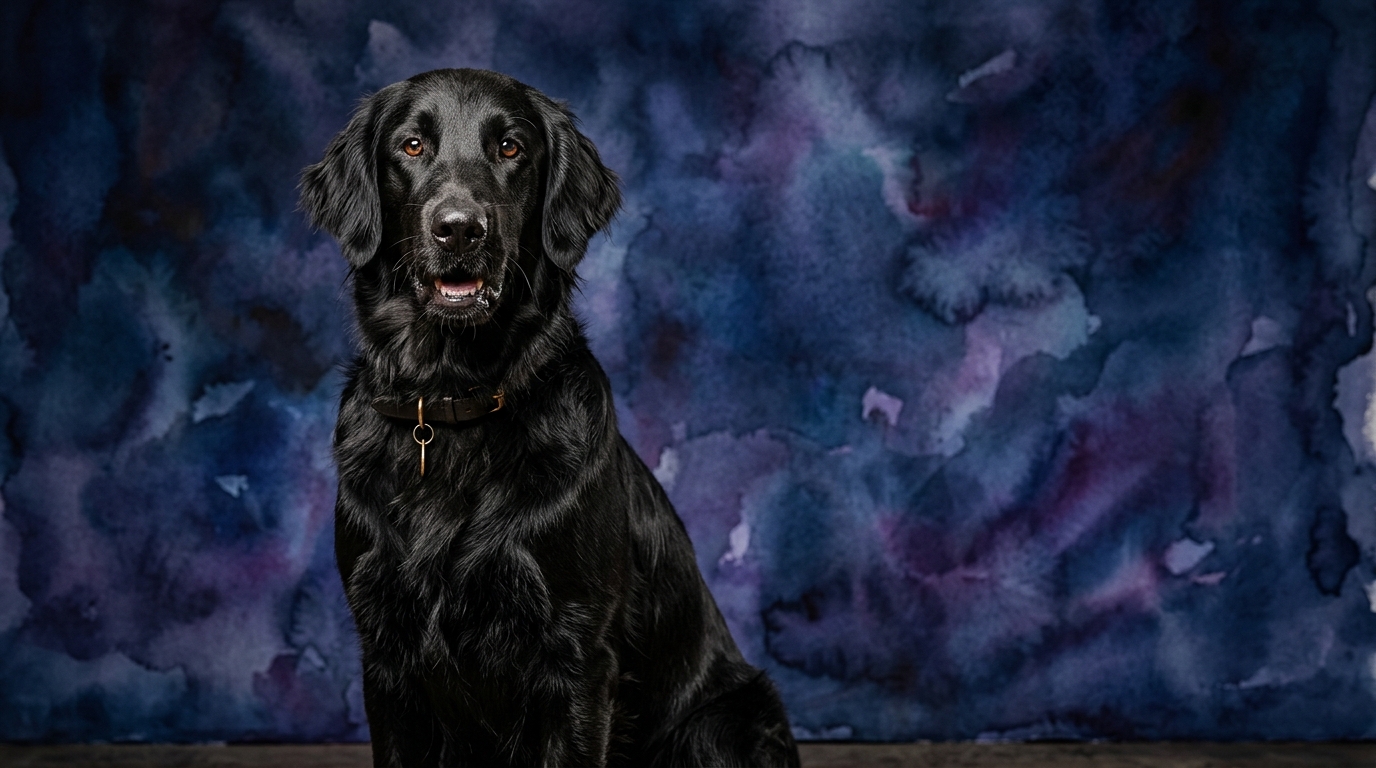
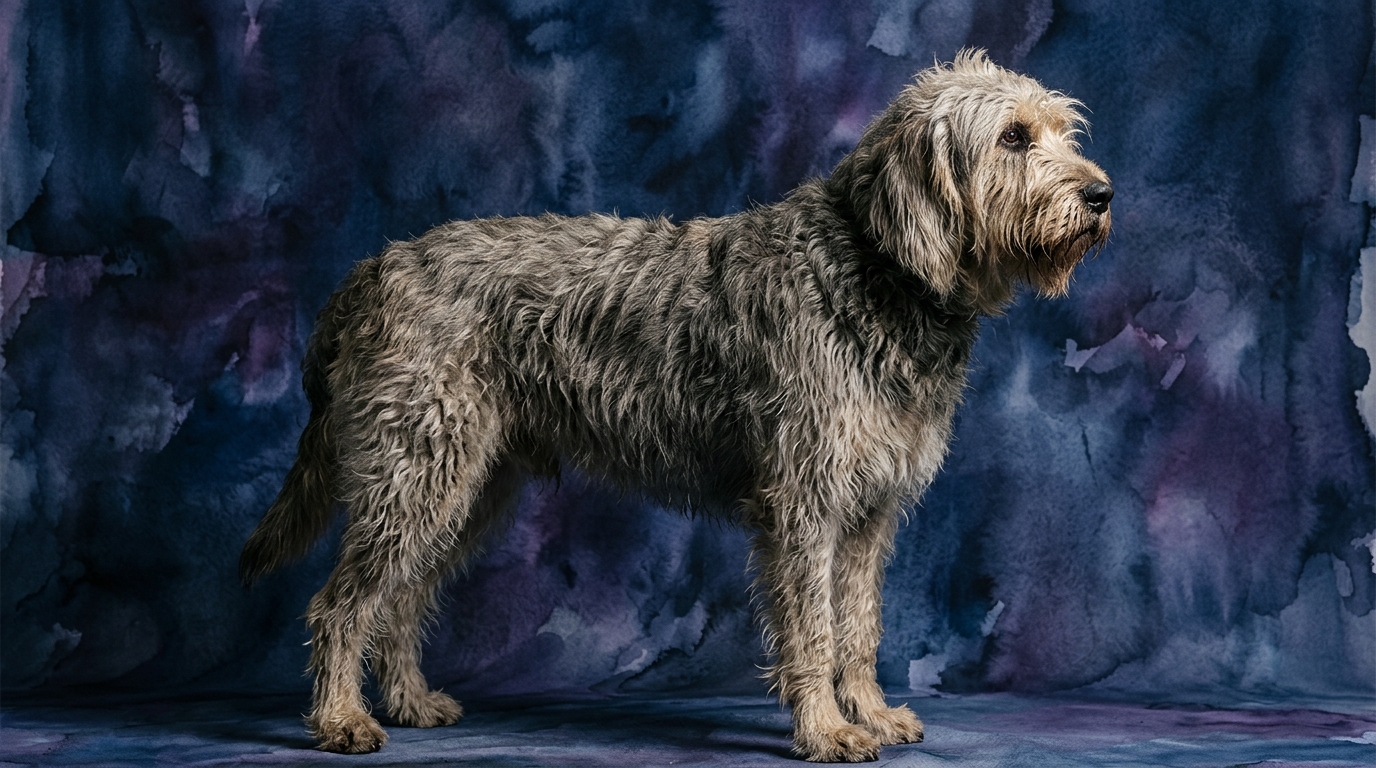
Side-by-Side Cognitive Profile: Flat-Coated Retriever vs. Otterhound
The Cosmic Pet Pet IQ Lab employs a five-dimensional framework to assess canine intelligence, offering a nuanced view beyond simple rankings. Here's how the Flat-Coated Retriever and Otterhound compare:
Flat-Coated Retriever (Coren Rank #17): Problem Solving 4/5, Training Speed 4/5, Social Intelligence 3/5, Instinctive Drive 3/5, Memory 5/5.
Problem Solving (4/5): Demonstrating strong analytical skills, Flat-Coats excel at navigating complex situations and understanding multi-step tasks, often finding resourceful solutions.
Training Speed (4/5): Their quick uptake of new commands and responsiveness to instruction makes them highly adaptable learners, eager for structured training.
Social Intelligence (3/5): Flat-Coats form strong human connections and recognize social cues, though their interaction often prioritizes task engagement.
Instinctive Drive (3/5): Their retrieving drive is present but balanced, channeled effectively through training rather than being an overwhelming compulsion.
Memory (5/5): Exceptional recall for learned behaviors, commands, and routines ensures reliable, long-term retention, making them dependable partners.
Otterhound (Not Coren-Ranked): Problem Solving 3/5, Training Speed 3/5, Social Intelligence 3/5, Instinctive Drive 3/5, Memory 3/5.
Problem Solving (3/5): Otterhounds tackle challenges methodically, relying on persistence and their scenting prowess rather than rapid solutions, especially in tracking scenarios.
Training Speed (3/5): Learning at a steady pace, they require consistent, patient instruction, often needing to grasp the purpose of a command to fully engage.
Social Intelligence (3/5): They establish solid family bonds and understand social dynamics, though their inherent independence can make their social responses less overtly enthusiastic.
Instinctive Drive (3/5): A powerful, focused scent drive defines them, guiding actions with an unparalleled dedication to tracking, demanding specific outlets.
Memory (3/5): Possessing a functional memory for core tasks and routines, they retain crucial work-related information, but may not have the broad recall for varied commands seen in higher-scoring breeds.
Where the Flat-Coated Retriever Excels Cognitively
Flat-Coated Retrievers exhibit clear cognitive advantages in areas demanding rapid information processing and consistent performance. Their 4/5 in Problem Solving enables them to quickly assess novel situations and adapt strategies, whether mastering a new puzzle or understanding complex agility sequences. This contrasts with the Otterhound's more deliberate, scent-driven approach.
The Flat-Coat's 4/5 Training Speed means they absorb new commands with remarkable efficiency, making them highly responsive partners in structured learning. This eagerness, coupled with their exceptional 5/5 Memory, solidifies their position as a breed that not only learns quickly but retains knowledge reliably. For owners seeking a dog capable of mastering a wide repertoire of behaviors and applying them consistently, the Flat-Coat's cognitive profile is particularly compelling.
Where the Otterhound's Cognitive Strengths Shine
While the Otterhound may not boast higher numerical scores, its unique cognitive profile represents a 'win' in contexts demanding deep focus on instinctual tasks. Its 3/5 Instinctive Drive, while numerically matching the Flat-Coat, manifests as unparalleled dedication to scent work—a cognitive specialization for processing and following complex trails for extended periods. Their 3/5 Problem Solving is geared towards methodical, persistent tracking through varied terrain, requiring sustained mental effort.
This specific problem-solving, coupled with a functional 3/5 Memory, makes them adept at remembering scent patterns relevant to their primary task. For owners valuing a dog deeply rooted in its ancient purpose, celebrating profound connection to scent and endurance, the Otterhound's focused cognitive strengths are exceptional. Its independence, born from working autonomously, fosters a self-reliant approach invaluable in specific working roles.
Training Ease: Flat-Coated Retriever vs. Otterhound
Comparing training ease, the Flat-Coated Retriever generally offers a more straightforward experience. Its 4/5 Training Speed and 5/5 Memory are significant assets; they grasp new concepts with fewer repetitions and retain lessons reliably. Their desire to please makes them highly receptive to positive reinforcement. Flat-Coats readily offer behaviors, eager for interaction and reward, accelerating the learning process. An owner might see a Flat-Coat mastering basic obedience or complex tricks in weeks with consistent effort.
Conversely, the Otterhound, with 3/5 Training Speed and 3/5 Memory, requires a more patient, nuanced approach. Their independent nature, stemming from autonomous scent work, means they are less driven by human approval and more by internal motivations, especially their powerful scent drive. They learn steadily, but consistency is paramount. Otterhounds often need to understand a command's 'value,' requiring engaging, varied methods to hold their attention against a captivating scent. While they learn, expect a longer timeline for mastery and anticipate moments where their nose takes precedence, necessitating robust recall training. The Flat-Coat's inherent cooperativeness makes it a more forgiving student.
Matching Breeds to Lifestyles: Active vs. Relaxed Owners
The Flat-Coated Retriever is ideal for active owners who thrive on engagement and shared activities. Their balanced 3/5 Instinctive Drive, robust problem-solving (4/5), and memory (5/5) make them excel in canine sports like agility, obedience, and retrieving. They require consistent physical exercise and mental stimulation to prevent boredom. An active owner enjoying daily long walks, runs, or structured play, keen on training for performance or fun, will find the Flat-Coat an enthusiastic partner. Their social intelligence (3/5) ensures they enjoy being an integral part of family activities, suiting owners wanting a dog intimately involved in their dynamic lifestyle.
The Otterhound, with its impressive 3/5 Instinctive Drive focused on scent, adapts to both active and somewhat more relaxed owners, provided activity caters to its specific drives. Not built for explosive speed but endurance, its powerful nose demands engagement. Owners with less structured routines might find the Otterhound's independence and methodical pace suitable, if they offer consistent scent work or long, meandering walks. These are not dogs for intense, high-impact sports unless specifically trained. However, a sedentary lifestyle is detrimental. Owners appreciating a dog that explores fields for hours, follows trails, or engages in scent games will find a fulfilling match. Its 3/5 social intelligence means it's content without constant, intense interaction, suiting owners valuing a strong, self-contained personality.
The Verdict
Opt for a Flat-Coated Retriever if you seek a highly trainable, responsive companion eager to engage in diverse activities, from competitive dog sports to active family life, and value a dog that quickly learns and reliably remembers commands.
Select an Otterhound if you appreciate a dog with an independent spirit, a profound dedication to scent work, and are prepared to accommodate its methodical learning style and specific needs for engaging its powerful olfactory drive.
🧠 Find Your Pet's IQ Score
Our Pet IQ Lab assessment covers 25+ tests across 5 cognitive dimensions — personalized to your breed.
Take the Full IQ Test →Frequently Asked Questions
Is a Flat-Coated Retriever suitable for a first-time dog owner?
Yes, a Flat-Coated Retriever can be suitable for a first-time owner due to its higher training speed and desire to please, making the learning process generally more forgiving and rewarding. However, their need for consistent exercise and mental stimulation should not be underestimated.
Can an Otterhound live in an apartment?
An Otterhound can potentially live in an apartment if its significant exercise requirements, particularly for scent work and long walks, are met daily. Its independent nature means it may not demand constant indoor attention, but its need for outdoor exploration is non-negotiable.
How do their grooming needs compare?
Flat-Coated Retrievers require regular brushing several times a week to prevent matting and manage shedding, along with occasional trims. Otterhounds have a dense, rough, water-resistant double coat that needs weekly brushing to prevent mats and occasional hand-stripping to maintain coat texture.